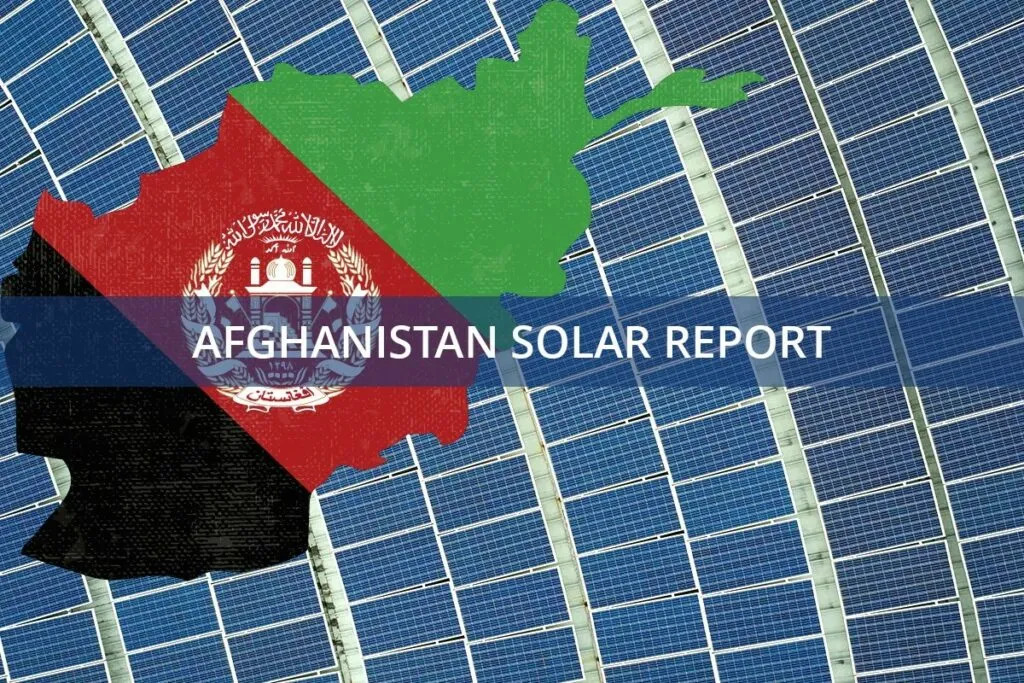
Afghanistan’s government has approved two solar power projects in Herat province, with a combined capacity of 55 megawatts (MW). These projects aim to meet the region’s growing energy demand and reduce reliance on imported electricity.
Afghanistan solar projects: Boosting Herat’s Energy Supply
The Afghan Government has approved two significant solar power projects in Herat province, with a combined capacity of 55 MW. This move is part of a broader national initiative by the Afghan High Economic Council, which recently greenlit four new wind and solar projects across Herat, Kabul, and Balkh provinces.
The Ministry of Energy and Water announced that the Herat-based projects will be developed in the districts of Guzara and Zenda Jan. The first is a 40 MW solar power plant in Guzara district, and the second is a 15 MW plant in Zenda Jan district. Currently, Herat province receives a portion of its electricity from Iran, but this supply is often unreliable, leading to disruptive power outages that affect residents and businesses alike. These new solar plants are designed to provide a more stable and sustainable energy source for the region’s growing needs.
Reducing Dependence on Imported Electricity with Afghanistan solar projects
Herat province has long struggled with chronic energy shortages. The region’s heavy reliance on imported electricity from Iran is frequently insufficient to meet the demands of its expanding population. These frequent power cuts have had a tangible negative impact on the local economy, particularly for small businesses that depend on a consistent energy supply to operate.
The two new solar projects are poised to alleviate these issues. By harnessing the power of the sun, Herat can generate its own electricity, significantly reducing its dependence on foreign imports. This strategic shift towards renewable energy aligns with global efforts to reduce carbon emissions and combat climate change. Understanding the basics of solar panel manufacturing is the first step in appreciating how this technology can foster energy independence.
Herat as a Solar Power Hub for Afghanistan solar projects
The approval of these solar plants marks the beginning of a larger government initiative to expand solar capacity throughout Herat province. The Ministry of Energy and Water has already identified several other districts for future solar development, including Kohsan, Ghorian, Karukh, and Injil.
Herat is one of Afghanistan’s driest provinces, with a climate exceptionally well-suited for solar energy generation. The region receives abundant sunlight year-round, making it an ideal location for developing robust solar power infrastructure. The government’s plan could transform Herat into a model for renewable energy development and is a key topic explored in Afghanistan’s Solar Boom: Is Infrastructure Ready?.
Challenges and Future Prospects for Afghanistan solar projects
While the approval of these projects is a significant positive step, formidable challenges lie ahead. The development and maintenance of solar power plants require substantial investment and technical expertise. The government will need to ensure these projects are implemented efficiently, which involves a complex solar panel manufacturing process and sourcing the right solar panel raw materials.
Despite these hurdles, the potential benefits for Herat are immense. International partners, such as the Asian Development Bank (ADB) which has previously provided loans for solar farms in the country, could play a crucial role in overcoming financial obstacles. Beyond providing a more reliable energy source, solar power will also reduce the province’s carbon footprint—a critical goal for Afghanistan, one of the nations most vulnerable to the effects of climate change.
The development of solar power in Herat could also spark broader economic growth. As the province moves towards energy independence, it may attract more investment and create new jobs. Establishing a local industry requires understanding everything from the necessary solar panel manufacturing machines to the complete solar panel manufacturing plant cost breakdown. This could provide a much-needed boost to the local economy. The approval of the 40 MW and 15 MW solar plants is a landmark step, and as these projects move forward, they have the potential to transform Herat into a true hub for renewable energy in Afghanistan.
To learn more about the fundamentals of solar energy and its production, you can explore this free e-course.