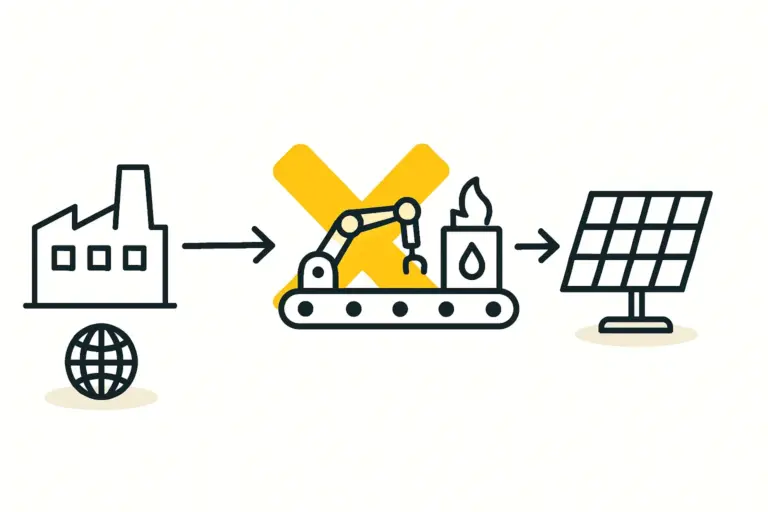
An investor considering a solar module factory typically begins by assessing market demand and technological requirements. In some jurisdictions, however, the primary challenge isn’t technical but structural. For organizations exploring frontier markets, North Korea (DPRK) is a prime example, with a legal and operational framework that dictates every subsequent decision. The state mandates a joint venture (JV) structure for nearly all foreign investment—a model fundamentally different from those found in more open economies.
This article offers a factual overview of the legal and operational structure required to establish a solar manufacturing joint venture in North Korea. It serves as an introductory guide for business professionals, covering the foundational requirements, potential challenges, and the critical importance of deep regulatory knowledge before any capital or resources are committed.
The Legal Foundation: State Control and the Joint Venture Imperative
Foreign investment in the DPRK is governed not by free-market principles but by a centrally planned system designed to serve state objectives. The primary legal instrument, the ‘Law on Foreign Investment and Foreign Enterprises,’ stipulates that foreign entities must partner with a designated local, state-owned enterprise (SOE).
The core objectives of this framework are:
-
Technology Acquisition: The state explicitly seeks to import modern technology and production knowledge to advance its policy of self-reliance (Juche).
-
Capital Inflow: Foreign investment is a key channel for acquiring the hard currency needed to procure essential goods and machinery from abroad.
-
Domestic Development: Projects are approved based on their alignment with national priorities, such as energy independence, agricultural output, or infrastructure improvement.
All proposed ventures are reviewed by a central body—often the State Commission for Economic Development (SCED)—which ensures alignment with these goals. For a foreign investor, this means the business case must demonstrate clear benefits to the state, not just promise a profitable return.
The Mandatory Joint Venture (JV) Structure
Unlike in many emerging markets where a wholly foreign-owned enterprise is an option, the JV model is the standard—and often only—path for market entry. This structure defines the roles, responsibilities, and limitations for both parties.
The Role of the Local Partner
The local partner is not chosen from a competitive market but assigned by the state. This partner is typically an SOE with a mandate in a relevant sector, such as electronics, machine building, or construction.
Ready to make big Profits?
The solar Industry is Booming
WE HELP NEWCOMERS to the solar industry start their own solar module production line. Customers can make BIG PROFITS by selling modules and finding investors, without wasting money and time on things they don't need!
Their contributions generally include:
-
Land and Facilities: Providing the physical site for the factory, which remains state property.
-
Labor: Access to a workforce, which is assigned and managed through state labor organizations.
-
Domestic Navigation: Handling local permits, utilities, and administrative procedures within the DPRK’s bureaucracy.
A significant challenge for the foreign investor is performing due diligence on an assigned partner whose technical capabilities and operational standards can be difficult to verify independently. Experience from turnkey projects in other difficult regulatory environments suggests that a comprehensive technical audit is a critical first step.
The Role of the Foreign Investor
The foreign partner is expected to provide what the local economy lacks. This typically involves:
-
Capital: All financing for imported machinery, raw materials, and operational setup.
-
Technology: The complete technical know-how for solar module manufacturing, from production processes to quality control.
-
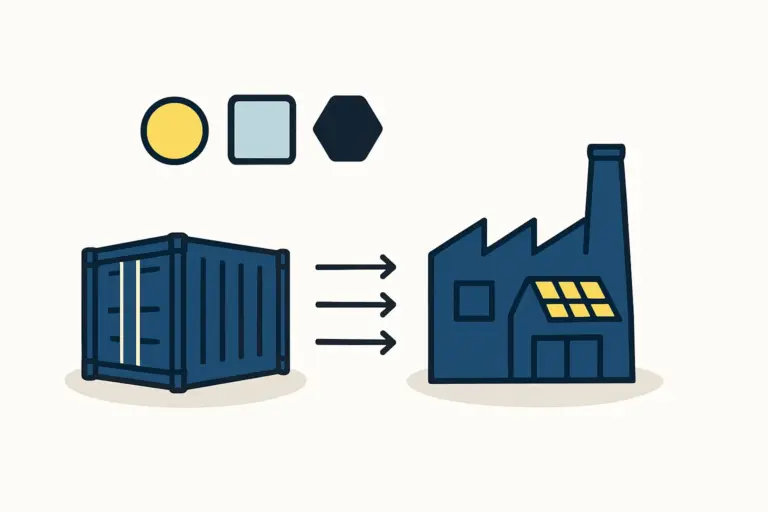
Equipment: Sourcing, procuring, and commissioning the entire production line. For newcomers to the industry, selecting the right manufacturing equipment is a foundational step that requires expert guidance.
-
Management: Providing key personnel to oversee production, quality, and financial controls.
Foreign ownership is typically limited to a non-controlling stake (e.g., 49%), although the exact percentage can be a point of negotiation depending on the project’s strategic importance.
Key Operational and Financial Considerations
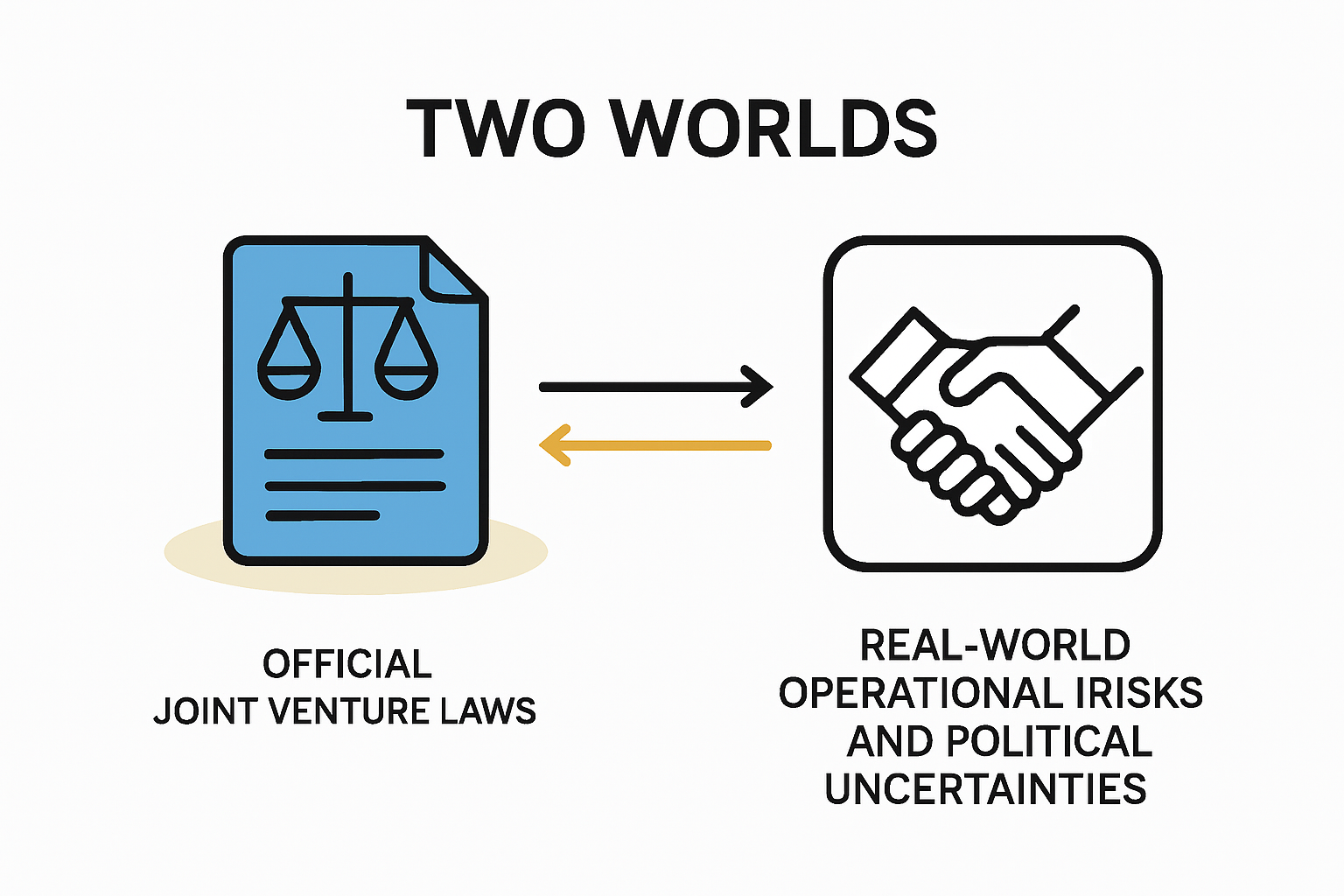
Beyond the legal structure, several operational realities shape the viability of a solar manufacturing JV in the DPRK.
Capital Contribution and Repatriation
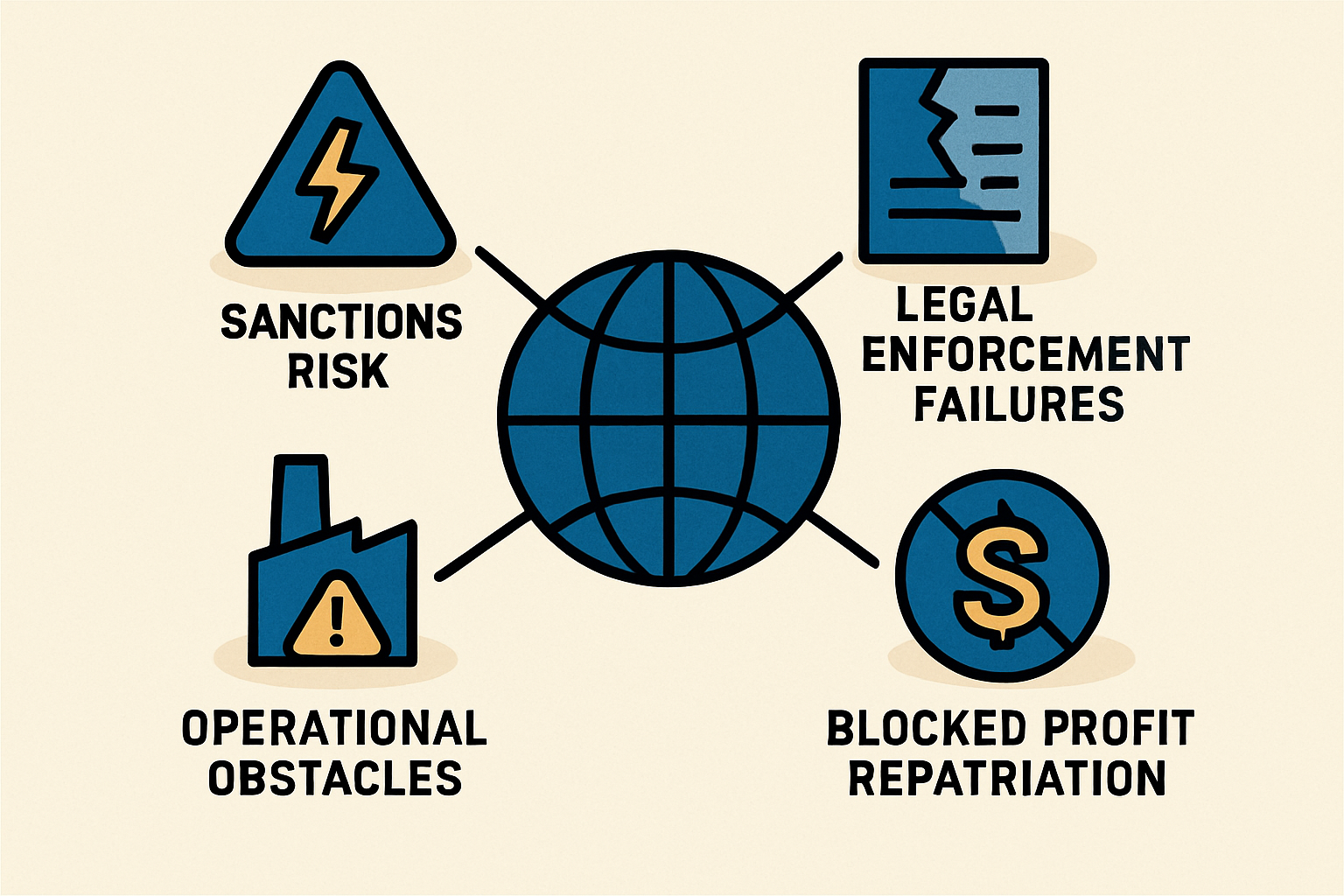
While the state encourages capital inflow, repatriating profits is a significant hurdle. Profits are typically denominated in the local, non-convertible currency (the North Korean Won). Repatriation in hard currency is often contingent on the JV generating its own foreign currency through exports. For a solar factory intended for the domestic market, this presents a major financial planning challenge that must be addressed in the initial JV agreement.
Technology Transfer and Intellectual Property
The state’s focus on technology acquisition means that intellectual property (IP) protection is minimal by international standards. Foreign investors should assume that process knowledge will be absorbed by the local partner. A pragmatic approach involves a phased technology transfer, linking the release of more advanced know-how to specific production and performance milestones. This structured approach is central to the essential steps for factory setup in any market but carries particular weight here.
Labor and Management
The JV operates with a dual-management structure. A representative from the foreign investor—often the Chief Engineer or Plant Manager—works alongside a local Director appointed by the state. Navigating the cultural and operational differences is crucial. The local labor force is highly disciplined but may lack experience with modern manufacturing standards and quality control protocols. Extensive training and clear, documented procedures are essential for success.

The Geopolitical and Sanctions Context
No investment decision should be made without a thorough understanding of the international sanctions regime imposed by the UN, the United States, and the European Union. These sanctions heavily restrict the import of dual-use technologies, machinery, and raw materials, creating severe banking and logistical challenges.
Any proposed solar manufacturing project must therefore be structured for full compliance with these international regulations. This often means focusing on smaller-scale production for humanitarian or civilian off-grid applications, which may be permissible under certain exemptions. Navigating this landscape requires specialized legal counsel and complete transparency.
Frequently Asked Questions (FAQ)
What is the typical foreign ownership percentage allowed in a DPRK joint venture?
While negotiable, foreign ownership is commonly capped at 49% or less to ensure state control. Projects deemed of high strategic value may allow for different terms, but this is the exception, not the rule.
How are disputes between JV partners resolved?
Dispute resolution mechanisms are outlined in the JV agreement and typically involve arbitration through a DPRK state body. Enforcing decisions or seeking resolution through international courts is exceptionally difficult.
Can a foreign investor select their own local partner?
No. The local partner is a state-owned enterprise designated by the government. The foreign investor’s role is to evaluate and work with the assigned entity.
What are the main risks associated with capital repatriation?
The primary risk is the inability to convert local currency profits into hard currency. Repatriation is almost always tied to the JV’s export earnings, which may not exist for a project serving the domestic market.
How do sanctions impact the import of solar manufacturing equipment?
Sanctions create significant obstacles. Many pieces of advanced equipment can be classified as ‘dual-use,’ and financial transactions are heavily scrutinized. Sourcing equipment and navigating certification requirements under these constraints requires expert logistical and legal planning.
Conclusion: A Framework for Initial Assessment
Establishing a solar manufacturing facility in North Korea is an undertaking defined by its unique and rigid regulatory framework. The mandatory joint venture structure places the state at the center of the enterprise, shaping everything from ownership and management to finance and operations.
For any business professional or organization contemplating such a project, the path begins not with a business plan but with a deep and sober assessment of the legal and geopolitical realities. This requires specialized due diligence, expert legal counsel, and a clear understanding that the venture must serve the stated goals of the host country. A successful project is not merely technically sound; it must be built upon a resilient structure that can operate within these demanding constraints.