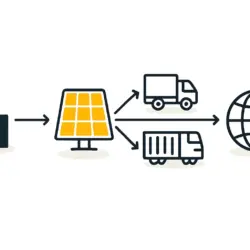
Chad’s Solar Energy Adoption: 5 Essential Steps for Telecom Operators
Chad’s telecommunications regulator, ARCEP, is actively promoting a pivotal shift for the nation’s telecom operators: transitioning from a reliance on costly and unreliable power sources to solar energy. This push is a direct response to the significant operational hurdles plaguing the sector, including frequent power outages, soaring diesel expenses, and a national electricity grid that reaches only 12% of the population. For operators in Chad, adopting solar power is less an environmental choice and more a strategic necessity for survival and growth.
To navigate this transition successfully, telecom companies can follow a clear, five-step framework grounded in strategic planning, financial foresight, and operational resilience.
1. Conduct Site-Specific Energy Audits
The first step is a detailed assessment of each telecom site’s energy needs and solar viability. Given the inconsistent grid, ARCEP recommends hybrid models that combine solar panels with existing diesel generators. This approach ensures uninterrupted service while significantly cutting fuel consumption. A thorough audit will identify which locations are prime candidates for full or partial solar conversion, optimizing initial investment and maximizing long-term returns.
2. Leverage Financial Incentives and Partnerships
Addressing the high upfront costs of installation is crucial. The Chadian government is facilitating this by offering financial incentives, including tax credits for solar equipment in target sectors. Operators should proactively seek these government supports and explore partnerships with energy service companies (ESCOs) or financial institutions to create viable financing models. This step transforms the capital expenditure from a barrier into a manageable investment.
3. Invest in Scalable Infrastructure and Technology
Deploying solar-powered base stations is the core of the transition. Companies can draw inspiration from regional leaders like Ethio Telecom, which is on track to install 30 MW of solar capacity to support its rural expansion. This investment should not only meet current needs but also be scalable for future growth, aligning with initiatives like the GSMA’s Rural Renewal program which champions sustainable power for off-grid connectivity.
4. Implement Robust Maintenance and Energy Storage Plans
A solar installation’s success hinges on its long-term performance. Operators must establish comprehensive maintenance schedules to ensure equipment longevity and efficiency. Crucially, this includes integrating battery storage solutions. Batteries are essential for handling grid outages and ensuring a consistent power supply overnight or during periods of low sunlight, thereby guaranteeing service quality and network reliability.
5. Integrate Solar into a Broader Network Resilience Strategy
Finally, solar adoption should be viewed as one component of a larger strategy to build a more resilient and disaster-proof telecom network. Energy independence complements other critical measures, such as diversifying international connectivity to reduce reliance on single points of failure and enhancing equipment maintenance to combat issues like vandalism. This holistic approach ensures that the network is not only sustainably powered but also fundamentally more robust. For a deeper look into overcoming obstacles in clean energy adoption, you can review broader industry reports on renewable energy barriers.
Sources
- Energy transition assessment: Chad
- Chad promotes solar power adoption for telecom sites
- African Telecoms & the Energy Imperative
- Chad Explores Partnership With Ethiopia’s Ethio Telecom …
- 2025 Chad Investment Climate Statement
- Connectivity During Crisis: Building Reliable and Disaster- …