An entrepreneur’s vision for a solar module factory often focuses on production machinery, facility layout, and market strategy. The success of the entire operation, however, hinges on a less glamorous but critical factor: the reliable and cost-effective importation of raw materials.
For any new solar manufacturing venture in the Republic of the Congo, the supply chain almost certainly begins at the Port of Pointe-Noire. Understanding its complexities is therefore not just an operational task, but a fundamental strategic requirement.
This guide provides a practical overview of the customs procedures, logistical challenges, and strategic considerations for importing essential solar components through Congo’s primary maritime gateway. It is designed for business professionals planning to enter the solar industry, offering clarity on a process that can otherwise lead to significant unforeseen costs and delays.
Table of Contents
The Strategic Importance of Pointe-Noire
The Port of Pointe-Noire is the logistical heart of the Republic of the Congo, handling over 90% of the country’s international trade. As the only deep-water port in the nation, it is the designated entry point for the high-volume, containerized cargo essential for solar manufacturing, such as solar cells, EVA encapsulant, and tempered glass. Any serious solar panel manufacturing business plan for the region must include a detailed strategy for navigating this crucial piece of infrastructure.
While indispensable, the port also presents challenges that demand careful planning. The World Bank’s 2023 Logistics Performance Index (LPI) underscores these challenges: Congo ranks 119th out of 139 countries, indicating significant hurdles in trade and transport-related infrastructure.
Furthermore, the average container dwell time—the period a container spends in the port before being moved inland—is approximately 14 days. This is considerably longer than global hubs like Shanghai (around 4 days) and directly impacts inventory planning, cash flow, and production schedules.

A Step-by-Step Guide to Congolese Customs Procedures
Navigating the customs process is a primary concern for any importer. The Republic of the Congo is a member of the Central African Economic and Monetary Community (CEMAC), which establishes a common external tariff for member states, providing a degree of predictability for calculating duties. This process is managed through the ASYCUDA++ system, a computerized customs management platform designed to standardize procedures.
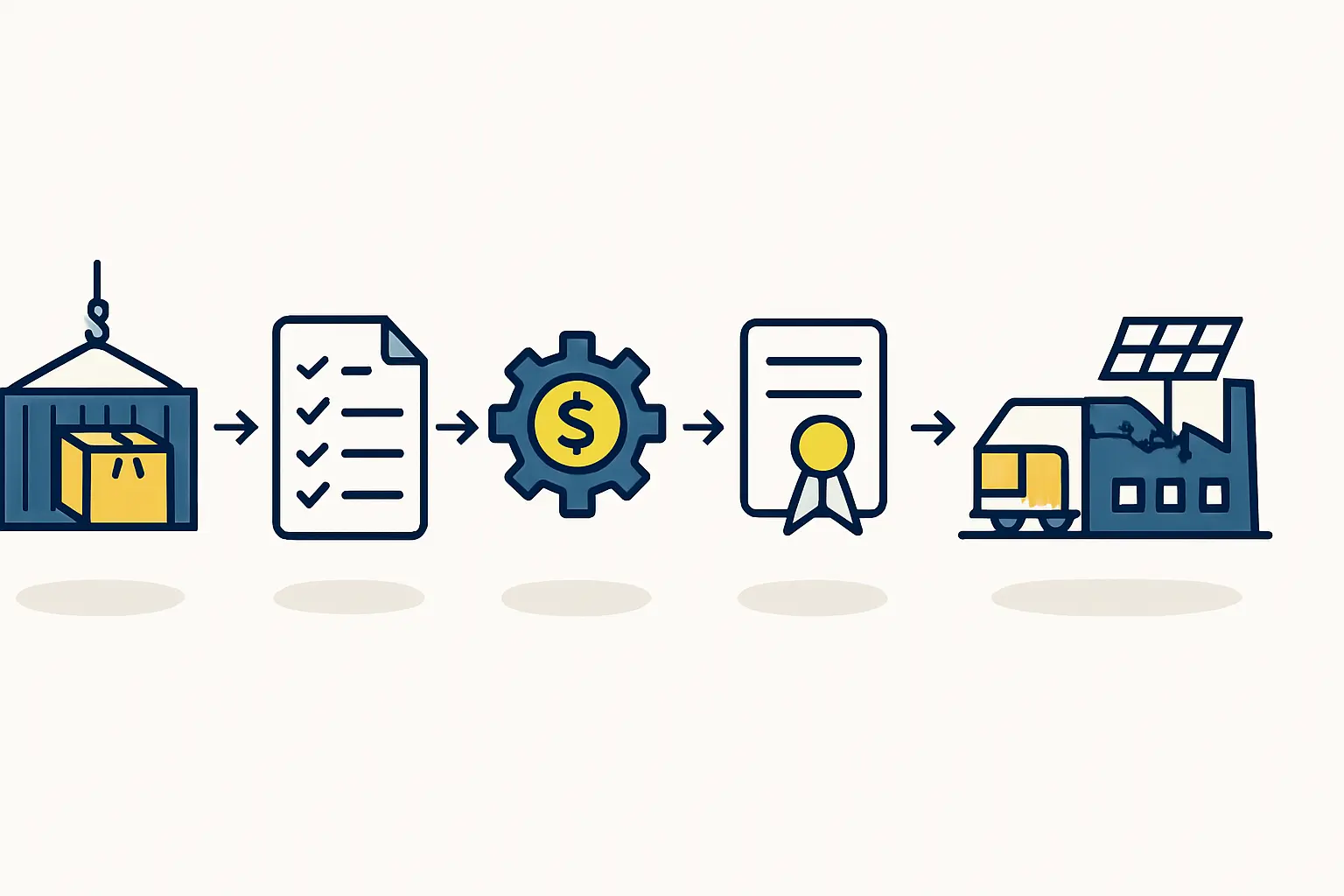
The typical import workflow involves these key stages:
Pre-Arrival: The importer or their customs agent submits a declaration and supporting documents (Bill of Lading, Commercial Invoice, Packing List) into the ASYCUDA system before the vessel’s arrival.
Ready to make big Profits?
The solar Industry is Booming
WE HELP NEWCOMERS to the solar industry start their own solar module production line. Customers can make BIG PROFITS by selling modules and finding investors, without wasting money and time on things they don't need!
Arrival and Unloading: The container is offloaded at the terminal. Port handling charges are incurred at this stage.
Customs Declaration and Verification: The submitted declaration is assessed by customs officials, who verify the Harmonized System (HS) codes, valuation, and origin of the goods.
Duty and Tax Assessment: Customs calculates the applicable duties based on the CEMAC tariff schedule and a standard Value Added Tax (VAT) of 20% on the CIF (Cost, Insurance, and Freight) value.
Payment and Inspection: Once duties and taxes are paid, the shipment may be flagged for physical inspection. This is a common step and can add time to the clearance process.
Release and Inland Transport: Upon successful clearance, a release order is issued, and the container can be moved from the port to the factory.
Understanding these steps is crucial for accurately forecasting timelines and costs. Delays at any stage can disrupt the entire solar module manufacturing process.
Managing Key Raw Materials: Unique Import Considerations
The essential raw materials for solar panels have distinct logistical requirements that demand careful management during shipment and customs clearance. A one-size-fits-all approach to importation is inefficient and risky.
Solar Cells: High-Value and Fragile
As the most technologically sensitive and high-value component, solar cells require meticulous handling. They are shipped in specialized, shock-absorbent packaging. The primary risks are breakage from mishandling at the port and security concerns. It is vital that your logistics partner provides secure storage if the cells cannot be moved to the factory immediately upon clearance.
EVA Film: Climate-Sensitive Cargo
Ethylene Vinyl Acetate (EVA) is the encapsulant film that bonds the solar components together. It is highly sensitive to heat and humidity, which can compromise its adhesive properties. For shipments arriving in the tropical climate of Pointe-Noire, using climate-controlled containers and ensuring a swift transfer to a temperature-regulated warehouse is non-negotiable to prevent material degradation.
Solar Glass: Heavy, Bulky, and Breakable
Solar-grade tempered glass represents a significant portion of a module’s weight and is prone to breakage. Its high weight increases ocean freight and inland transportation costs. A key strategic consideration is regional sourcing. For instance, while most cells and films originate from Asia, sourcing glass from established manufacturers in North Africa (e.g., Egypt) could potentially reduce freight costs and transit times, offering a competitive advantage.
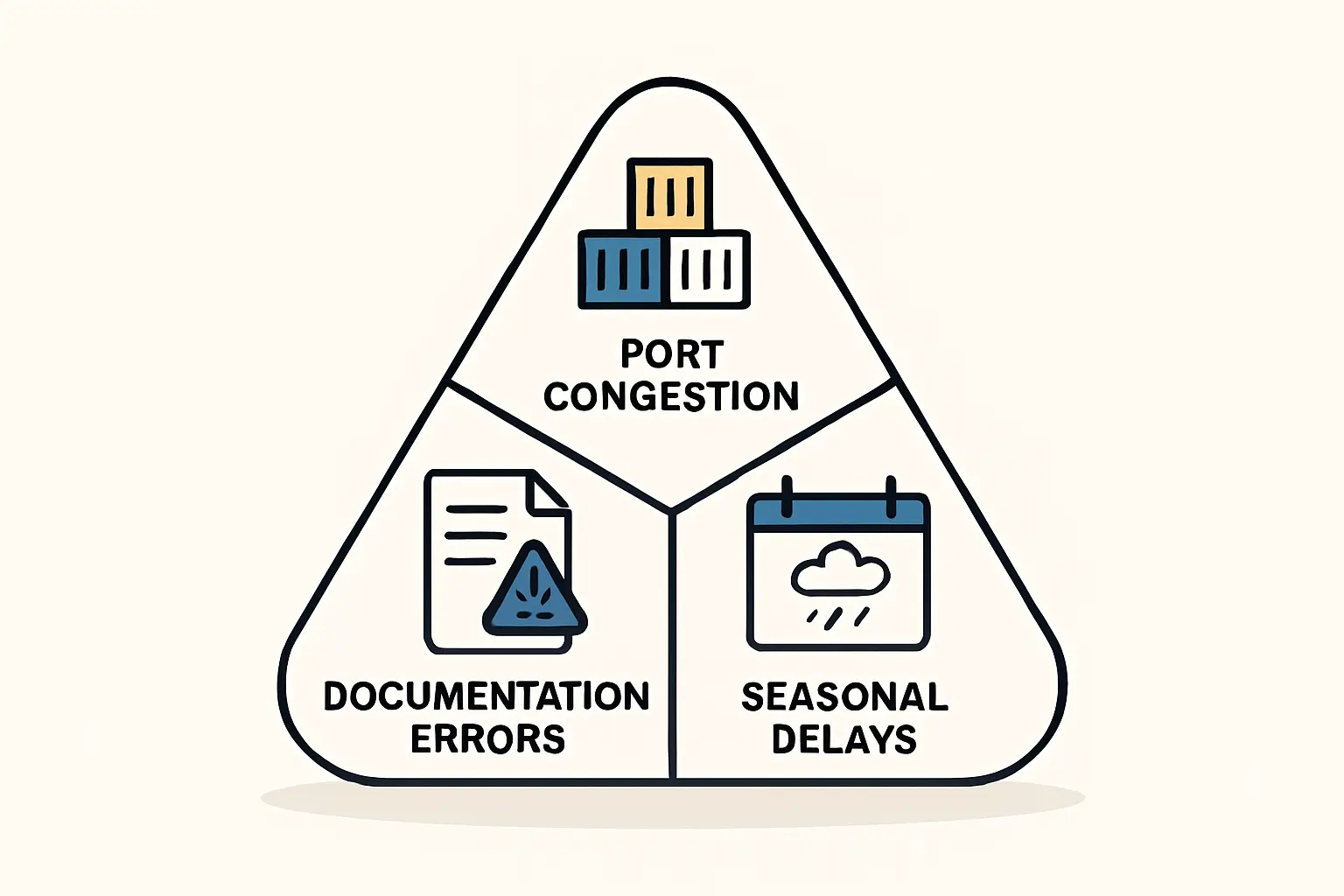
A Practical Breakdown of Import Costs
Budgeting accurately for importation is a common challenge for new entrepreneurs. The final landed cost of raw materials at your factory gate includes several elements beyond the supplier’s invoice:
- Ocean Freight: The cost of shipping a container from the port of origin to Pointe-Noire.
- Port Handling Charges: Fees charged by the terminal operator for unloading and moving the container.
- Customs Duties: Calculated based on the CEMAC common external tariff.
- Value Added Tax (VAT): A standard 20% applied to the CIF value plus customs duties.
- Customs Broker Fees: Charges for the agent managing your customs declarations.
- Inland Transportation: The cost of trucking the container from the port to your factory location.
- Insurance: Covering potential damage or loss during transit.
These costs must be factored into the financial model of any turnkey solar panel production line to avoid surprises that could impact profitability.
Strategic Solutions for Efficient Importation
While the challenges are real, they are manageable with foresight and the right partners. A proactive approach to logistics can transform it from a potential weakness into a source of operational strength.
The Importance of a Local Logistics Partner
Attempting to navigate the Port of Pointe-Noire’s administrative and bureaucratic landscape without experienced local support is inadvisable. A reputable, well-connected customs broker and freight forwarder is your most critical partner. This partner will manage documentation, liaise with port and customs authorities, and troubleshoot the inevitable minor issues that arise, saving valuable time and preventing costly errors.
Leveraging Bonded Warehouses: A J.v.G. Project Insight
A powerful strategy for managing cash flow, particularly concerning the 20% VAT, is the use of a bonded warehouse. Based on experience from J.v.G. Technology GmbH turnkey projects across Africa, securing a customs-bonded storage facility near the port offers a significant advantage. It allows an importer to defer the payment of duties and taxes until the materials are withdrawn for production. This prevents tying up large amounts of working capital in taxes for inventory that may sit for weeks or months.
Regional Sourcing Strategies
As mentioned with solar glass, diversifying your sourcing strategy can mitigate risk and reduce costs. While core technology like solar cells may be globally sourced, exploring regional suppliers for bulk materials like glass or aluminum frames can shorten supply chains. This is a critical consideration when selecting the right solar manufacturing equipment, as your machinery must be compatible with available regional materials.
Frequently Asked Questions (FAQ)
How long does customs clearance typically take in Pointe-Noire?
While processes vary, business owners should budget for the average container dwell time of around 14 days from vessel arrival to inland dispatch. With an efficient customs broker and all documents in order, this can sometimes be shorter, but planning for two weeks is a prudent baseline.
What are the most common import documents required?
The core documents are the Bill of Lading (B/L), a detailed Commercial Invoice, a Packing List, and a Certificate of Origin. Additional permits may be required depending on the specific goods.
Can a new solar factory get exemptions on import duties?
Investment incentive programs may exist that offer partial or full exemptions on duties and VAT for new industrial projects. This requires direct engagement with the relevant government investment promotion agencies in the Republic of the Congo. This possibility should be explored early in the planning phase.
What is the biggest logistical mistake new importers make?
The most common mistake is underestimating the time and total landed cost of importation. This stems from a failure to account for potential delays, port fees, taxes, and local logistics costs. Another major error is not securing a reliable local partner well in advance of the first shipment’s arrival.