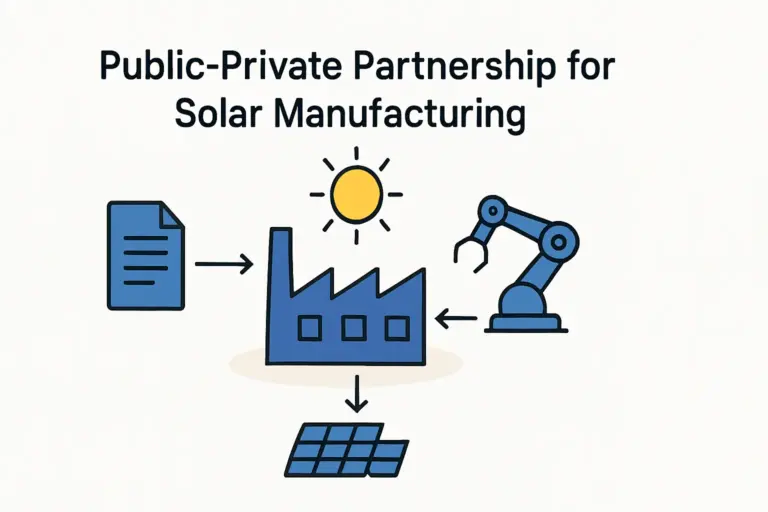
An ambitious entrepreneur sees the vast, sun-drenched landscapes of Ethiopia not just as scenery, but as an untapped economic resource. The idea forms: to manufacture solar modules locally, satisfying a growing domestic demand for energy while creating skilled jobs. The vision is clear, but the path to realizing it often leads to a single, formidable question: how can such a capital-intensive project be financed? For many investors eyeing Ethiopia, the answer may lie with a key national institution.
This guide offers a detailed look at the Development Bank of Ethiopia (DBE), outlining its strategic mission, available funding, and the application process for investors considering entry into Ethiopia’s solar manufacturing sector.
Understanding the DBE’s Strategic Mandate in Ethiopia’s Energy Sector
The Development Bank of Ethiopia operates differently from a typical commercial bank. As a state-owned policy bank, its primary objective is not merely to generate profit, but to finance projects that align with the nation’s long-term development goals, such as those in the Growth and Transformation Plan (GTP).
This strategic alignment is a significant advantage for investors in the solar industry. The Ethiopian government has identified renewable energy as a priority sector for achieving energy security, promoting industrialization, and reducing reliance on imported fuels. The DBE is therefore mandated to provide favorable financing conditions for projects that contribute to these national objectives. Investors planning to establish a solar panel manufacturing facility will find their goals directly aligned with the bank’s mission, creating a foundation for a strong partnership.
Key Financial Instruments for Solar Manufacturing Investors
The DBE offers a portfolio of financial products tailored to the various stages of establishing and operating an industrial project. For a solar module factory, several instruments are particularly relevant.
Term Loans: The Foundation for Your Project
A long-term project loan, or term loan, is the primary instrument for financing the fixed assets of a new factory. This typically covers:
- Construction: The cost of building the factory premises.
- Infrastructure: Essential utilities, site preparation, and related civil works.
- Initial Capital Goods: Certain large, non-machinery assets required for setup.
These loans feature extended repayment periods, often up to 10–15 years, with a grace period of several years. This allows the project to become operational and begin generating revenue before principal repayments are due—a critical factor for managing early-stage cash flow.
Lease Financing: Acquiring Your Manufacturing Equipment
One of the largest components of initial investment costs for a solar factory is the specialized manufacturing machinery. The DBE’s lease financing program is specifically designed to address this.
Under this arrangement, the DBE procures the equipment directly from the supplier on the investor’s behalf. The investor then pays the bank a regular lease fee over an agreed-upon term, at the end of which ownership of the equipment is typically transferred. This model offers a powerful advantage: it enables a company to access state-of-the-art technology without a massive upfront cash expenditure, preserving capital for other critical needs.
Ready to make big Profits?
The solar Industry is Booming
WE HELP NEWCOMERS to the solar industry start their own solar module production line. Customers can make BIG PROFITS by selling modules and finding investors, without wasting money and time on things they don't need!
Working Capital Loans: Fueling Day-to-Day Operations
Once the factory is constructed and the machines are installed, it needs working capital to function. The DBE provides short-term loans to finance these day-to-day operational expenses, including:
- Procurement of raw materials (e.g., solar cells, glass, aluminum frames).
- Employee salaries and administrative overhead.
- Other operational expenditures required to bridge the gap between production and sales revenue.
This type of financing ensures that production can begin and continue smoothly, unconstrained by immediate cash flow challenges.
The Application Process: A Step-by-Step Guide
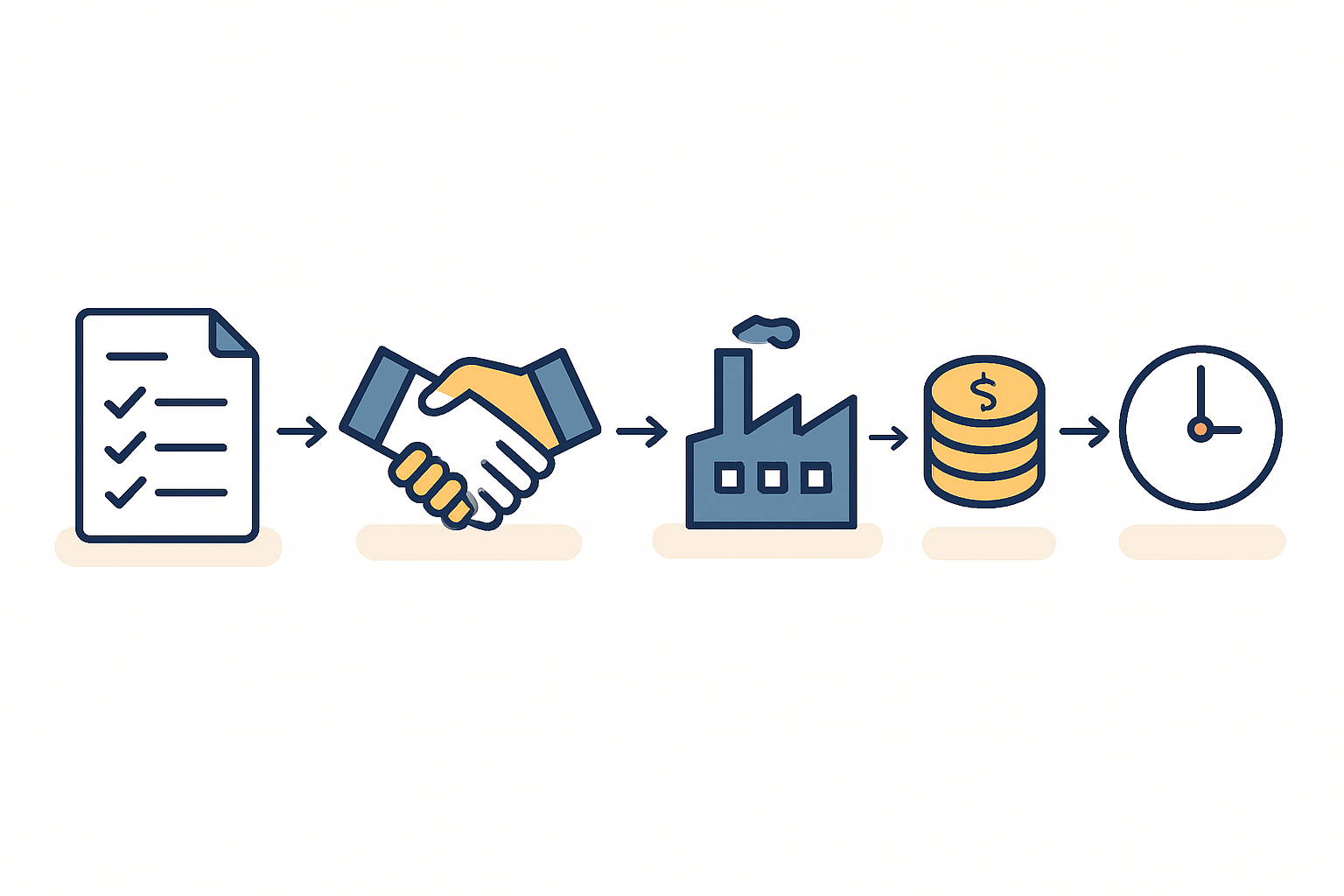
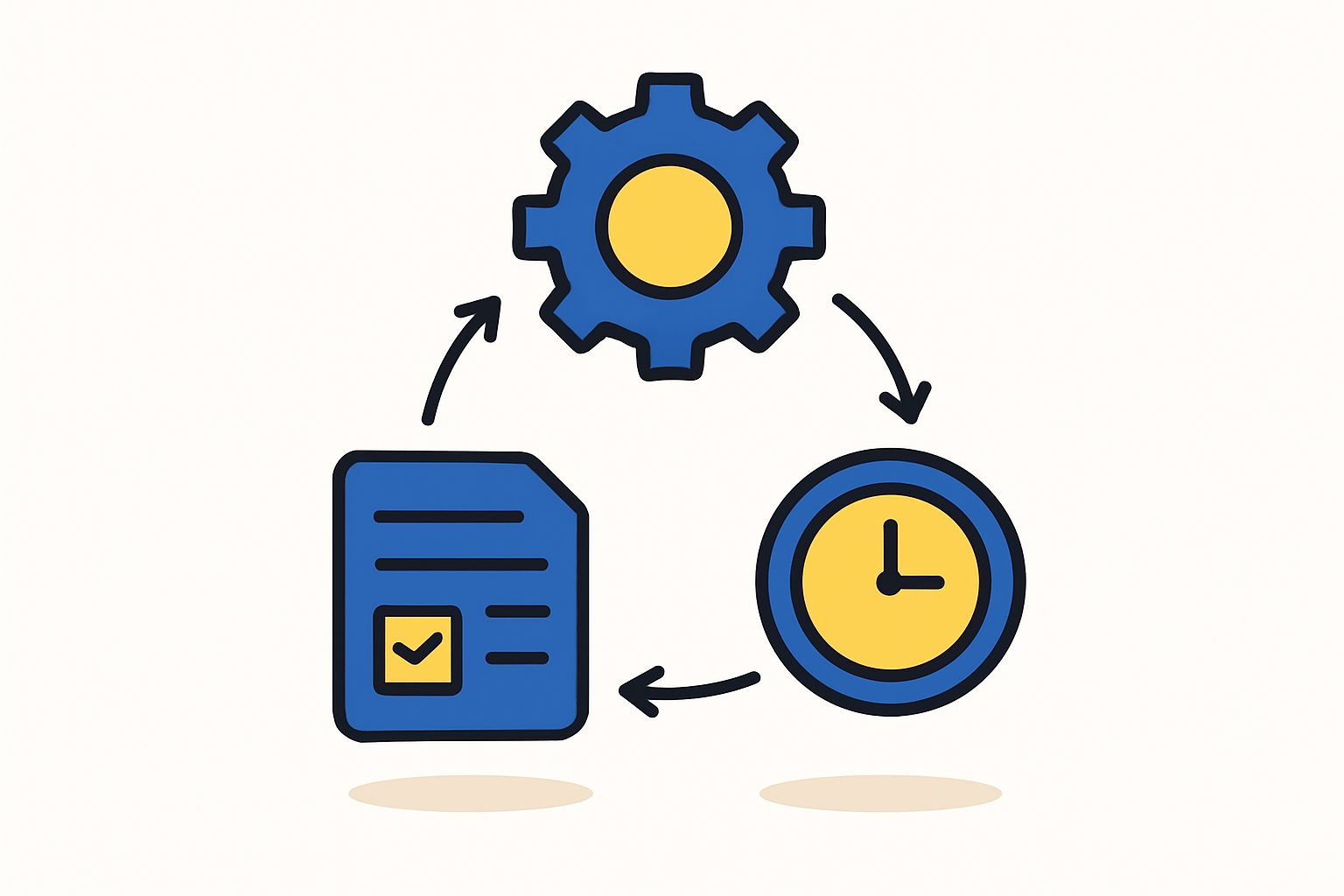
Securing financing from the DBE involves a structured and rigorous appraisal process. Understanding these steps is essential for preparing a successful application.
Step 1: The Project Proposal and Feasibility Study
The journey begins with submitting a detailed project proposal, the cornerstone of which is a comprehensive business plan and a thorough feasibility study. The bank’s credit analysts will scrutinize these documents to assess the project’s:
- Technical Viability: Is the chosen technology sound and appropriate for the local context?
- Market Viability: Is there a demonstrable market for the solar modules?
- Financial Viability: Do the financial projections show a clear path to profitability and loan repayment?
Step 2: Formal Application and Initial Appraisal
Following a positive initial review of the proposal, a formal loan application is submitted. The bank then conducts a preliminary appraisal, verifying the information provided and ensuring the project aligns with its lending policies and national priorities, such as job creation and import substitution.
Step 3: Detailed Due Diligence and Approval
This is the most intensive phase. The DBE performs thorough due diligence, which may include site visits, independent assessments of financial models, and a review of the project promoter’s background and experience. A critical component is the Environmental and Social Impact Assessment (ESIA), which must demonstrate that the project adheres to national environmental regulations. If the due diligence is successful, the project is forwarded to the bank’s loan committee for final approval.
Navigating Common Hurdles and Eligibility Criteria
While the DBE is a willing partner, investors must be prepared to meet its stringent requirements. Both domestic and foreign investors are eligible to apply, but all must demonstrate a strong business case and provide an equity contribution, typically ranging from 20% to 30% of the total project cost.
Collateral is another key consideration. The bank requires assets to be pledged as security for the loan, which can sometimes be a challenge for new ventures. For lease financing, however, the machinery itself often serves as the primary collateral, simplifying this requirement.
Experience from J.v.G. turnkey projects in emerging markets shows that preparing meticulous documentation is paramount. A well-researched feasibility study and a professionally structured business plan can significantly expedite the appraisal process and build the bank’s confidence in the project’s success.
Frequently Asked Questions (FAQ)
- What is the typical interest rate for renewable energy projects at the DBE?
Interest rates are set by the bank and are generally more favorable than those offered by commercial lenders, reflecting the institution’s developmental mandate. Rates are subject to change based on national monetary policy but are designed to be competitive for priority sectors. - Can a foreign investor apply for financing from the DBE?
Yes, the DBE finances projects promoted by foreign investors, joint ventures between foreign and domestic partners, and domestic investors. The key requirement is that the project itself is located and operates within Ethiopia. - How much equity is typically required from the project promoter?
The DBE generally requires the project owner to contribute between 20% and 30% of the total project cost as equity. The exact percentage can depend on the project’s risk profile and strategic importance. - What is the main difference between a term loan and lease financing?
A term loan provides capital to purchase assets, and the borrower holds the title to those assets from the start. Lease financing involves the bank purchasing the asset (e.g., machinery) while the investor pays to use it, with an option to take ownership at the end of the lease term. - How long does the entire loan approval process typically take?
The timeline can vary significantly depending on the complexity of the project and the quality of the application documents. A well-prepared project with all necessary studies and documentation can move through the process in a few months, while more complex proposals may take longer.
The Development Bank of Ethiopia is a critical enabler for industrial projects in the country’s renewable energy sector. For the entrepreneur with a vision for solar manufacturing, the DBE is not just a lender but a strategic partner aligned with the goal of building a sustainable energy future for Ethiopia. Understanding its mechanisms and preparing diligently for its processes are the first steps toward turning that vision into a reality.
Get the downloadable PDF on financing renewable energy projects in Ethiopia.