Entrepreneurs considering a new manufacturing venture in Africa often face a critical initial hurdle: infrastructure. The prospect of securing land, guaranteeing reliable power, arranging water access, and navigating complex permit processes is daunting enough to halt a project before it begins. Ethiopia, through its strategic development of specialized industrial parks, offers a compelling alternative that transforms these challenges into a structured, low-risk advantage.
This article examines the land lease and development framework within Ethiopia’s industrial parks, focusing on the practical benefits for a business planning to establish a facility, such as a solar module assembly plant. It outlines the costs, operational advantages, and regulatory support systems that make this a noteworthy model for industrial development.
Why Ethiopia’s Industrial Parks Are a Strategic Choice for Manufacturers
As part of its ‘Vision 2025,’ the Ethiopian government has made industrialization a national priority, placing the Industrial Parks Development Corporation (IPDC) at the forefront of this initiative. The IPDC, a state-owned enterprise, develops and manages a network of industrial parks designed to attract foreign investment and accelerate manufacturing growth.
The core concept is to provide a ‘plug-and-play’ environment. This means essential, high-cost infrastructure is already in place, freeing investors to focus their capital and attention on their core business: production. For ventures like solar module manufacturing, where consistency and quality are paramount, the stability offered by this model is a significant de-risking factor.
The Land Lease Framework: Securing Your Foundation
In Ethiopia, all land is state-owned. Private ownership is not permitted; instead, businesses secure long-term leases, typically ranging from 60 to 80 years. This system provides the long-term security needed for substantial capital investment.
The IPDC acts as a single point of contact for investors looking to establish operations within a park. This centralized approach simplifies the entire process, from initial inquiry to signing the lease agreement. For businesses in the engineering and machinery sectors, specialized parks like those in Adama and Mekelle offer tailored facilities and an ecosystem conducive to such industries.
Understanding the Costs and Financial Advantages
The financial case for establishing a factory within an Ethiopian industrial park rests on several key pillars: competitive lease rates, embedded infrastructure savings, and attractive fiscal incentives.
Land Lease Rates
Annual land lease rates are set at highly competitive levels to attract international manufacturers. Based on data from the IPDC, typical rates are:
- Adama Industrial Park: Approximately $1.00 USD per square meter per year.
- Mekelle Industrial Park: Approximately $0.80 USD per square meter per year.
These rates are substantially lower than in many other industrializing regions, offering a significant reduction in fixed operational costs over the life of the project.
Built-in Infrastructure Savings
Perhaps the most significant financial benefit is avoiding massive capital expenditure on basic infrastructure. A plot within an industrial park typically includes:
Ready to make big Profits?
The solar Industry is Booming
WE HELP NEWCOMERS to the solar industry start their own solar module production line. Customers can make BIG PROFITS by selling modules and finding investors, without wasting money and time on things they don't need!
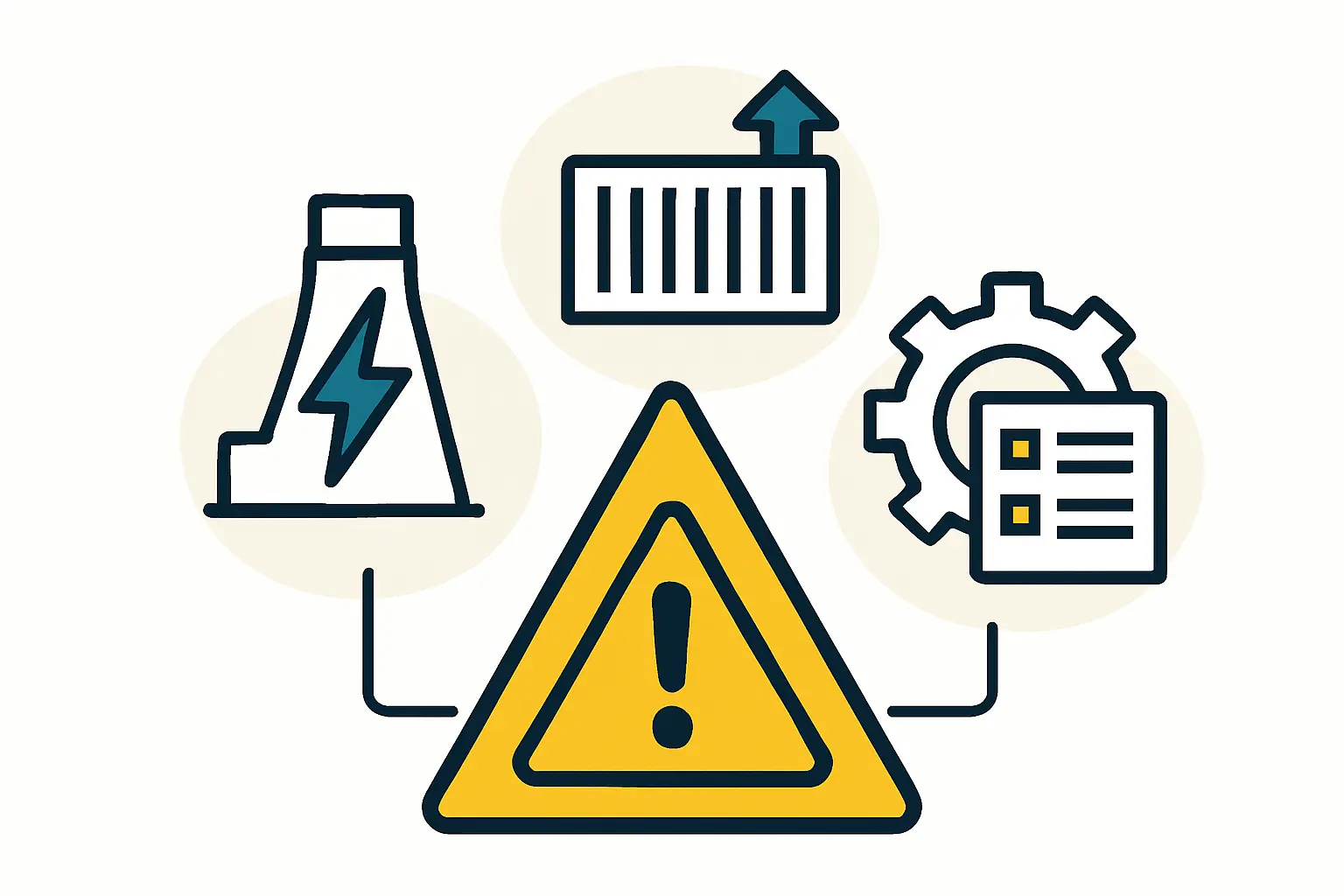
- Reliable Power: Connection to the national grid, often supported by dedicated substations to ensure stable electricity—critical for sensitive manufacturing equipment.
- Water and Wastewater: A consistent supply of treated water and a central wastewater treatment facility that meets environmental standards.
- Connectivity: Paved access roads within the park and fiber optic internet connections.
An investor setting up on raw land elsewhere would have to fund these critical systems independently—a process that can cost millions of dollars in upfront costs and cause months of project delays.
Fiscal Incentives
To further encourage investment, the Ethiopian government offers a robust package of incentives for businesses operating within industrial parks. Common incentives include:
- Income Tax Holidays: Exemption from corporate income tax for up to 10 years, depending on the sector and export focus.
- Duty-Free Imports: Exemption from customs duties and taxes on the import of capital goods, construction materials, and raw materials needed for production.
These incentives directly improve a project’s profitability and shorten the payback period on the initial investment.
The Operational Advantage: Beyond Just Land
The benefits extend well beyond financial considerations. The IPDC model is designed to create a highly efficient operational environment.
‘One-Stop-Shop’ Services
The IPDC offers streamlined administrative services within the parks. This ‘one-stop-shop’ helps investors process business licenses, import/export permits, work visas, and customs clearance directly on-site, drastically reducing bureaucratic delays and allowing management to focus on production rather than administrative hurdles.
Logistics and Connectivity
Many of Ethiopia’s key industrial parks, including Adama, are strategically located along the Addis Ababa-Djibouti railway corridor. This modern electric railway provides a vital, cost-effective logistics link to the Port of Djibouti, the primary gateway for international trade. For a solar module factory, this connection is essential for importing raw materials like solar cells and glass and for exporting finished products to regional or global markets.
Access to Labor
The parks are often situated near major cities and universities, offering access to a young, educated, and trainable workforce. This proximity facilitates recruitment and helps ensure a sustainable supply of labor for factory operations.
Practical Steps for an Investor
For an investor, the process of establishing a factory in an Ethiopian industrial park is designed to be methodical and transparent.
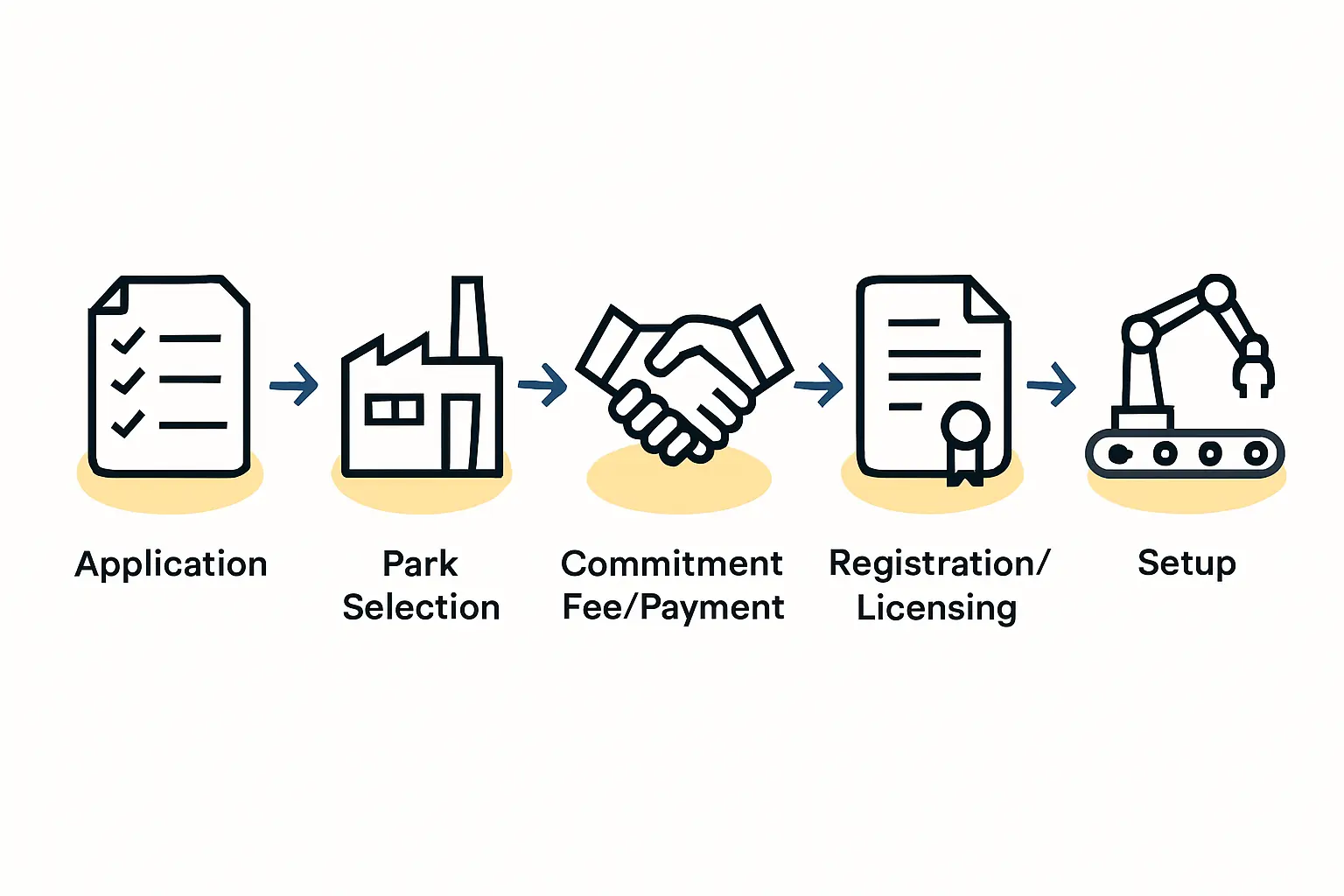
- Initial Engagement: The first step is to contact the IPDC with a project proposal outlining the nature of the manufacturing activity, space requirements, and utility needs.
- Site Selection: The IPDC will recommend suitable locations within specialized parks based on the project’s requirements.
- Lease Agreement: Once a site is selected, a formal lease agreement is negotiated and signed, securing the land for the agreed-upon term.
- Factory Planning & Construction: With the land and infrastructure secured, the focus shifts to the facility itself. This stage involves creating an efficient solar factory layout design that optimizes material flow and production capacity. A detailed plan for constructing the building and installing production machinery follows.
- Implementation: Many investors entering a new industry find that procuring and integrating equipment can be complex. Some opt for a complete turnkey production line to ensure all machinery works together seamlessly and to accelerate the start of production.
This entire process, from initial planning to final commissioning, should be guided by a robust financial and operational model. Developing a structured business plan is essential for securing financing and ensuring every aspect of the project is accounted for. Based on experience from J.v.G. turnkey projects, having this comprehensive plan is a critical factor for success.
Frequently Asked Questions (FAQ)
What is the typical duration of a land lease in an Ethiopian Industrial Park?
The standard lease term is long, typically between 60 and 80 years, which provides investors with the security needed for long-term planning and capital investment.
Are the lease rates fixed for the entire term?
While the initial rates are fixed for a significant period, lease agreements may include provisions for periodic reviews. However, the framework is designed for predictability and stability.
Can a foreign company have 100% ownership of its factory in an industrial park?
Yes, Ethiopia’s investment laws permit 100% foreign ownership for businesses in priority sectors like manufacturing, especially for those operating within industrial parks and focusing on exports.
What are the main differences between setting up in an IP versus on private land outside a park?
The primary differences are infrastructure, bureaucracy, and incentives. An industrial park offers ready-made, high-quality infrastructure and a ‘one-stop-shop’ for administrative support—something an investor on private land must manage independently. Furthermore, the most attractive fiscal incentives are often tied to operating within these designated zones. Setting up outside a park may offer more flexibility, but it comes with significantly higher upfront investment costs and greater logistical and bureaucratic challenges.
Ethiopia’s industrial park strategy offers a clear and compelling solution to many of the foundational challenges of establishing a manufacturing facility in an emerging market. By providing land, essential infrastructure, and administrative support within a single, cost-effective framework, it frees entrepreneurs to concentrate on their core business. For those looking to enter the solar manufacturing sector in Africa, this model presents a de-risked and highly efficient pathway to market entry.
Access the downloadable PDF about industrial park land leases in Ethiopia.