Entrepreneurs considering the solar manufacturing sector often focus on machinery and capital. Yet a critical and frequently underestimated factor is the availability and skill of the local workforce. For a prospective solar module factory in Honduras, the question is not simply whether people are available, but whether they possess the foundational discipline for a high-precision manufacturing environment. The answer, rooted in the country’s established industrial base, is surprisingly positive.
Honduras’s industrial corridors, particularly around San Pedro Sula and Villanueva, are home to a deeply established manufacturing culture. While shaped primarily by the textile and maquiladora industries, this culture provides a robust foundation of semi-skilled labor well-suited to solar module assembly.
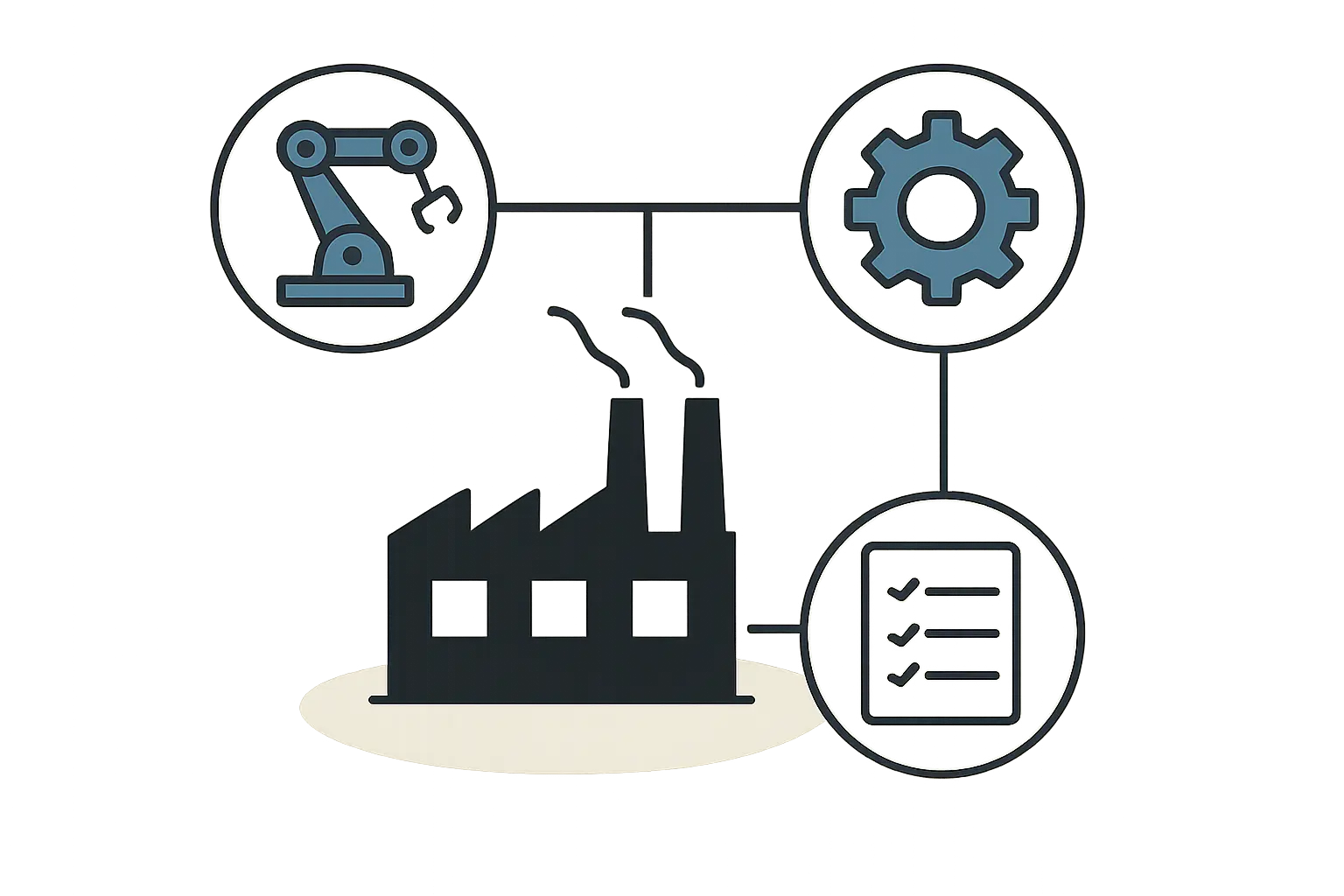
The Industrial Landscape: A Foundation for Growth
Honduras also has a compelling demographic profile for new industrial ventures. With a median age of just 24.4 years, the country has over 500,000 young people entering the labor market annually, creating a large and dynamic talent pool.
The dominant force in these industrial regions is the maquiladora sector. Decades of operation have cultivated a workforce that is:
- Accustomed to assembly line discipline, understanding the rhythm, structure, and demands of a modern production line.
- Familiar with shift work, since multi-shift operations are standard and allow for greater factory output and flexibility.
- Trained in basic quality control, with experience following protocols and meeting the quality standards at the core of any manufacturing operation.
This industrial ecosystem ensures that a new solar enterprise would not be starting from scratch. It can build upon a workforce that already possesses the essential soft skills of manufacturing.
Transferable Skills from Existing Industries
At first glance, assembling garments and manufacturing solar modules seem entirely different. Yet, the core competencies an operator needs overlap significantly. The manual dexterity honed in the textile industry, for example, is directly applicable to the delicate tasks of solar module production.
Key transferable skills include:
- Hand-eye coordination, essential for manually placing solar cells, bussing, and inspection.
- Attention to detail, as the ability to spot minor defects in fabric translates well to identifying microcracks in cells or lamination imperfections.
- Proficiency with repetitive tasks, since much of module assembly involves performing precise actions consistently over a full shift.
This background significantly shortens the initial training curve. Instead of teaching the fundamentals of factory work, training can focus immediately on the technical requirements of solar module production.
Evaluating Technical Aptitude for Solar-Specific Roles
A standard 20–50 MW solar module factory requires operators for several key stages, each with its own skill set. The Honduran labor pool shows strong potential for training in these areas:
Ready to make big Profits?
The solar Industry is Booming
WE HELP NEWCOMERS to the solar industry start their own solar module production line. Customers can make BIG PROFITS by selling modules and finding investors, without wasting money and time on things they don't need!
Stringer Machine Operators
This role involves overseeing the automated soldering of solar cells into strings. Operators must be able to load materials, monitor the machine, and perform basic troubleshooting. The required attention to detail and process-oriented mindset are common among experienced manufacturing workers.
Layup and Lamination Technicians
This manual stage requires careful handling and placement of materials (glass, EVA, cells, backsheet). The dexterity developed in maquiladora work is a direct asset here. Lamination itself is a machine-tending role, requiring operators to follow strict process parameters.
Quality Control Inspectors
Effective quality control is paramount for producing bankable solar modules. Workers experienced in textile quality checks—spotting flaws in stitching or material—can be trained to perform visual inspections and operate testing equipment like sun simulators and EL testers.
The general labor requirements for a solar factory can be met by upskilling this existing workforce. From a business perspective, labor costs are also a significant advantage. The minimum wage in the Honduran manufacturing sector is approximately HNL 12,377.85 (around USD 500) per month, making the country a competitive location for labor-intensive assembly.

Bridging the Skills Gap Through Structured Training
While the foundation is strong, a ready supply of technicians with direct solar experience is unlikely. The crucial step is implementing a comprehensive, structured training program—a standard component of setting up any new factory in an emerging market.
Institutions such as the National Institute of Professional Formation (INFOP) in Honduras provide a framework for vocational training and can often partner with new industries to develop tailored programs. Based on experience from J.v.G. turnkey projects, the most effective approach combines:
- Classroom instruction covering the fundamentals of photovoltaic technology and safety protocols.
- Hands-on equipment training led by engineers from the machinery supplier, ensuring operators learn on the exact equipment they will use.
- On-the-job mentorship, pairing new hires with experienced trainers during the initial production ramp-up.
This structured approach transforms a workforce with general manufacturing skills into a team of capable solar module technicians.
Potential Challenges and Strategic Considerations
Despite the opportunities, a realistic assessment must also acknowledge potential challenges.
- Supervisory Talent: While operators are highly trainable, finding experienced production managers and engineers with a background in electronics or solar manufacturing may require a broader search or initial expatriate hires.
- Upskilling Investment: Businesses must budget for a dedicated training period before the factory becomes fully productive.
- Labor Relations: While union activity is more common in other sectors, establishing fair and transparent labor practices from the outset is key to building a stable and motivated workforce.
At the same time, the country’s high underemployment rate (estimated at around 60%) points to a vast pool of available labor—a significant advantage for any new employer.

Frequently Asked Questions (FAQ)
Q: Do we need to hire experienced solar technicians from abroad to run a factory in Honduras?
A: Hiring one or two experienced expatriate engineers for senior supervisory or technical management roles is common during the first one to two years. However, the vast majority of the workforce, including line supervisors and operators, can be recruited and trained locally.
Q: How long does it take to train a new operator for a specific task like cell stringing?
A: An operator can typically achieve basic proficiency for a single station, such as a stringer machine, within two to four weeks of intensive training. Reaching high efficiency and advanced troubleshooting skills may take several more months of on-the-job experience.
Q: What is the typical employee profile for a solar module assembly line?
A: The ideal candidate often has prior experience in a manufacturing environment (such as textiles or electronics assembly), demonstrates good hand-eye coordination, has strong attention to detail, and can follow standardized procedures consistently.
Q: Are local vocational schools in Honduras equipped to teach solar technology?
A: Currently, solar-specific curricula are rare in Honduras’s mainstream vocational system. The primary responsibility for training falls on the company itself, usually in close collaboration with the equipment provider who supplies the production line.
Conclusion: A Capable and Trainable Workforce
The Honduran labor pool, particularly within its established industrial corridors, offers a significant opportunity for investors in the solar manufacturing sector. This workforce is not a blank slate; it is a foundation of disciplined, experienced industrial labor.
While direct experience in photovoltaics is scarce, the core competencies in assembly, quality control, and production discipline are already in place. With a strategic investment in structured, on-site training—a standard part of any greenfield factory project—this workforce can be upskilled to meet the high standards of modern solar module manufacturing. The key to success lies not in finding ready-made solar experts, but in recognizing and developing the potential that already exists.