An entrepreneur has sourced a state-of-the-art solar module production line from Europe. With the shipment scheduled and the factory under preparation, the business plan hinges on a swift start to operations. However, the entire project is now at risk—not because of technology or financing, but due to one critical challenge: navigating customs clearance at the port of arrival.
This scenario is an all-too-common and costly reality for investors entering new industrial sectors in markets like Haiti. Importing specialized machinery is a significant logistical and financial hurdle. A misunderstanding of procedures, tariffs, or documentation can lead to major delays and budget overruns, compromising a new solar manufacturing venture before the first panel is produced. This guide outlines the customs process in Haiti for industrial equipment, helping investors anticipate challenges and plan effectively.
Understanding Haiti’s Customs Framework for Industrial Imports
The primary authority governing imports is Haiti’s General Customs Administration (Administration Générale des Douanes, AGD), and all commercial shipments must be processed through it. For an investor importing high-value capital goods like solar manufacturing equipment, the process is governed by two fundamental elements.
The first is the legal framework, primarily the Haitian Customs Code, which outlines all regulations, tariffs, and procedures. The second, and most critical, is the mandatory use of a licensed customs broker (commissionnaire en douane agréé). Attempting to navigate this process without a reputable, experienced local broker is not only impractical but also legally non-compliant. The broker acts as the official intermediary between the importer and the AGD, preparing and submitting the declaration and facilitating the clearance of goods.
Key Financial Considerations: Duties and Taxes
The final landed cost of machinery can be significantly higher than its purchase price once customs duties and taxes are applied. Understanding these costs is essential for accurate financial forecasting. Calculations are based on the “Customs Value” of the goods.
Calculating the Customs Value (CIF)
Haitian customs, like many jurisdictions, uses the CIF value to assess duties and taxes. This value is the sum of:
- Cost: The commercial invoice value of the equipment.
- Insurance: The cost of insuring the shipment to the port of entry in Haiti.
- Freight: The cost of shipping the equipment to Haiti.
The commercial invoice from the equipment supplier must be accurate and detailed, as it forms the primary basis for valuation.
Applicable Tariffs and Taxes
Once the CIF value is established, several charges are applied:
- Customs Duty (Droit de Douane): This tariff is determined by the equipment’s Harmonized System (HS) Code. Machinery for manufacturing solar modules typically falls under Chapter 84 or 85 of the tariff schedule. While rates vary, duties on industrial machinery are common.
- Value Added Tax (TCA): The Taxe sur le Chiffre d’Affaires (TCA) is Haiti’s VAT. It is applied to the CIF value plus the customs duty. The standard rate must be factored into project costs unless a specific exemption is secured.
- Other Fees: Various smaller administrative and verification fees may be applied during the clearance process.
Properly budgeting for these costs is a core component of a realistic analysis of solar factory investment requirements. An oversight here can strain project capital unexpectedly.
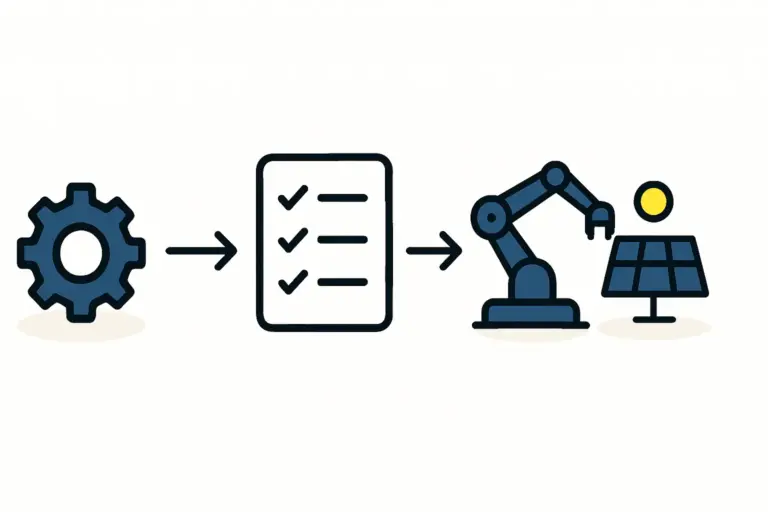
The Critical Path: The Importation Process Step-by-Step
While a customs broker manages the specifics, an investor should understand the timeline and documentation requirements to ensure a smooth process.
Ready to make big Profits?
The solar Industry is Booming
WE HELP NEWCOMERS to the solar industry start their own solar module production line. Customers can make BIG PROFITS by selling modules and finding investors, without wasting money and time on things they don't need!
- Pre-Shipment Documentation: Before the equipment leaves its port of origin, a complete set of accurate documents must be prepared. This includes the Commercial Invoice, Packing List, Bill of Lading (or Air Waybill), Certificate of Origin, and detailed technical specifications for the machinery. A supplier of a turnkey solar production line should provide this as a standard part of their service.
- Arrival and Declaration: Upon the vessel’s arrival in Haiti, the customs broker uses the shipping documents to lodge a formal customs declaration, typically through Haiti’s electronic system, SYDONIA++.
- Inspection and Valuation: The AGD has the right to physically inspect the shipment to verify that its contents match the declaration. Customs officials will also review the declared value to ensure it aligns with market realities. Disputes over valuation are a common source of delays.
- Payment of Duties and Taxes: Once the declaration is accepted and the final amount assessed, the calculated duties and taxes must be paid.
- Release of Goods: After payment is confirmed and all inspections are complete, the AGD issues a release order, permitting the equipment to be moved from the port to the factory site.
Based on experience from J.v.G. turnkey projects, building a buffer of several weeks into the project plan is wise to account for potential delays, especially concerning inspection and valuation.

Strategic Advantage: Leveraging Investment Incentives and Exemptions
For new industrial projects, particularly in priority sectors like renewable energy, the Haitian Investment Code offers significant incentives. These can include a full or partial exemption from customs duties and TCA on imported capital goods like production machinery.
Securing these exemptions is not automatic. It requires a formal application process managed through the Center for Facilitation of Investments (Centre de Facilitation des Investissements, CFI). To be certified as a priority investment, the investor must submit a detailed business plan and meet specific criteria.
The process involves:
- Submitting a formal application to the CFI well in advance of the equipment’s shipment.
- Providing comprehensive details about the project, including its economic impact and job creation potential.
- Receiving an official decree or authorization granting the fiscal incentives.
This authorization must be presented to the AGD during the customs declaration process. Obtaining these exemptions can dramatically reduce the initial capital outlay and improve the project’s overall financial viability.
Common Pitfalls and How to Mitigate Them
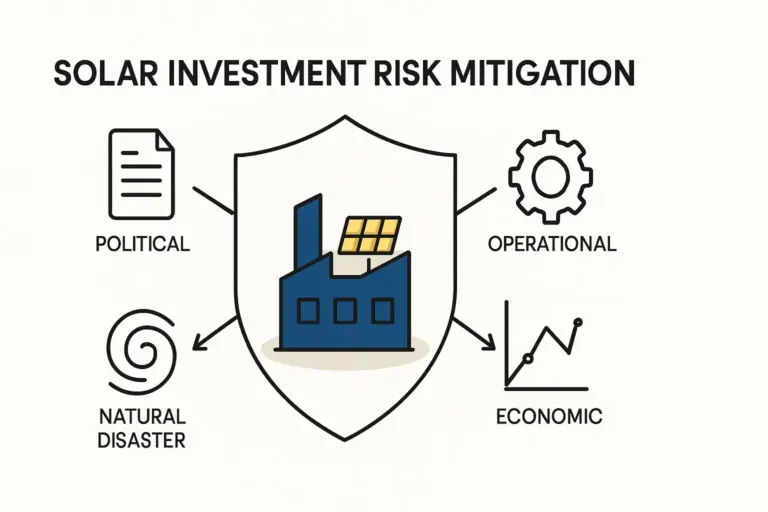
Navigating the import process presents several challenges that can be mitigated with careful planning.
- Incorrect HS Code Classification: Using the wrong code can result in higher-than-necessary tariffs.
Mitigation: Work with an experienced customs broker who understands the classification for specialized industrial machinery. - Documentation Errors: Incomplete or inconsistent information on the commercial invoice or bill of lading will immediately draw scrutiny from customs officials.
Mitigation: Double-check all documents for accuracy before shipment and ensure the supplier understands the level of detail required. - Valuation Disputes: Customs may challenge the declared value if it seems too low, leading to lengthy reassessments.
Mitigation: Be prepared to provide supporting documentation, such as proof of payment or supplier contracts, to justify the invoice value. - Unexpected Port Fees: Delays in clearance can lead to mounting demurrage (container rental) and port storage charges.
Mitigation: Initiate the customs process as early as possible and factor potential storage fees into the project’s contingency budget.
Frequently Asked Questions (FAQ)
How long does the customs clearance process typically take in Haiti?
While it can sometimes be completed in one to two weeks, it is prudent to plan for three to six weeks. This accounts for potential administrative delays, physical inspections, or public holidays that can impact port operations.
Can an importer handle the customs process himself to save costs?
No. Haitian law mandates that all commercial imports be handled by a licensed customs broker. This is a non-negotiable legal requirement.
What is the single most important document for a smooth import process?
The Commercial Invoice is the most critical document. Its accuracy in describing the goods, stating their origin, and reflecting the true transaction value is the foundation of the entire customs declaration. Any discrepancy can halt the process immediately.
Are there special considerations for used or refurbished equipment?
Yes. Importing used machinery can be more complex, and customs officials will scrutinize its valuation very carefully. It may be necessary to provide an independent third-party valuation report to justify the declared price and avoid disputes.
Conclusion: Planning for a Successful Importation
Importing solar manufacturing equipment into Haiti is a manageable process when approached with diligence, professional support, and foresight. Success is not determined at the port of arrival but months in advance through meticulous planning.
Key steps include engaging a qualified customs broker early, ensuring all documentation is flawless, understanding the full scope of duties and taxes, and proactively pursuing available investment incentives. By treating customs and logistics as a core strategic component of the project—equal in importance to technology and finance—an entrepreneur can navigate this critical phase efficiently and set their new venture on a firm path to success.