For entrepreneurs entering the solar module manufacturing industry, the initial focus often falls on machinery and factory layout. Yet an equally critical, and perhaps more complex, decision lies in your supply chain strategy: should you source components locally or import them from international markets?
This choice will fundamentally shape your operational efficiency, cost structure, and product quality.
Using South Korea as a case study—a nation with a robust domestic solar industry and close ties to the global market—this article examines the strategic factors that should guide your sourcing decisions. While our example is specific, the principles discussed apply to any new manufacturing venture, regardless of location.
The Strategic Importance of a Component Supply Chain
A solar module is an assembly of precisely engineered parts, and the reliability of your final product hinges on the quality and consistency of these individual materials. A single weak link in the supply chain can lead to production delays, quality control issues, and ultimately, reputational damage.
The core materials required for a standard crystalline silicon module include:
- Silicon wafers and solar cells
- Solar glass
- Encapsulant films (EVA or POE)
- Backsheets or a second pane of glass
- Aluminum frames
- Junction boxes with diodes and cables
Securing a reliable supply of these solar panel components is more than a procurement task; it’s a cornerstone of your business strategy.
A Case Study: South Korea’s Advanced Solar Landscape
South Korea offers a compelling case study of the local vs. import dynamic. Driven by ambitious government targets like the ‘Renewable Energy 3020 Plan,’ the country has cultivated a sophisticated domestic solar manufacturing ecosystem.
-
Established Domestic Players: The nation is home to globally recognized companies. OCI is a major producer of polysilicon, the raw material for silicon wafers. Hanwha Solutions (formerly Hanwha Qcells) and Shinsung E&G are significant module manufacturers with strong R&D capabilities.
-
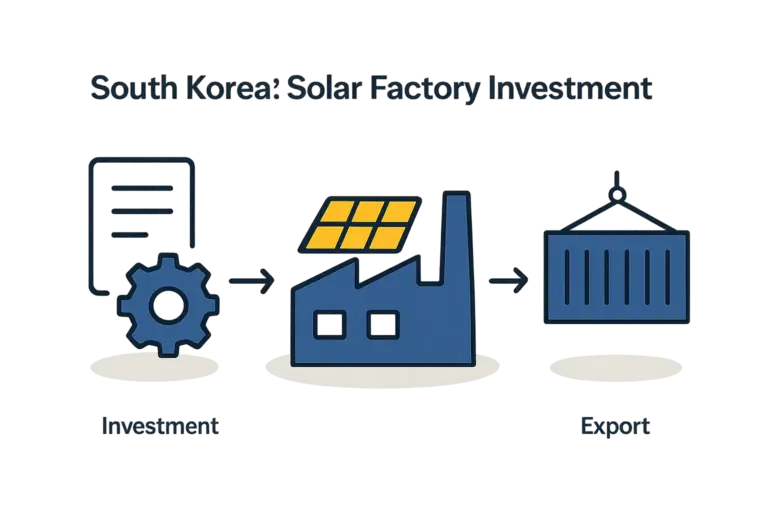
Trade Dynamics: Despite this domestic strength, South Korea remains a major importer of solar cells and wafers, primarily from China. This is largely driven by the immense scale and cost advantages of Chinese producers. At the same time, Korea is a significant exporter of finished solar modules, prized for their quality and technological innovation.
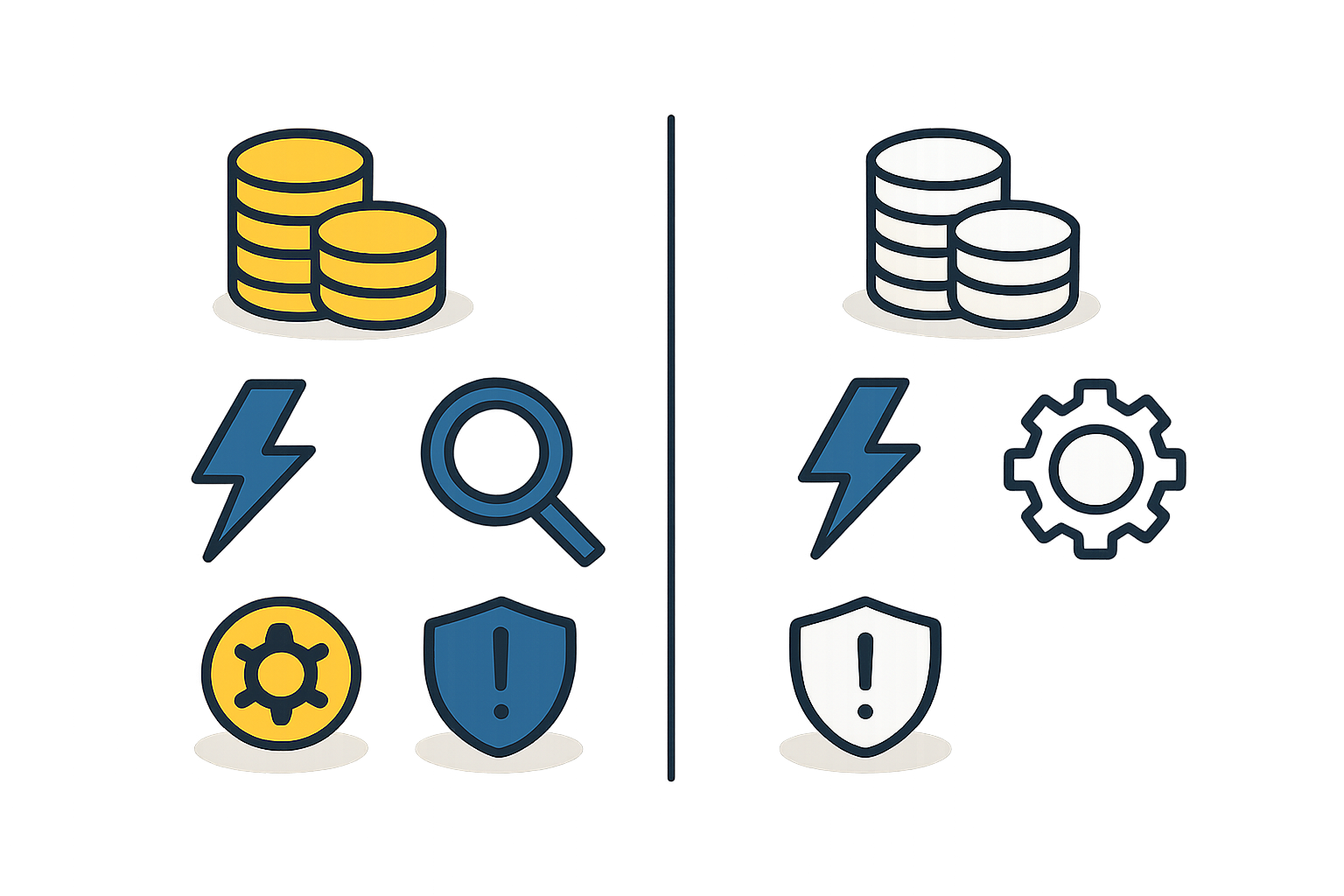
Ready to make big Profits?
The solar Industry is Booming
WE HELP NEWCOMERS to the solar industry start their own solar module production line. Customers can make BIG PROFITS by selling modules and finding investors, without wasting money and time on things they don't need!
This dual reality—a strong local industry coexisting with heavy reliance on certain imported components—highlights the strategic trade-offs every manufacturer must consider.
The Case for Local Sourcing
Sourcing components from within your own country or region offers several key operational advantages. For a new manufacturer in a market like South Korea, leveraging domestic suppliers can be a powerful strategy.
Advantages of Local Sourcing
-
Superior Quality Control: Proximity makes it easier to vet suppliers, conduct factory audits, and collaborate in person. You can resolve technical issues or quality deviations quickly, avoiding the delays of international communication and shipping.
-
Reduced Logistical Complexity: Local sourcing dramatically shortens lead times. This reduces the amount of working capital tied up in inventory and minimizes the risk of damage during long-distance transit. It also simplifies customs and import procedures.
-
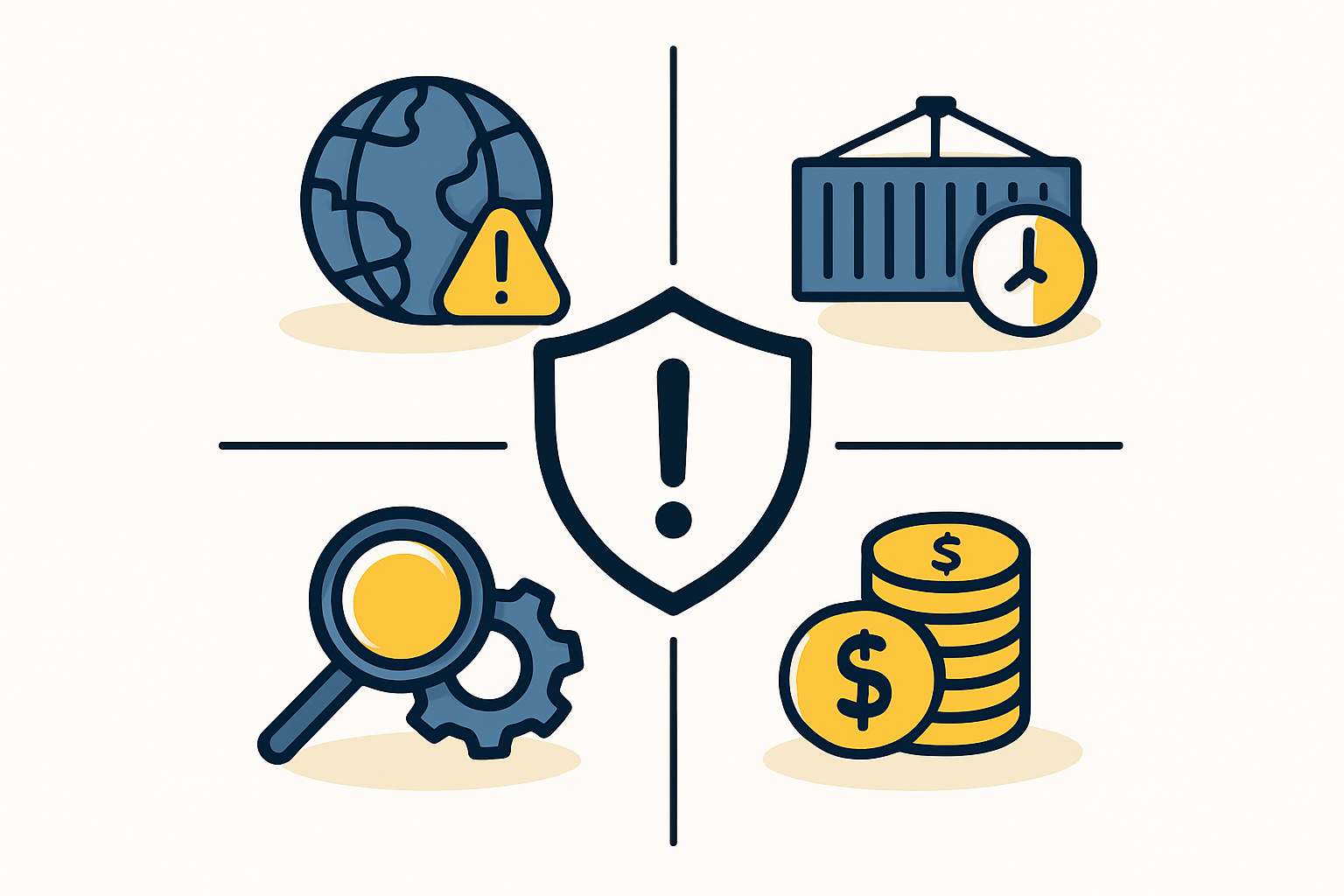
Enhanced Supply Chain Resilience: A local supply chain is less vulnerable to global disruptions, such as port congestion, geopolitical tensions, or volatile international shipping costs. This creates a more predictable and stable production environment.
-
Support for the National Economy: In many regions, there are government incentives or market preferences for products with a high percentage of local content. This can be a significant commercial advantage.
The Rationale for Importing Components
While local sourcing provides stability, importing from global manufacturing hubs offers compelling financial and technological benefits that are difficult to ignore.
Advantages of Importing
-
Cost Competitiveness: The primary driver for importing is often cost. Suppliers in countries like China have achieved unparalleled economies of scale, allowing them to offer components at prices that local producers may struggle to match. This directly impacts the final solar panel manufacturing plant cost and the price-competitiveness of your modules.
-
Access to a Wider Selection: The global market offers a vast array of component options from numerous suppliers. This allows manufacturers to select parts with the specific technical characteristics, performance tiers, and price points that best suit their product strategy.
-
Cutting-Edge Technology: Major international suppliers are often leaders in technological innovation. Importing can provide faster access to the latest advancements in cell efficiency or material science, which can be a key differentiator in the market.
Developing a Hybrid Strategy: The Optimal Approach
The most effective supply chain strategy is rarely a simple ‘either/or’ choice between local and imported. Successful manufacturers typically adopt a hybrid approach, strategically blending both options to balance cost, quality, and risk.
A practical hybrid model could involve:
-
Sourcing critical, high-tech components locally. For example, purchasing high-efficiency solar cells or specialized glass from a reputable domestic supplier where quality and technical collaboration are paramount.
-
Importing commoditized, standard components. Items like aluminum frames, junction boxes, and standard backsheets, where cost is the primary driver and quality specifications are easily verified, can be sourced from competitive international suppliers.
Based on experience from J.v.G. turnkey projects, this balanced approach helps a new enterprise mitigate risks while managing costs effectively. This is a core part of planning a turnkey solar manufacturing line, with supplier qualification integrated directly into the project plan.
Key Factors for Your Decision-Making Framework
As you formulate your sourcing strategy, consider these business-critical factors:
-
Production Scale: A smaller-scale operation (e.g., 20-50 MW per year) may benefit from the simplicity and lower working capital requirements of local sourcing. In contrast, a gigawatt-scale factory may need the volume and cost structure that only global suppliers can provide.
-
Target Market Requirements: Does your target market have ‘Made in [Country]’ preferences or local content rules? Are there specific certifications required that are more easily met with components from a particular region?
-
Financial Resources: Importing often requires payment upfront and ties up capital for weeks or months during shipping. Local sourcing with ‘just-in-time’ delivery can significantly ease cash flow pressures.
-
In-House Expertise: Managing a global supply chain with multiple international vendors requires significant logistical and quality assurance expertise. A new team may find it more manageable to start with a few trusted local partners.
Frequently Asked Questions About Solar Component Sourcing
What are the most critical components to source for a new solar module factory?
The most critical components for performance and longevity are the solar cells, encapsulant (EVA/POE), and backsheet/glass. The quality of these materials should be the highest priority in your sourcing strategy.
How much does shipping add to the cost of imported components?
This varies significantly based on distance, mode of transport (sea vs. air), and global freight rates. As a general estimate, logistics can add between 5% and 15% to the landed cost of a component. This does not include import duties or taxes.
Are Korean-made components higher quality than those from other regions?
Quality is determined by the individual supplier’s manufacturing standards, not their country of origin. However, established industrial economies like South Korea often have a strong culture of quality control and process engineering, which is reflected in the reputation of their leading brands. Thorough supplier audits are essential regardless of location.
Can a new manufacturer mix suppliers from different countries?
Yes, this is a common and recommended hybrid strategy. However, it requires a robust quality management system to ensure that all components are compatible and meet the required specifications for the final product certification (e.g., IEC 61215).
Building a Resilient and Efficient Supply Chain
Choosing between local sourcing and importing is not a one-time decision but an ongoing strategic process. Your optimal mix of suppliers will evolve with your company’s scale, market conditions, and technological advancements.
Mapping potential suppliers, conducting due diligence, and structuring a resilient supply chain are foundational elements of a comprehensive business plan. By carefully weighing the trade-offs between cost, quality, logistics, and risk, a new solar manufacturer can build a competitive advantage that supports long-term growth and profitability.