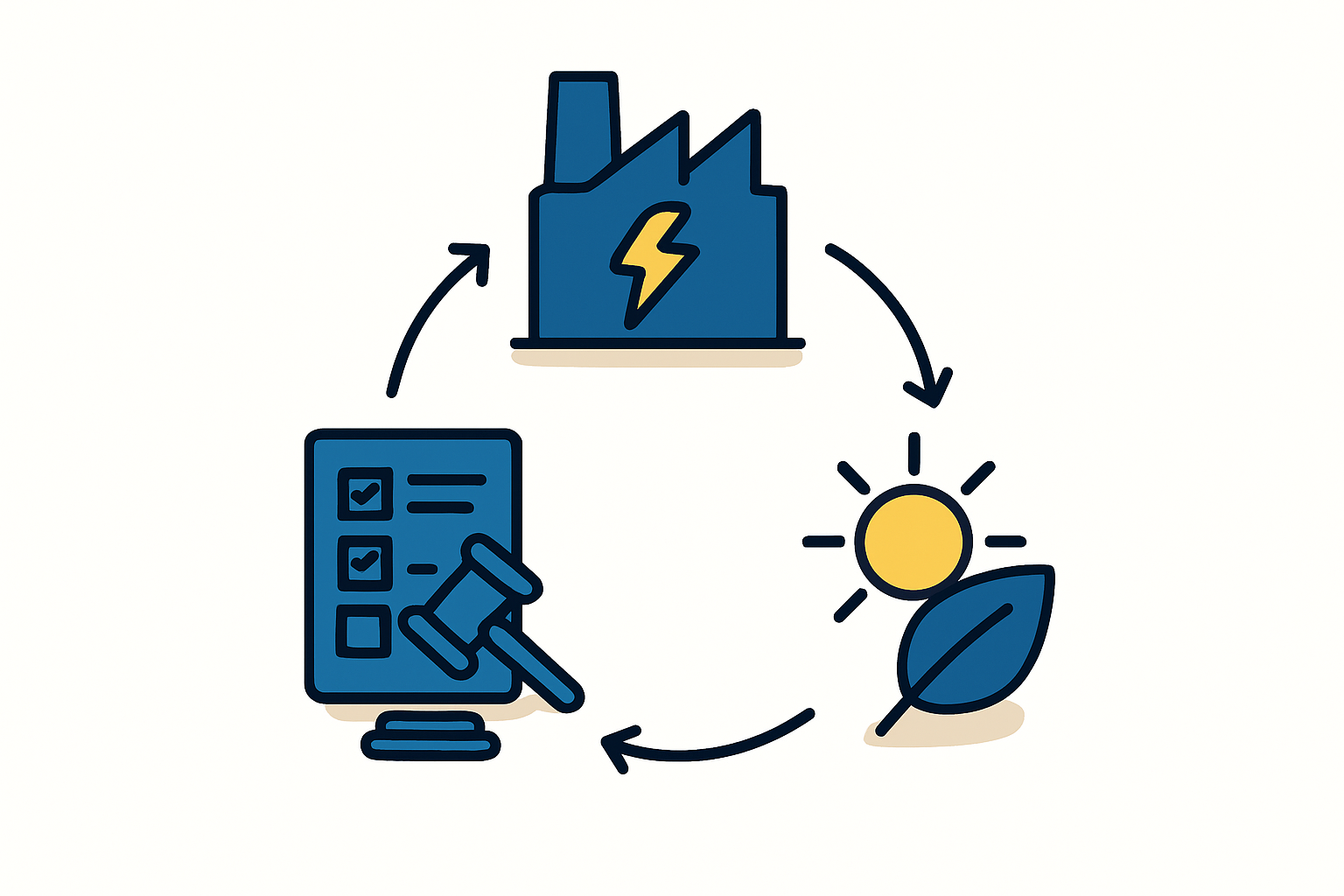
An entrepreneur recently likened entering South Korea’s solar market to discovering a high-speed train network—impressively efficient and government-backed, but with a complex timetable that requires careful study. It’s a fitting analogy. While the nation’s ambitious renewable energy targets create immense opportunities, success hinges on a methodical approach to its rigorous regulatory and environmental standards.
This guide provides a clear, step-by-step overview of the essential permits and compliance procedures for establishing a solar module factory in South Korea. It’s designed for business leaders who see the market’s potential but need a practical map to navigate its administrative landscape.
The Context: South Korea’s Ambitious Renewable Energy Goals
Understanding the regulatory environment begins with appreciating the national vision that drives it. South Korea’s ‘Renewable Energy 3020’ (RE3020) plan and its subsequent updates set a clear objective: to increase the share of renewable energy in the country’s power generation to 30.2% by 2030. This government-led initiative has fostered a stable and highly attractive market for solar manufacturing.
This rapid development is balanced, however, by a strong commitment to environmental protection and structured industrial growth. As a result, the government has established a clear, albeit demanding, process for approving new industrial facilities, including solar panel factories.
The Core Process: Obtaining a Factory Establishment Permit
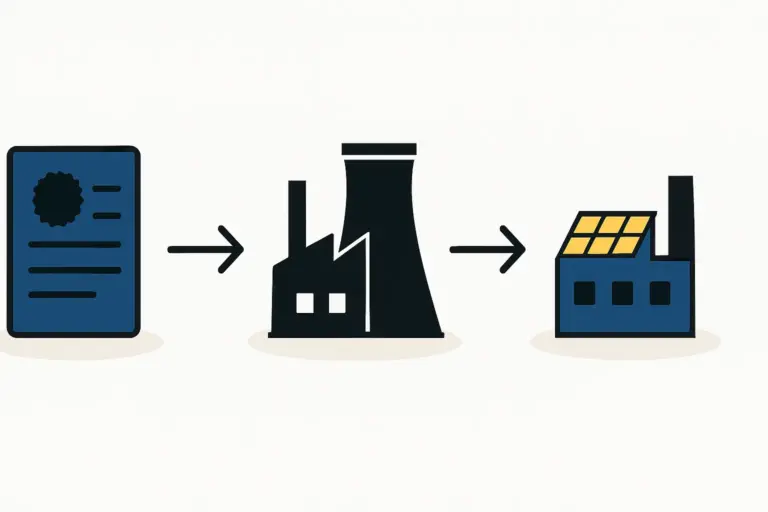
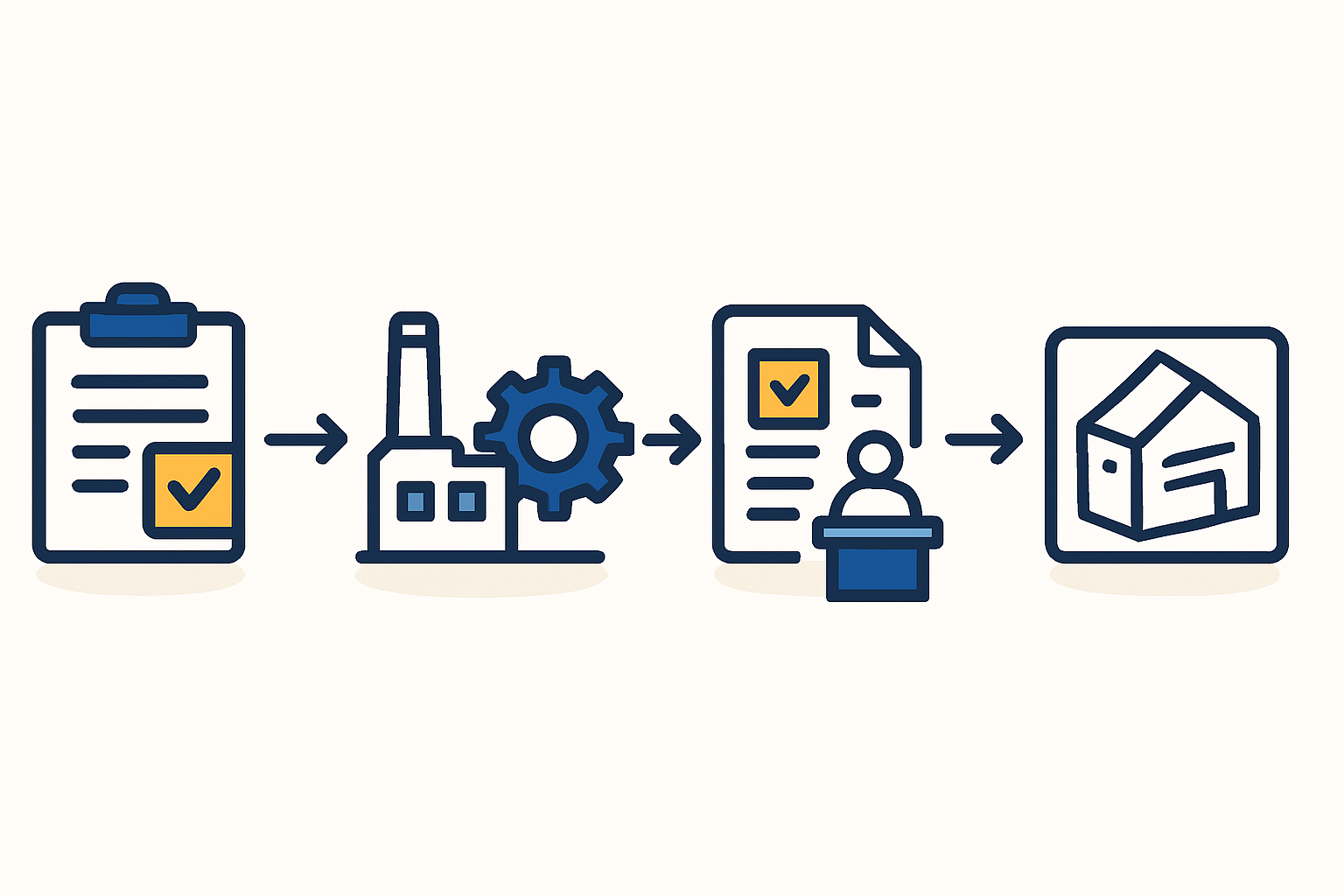
Setting up a manufacturing facility is governed primarily by the Factory Establishment Act. The process is managed by local government authorities (e.g., city or county offices) in coordination with national bodies like the Ministry of Trade, Industry and Energy (MOTIE). The journey from concept to operation follows four distinct stages.
Stage 1: Site Selection and Initial Application
The process begins with identifying a suitable location. South Korea has designated industrial complexes specifically zoned for manufacturing, which can often streamline the approval process. Once a potential site is chosen, an initial application is submitted to the relevant local government office. This step is critical, as a thorough site analysis is a cornerstone of How to Select the Ideal Location for Your Solar Panel Factory.
Stage 2: Factory Establishment Approval
After the initial application, the local authority conducts a comprehensive review of the business plan. This includes evaluating the factory layout, production processes, environmental protection measures, and compliance with local zoning laws. Based on our experience with J.v.G. turnkey projects, providing detailed and accurate documentation at this stage is the most critical factor in avoiding project delays. This approval typically takes 20 to 30 business days, assuming all documentation is in order.
Stage 3: Construction Permit
Once the factory establishment is approved, a separate construction permit must be obtained from the local construction authority. This permit focuses on the physical building itself, requiring detailed architectural, structural, and engineering plans that comply with South Korea’s building codes and safety standards. This step is distinct from securing business operating rights and is often handled in parallel.
Stage 4: Factory Registration and Operation
Once construction is complete, the facility undergoes a final inspection. If it meets all requirements from the approval stages, the local government issues a factory registration certificate. Only after this registration is complete can the factory officially commence manufacturing operations.
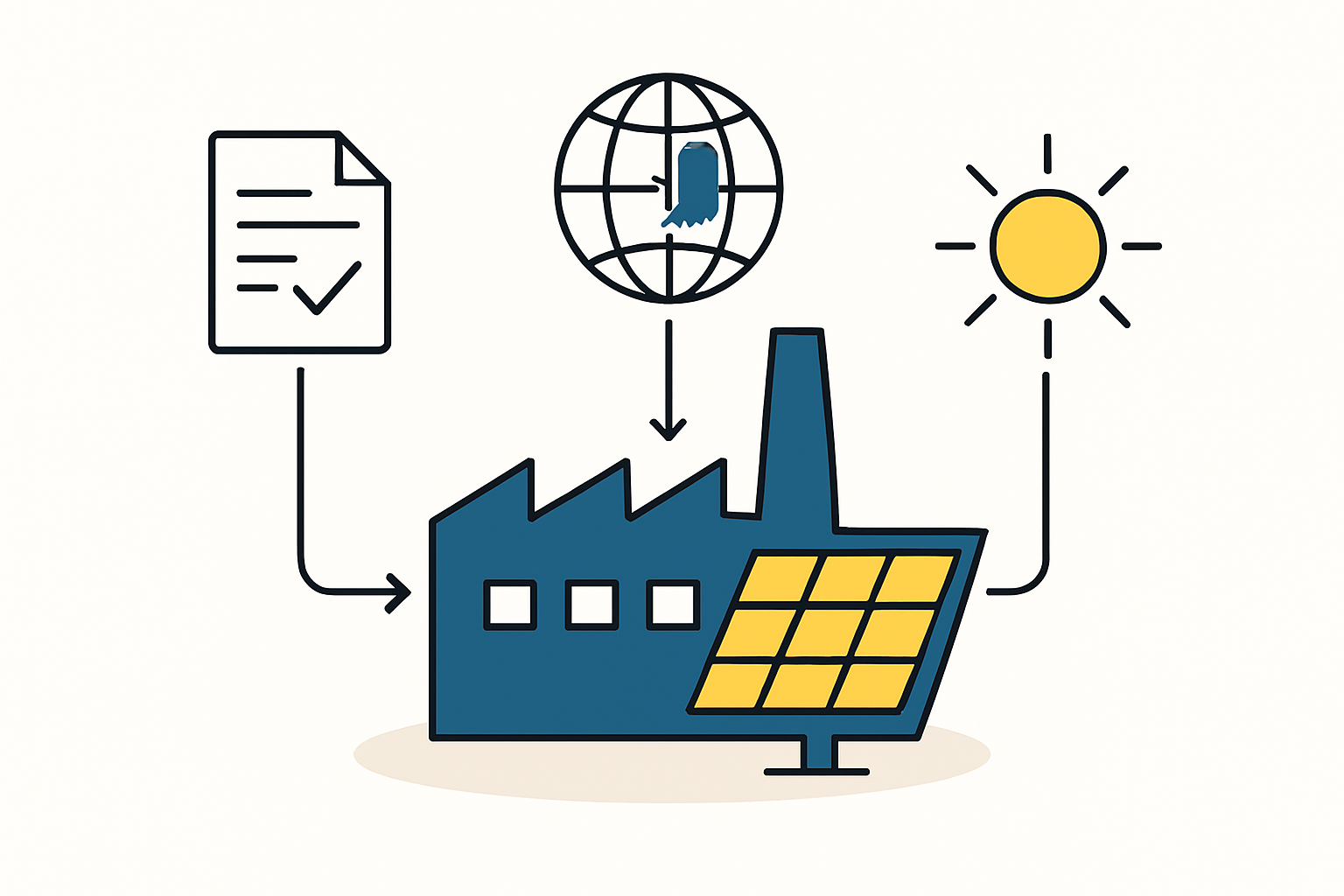
Ready to make big Profits?
The solar Industry is Booming
WE HELP NEWCOMERS to the solar industry start their own solar module production line. Customers can make BIG PROFITS by selling modules and finding investors, without wasting money and time on things they don't need!
Environmental Compliance: Navigating the Environmental Impact Assessment (EIA)
South Korea’s high population density and advanced industrial economy necessitate strict environmental controls. The Environmental Impact Assessment (EIA) Act, overseen by the Ministry of Environment (MOE), is the primary tool for ensuring new industrial projects do not adversely affect the surrounding area.
An EIA is a systematic process for predicting the environmental consequences of a proposed project before a decision is made to proceed. For a solar module factory, this involves assessing potential impacts on air quality, water resources, soil, and local ecosystems, as well as managing industrial waste.
The EIA process itself involves several stages:
-
Screening: First, authorities determine whether a project requires a full or a small-scale EIA. Projects covering a land area over 100,000 square meters, or those located in sensitive areas, almost always trigger a full EIA.
-
Scoping: The project owner, authorities, and public stakeholders collaborate to define the key environmental issues to be studied in the assessment.
-
Assessment and Reporting: A detailed study is conducted and a draft EIA report is prepared. This report outlines potential environmental impacts and proposes mitigation measures to minimize them.
-
Public Consultation and Review: The draft report is made available for public comment. The Ministry of Environment and other relevant agencies then conduct a formal review.
-
Final Approval: If the EIA report and the proposed mitigation strategies are deemed satisfactory, the MOE grants its approval, which is a prerequisite for final project authorization.
Common Challenges and Strategic Considerations
Entrepreneurs entering the South Korean market should be aware of several common challenges:
-
Bureaucratic Navigation: The process involves multiple government bodies at both national and local levels. A clear understanding of which agency is responsible for each permit is essential.
-
Land Use Regulations: Zoning laws are strict, particularly outside of pre-approved industrial parks. Early due diligence on land use restrictions is vital.
-
Public and Local Sentiment: While the national government supports renewable energy, local communities may raise concerns. Proactive community engagement and a transparent EIA process can help address these issues effectively.
While the national regulatory framework is consistent, its interpretation and enforcement can vary between provinces. This variation requires a localized approach that respects regional conditions, a key aspect of Navigating the Global Regulatory Landscape for Solar Manufacturing.
A Note on Investment and Timelines
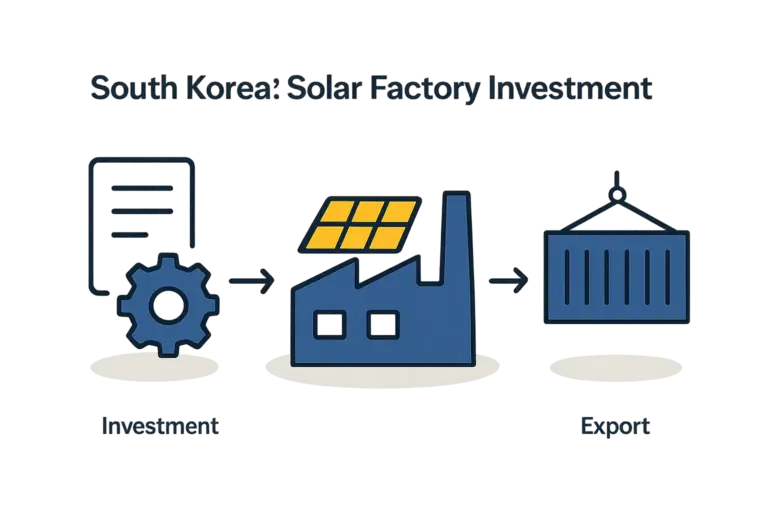
The permitting and compliance process directly impacts project timelines and budgets. Delays in securing approvals can postpone the start of construction, affecting capital expenditure and the timeline for generating revenue. A comprehensive budget must account for these regulatory phases, including the potential costs of environmental studies and local consultants. Factoring these variables into a financial model is explored in our guide on Understanding the Full Investment Required for a Solar Factory.
Frequently Asked Questions (FAQ)
How long does the entire permit and EIA process typically take?
The full timeline can range from 6 to 18 months, depending on the project’s scale, location, and whether a full Environmental Impact Assessment is required. Projects within designated industrial zones are often faster.
Is it necessary to hire a local consultant?
While not legally mandatory, it is highly advisable. Local consultants have the language skills, established relationships, and deep understanding of administrative nuances that are invaluable for navigating the Korean system efficiently.
What is the main difference between Factory Establishment Approval and a Construction Permit?
Factory Establishment Approval grants the right to operate a specific type of business (e.g., solar module manufacturing) at a specific location. The Construction Permit authorizes the construction of the physical building according to approved architectural and safety standards. Both are required.
Can a foreign-owned company establish a solar factory in South Korea?
Yes. South Korea’s Foreign Investment Promotion Act provides a clear legal framework for foreign investors. The government often provides support and incentives for investments in strategic sectors like renewable energy.
Conclusion: A Pathway to Successful Market Entry
Establishing a solar module factory in South Korea is a structured, demanding, but ultimately transparent process. The country’s commitment to its renewable energy goals provides a stable foundation for investment, while its rigorous regulatory framework ensures that growth is sustainable.
These insights are drawn from the practical experience of J.v.G. Technology GmbH in guiding clients through complex international projects. By understanding the key stages, anticipating challenges, and preparing thoroughly, entrepreneurs can navigate this landscape successfully. This structured approach ensures that even those without a background in Korean administrative law can build a successful manufacturing operation and contribute to one of Asia’s most dynamic solar markets.