Sourcing Skilled Labor for Solar Manufacturing in Lithuania
Entrepreneurs considering a new solar module manufacturing venture often focus first on machinery, financing, and facility planning. Yet experience from numerous turnkey projects shows that the most critical asset—and potential bottleneck—is human capital. Without a skilled team of engineers and technicians, even the most advanced production line will fail to meet its quality and efficiency targets.
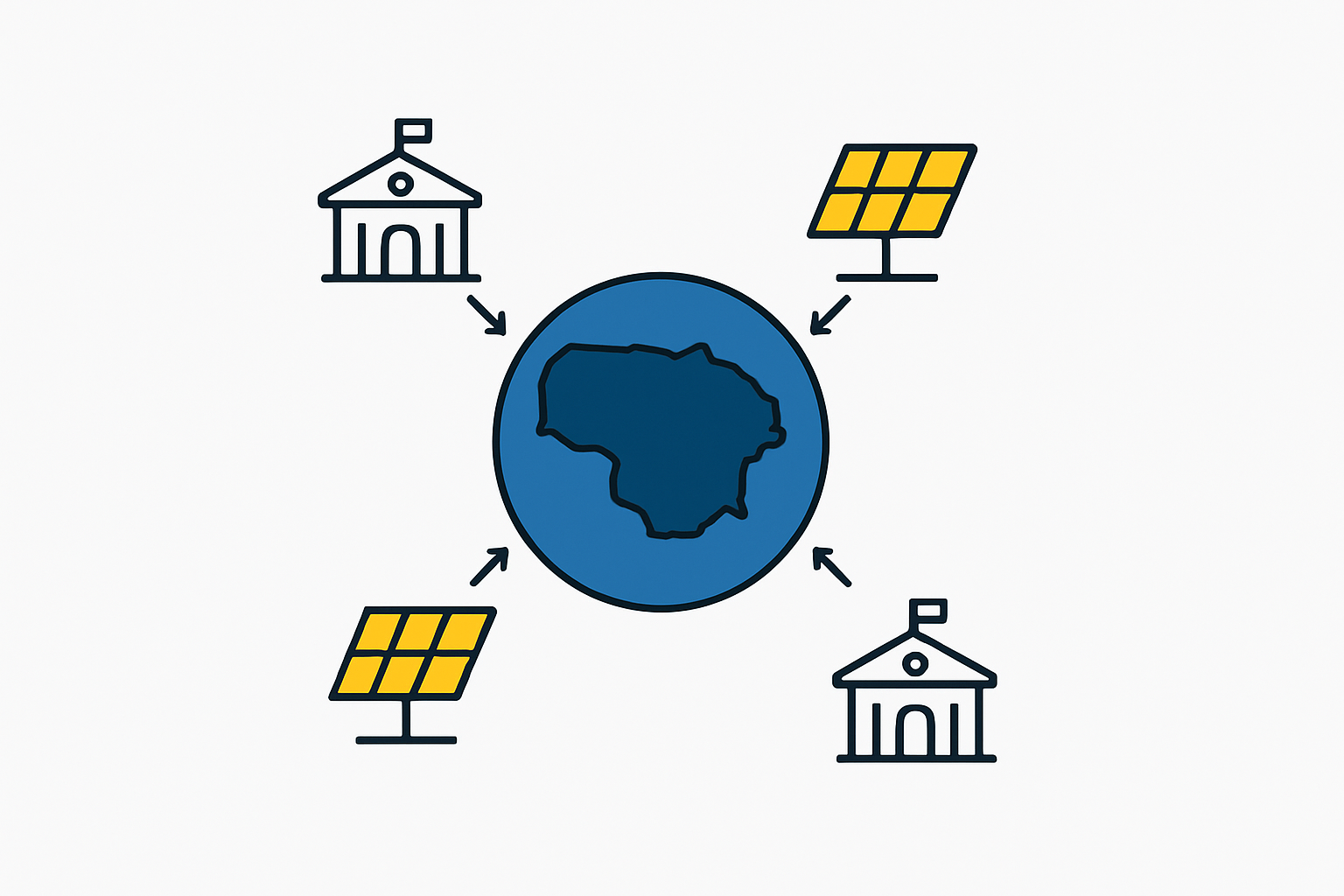
Lithuania, a member of the European Union, presents a compelling but often overlooked option for sourcing this essential talent. While not traditionally seen as a manufacturing powerhouse, the country has a robust educational infrastructure that yields a steady stream of technically proficient professionals. This analysis offers prospective investors a clear overview of how that infrastructure can supply a solar manufacturing facility.
The Lithuanian Advantage: A Foundation of Technical Expertise
Lithuania’s economic success is built on a well-educated workforce with a strong tradition in engineering and the precise sciences. This foundation has allowed the country to become a European leader in sectors like biotechnology and laser technology, which demand skill sets similar to advanced manufacturing.
For an investor planning a solar module manufacturing line, this foundation translates into several key advantages:
- High Educational Standards: Lithuanian technical universities and vocational centers are aligned with EU standards, ensuring a high standard of competence.
- Strong Work Ethic: The workforce is known for its discipline and aptitude for problem-solving.
- English Proficiency: English proficiency is high among the younger generation of engineers and technicians, simplifying communication within an international team.
Sourcing Engineers: A Look at Lithuania’s Technical Universities
Engineers are the intellectual core of a solar factory. They design processes, ensure quality, maintain complex machinery, and drive continuous improvement. Two primary Lithuanian universities are central to sourcing this level of talent.
Kaunas University of Technology (KTU)
As one of the largest technical universities in the Baltic States, KTU is a primary source for engineering talent. Its strong focus on research and collaboration with industry means graduates have both theoretical knowledge and practical skills.
Relevant Faculties and Specializations:
- Faculty of Electrical and Electronics Engineering: Produces graduates skilled in automation, control systems, and power electronics—all vital for managing the sophisticated equipment in a solar factory.
- Faculty of Mechanical Engineering and Design: Graduates are well-versed in mechanical systems, robotics, and production line design.
- Faculty of Chemical Technology: Provides expertise in materials science, which is critical for understanding the lamination process and the long-term durability of solar modules.
A typical KTU engineering graduate enters the workforce with a solid foundation for roles like process, quality assurance, or maintenance engineer.
Vilnius Gediminas Technical University (VILNIUS TECH)
Located in the capital city, VILNIUS TECH has a strong reputation for producing engineers who can bridge the gap between mechanical, electronic, and information systems.
Ready to make big Profits?
The solar Industry is Booming
WE HELP NEWCOMERS to the solar industry start their own solar module production line. Customers can make BIG PROFITS by selling modules and finding investors, without wasting money and time on things they don't need!
Relevant Faculties and Specializations:
- Faculty of Mechanics & Transport Engineering: Offers programs in Mechatronics and Robotics, producing specialists who can operate and troubleshoot highly automated production lines.
- Faculty of Electronics: Graduates are skilled in electronics and automation systems, which are fundamental to the operation of key machines like stringers and laminators.
Hiring engineers from these institutions provides the technical leadership necessary to run a modern turnkey solar factory.
The Backbone of Production: Vocational Education and Training (VET) Centers
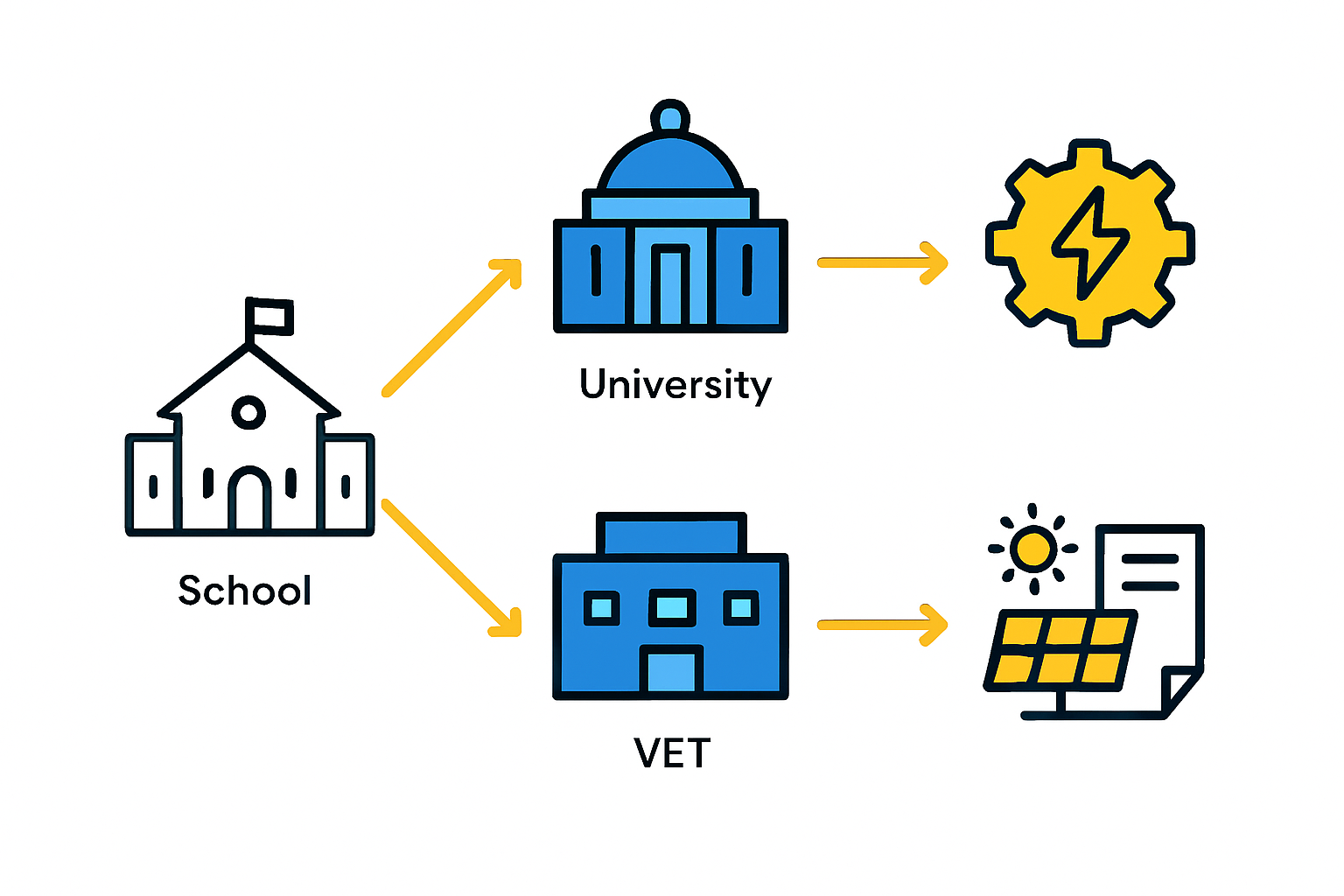
While university-educated engineers manage strategy and oversight, the daily operation of a production line depends on skilled technicians and operators. Lithuania’s Vocational Education and Training (VET) system is designed to produce these essential hands-on professionals.
Trained for specific and practical roles, these professionals are indispensable for machine operation, routine maintenance, and quality control.
Key VET Institutions and Specializations
Numerous VET centers across the country provide targeted training. For example, institutions like the Kaunas Technical Vocational Education Centre offer programs directly applicable to a manufacturing environment:
- Automation and PLC Programming: Technicians learn to work with the programmable logic controllers that govern nearly every machine in a solar factory.
- Electrical Installation and Maintenance: Essential for ensuring the uptime and safety of the entire production facility.
- Mechanical Maintenance: Skills for servicing the mechanical components of conveyors, robots, and processing stations.
These VET graduates form the core of the production team, translating engineering plans into finished solar modules.
Skill Sets and Salary Expectations: A Realistic Overview
Understanding local salary expectations is crucial for business planning. The following figures are estimates for gross monthly salaries in Lithuania’s main industrial centers (Vilnius, Kaunas) and can serve as a baseline for financial modeling.
Engineering Roles (BSc/MSc Graduates)
- Process Engineer: Responsible for optimizing the production flow. Typical starting salary range: €2,500 – €3,800.
- Quality Assurance Engineer: Manages testing protocols and material standards. Typical salary range: €2,400 – €3,500.
- Maintenance Engineer: Oversees the maintenance team and plans preventive actions. Typical salary range: €2,800 – €4,200.
Technical and Operator Roles (VET Graduates)
- Senior Machine Operator (e.g., Stringer, Laminator): Requires specialized training. Typical salary range: €1,700 – €2,400.
- Electrical/Mechanical Technician: Part of the maintenance team. Typical salary range: €1,600 – €2,300.
- Quality Control Inspector: Performs visual and electronic inspections on the line. Typical salary range: €1,400 – €2,000.
These figures are influenced by prior experience and specific certifications. Competition for top talent from other high-tech industries also affects salary levels.
Practical Considerations for Recruitment and Integration
Sourcing talent is only the first step. A successful operation requires effective integration and ongoing development.
- Language: While English is common among younger professionals, providing key documentation and safety instructions in Lithuanian is a best practice.
- Onboarding: Even with a strong technical education, new employees will require specific training on the solar module manufacturing process. A structured onboarding program is essential and can often be developed with guidance from turnkey line providers. J.v.G. Technology GmbH, for instance, has supported clients in developing these training protocols as part of a factory setup.
- Work Environment: A high-quality work environment is key to attracting and retaining talent. Modern, clean, and safe facilities that meet factory building requirements are not just a regulatory necessity but a competitive advantage in the labor market.

Frequently Asked Questions (FAQ)
What are the main engineering disciplines to hire for a solar factory?
The core team typically includes Process Engineers, Quality Assurance (QA) Engineers, Maintenance Engineers (with both mechanical and electrical expertise), and a Production Manager.
Is English widely spoken among technical professionals in Lithuania?
Yes, among graduates from major universities and younger professionals, English proficiency is generally high. This greatly simplifies collaboration with international partners and machinery suppliers.
How long does it typically take to recruit a core technical team?
For senior engineering and management roles, a recruitment period of 3–6 months is realistic. For technicians and operators, the process is typically faster, around 1–2 months, and can often be done in partnership with local VET centers.
What are the non-salary benefits that are common in the Lithuanian tech sector?
Common benefits include private health insurance, professional development budgets, and sometimes flexible working hours for non-production roles. Offering a competitive benefits package is important for attracting top-tier candidates.
Conclusion: Building a World-Class Team in Lithuania
The success of a solar manufacturing venture is fundamentally linked to the quality of its team. Lithuania offers a compelling combination of high-quality technical education, a strong industrial work ethic, and a competitive cost structure within the EU.
By engaging with institutions like KTU and VILNIUS TECH for engineers and partnering with established VET centers for technicians, an investor can build a capable, world-class workforce.
A thorough understanding of the local labor market is a non-negotiable part of the due diligence process for any serious solar factory investment. Undertaking strategic human resource planning early in the project lays the groundwork for long-term operational excellence and profitability.