An entrepreneur secures funding for a new solar module factory—a significant milestone. Yet, the decision that follows is often the one that determines a project’s long-term success: choosing the right location. An optimal site streamlines logistics, reduces operational costs, and accelerates time-to-market, while a poor choice can lead to unforeseen delays, budget overruns, and persistent bottlenecks.
This guide offers a detailed checklist for evaluating industrial parks for solar manufacturing, using the Kaunas region in Lithuania as a case study. This area has become a strategic hub due to its robust infrastructure, supportive government policies, and central location within the European market. The principles outlined here, however, provide a universal framework for any investor conducting site selection diligence.
Why Location Is a Foundational Business Decision
A manufacturing plant’s location is more than a geographical address; it’s a critical component of the entire business model. The choice of site directly influences capital expenditure, operational efficiency, supply chain reliability, and access to a skilled workforce. For a solar module factory, where large volumes of materials are imported and finished goods exported, logistical considerations are paramount.
Lithuania’s national strategy, which aims for 50% of its electricity from renewable sources by 2030 and 100% by 2050, creates a highly favorable environment for renewable energy investment. This government-level commitment translates into tangible benefits for businesses, particularly in established industrial centers like Kaunas.
The Essential Site Selection Checklist for Solar Manufacturing
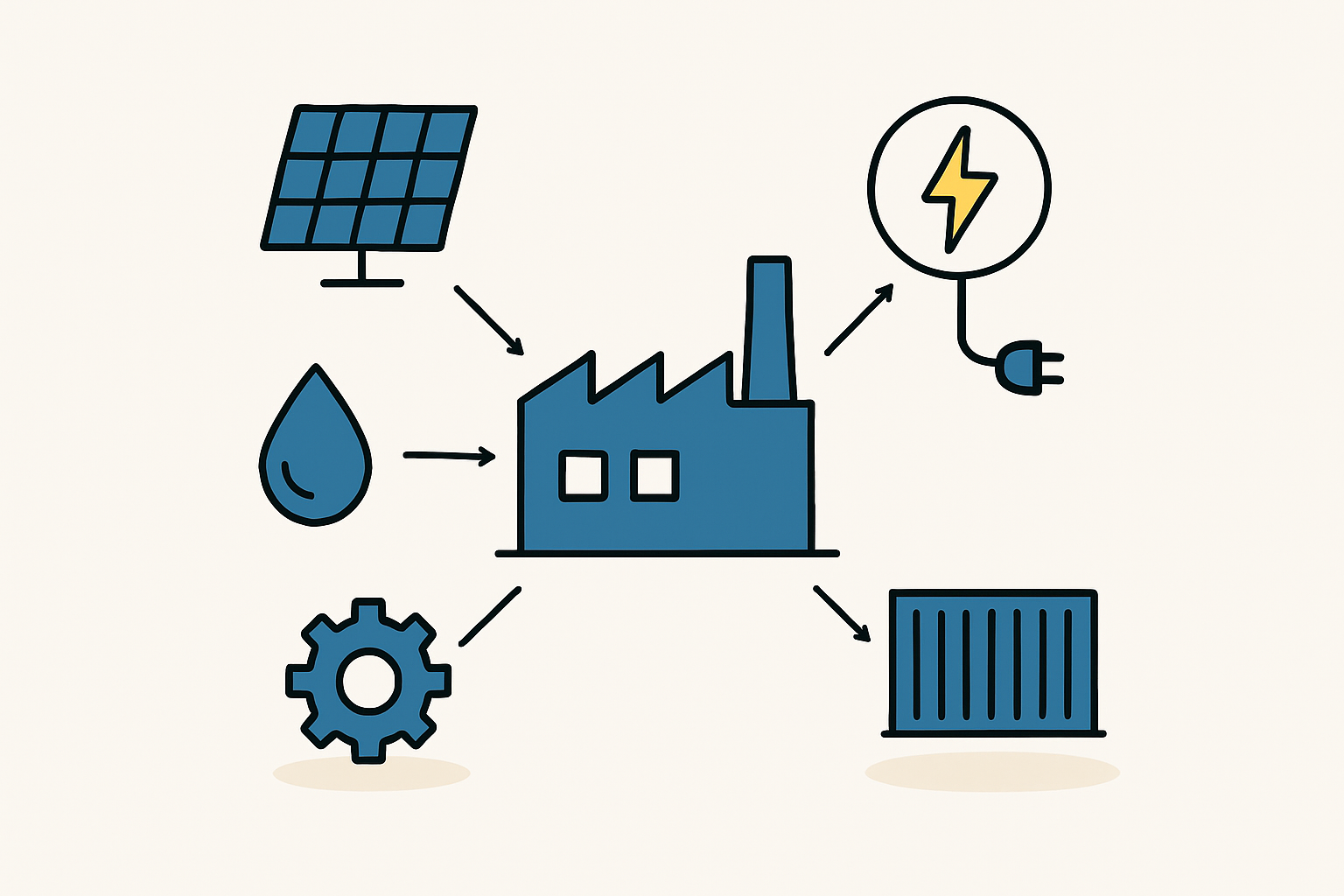
Evaluating a potential site requires a methodical approach. The following criteria are essential for any entrepreneur planning to establish a solar module factory.
1. Electrical Grid Capacity and Stability
A solar factory is a significant energy consumer. Its production line, including laminators, testers, and automation systems, requires a stable and substantial power supply.
- Power Requirement: A typical 50-100 MW solar module factory requires a dedicated grid connection of approximately 1 to 5 megawatts (MW).
- Due Diligence: It is crucial to confirm with the local grid operator, such as Lithuania’s state-owned Litgrid, that the industrial park’s substation can provide this capacity without voltage fluctuations. Based on experience from J.v.G. turnkey projects, securing this power connection agreement is one of the most critical early steps.
- Future-Proofing: Inquire about the grid’s capacity for future expansion. A site that can support a doubling of production offers significant long-term strategic value.
2. Water and Wastewater Infrastructure
The manufacturing process for solar cells and modules requires a consistent supply of high-purity, deionized water, primarily for cleaning glass and cells.
- Water Requirement: A factory typically needs a supply of 5 to 10 cubic meters (m³) of industrial-grade water per hour.
- Utility Provider: Confirm that the local utility, such as Kauno Vandenys in the Kaunas region, can consistently meet this demand.
- Wastewater Treatment: The facility will also produce industrial wastewater, so the site must have adequate connections to a treatment facility. Alternatively, space must be allocated for an on-site pre-treatment plant.
3. Logistics and Transportation Access
The efficient movement of goods is vital to any manufacturing operation. A solar factory receives large quantities of raw materials (glass, aluminum frames, solar cells) and ships out finished modules.
- Road Network: The site should have direct access to major highways. The Kaunas region’s position at the intersection of the A1 motorway (connecting Vilnius and Klaipėda) and the Via Baltica (E67), a key north-south European corridor, is a prime example of excellent connectivity.
- Proximity to Ports and Airports: Access to an international airport (like Kaunas Airport) for urgent shipments and a seaport or intermodal rail terminal for bulk materials is a significant advantage. The Kaunas Intermodal Terminal facilitates efficient transport to and from major European ports.
- On-Site Logistics: The plot itself must allow for easy truck access, with a sufficient turning radius for large vehicles and space for loading bays. These factors are key to developing an efficient solar factory layout.
Ready to make big Profits?
The solar Industry is Booming
WE HELP NEWCOMERS to the solar industry start their own solar module production line. Customers can make BIG PROFITS by selling modules and finding investors, without wasting money and time on things they don't need!
4. Land and Building Readiness
The ideal site minimizes construction delays and initial capital outlay. ‘Ready-to-build’ plots in established industrial zones are often the most efficient choice.
- Zoning and Permits: The land must be zoned for industrial use. Industrial parks like the Kaunas Free Economic Zone (FEZ) offer pre-zoned land, which dramatically simplifies the permitting process.
- Site Preparation: A ‘plug-and-play’ site with existing utility connections for electricity, water, gas, and telecommunications already at the plot boundary saves months and significant expense.
- Lease vs. Build: Evaluate leasing an existing industrial building versus constructing a new one. While a custom build allows for perfect optimization, a suitable existing structure can accelerate project launch by 6-12 months.
5. Labor Force and Technical Expertise
A factory is only as good as its people. Access to a qualified workforce, from machine operators to quality control engineers, is non-negotiable.
- Technical Education: Proximity to technical universities is a strong indicator of a sustainable talent pipeline. The presence of Kaunas University of Technology (KTU) provides a steady stream of engineering graduates.
- Industrial Ecosystem: The presence of other major international manufacturers, such as Continental and Hella in the Kaunas FEZ, signals an existing pool of experienced technical and managerial staff familiar with modern industrial standards.
6. Regulatory Environment and Incentives
A supportive government and a clear regulatory framework can significantly de-risk an investment.
- Fast-Track Permitting: Look for initiatives like Lithuania’s ‘Green Corridor,’ which offers accelerated permitting and support for large-scale investments, reducing bureaucratic hurdles.
- Fiscal Incentives: Free Economic Zones often provide substantial tax advantages. The Kaunas FEZ, for instance, offers 0% corporate income tax for the first 10 years and reduced rates thereafter for qualifying companies. These incentives can have a major impact on the financial projections in a solar panel manufacturing business plan.
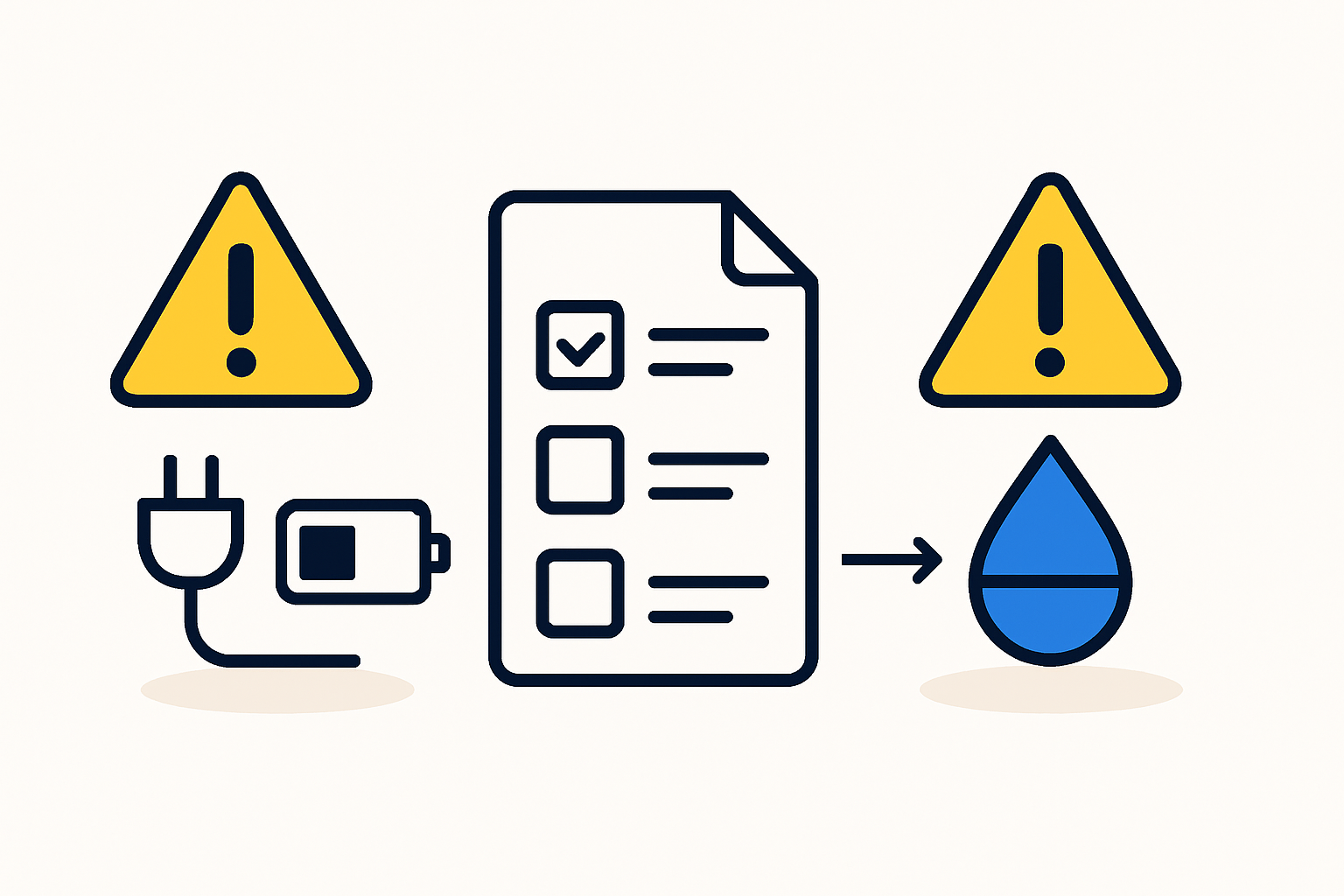
From Checklist to Implementation
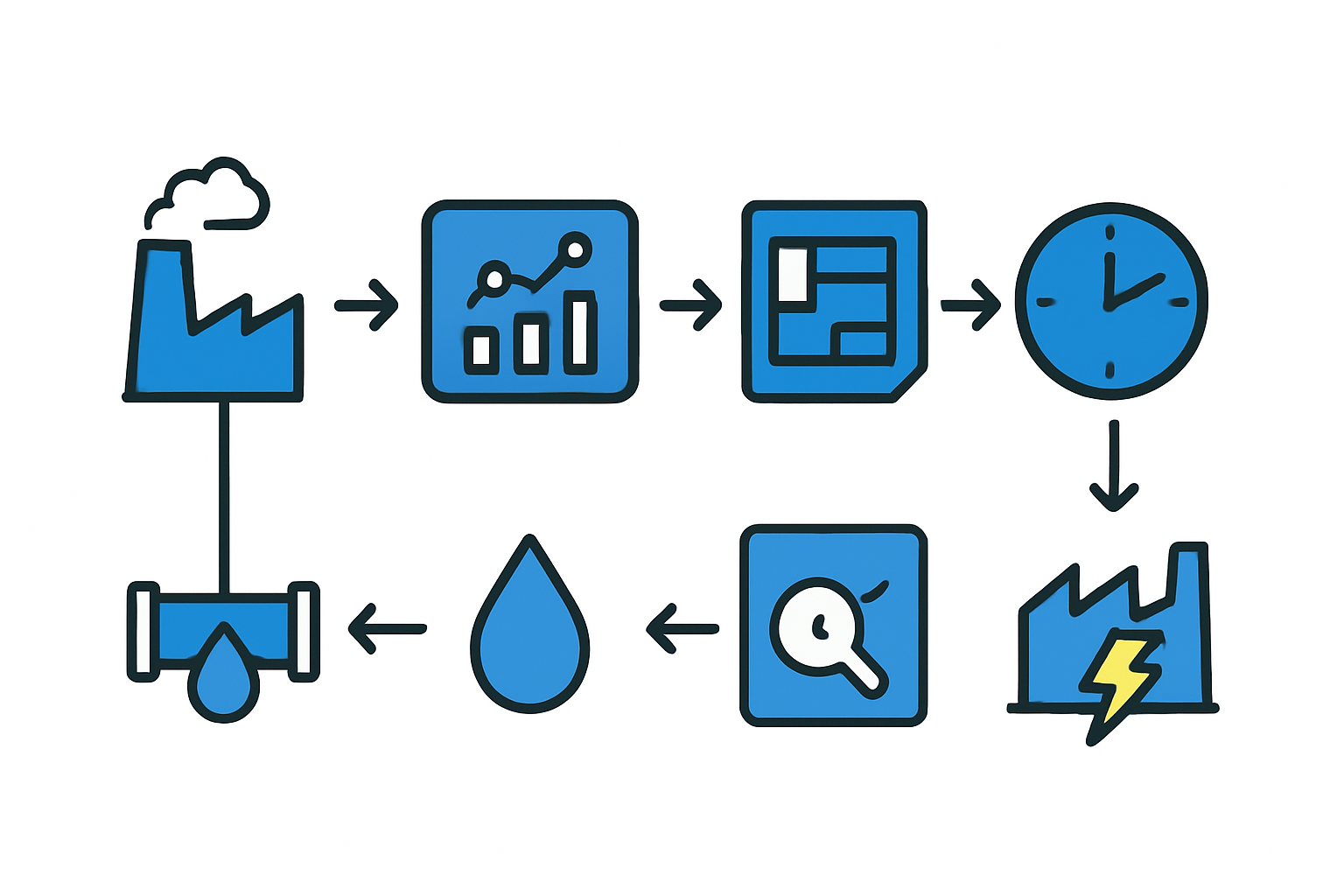
This checklist serves as the foundation for a comprehensive feasibility study. Once a shortlist of potential sites is identified, the next step is to integrate these findings into a detailed project plan. The specific costs for land, utilities, and construction at the chosen location will become key inputs for financial modeling.
The site’s characteristics also influence the choice of production equipment. A building’s floor plan and ceiling height, for example, will determine the layout and specifications for a turnkey solar manufacturing line.
Frequently Asked Questions (FAQ)
What is the typical land area required for a 50-100 MW solar factory?
A factory of this size generally requires a plot of 10,000 to 20,000 square meters (1-2 hectares). This area provides sufficient space for the main production building, warehousing, office space, and vehicle access.
How long does the permitting process usually take in Lithuania?
While this can vary, using a ‘ready-to-build’ site within an industrial park like the Kaunas FEZ and qualifying for the ‘Green Corridor’ initiative can shorten the process for obtaining a construction permit to as little as three months.
Is it better to build a new facility or lease an existing one?
This depends on the project’s timeline and budget. Building a new facility allows for a custom-optimized layout but takes longer and requires more upfront capital. Leasing an existing building can be faster and less capital-intensive but may require compromises on layout and workflow.
What is the main difference between a Free Economic Zone (FEZ) and a standard industrial park?
The primary difference is the fiscal incentive structure. An FEZ, like the one in Kaunas, offers significant tax holidays (e.g., 0% corporate tax) and streamlined customs procedures not usually available in a standard industrial park. Both, however, offer developed infrastructure.
Your Next Steps in Site Evaluation
Selecting the right site is a foundational step that requires careful, data-driven analysis. By systematically working through this checklist, investors can mitigate risks and position their solar manufacturing venture for success. Your next step is to engage directly with local investment promotion agencies, such as Invest Lithuania. Arrange on-site visits to verify infrastructure and meet with utility providers. This hands-on diligence will confirm that your chosen location is a solid platform for future growth.