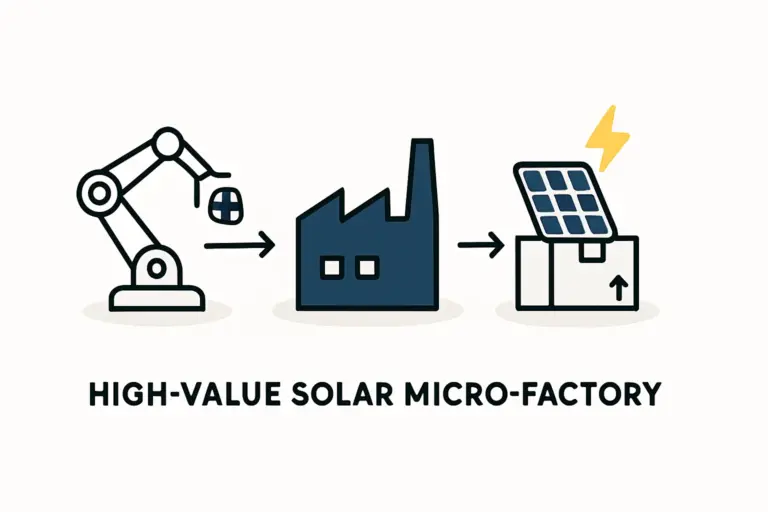
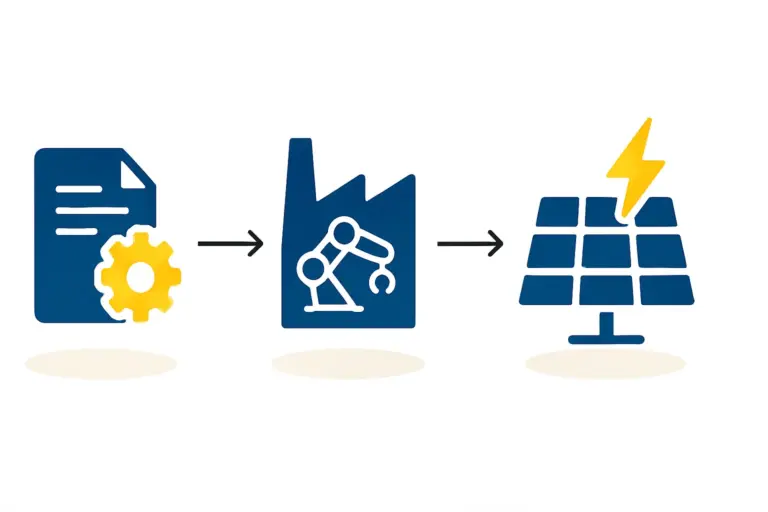
Imagine establishing a solar module factory not in a traditional low-cost manufacturing region, but in one of the world’s most exclusive and expensive locations: Monaco. For any entrepreneur, the immediate question is how such a venture could possibly be profitable while competing with global giants. It turns the conventional wisdom of chasing low labor costs on its head.
This scenario, while extreme, offers a powerful lesson in modern manufacturing strategy. It forces a shift in thinking away from minimizing labor costs and toward maximizing labor value. The solution lies in a strategic combination of a lean, high-skill workforce and state-of-the-art automation. This approach transforms a perceived disadvantage—high wages—into a strategic asset that drives quality, efficiency, and brand prestige.
The High-Cost Environment Challenge
Operating in a market like Monaco presents unique labor dynamics. According to 2022 EURES data, the average annual salary in the principality is approximately €79,000, among the highest in the world. Couple this with a highly educated population, where over 60% of the workforce holds a tertiary degree. The local labor market is competitive, with extremely low unemployment and a heavy reliance on skilled cross-border professionals from France and Italy.
These are not challenges to be overcome; they are fundamental market conditions that must be integrated into the business model. A strategy reliant on a large, low-skilled workforce is simply not viable. Instead, the business case must be built on the premise that higher wages attract and retain superior talent. This talent, when properly equipped, can generate significantly more value per person than in a conventional factory setting.
The Strategic Solution: Automation as a Productivity Multiplier
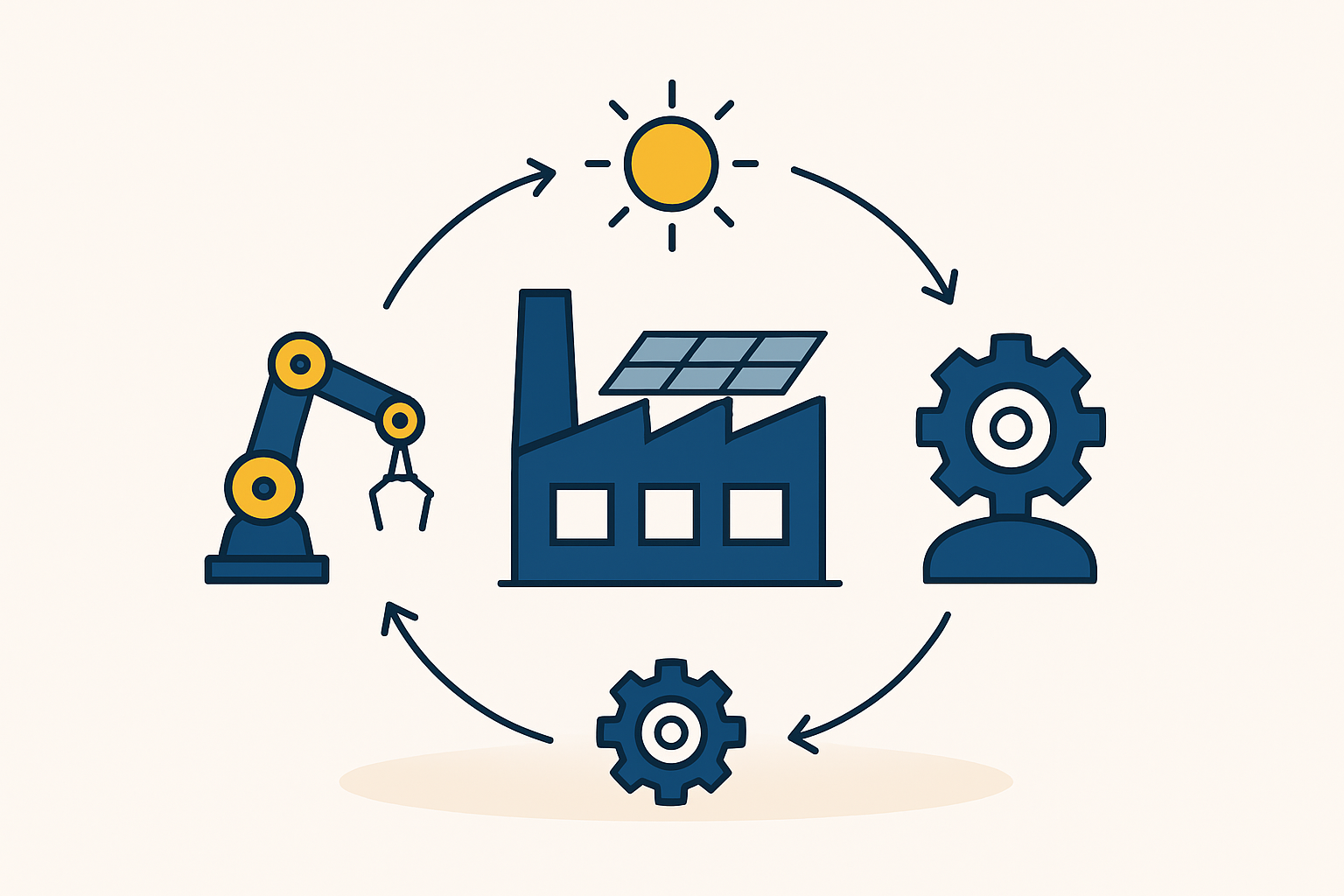
The key to justifying high labor costs is to view automation not as a replacement for people, but as a tool that multiplies their productivity and effectiveness. A high-skill technician overseeing an automated process can deliver output and quality that would require dozens of manual laborers.
International Labour Organization (ILO) reports on the future of work emphasize this point: automation and high-skilled labor are complementary. Technology handles repetitive, precision-critical tasks with a consistency humans cannot match, while skilled personnel focus on process optimization, quality control, maintenance, and problem-solving.
For a solar module production line, this translates to:
-
Enhanced Quality: Automated systems for cell handling, stringing, and lamination drastically reduce the micro-cracks and alignment errors common in manual processes. The Fraunhofer ISE consistently reports that higher automation levels correlate directly with lower defect rates and higher module efficiency.
-
Increased Throughput: A modern, automated line can operate 24/7 with minimal staff, producing a higher volume of modules per square meter of factory space and per employee.
-
Future-Proofing: Advanced cell technologies like TOPCon and HJT are more delicate and require a level of precision that is nearly impossible to achieve consistently with manual handling. An investment in automation is an investment in the ability to produce next-generation products.
Ready to make big Profits?
The solar Industry is Booming
WE HELP NEWCOMERS to the solar industry start their own solar module production line. Customers can make BIG PROFITS by selling modules and finding investors, without wasting money and time on things they don't need!
Building a High-Skill, Lean Workforce
With automation as the foundation, the human resources focus shifts from recruiting many to developing a select few. The goal is to create a small, agile team of highly competent professionals.
Redefining the Factory Role: From Laborer to Technician
The job descriptions for a high-automation facility look very different from those in a traditional factory. The emphasis moves from physical dexterity to cognitive and technical skills.
-
Process Monitors & Controllers: These technicians oversee automated equipment from a central control room or via tablets on the factory floor. They monitor production data in real-time, adjusting parameters to maintain optimal performance.
-
Maintenance Engineers: With a deep understanding of mechatronics and robotics, this team is responsible for the preventative maintenance and repair of sophisticated machinery. Their work is critical to minimizing downtime.
-
Quality Assurance Specialists: Rather than just visually inspecting finished products, these specialists use advanced analytical tools like electroluminescence testers to analyze process data and identify potential quality deviations before they become significant problems.
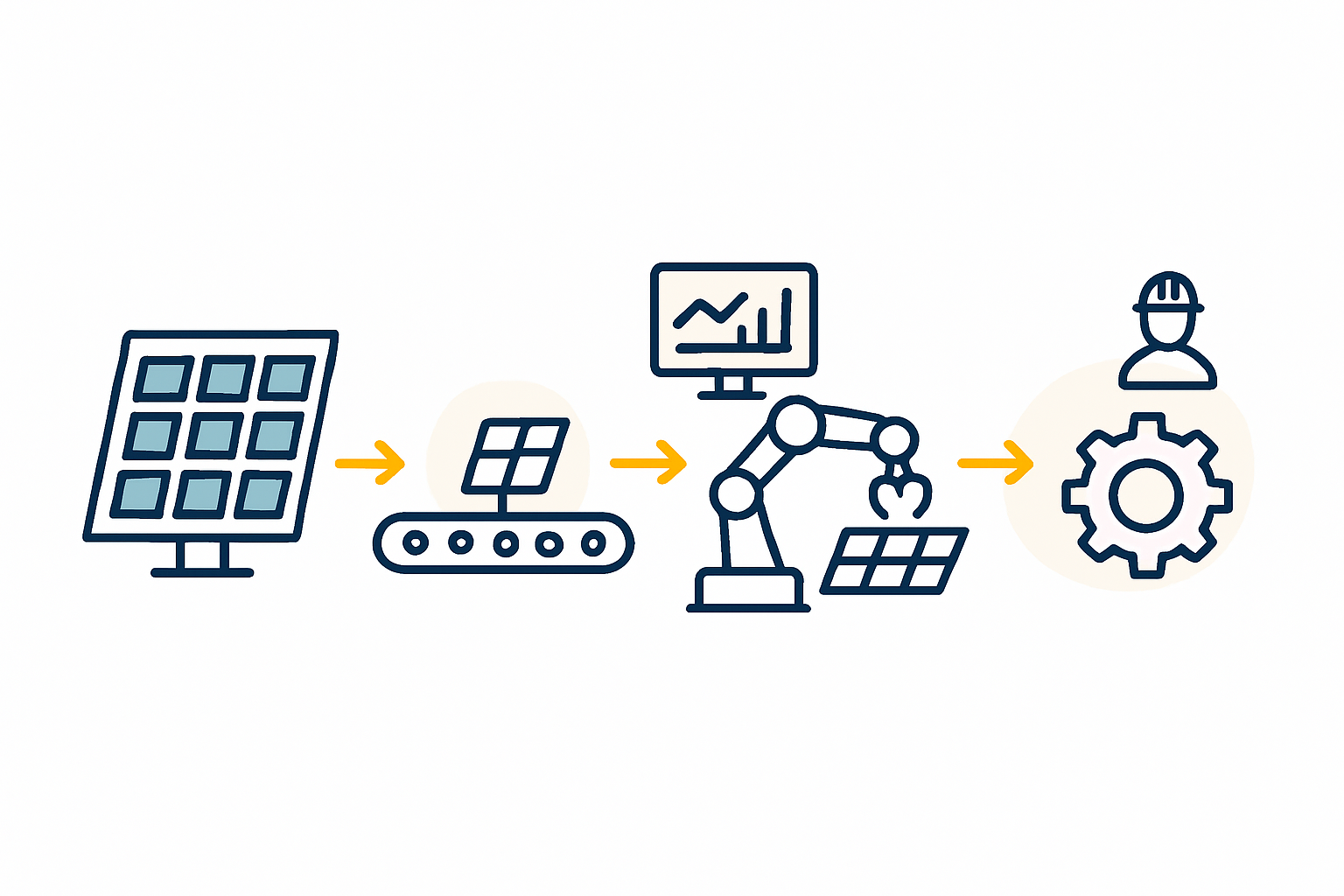
The precision required for modern solar manufacturing is exemplified by automated stringer machines, which can handle and solder delicate cells faster and more reliably than any human operator. The human role shifts to ensuring the machine performs at its peak capability.
Sourcing and Training Talent
In a location like Monaco, the talent pool is already highly educated. The strategy is to attract engineering and technical graduates drawn to working with cutting-edge technology. The high salaries, far from being a liability, become a powerful tool for recruiting the best talent from the local region and beyond.
A critical component of this strategy is a commitment to continuous training. As technology evolves, so must the team’s skills. Experience from J.v.G. turnkey projects shows that providing comprehensive initial and ongoing training for the client’s core engineering team is a cornerstone of long-term success. This ensures the local workforce can fully master and optimize the technology they operate.
The Financial Logic: How High-Skill Automation Pays Off
The business case for this model is built on long-term value rather than short-term cost savings. The higher initial investment in advanced machinery is offset by superior operational and financial outcomes.
Quality and Brand Value
A production facility in a premium location like Monaco, using the best automation and staffed by elite technicians, can create a product of exceptional quality. This consistency and reliability build a powerful brand narrative—’Engineered in Monaco’—that can command a premium price in the market, particularly in high-end residential or architectural solar projects where quality and aesthetics are paramount.
Operational Efficiency
A lean team of 25–30 highly-paid professionals can manage a 50–100 MW line that might require over 100 employees in a manual setup. The benefits extend beyond the wage bill:
- Lower material waste due to process precision.
- Higher machine uptime due to proactive, skilled maintenance.
- Greater output per employee, leading to superior overall productivity.
A Replicable Model for Niche Markets
While Monaco is a unique example, the underlying principle is universally applicable. For any entrepreneur entering the solar manufacturing space, the strategic question should not be ‘Where can I find the cheapest labor?’ but rather ‘How can I generate the most value from my workforce?’
In developed nations, emerging economies with a growing technical class, or any market targeting a premium product niche, the high-skill, high-automation model offers a path to sustainable profitability. It moves the basis of competition from cost to quality, innovation, and efficiency—a far more resilient strategy for the long term.
Frequently Asked Questions
How many employees are typically needed for a highly automated solar factory?
For a 50–100 MW production line, a lean team of 25 to 35 employees is common. This includes technicians, engineers, quality assurance specialists, and a small administrative and logistics staff, typically spread across two or three shifts.
What are the most important skills to look for when hiring for this type of facility?
Technical competencies are key. Look for candidates with backgrounds in mechatronics, industrial automation, robotics, electrical engineering, and data analysis. Prior experience in a cleanroom or high-tech manufacturing environment is highly beneficial.
Can this model work in a region without an existing highly educated workforce?
Yes, but it requires a greater upfront investment in training. The strategy would involve partnering with local technical colleges or establishing a dedicated in-house training academy. pvknowhow.com often helps clients design such programs to build a skilled local workforce from the ground up, ensuring the long-term success of the facility.
Does advanced automation eliminate all manual jobs in the factory?
No, it transforms them. While repetitive assembly tasks are automated, manual roles still exist in areas like materials preparation, logistics, final inspection and packing, and certain maintenance procedures. However, even these roles often require a higher level of technical understanding to interact effectively with the automated systems.