When considering a new venture, an investor’s focus typically lands on market demand, product quality, and financial projections. For a business like solar module manufacturing, these are of course critical. Yet in an emerging market like Malawi, one foundational decision can determine an enterprise’s long-term success or failure before the first machine is even installed: the choice of factory location.
Selecting a site isn’t a simple real estate transaction; it’s a strategic decision that directly impacts operational uptime, logistical costs, and overall profitability. A location with seemingly attractive land prices can conceal crippling infrastructure deficits, turning a promising business plan into a cascade of unforeseen operational challenges. This guide provides a practical framework for evaluating potential factory sites in Malawi, focusing on three pillars of industrial viability: power grid stability, transportation infrastructure, and the unique characteristics of key industrial zones.
The Critical Role of Infrastructure in Manufacturing Success
Consistent access to power, water, and efficient transport links is non-negotiable for any manufacturing operation. In Malawi, these elements present a unique set of variables that require careful due diligence.
An entrepreneur must look beyond the property line to assess the entire ecosystem that will support their factory. Neglecting this step can lead to significant budget overruns and production delays—issues that thorough planning can mitigate from the outset.
Evaluating Malawi’s Key Industrial Zones
Malawi’s industrial activity is primarily concentrated in three key areas: Blantyre, Lilongwe, and the emerging zone of Liwonde. Each location offers a distinct profile of advantages and challenges.
Blantyre: The Established Commercial Hub
As Malawi’s commercial capital, Blantyre is home to the country’s most established industrial areas, including Maone, Chirimba, and Maselema.
- Advantages: Proximity to a large labor pool, established supply chains, and excellent road connections via the M1 and M2 highways. Its history as an industrial center means ancillary services are more readily available.
- Challenges: Blantyre’s infrastructure is aging. Businesses frequently report significant challenges with the reliability of both electricity and water supply. These issues, common to established urban centers, can lead to substantial operational disruptions for a power-intensive manufacturing facility.
Lilongwe: The Political and Logistical Center
Lilongwe, the nation’s capital, hosts the important Kanengo industrial area. Its central location and status as the seat of government offer unique benefits.
- Advantages: Kanengo is strategically located near Kamuzu International Airport (KIA), a major advantage for importing specialized components or exporting high-value goods. Its position on the main M1 highway facilitates national distribution.
- Challenges: Like Blantyre, Lilongwe is not immune to national infrastructure pressures. While newer in parts, the industrial zones can still experience the same power and water supply inconsistencies that affect the rest of the country.
Liwonde: The Strategic Emerging Zone
Liwonde represents a forward-looking option for investors, particularly those with an eye on regional exports.
Ready to make big Profits?
The solar Industry is Booming
WE HELP NEWCOMERS to the solar industry start their own solar module production line. Customers can make BIG PROFITS by selling modules and finding investors, without wasting money and time on things they don't need!
- Advantages: Its designation as a Special Economic Zone (SEZ) may offer significant investment incentives. Critically, Liwonde is situated on the restored Sena railway line, providing a direct and cost-effective link to the deep-water port of Nacala in Mozambique. Its location on the Shire River also offers potential advantages for water access.
- Challenges: As an emerging zone, the ecosystem of suppliers and skilled labor may be less developed than in Blantyre or Lilongwe. A thorough assessment of available services and workforce is essential.
Power Grid Stability: The Manufacturer’s Greatest Risk
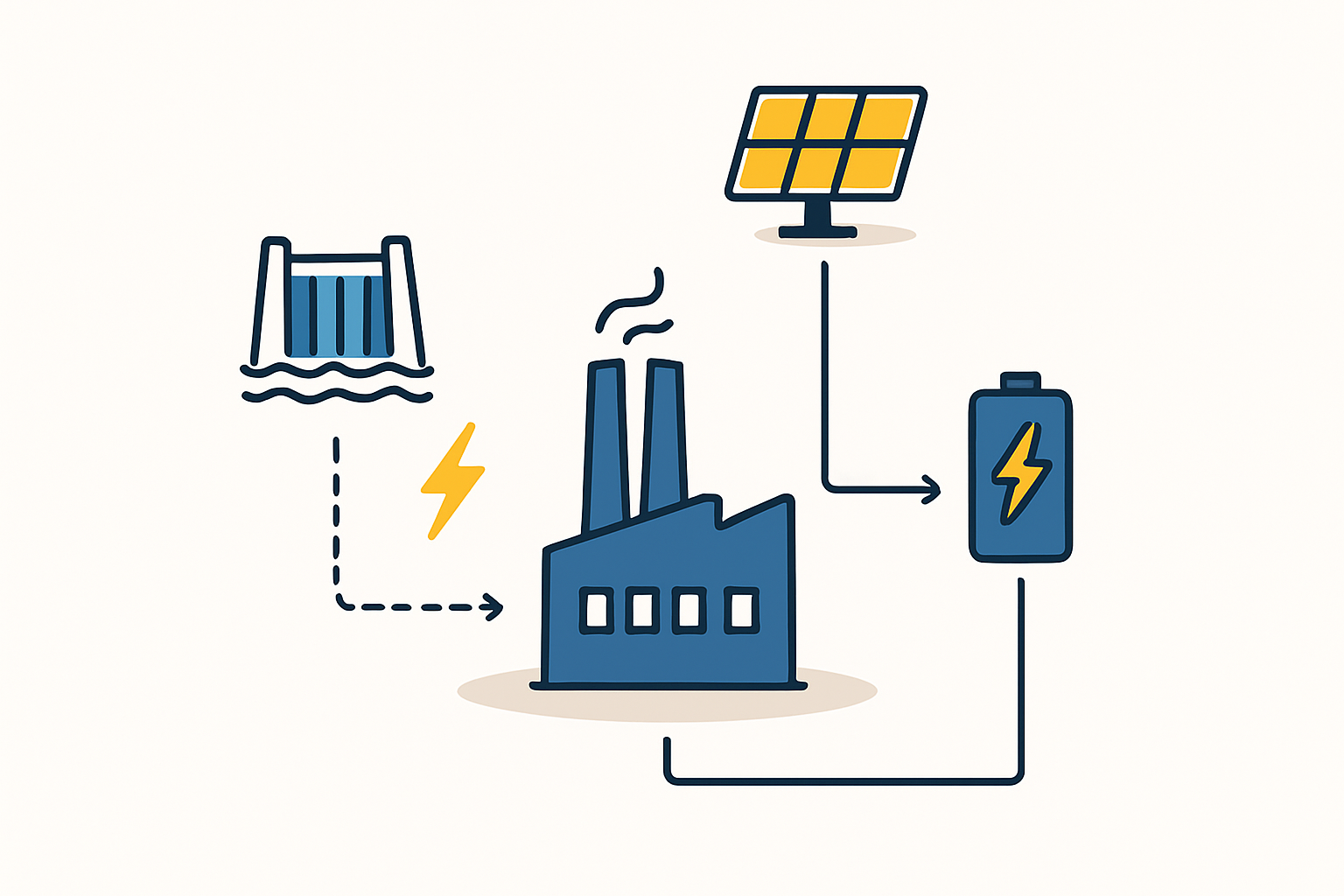
The single most critical factor for a solar module factory is a stable supply of electricity. Malawi’s national grid, operated by the Electricity Supply Corporation of Malawi (ESCOM), presents a significant operational risk that must be addressed in any serious business plan.
Understanding the Challenge of Hydropower Reliance
The national grid is overwhelmingly dependent on hydropower, with an estimated 89.3% of its capacity generated from stations along the Shire River. This heavy reliance creates vulnerability on two fronts:
- Climatic Events: Extreme weather, such as Cyclones Ana and Gombe in 2022, caused severe damage to the Kapichira Power Station, wiping out a significant portion of the country’s generating capacity overnight.
- Water Levels: Seasonal variations and long-term changes in rainfall patterns directly affect water levels in the Shire River, impacting the output of all hydropower plants.
The result is frequent and prolonged load shedding—planned power outages—that can halt production for hours at a time. For a manufacturing line designed for continuous operation, such interruptions are financially unsustainable.
Mitigation Is a Necessity, Not an Option
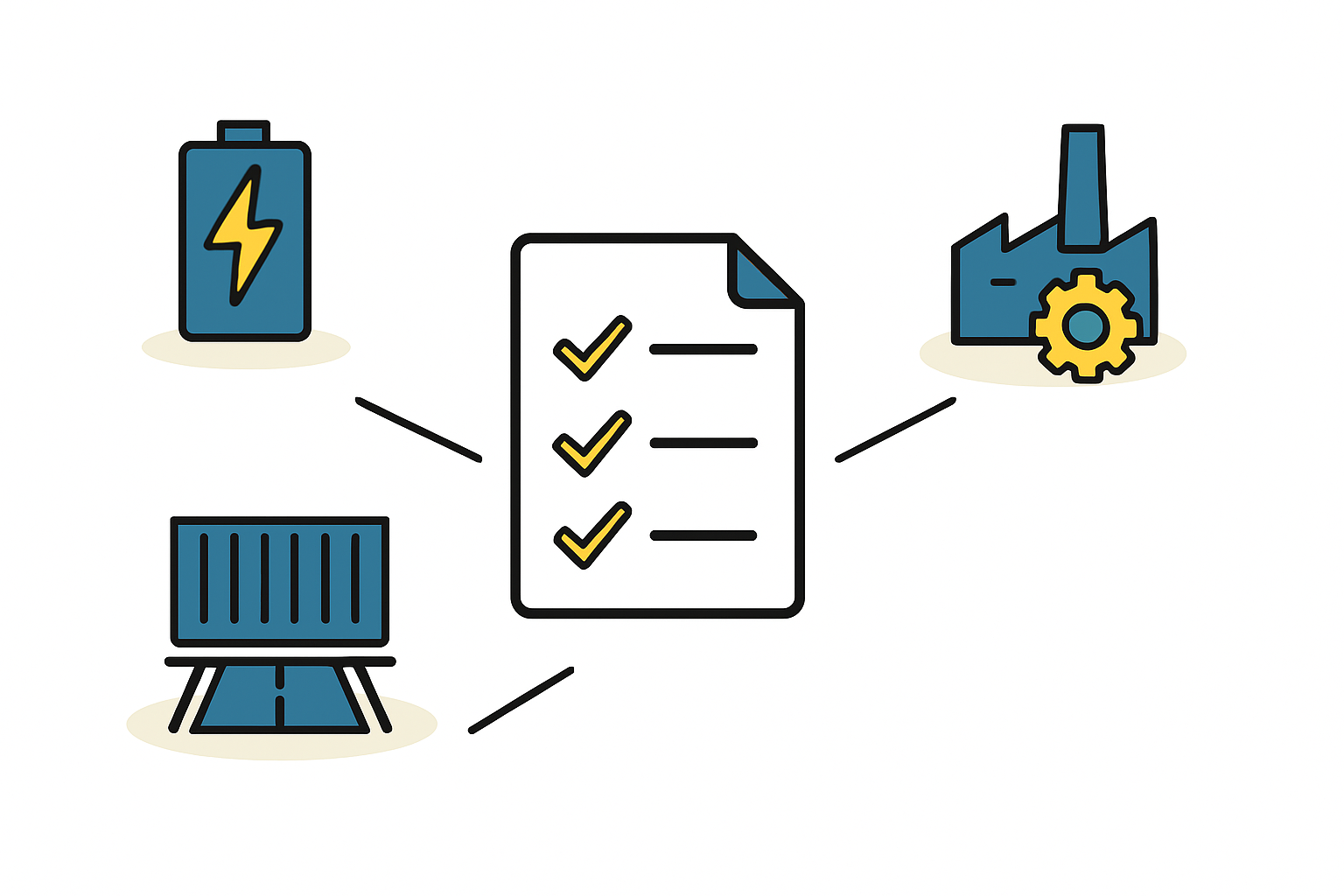
In this environment, a factory in Malawi cannot rely solely on the national grid. The business plan and initial investment requirements must include a robust backup power strategy. This typically involves a combination of diesel generators for immediate backup and, fittingly, a significant on-site solar PV system with battery storage to ensure operational continuity and manage energy costs.
Based on experience from J.v.G. turnkey projects, budgeting for an independent power solution from day one is a hallmark of a realistic and successful venture.
Transport and Logistics: The Lifeline of Your Factory
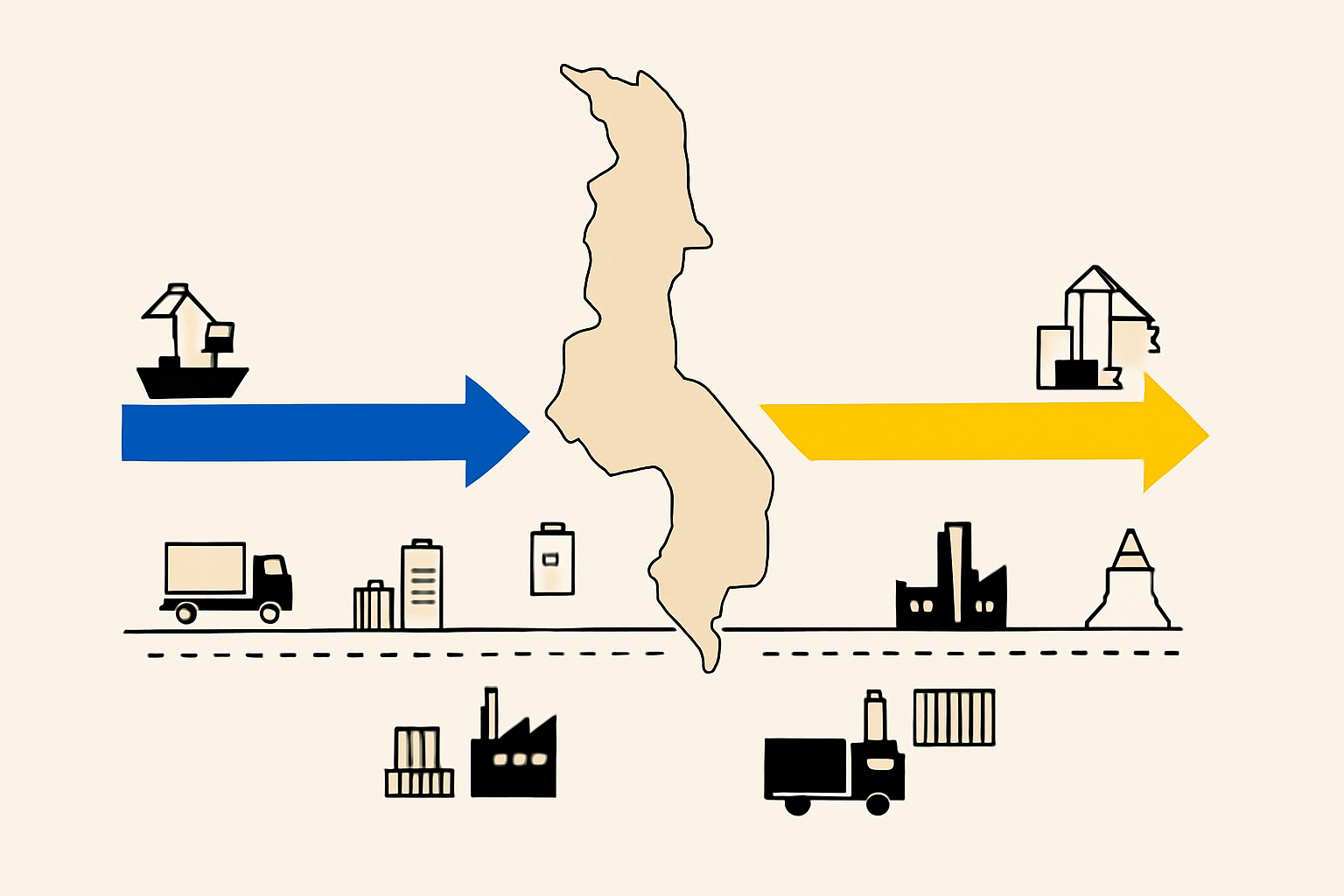
A solar module factory relies on a global supply chain. It will import key raw materials like solar cells, specialized glass, and aluminum frames, and export finished panels to local and regional markets. This makes efficient transport essential.
Import and Export Corridors
Malawi is a landlocked country, relying on road and rail corridors to ports in neighboring Mozambique. The two primary routes are:
- The Nacala Corridor: This is often the most efficient route, connecting via rail (the Sena line) and road from Liwonde and Lilongwe to the port of Nacala. Its modern infrastructure makes it the preferred choice for many businesses.
- The Beira Corridor: Connecting via road from Blantyre, this corridor provides an alternative route to the port of Beira.
The cost, speed, and reliability of these corridors will heavily influence the factory’s operational expenses. A detailed logistics analysis is a crucial part of the site selection process. Proximity to the Nacala corridor, for example, is a strong argument in favor of a location like Liwonde for an export-oriented business.
Frequently Asked Questions (FAQ)
What is often the biggest unforeseen cost related to site selection in Malawi?
The most common oversight is underestimating the capital investment required for on-site infrastructure. This includes the cost of a dedicated transformer, backup power systems (generator, solar, and batteries), and potentially improving road access to the site. These are not optional expenses; they are essential for stable operations.
Are there government incentives for setting up in a specific zone?
Yes, the Malawian government offers investment incentives, particularly for businesses setting up in designated Special Economic Zones (SEZs) like Liwonde. These can include tax holidays, duty-free importation of equipment, and streamlined administrative processes. A prospective investor should engage with the Malawi Investment and Trade Centre (MITC) for detailed information.
How critical is water access compared to electricity?
While electricity is the primary concern for machine operation, a reliable water supply is also vital. Water is needed for cleaning solar modules during production, cooling certain equipment, and for staff sanitation. In areas like Blantyre where water shortages are common, planning for on-site water storage tanks or even boreholes is a prudent measure.
How does the choice of location affect labor availability?
Locating a factory near a major urban center like Blantyre or Lilongwe provides access to a larger and more diverse labor pool. However, a location in an emerging zone may require a greater investment in training local staff. This should be factored into the operational plan and budget.
Conclusion: A Strategic Foundation for Success
Choosing the right factory site in Malawi is a complex but manageable challenge. It requires a shift in perspective—from simply acquiring land to strategically selecting a location that de-risks the entire operation. A thorough evaluation of power stability, logistical connections, and the unique attributes of each industrial zone is the first and most important step in building a resilient and profitable solar manufacturing business in the region.
This initial analysis forms the basis of a comprehensive feasibility study, an essential document for securing financing and planning a project. With a clear understanding of the on-the-ground realities, an entrepreneur can make an informed decision that lays a solid foundation for decades of productive operation. A turnkey factory setup partner with experience in emerging markets can provide the necessary expertise to navigate this critical planning phase.
Download the PDF guide to factory site suitability in Malawi.