The Republic of Seychelles, an archipelago of unparalleled natural beauty, faces an economic paradox. Its tourism sector—the engine of the national economy—relies almost entirely on expensive, imported fossil fuels. This creates high operational costs for businesses and runs contrary to the pristine image that attracts visitors from around the world.
For an entrepreneur, this challenge presents a significant business opportunity: establishing a local solar module manufacturing facility to serve the nation’s primary industry. This article explores business models and use cases for a local solar producer targeting the tourism and hospitality sector in Seychelles. It outlines how locally manufactured panels can address the energy needs of resorts, hotels, and marine vessels, helping to foster a more sustainable and profitable tourism industry.
The Challenge: Powering Paradise at a High Cost
To understand the opportunity, it’s essential to first appreciate the operational environment in Seychelles. The nation’s economy is driven by tourism, which accounts for over 50% of its GDP. However, its electrical grid is powered by imported fossil fuels, which supply over 90% of the country’s energy.
This reliance has two major consequences for businesses:
-
High Electricity Tariffs: Businesses in Seychelles face electricity costs of around USD 0.25 per kilowatt-hour, among the highest in the region. For a typical hotel or resort, energy expenses can represent 10–15% of total operating costs.
-
Logistical Vulnerability: Dependence on fuel imports exposes the economy to volatile global energy prices and potential supply chain disruptions.
In response, the government has set a target of achieving 15% renewable energy generation by 2030 and offers incentives, such as tax exemptions on renewable energy equipment, creating a favorable environment for investment. With an average solar resource of 5.5 to 6.5 kWh per square meter per day, the potential for solar power is immense.
A Targeted Business Model: Manufacturing for Hospitality
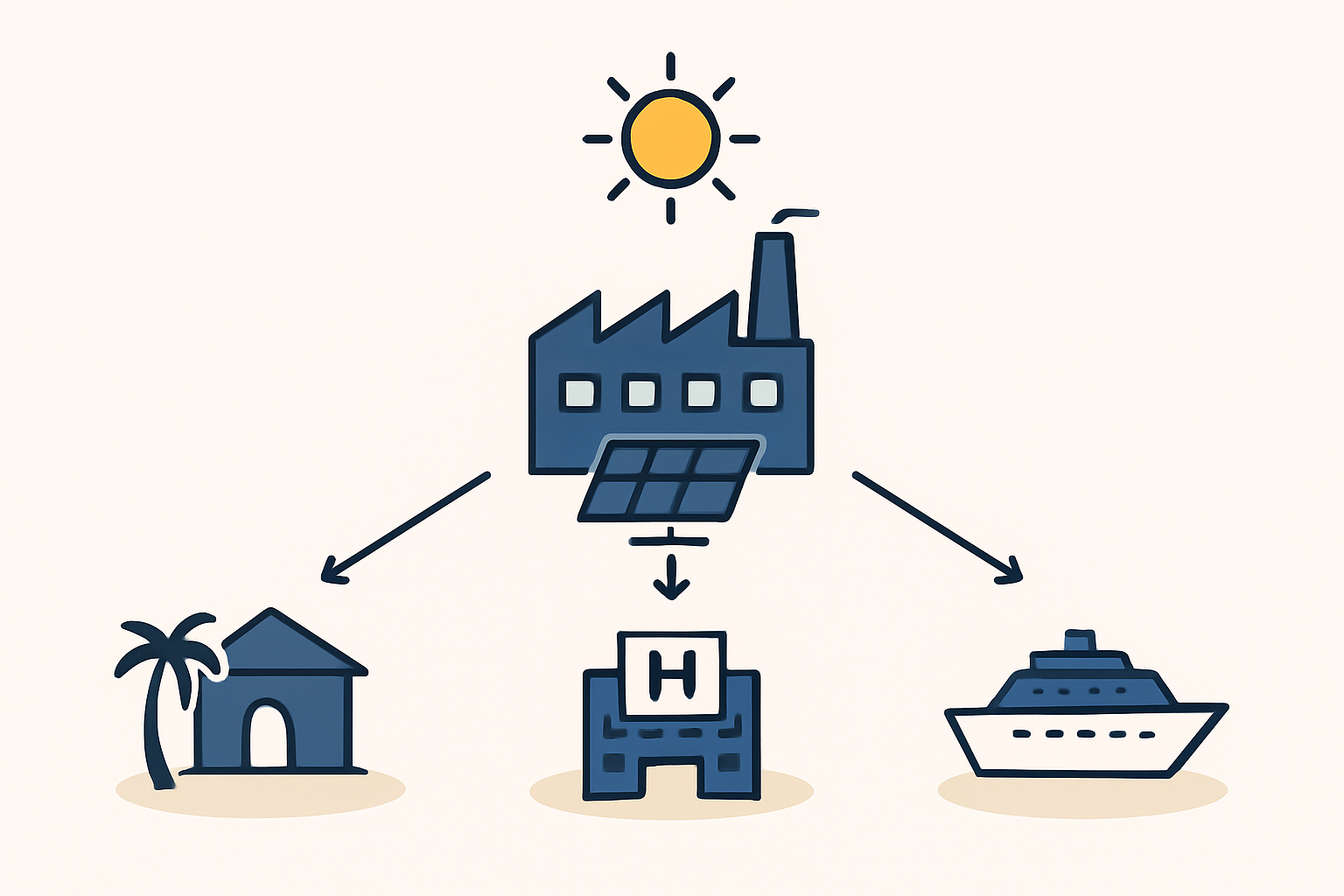
Instead of competing with large-scale international module importers, a new venture can focus on becoming a specialized supplier for the local tourism industry. Establishing a local solar module manufacturing plant (placeholderlink1) offers distinct advantages in an island context:
- Customization: Producing modules tailored to specific architectural or maritime requirements.
- Reduced Logistics: Eliminating the high costs and complexities of shipping fragile solar panels internationally.
- Faster Availability: Providing on-demand supply and quicker replacement of parts for local businesses.
- Economic Contribution: Creating skilled jobs and supporting the national goal of greater economic self-sufficiency.
This business model pivots from mass production toward providing high-value, targeted energy solutions for the country’s most important economic sector.
Ready to make big Profits?
The solar Industry is Booming
WE HELP NEWCOMERS to the solar industry start their own solar module production line. Customers can make BIG PROFITS by selling modules and finding investors, without wasting money and time on things they don't need!
Key Market Segments within Seychelles’ Tourism Sector
A local manufacturer can address the unique energy needs of different segments within the hospitality industry.
Use Case 1: Large-Scale Resorts and Hotels
The most apparent market comprises the numerous grid-connected hotels and resorts on the main islands of Mahé, Praslin, and La Digue.
-
The Problem: These properties have massive daytime energy demands, from air conditioning and water heating to swimming pool pumps and kitchen operations. This consumption pattern aligns perfectly with peak solar energy production hours.
-
The Solution: Rooftop and ground-mounted solar arrays can directly offset this high-cost daytime electricity consumption. Locally produced panels can be installed on existing building roofs, carports, or unused land, generating power at the point of consumption.
-
The Business Logic: The return on investment for a resort is compelling. By generating their own electricity, they can drastically reduce their single largest utility expense. Furthermore, a visible commitment to renewable energy enhances their brand, attracting the growing demographic of eco-conscious international travelers.
Use Case 2: Remote and Off-Grid Luxury Lodges
Many of Seychelles’ most exclusive—and expensive—lodges are located on remote private islands with no connection to the national grid.
-
The Problem: These properties rely entirely on diesel generators, which involves enormous logistical challenges in transporting fuel, high maintenance costs, and constant operational noise that detracts from the tranquil guest experience.
-
The Solution: A hybrid power system combining solar panels, battery storage, and a smaller backup diesel generator provides a robust and reliable energy supply. Solar provides the bulk of the power during the day, charging batteries for nighttime use, while the generator serves only as a backup.
-
The Business Logic: For these clients, the value proposition extends beyond cost savings. It’s about energy independence, operational silence, and enhanced guest comfort. A local manufacturer can supply modules specifically designed to withstand the corrosive salt-mist environment of coastal and island locations.
Use Case 3: The Marine Tourism Fleet
The tourism experience in Seychelles is intrinsically linked to the ocean, with a large fleet of charter yachts, catamarans, and tour boats.
-
The Problem: Onboard power for lighting, navigation, and refrigeration is typically supplied by a diesel generator. These generators produce noise, vibrations, and exhaust fumes, diminishing the experience of silently cruising through pristine marine parks.
-
The Solution: The solution lies in integrating lightweight, durable, and sometimes flexible solar modules onto the vessel’s canopy or deck. This can power the boat’s auxiliary systems, allowing the main engine or generator to be shut down for extended periods.
-
The Business Logic: This is a high-value niche market. The primary benefit is not just fuel savings but a vastly superior customer experience. A ‘silent cruise’ is a powerful marketing tool. A local factory could produce custom-sized and shaped modules to fit the specific designs of different vessels—a level of customization difficult for international suppliers to match.
Financial and Operational Considerations
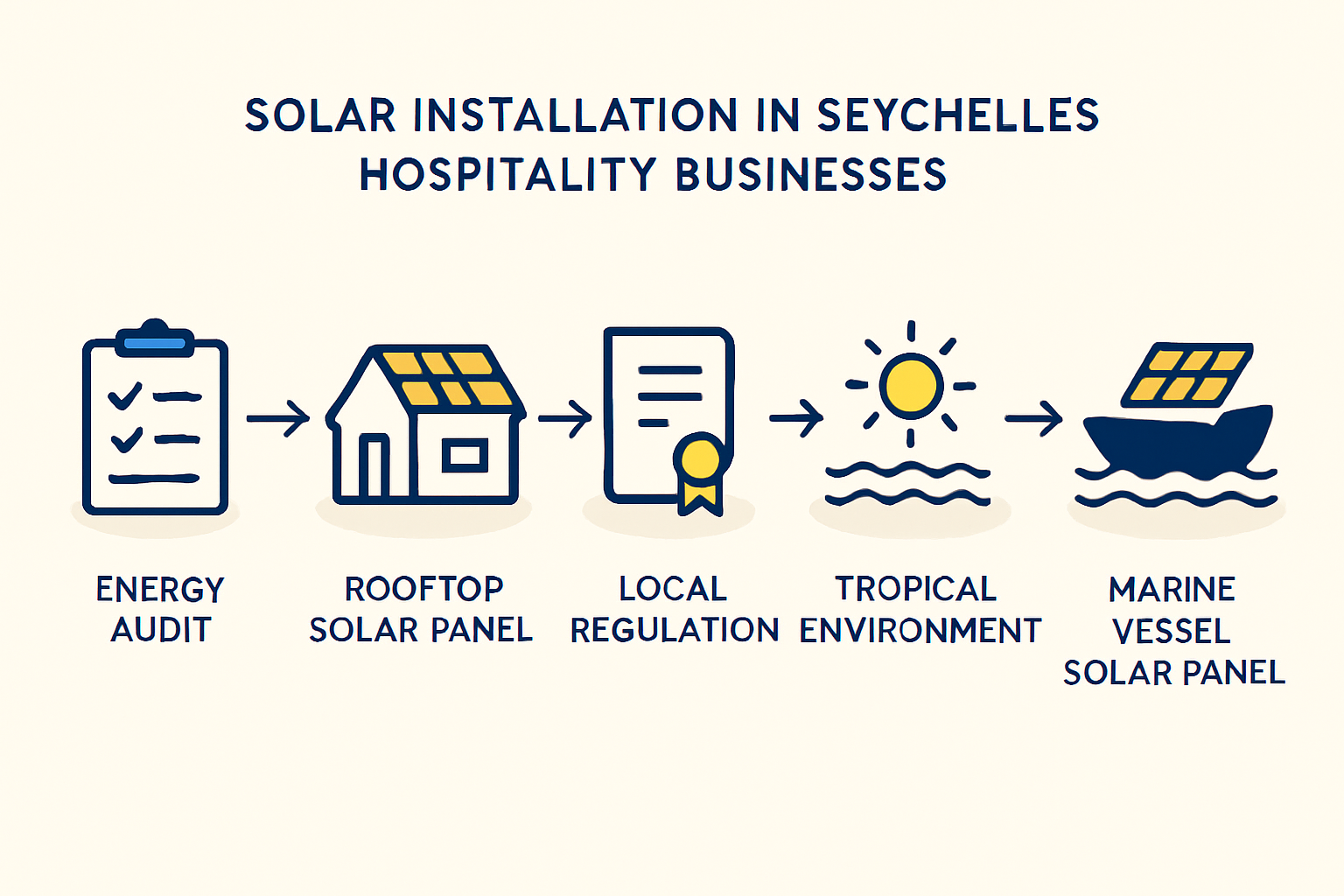
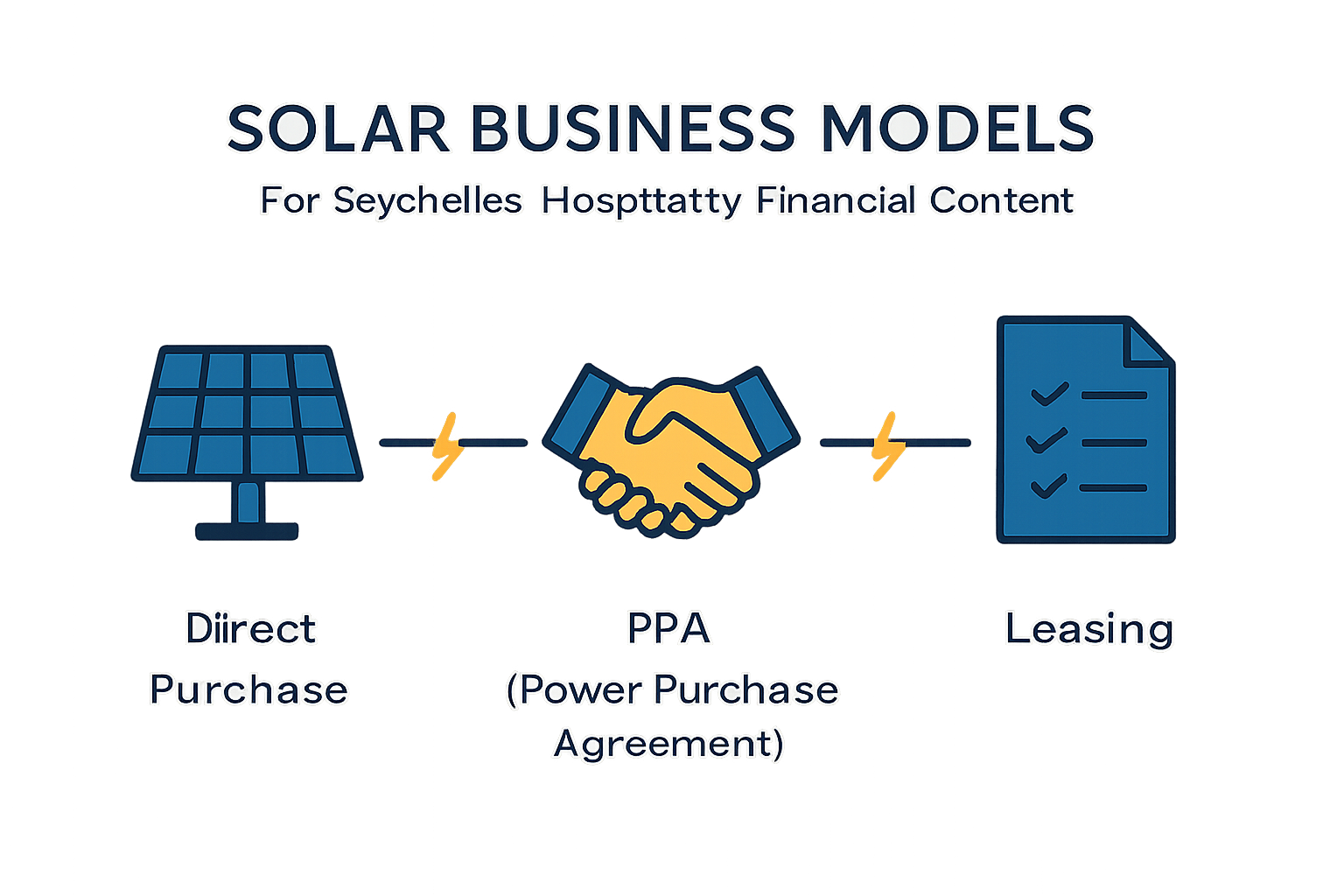
For an entrepreneur considering this venture, understanding the setup process is critical. The investment required (placeholderlink2) for a small-to-medium-scale production facility requires methodical planning. Based on experience from J.v.G. Technology GmbH turnkey projects in similar island economies, a phased approach is often most effective, allowing production to scale as local demand grows.
Engaging with a partner who can provide a turnkey solar production line (placeholderlink3) simplifies the complex process of factory planning, machine procurement, and staff training. This is particularly valuable for business professionals who are new to the manufacturing sector, as it provides a structured path from concept to operation.
Frequently Asked Questions (FAQ)
-
Why manufacture locally when modules can be imported?
Local manufacturing directly addresses the high costs and logistical challenges of shipping to an island nation. It also allows for customization, faster delivery, local technical support, and contributes to the national economy through job creation—a factor often supported by government policy. -
What is the typical payback period for a hotel investing in solar?
While this varies based on system size and a hotel’s specific consumption profile, the high electricity tariffs in Seychelles make the payback period very attractive. Commercial solar installations in such environments typically see a return on investment within 4 to 6 years. -
Are solar modules durable enough for a marine environment?
Yes. Modern solar modules, particularly glass-glass or those with specialized coatings and robust framing, are designed to withstand corrosive, salt-mist environments. A local manufacturer has the advantage of producing modules specifically certified for these conditions. -
How much space does a hotel need for a meaningful solar installation?
A typical solar panel produces around 200 watts per square meter. A hotel can make use of vast, unused roof spaces, create solar carports for guest parking, or use available land. A 500 kW system, which could significantly offset a large resort’s energy bill, would require approximately 2,500 square meters of space.
Conclusion and Next Steps
The combination of high energy costs, abundant solar resources, and a dominant tourism sector creates a focused, high-potential market for a local solar module manufacturer in Seychelles. The business model is not about competing on price with global giants but about providing tailored, high-value energy solutions to a captive and motivated customer base.
By reducing operational costs and enhancing the sustainability credentials of the hospitality industry, such a venture can become a cornerstone of the nation’s green energy transition. For entrepreneurs considering this opportunity, the next step involves a detailed feasibility study. A thorough analysis of market demand, production costs, and technology selection is the foundation for a successful business plan. Understanding the entire process, from factory planning to module certification, is crucial to making this vision a reality.