Establishing a solar module factory in Ukraine today presents a strategic crossroads. One path leads toward the urgent demand for national reconstruction, driven by the need for a resilient and decentralized energy grid. The other opens up to the stable, high-value European Union market, which is seeking to diversify its supply chain away from Asia.
This is more than a choice between two markets; it’s a decision that will define a company’s business model, risk profile, and long-term trajectory.
For any entrepreneur entering this sector, understanding the distinct opportunities and challenges of each path is the critical first step toward building a successful, sustainable enterprise. Here, we outline the business case for both strategies to provide a framework for informed decision-making.
The Case for Focusing on Domestic Reconstruction
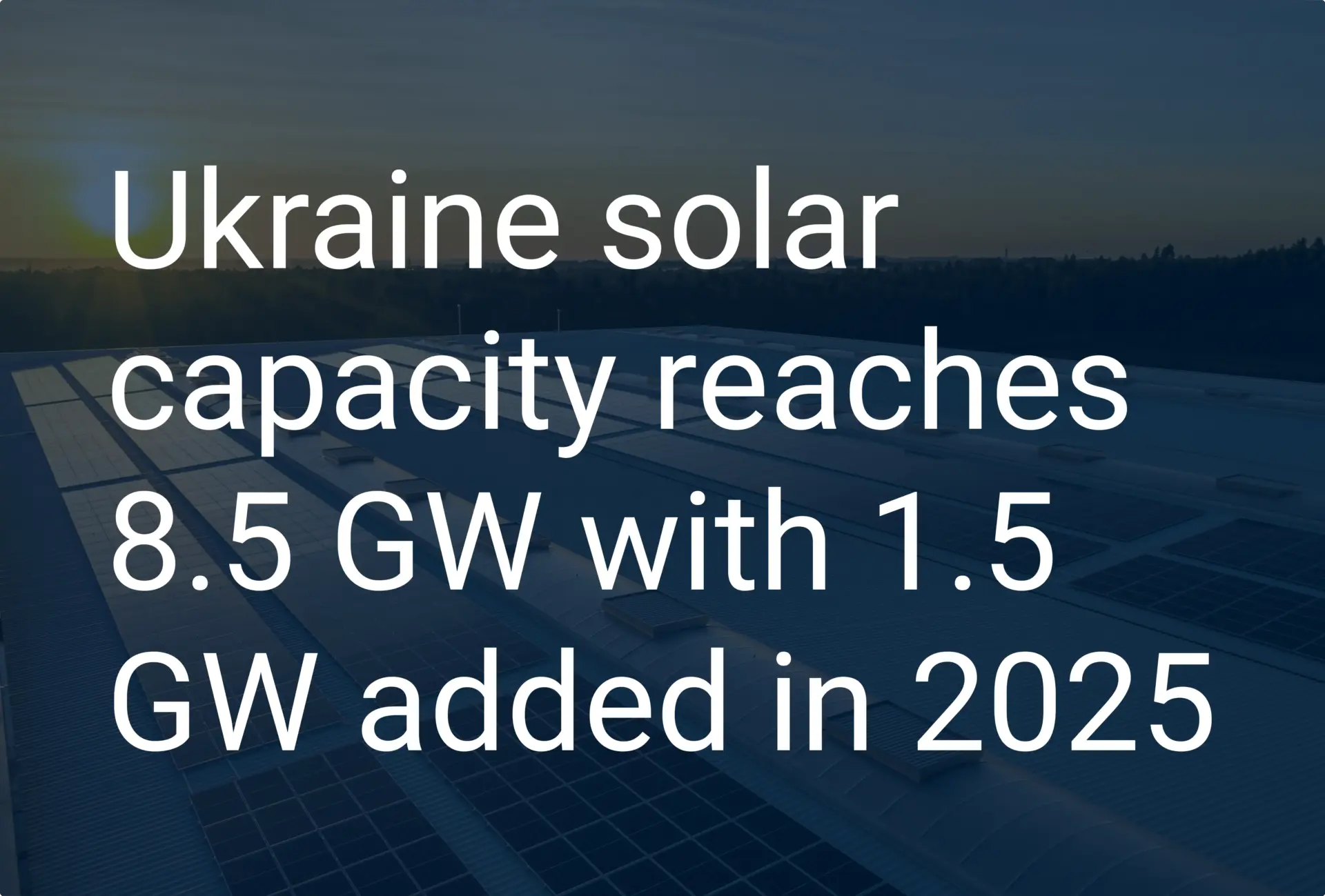
The primary driver for a domestic focus is Ukraine’s immense and immediate need for new energy infrastructure. Extensive damage to the centralized power grid—with estimates suggesting over 50% of generation capacity has been impacted—is driving the country to prioritize decentralized, renewable energy sources. Solar power is a cornerstone of this strategy.
Demand and Market Dynamics
International partners and the Ukrainian government alike recognize this necessity. Initiatives like the EU’s Ukraine Facility and the broader REPowerEU plan signal significant financial support for rebuilding efforts. The consensus is that Ukraine will need at least 1 GW of new generation capacity annually for the foreseeable future simply to recover and modernize.
A local manufacturer is uniquely positioned to serve this demand:
-
Logistical Superiority: Producing modules in-country eliminates cross-border tariffs, complex customs procedures, and high transportation costs, creating a significant competitive advantage over foreign suppliers.
-
Speed and Agility: A domestic factory can respond rapidly to tenders from municipalities, critical infrastructure projects, and private companies, offering shorter lead times than international competitors.
-
Contribution to National Resilience: Aligning the business with national reconstruction goals can foster strong relationships with government bodies and international aid organizations, potentially opening doors to large-scale, long-term contracts.
Challenges of the Domestic Market
While the demand is clear, investors must consider the inherent risks. The operating environment may involve regulatory uncertainty, potential payment delays on large government contracts, and ongoing security concerns that can impact supply chains and operations. Profit margins may also be lower compared to export markets, with a focus on volume and affordability to accelerate reconstruction.
Ready to make big Profits?
The solar Industry is Booming
WE HELP NEWCOMERS to the solar industry start their own solar module production line. Customers can make BIG PROFITS by selling modules and finding investors, without wasting money and time on things they don't need!
The Case for Targeting the EU Export Market
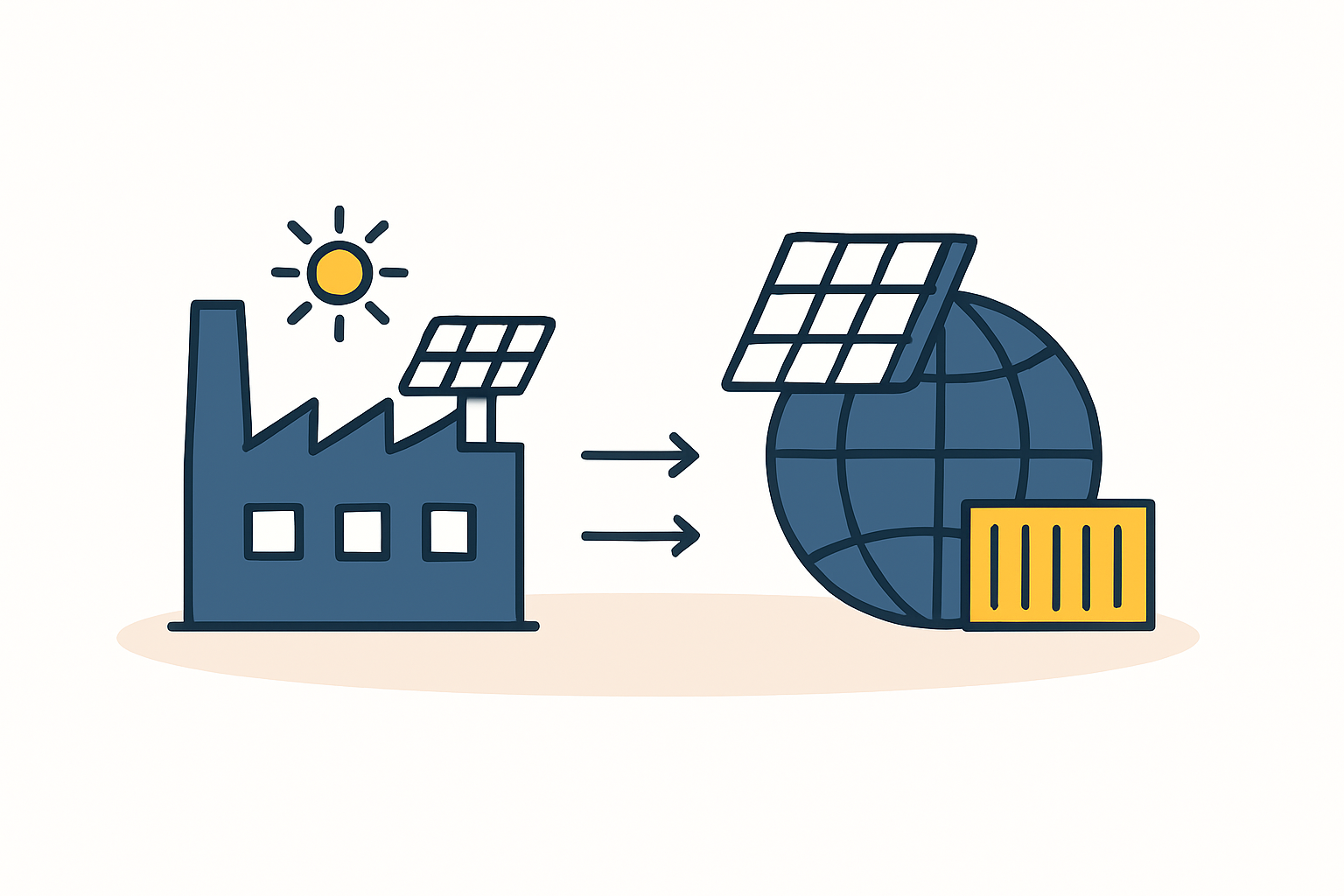
The European Union, meanwhile, represents a highly attractive market for a Ukrainian solar module producer. The EU’s ambitious climate targets, outlined in the Net-Zero Industry Act, fuel sustained demand. In 2023 alone, the EU installed a record 56 GW of solar capacity.
Market Drivers and Opportunities
A Ukrainian factory can capitalize on several key trends within the EU:
-
Supply Chain Diversification: Geopolitical considerations have led to a strong political and commercial appetite for ‘Made in Europe’ or near-shore manufactured solar modules. EU buyers are actively seeking to reduce their dependence on Chinese imports.
-
Favorable Regulations: Recent and upcoming EU regulations, such as the Forced Labour Regulation, place a higher compliance burden on modules from certain regions in Asia. This creates a market opening for manufacturers with transparent and ethically verifiable supply chains—a standard a Ukrainian factory can more easily meet.
-
Higher Profit Margins: The EU market can typically support higher price points for modules, especially for products that meet specific quality standards and can prove their non-Chinese origin.
Challenges of EU Export
Entering the EU market requires a significant investment in quality and compliance.
-
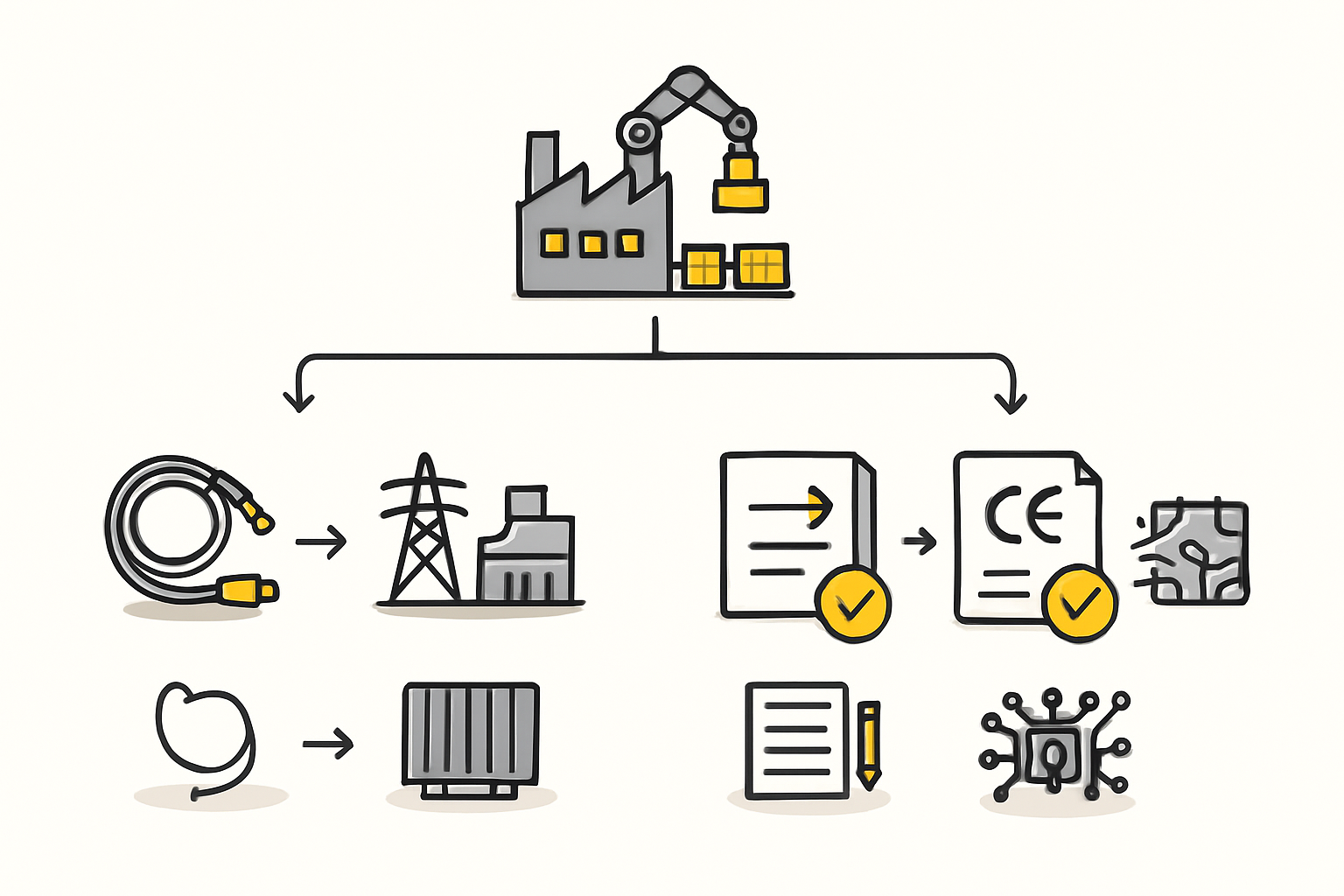
Certification Hurdles: Modules must meet stringent international standards, requiring certifications such as IEC and TÜV. This process is both time-consuming and costly.
-
Intense Competition: The factory will compete with established global players and a growing number of European manufacturers.
-
Logistical Complexity: While geographically close, exporting to the EU still involves customs, transportation, and warehousing logistics that must be managed efficiently.
A Comparative Analysis: Domestic vs. Export
Viewing the two options side-by-side helps clarify the strategic choice. Each path presents a different balance of opportunity and risk.
| Aspect | Ukrainian Domestic Market | EU Export Market |
|---|---|---|
| Primary Demand Driver | Urgent need for energy reconstruction and decentralized power. | Climate goals and supply chain diversification. |
| Market Size | Estimated 1 GW+ annually, with high growth potential. | 56 GW installed in 2023; a stable, mature market. |
| Pricing and Margins | Lower prices, volume-driven, with potentially lower margins. | Higher prices, quality-driven, with higher potential margins. |
| Logistical Complexity | Low, with no customs and low transport costs. | Moderate, requiring customs and international shipping. |
| Regulatory Hurdles | Lower entry barrier, as standards may be more flexible. | High, with mandatory IEC/TÜV certifications. |
| Key Risk Profile | Political instability, payment delays, and security concerns. | High competition, certification failure, and market access challenges. |
| Strategic Advantage | Speed to market, logistical cost advantage, and status as a national priority. | ‘Made in Europe’ appeal and access to premium pricing. |
A Hybrid Strategy: Building Resilience Through Diversification
The analysis reveals that the two paths are not mutually exclusive. A phased, hybrid approach can offer the most resilient business model.
-
Phase 1: Secure the Home Base. The factory could initially focus on the domestic Ukrainian market. This allows the business to ramp up production, generate initial cash flow, and build a track record. The lower regulatory barriers enable a faster start.
-
Phase 2: Prepare for Export. While serving the domestic market, the company can concurrently pursue EU certifications. This allows the operational team to perfect its solar panel manufacturing process and achieve the quality standards required for export.
-
Phase 3: Diversify into the EU. Once certified, the factory can begin allocating a portion of its production to higher-margin EU markets. This diversifies revenue streams and reduces dependence on a single market.
This strategy leverages the immediate domestic opportunity to build a stable financial foundation for launching a long-term, profitable export business. Based on experience from J.v.G. turnkey projects, this phased approach significantly de-risks the venture for new market entrants.
Key Considerations for Investors
Before committing to any strategy, investors must make several foundational decisions:
-
Technology and Product: The choice of cell technology (e.g., PERC, TOPCon) and module type will influence both cost and market suitability. The selection of solar panel manufacturing equipment should allow for future upgrades and flexibility to produce different module specifications for different markets.
-
Factory Scale: A starting capacity of 50–100 MW provides a good balance between investment cost and production volume, suitable for serving initial domestic contracts while being large enough to attract export partners later.
-
Financing and Partnerships: Investigating financial support from international development banks and aid organizations focused on Ukrainian reconstruction can be critical. These partners may favor projects with a strong domestic impact.
The optimal strategy will ultimately depend on an investor’s capital resources, risk tolerance, and long-term vision. By carefully evaluating both domestic and export opportunities, entrepreneurs can build a successful business while playing a vital role in securing Ukraine’s energy future.
Frequently Asked Questions
-
What are the main certifications needed to export solar modules to the EU market?
To sell solar modules in the European Union, manufacturers must typically obtain certifications demonstrating compliance with International Electrotechnical Commission (IEC) standards, such as IEC 61215 (design qualification and type approval) and IEC 61730 (photovoltaic module safety). Certifying bodies like TÜV Rheinland are widely recognized for conducting these tests. -
How long does it typically take to set up a small solar factory?
With a clear plan and an experienced partner, a small- to medium-sized solar module production line (e.g., 50–100 MW) can be operational in approximately 9 to 12 months, from initial planning and equipment procurement to installation and commissioning. -
What is a typical starting investment for a solar module factory?
The required investment varies based on capacity, level of automation, and technology choice. A comprehensive guide on the typical investment for a solar module factory will outline the key cost components, including machinery, building preparations, and working capital. -
Can one factory realistically produce modules for both the Ukrainian and EU markets?
Yes, this is a viable strategy. A well-designed production line can be configured to produce modules that meet different specifications. The key is to plan for this flexibility from the start and to pursue the necessary certifications for the EU market in parallel with initial domestic production. -
How challenging is it to source raw materials for a factory in Ukraine?
Ukraine’s proximity to European suppliers for key materials like solar glass, aluminum frames, and junction boxes offers a logistical advantage. While some materials, such as solar cells, are predominantly sourced from Asia, established European supply hubs can simplify procurement and reduce shipping times compared to other regions.