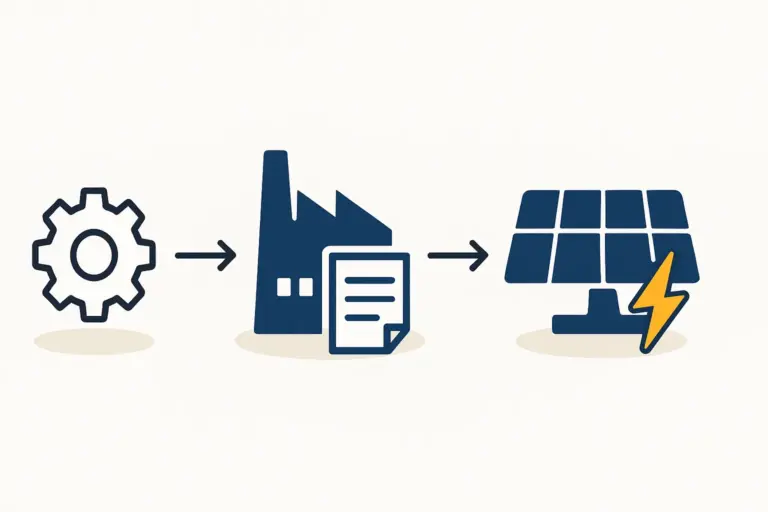
An investor secures funding and finalizes the business plan for a new solar module factory. The initial site visit identifies an affordable plot of land with stunning views, seemingly perfect for the new venture.
However, several months into the planning phase, a critical oversight emerges: the local electricity grid is prone to fluctuations—a condition that could damage sensitive manufacturing equipment and halt production indefinitely. This scenario, common in rapidly developing regions, highlights a crucial truth: in solar manufacturing, the ideal location is defined by technical readiness, not just by price or proximity.
For entrepreneurs and investors considering Saint Lucia as a manufacturing base, the country’s Special Development Areas (SDAs) present a compelling opportunity. These designated zones offer significant incentives and a supportive framework for new industrial projects. However, a successful outcome hinges on a meticulous evaluation of each site’s unique characteristics. This guide offers a practical framework for assessing Saint Lucia’s SDAs, focusing on the essential factors that determine the long-term viability of a solar panel factory.
Understanding Saint Lucia’s Special Development Areas (SDAs)
Saint Lucia’s Special Development Areas are geographically designated zones created to encourage investment and economic growth. Governed by the Special Development Areas Act, these regions offer a suite of fiscal incentives to approved businesses, including waivers on income tax, import duties, and property tax for a specified period. The primary goal is to attract new industries, create employment, and bolster the national economy.
For a prospective solar manufacturer, establishing a facility within an SDA offers several advantages beyond the tax benefits:
- Streamlined Processes: The framework simplifies the application and approval process for new businesses.
- Infrastructure Focus: These areas are often prioritized for infrastructure upgrades, although the level of readiness can vary significantly between zones.
- Government Support: Locating within an SDA signals a commitment to national development goals, which often facilitates stronger collaboration with government agencies.
The key SDAs designated for industrial development include areas in Vieux Fort, Dennery, and Anse La Raye. While all fall under the same legislative act, their practical suitability for a high-tech manufacturing operation like a solar factory varies considerably.
Critical Evaluation Criteria for Your Factory Site
Selecting the right piece of land involves a multi-layered analysis that goes far beyond the listed price per acre. For a solar module assembly line, where precision and consistency are paramount, the quality of the surrounding infrastructure is non-negotiable.
Land and Infrastructure Readiness
The physical plot of land must accommodate not only the factory building but also storage for raw materials, finished goods, and logistical operations.
-
Vieux Fort: This area, particularly the industrial zones near Hewanorra International Airport, is generally considered the most developed for industrial purposes. It features larger, pre-cleared plots specifically prepared for factory construction. Land costs here may be higher, reflecting the advanced state of readiness. A typical 50 MW solar factory requires approximately 10,000 square meters (about 2.5 acres), a size readily available in this zone.
-
Dennery and Anse La Raye: These areas may offer more competitive land prices but often require a more significant initial investment in site preparation. An investor may need to budget for land clearing, grading, and the construction of access roads. While potentially cost-effective upfront, these preparatory activities can extend the project timeline.
Ready to make big Profits?
The solar Industry is Booming
WE HELP NEWCOMERS to the solar industry start their own solar module production line. Customers can make BIG PROFITS by selling modules and finding investors, without wasting money and time on things they don't need!
A thorough site survey is essential to confirm soil stability, assess drainage, and plan the facility layout efficiently. Understanding the complete building requirements for a solar factory is a crucial first step before committing to a specific plot.
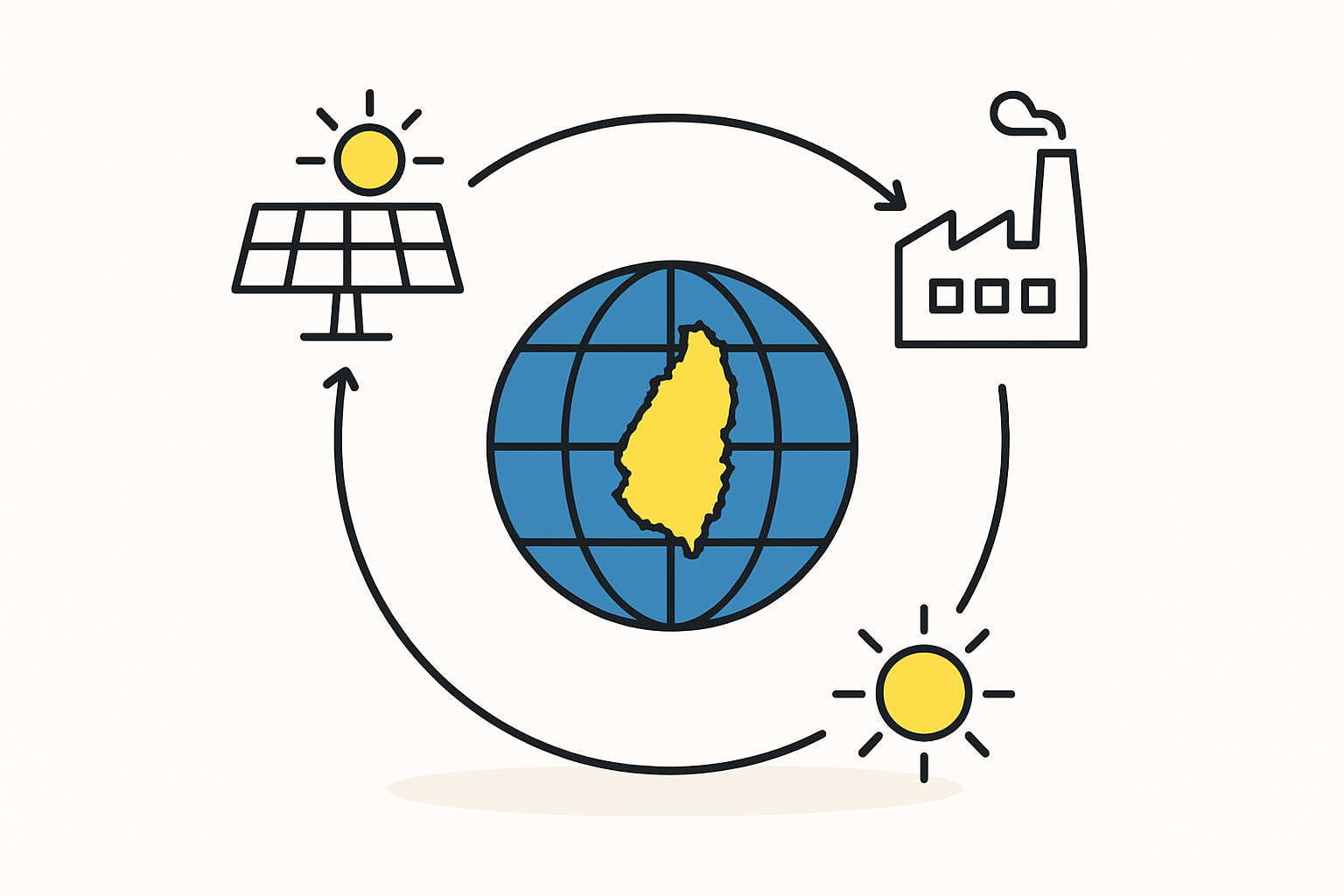
Utility Access: Power, Water, and Connectivity
Consistent and stable utilities are the lifeblood of a modern manufacturing plant. Deficiencies in these areas can lead to production delays, equipment damage, and significant unforeseen costs.
-
Electricity Grid Stability: This is arguably the most critical factor. Machines like solar cell stringers and laminators are highly sensitive to voltage fluctuations. The industrial zones in Vieux Fort generally benefit from a more robust power supply due to their proximity to key national infrastructure. In other, more remote SDA locations, conducting a detailed power quality assessment is critical. The cost of installing industrial-grade voltage stabilizers or a dedicated backup power system must be factored into the initial investment budget for a solar factory. Based on experience from J.v.G. turnkey projects, an unstable power grid is one of the most common and costly operational challenges for new manufacturers.
-
Water Supply: Solar module production requires a reliable source of water, primarily for cleaning glass and for cooling systems. Ensure the municipal supply in the chosen zone can meet the factory’s daily demand without interruption.
-
Telecommunications: High-speed internet is essential for modern process control systems, supply chain management, and communication with international partners. Verify the availability of fiber-optic or other high-reliability connectivity at the site.
Logistics and Supply Chain Connectivity
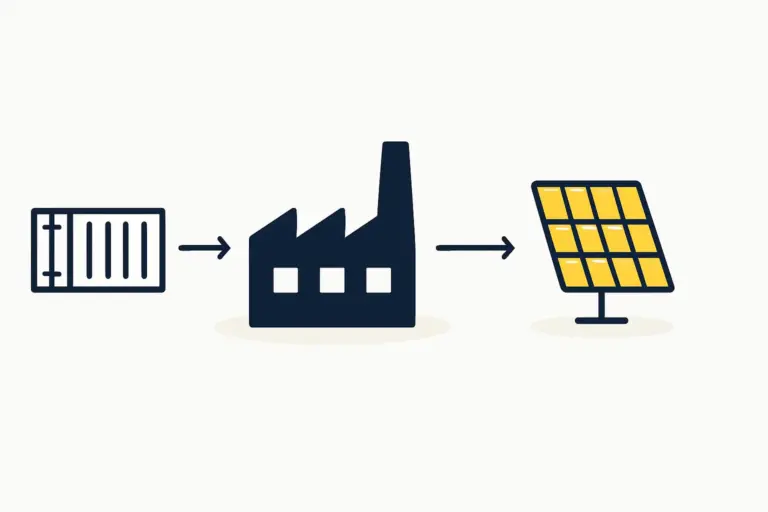
A solar factory operates on a global supply chain, importing raw materials like solar cells, EVA film, and glass, and exporting finished modules to regional or international markets. Efficient logistics are central to profitability.
The strategic location of Vieux Fort, with its proximity to both the Hewanorra International Airport and the main seaport, offers a distinct logistical advantage. This minimizes inland transportation costs and reduces the risk of delays or damage to sensitive materials.
For sites in Dennery or Anse La Raye, evaluating the condition of the road network connecting the factory to these primary ports is critical. Transportation time, road weight limits, and potential bottlenecks should all be considered, as they directly impact operational costs and efficiency.
Making an Informed Decision
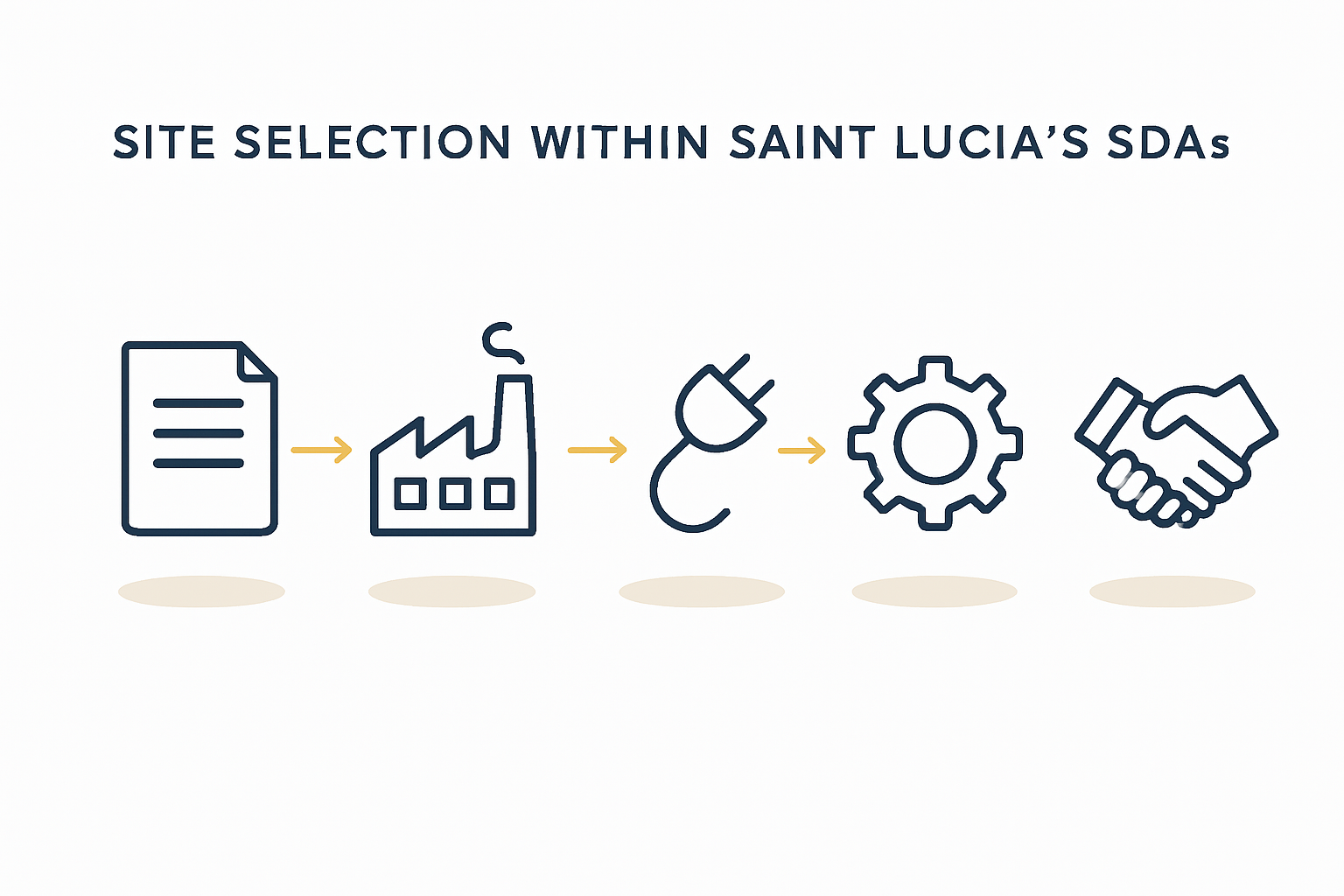
Choosing a site in Saint Lucia’s Special Development Areas is a strategic decision that will influence a project’s success for years to come. While the fiscal incentives are attractive across all designated zones, the practical realities of infrastructure, utilities, and logistics must guide the final choice.
The industrial zones in Vieux Fort are often the lowest-risk option for a new solar manufacturing venture due to their superior infrastructure and logistical connectivity. However, a diligent investor may find unique opportunities in other SDAs, provided they conduct a comprehensive due diligence process to quantify and mitigate any infrastructural gaps. Partnering with experienced consultants who understand both the technical requirements of a solar module production line and the local operating environment can be invaluable in navigating this critical decision-making process.
Frequently Asked Questions (FAQ)
What are the primary financial incentives offered within a Saint Lucian SDA?
Approved enterprises within an SDA can benefit from a tax holiday of up to 15 years, which includes a waiver on corporate income tax. They are also exempt from import duties and taxes on machinery, equipment, and raw materials imported for the construction and operation of the facility.
How does one apply for SDA status for a new project?
An investor must submit a detailed proposal to Invest Saint Lucia, the government’s official investment promotion agency. The application should include a comprehensive business plan, financial projections, and details on the project’s potential economic impact, such as job creation.
Is it better to lease or purchase land in an industrial zone?
Both options are typically available. Leasing can reduce the initial capital outlay, preserving funds for equipment and operational expenses. Purchasing provides a long-term asset and greater control over the property. The decision often depends on the investor’s financial strategy and long-term commitment to the location.
What level of due diligence is required for utility connections?
Commissioning an independent technical audit of the utility services at shortlisted sites is highly recommended. For electricity, this involves a power quality study to measure voltage stability and identify potential fluctuations. For water, it includes verifying supply pressure and volume. These studies provide the empirical data needed to plan for any necessary conditioning equipment.