An entrepreneur in Samoa may have a detailed blueprint for a solar module factory—the building secured, the machinery specified, and a local workforce ready. Yet, the entire operation hinges on an often-underestimated factor: the successful importation of raw materials.
A container of high-quality solar cells delayed at the Port of Apia over incorrect paperwork, or an unexpected tariff that inflates production costs, can jeopardize a project before the first module is assembled.
For any business professional entering the solar manufacturing sector in Samoa, understanding the nuances of import logistics and customs is not a secondary task; it is a foundational pillar of a viable business strategy. This guide outlines the key considerations, from navigating tariffs to managing the supply chain complexities specific to a Pacific island nation.
The Foundation of Samoan Imports: Customs and Tariffs
The journey of your raw materials—solar cells, EVA encapsulant, tempered glass—begins long before they reach Samoan shores. It starts with a clear understanding of the regulatory environment governed by the Samoa Ministry of Customs & Revenue (MCR).
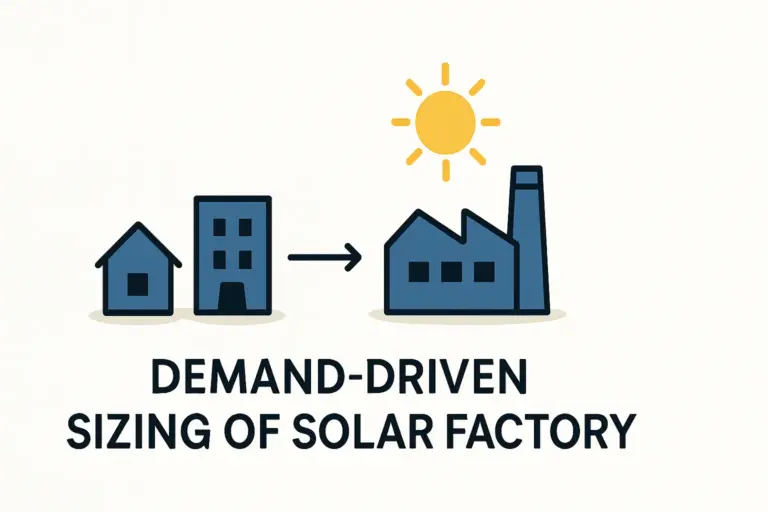
While Samoa imposes a tariff of around 20% on imported, fully assembled solar panels, the situation for raw materials intended for local manufacturing is quite different. This distinction lies at the core of the business case for local assembly. Importing components to create a finished product locally offers significant financial advantages, provided the process is managed correctly.
The key is ensuring that each component is classified under its proper Harmonized System (HS) code. This international system of names and numbers dictates the tariff rate applied to every traded product. For example, a shipment of solar cells (HS code 8541.40) is treated differently by customs than a shipment of solar glass (HS code 7007.19). Incorrect classification is a common and costly error for newcomers.
Navigating the Logistical Realities of an Island Nation
Sourcing components from major manufacturing hubs in China, Vietnam, or Malaysia presents a unique set of logistical challenges for a factory in Apia. Unlike continental locations with multiple land and sea routes, Samoa depends on maritime shipping schedules that can be infrequent.
A business professional must consider:
-
Extended Lead Times: Shipping routes to the Pacific islands are longer and less frequent, which requires placing orders for materials far in advance of production needs.
-
Supply Chain Resilience: A single delay—due to weather, port congestion in a trans-shipment hub, or administrative issues—can halt production. Successful operators build buffer stock into their inventory management as a critical part of a resilient supply chain.
-
Local Infrastructure: Upon arrival in Apia, the availability of suitable warehousing for sensitive electronic components and large panes of glass must be confirmed. Proper storage is essential to prevent material degradation.
Drawing on experience from J.v.G. turnkey projects in diverse markets, a robust logistics plan that accounts for these variables is as crucial as the technical specifications of the production line.
Customs Procedures and the Critical Role of Documentation
A smooth customs clearance process hinges on accurate and complete documentation. Any discrepancy can lead to delays, inspections, and potential fines, all of which add cost and uncertainty to the operation.
The commercial invoice, bill of lading, and packing list must be impeccable. The most critical element, however, is the correct declaration of HS codes for every item in the shipment. This single detail tells customs authorities the nature of the goods and the duty owed. Overlooking this can mean paying a higher tariff than necessary or facing penalties for misdeclaration. Engaging a reputable, local customs broker in Apia is a prudent investment for ensuring compliance and efficiency.
Strategic Sourcing: The Impact of Regional Trade Agreements
While Asia is the dominant source for many solar components, Samoa’s membership in regional trade agreements opens up alternative sourcing strategies. The Pacific Island Countries Trade Agreement (PICTA) and the Pacific Agreement on Closer Economic Relations (PACER Plus) may offer preferential, lower tariff rates for materials sourced from member countries like Australia and New Zealand.
Entrepreneurs must conduct a cost-benefit analysis:
-
Sourcing from Asia: Typically offers lower unit costs and a wider variety of suppliers.
-
Sourcing from PICTA/PACER Plus Nations: May have higher unit costs but could be offset by significantly lower import duties and potentially shorter, more reliable shipping routes.
This decision directly impacts the factory’s financial viability and should be a core part of the initial feasibility study and business plan. The choice of suppliers is intrinsically linked to the broader business plan and its financial projections.
Financial Planning and Government Incentives
Beyond tariffs, two other financial factors require careful management:
-
Currency Fluctuation: Solar components are typically purchased in US Dollars (USD), while local sales and operating costs in Samoa are in the Samoan tālā (WST). This currency exposure creates a financial risk that must be managed through appropriate financial instruments or pricing strategies.
-
Manufacturing Incentives: The Samoan government, through bodies like the Ministry of Commerce, Industry and Labour (MCIL), may offer incentives for establishing local manufacturing facilities. These could include duty exemptions or reductions on imported raw materials and capital equipment. Investigating these potential programs is an essential step in the planning phase, as the right incentives can substantially improve the project’s financial outlook.
Ultimately, these import-related factors make careful raw material selection as much a strategic financial decision as a technical one.
Frequently Asked Questions (FAQ)
What is the primary difference between a tariff on a finished solar panel and on a raw material?
A tariff on a finished product is often designed to protect local industries or generate revenue. Tariffs on raw materials for local manufacturing are frequently lower—or even zero if incentives apply—to encourage domestic production, job creation, and industrial development.
Why is the HS code so important for importing?
The Harmonized System (HS) code is a universal language for customs officials worldwide. It determines the exact import duty rate, informs officials if a product is subject to any special requirements or restrictions, and ensures accurate trade statistics. An incorrect code can lead to paying the wrong duty and causing significant delays.
Can I handle the customs process myself, or is a customs broker necessary?
While a business can technically handle its own customs declarations, it is highly inadvisable for those new to importing. The process is complex, and regulations change. A licensed customs broker has the expertise to ensure compliance, handle paperwork correctly, and resolve issues efficiently, saving time and money in the long run.
How far in advance should I order components for a factory in Samoa?
Given the shipping logistics to the Pacific, a planning horizon of at least four to six months from order placement to delivery at your factory is a safe starting point. This accounts for the supplier’s manufacturing time, sea transit, and potential customs clearance delays. This lead time must be factored into your production schedule and working capital calculations.