There’s a common perception that any solar module can meet the needs of an energy-deficient market. However, anyone entering the solar industry in a country like Tanzania quickly learns a critical lesson: success isn’t determined by the availability of solar panels, but by having the right ones.
Tanzania is a land of vast opportunity. Over 80% of its 60 million people live without access to the national grid, yet the country is blessed with abundant solar irradiation of 4–7 kWh per square meter daily. This opportunity, however, is also highly specific. It demands a product strategy tailored not to global trends, but to the distinct needs of rural households and the nation’s agricultural backbone.
For an entrepreneur, getting this distinction right is the difference between a stalled venture and a thriving enterprise. The key lies in understanding that a module designed for a European rooftop is fundamentally different from one needed to power a water pump in the Dodoma Region or light a home near Lake Victoria. This article outlines the strategic considerations for designing and producing solar modules for Tanzania’s two largest and most promising markets: off-grid residential and agricultural irrigation.
Identifying the Core Markets: Residential vs. Agricultural Needs
A one-size-fits-all manufacturing strategy is an inefficient approach, unlikely to capture significant market share. In Tanzania, the solar market is clearly segmented, and each segment requires a purpose-built product. The government’s National Electrification Plan, which targets universal energy access by 2030, heavily emphasizes off-grid solutions, creating a supportive environment for specialized producers.
The Off-Grid Residential Sector: Powering Homes
The largest immediate market is for residential power. Rural and peri-urban households currently rely on expensive and inefficient alternatives like kerosene for lighting. Their primary need is for small, affordable power systems for basic amenities: lighting, charging mobile phones, and powering a small radio or television.
Product Requirements:
- Power Output: Small modules, typically ranging from 10W to 100W, are sufficient for these applications.
- Cost-Effectiveness: Affordability is the primary factor in any purchasing decision. Production must be optimized for low cost without sacrificing essential durability.
- Durability and Portability: Modules must be robust enough to withstand transport over rough roads and handling by non-experts. Smaller, lighter panels are often preferred.
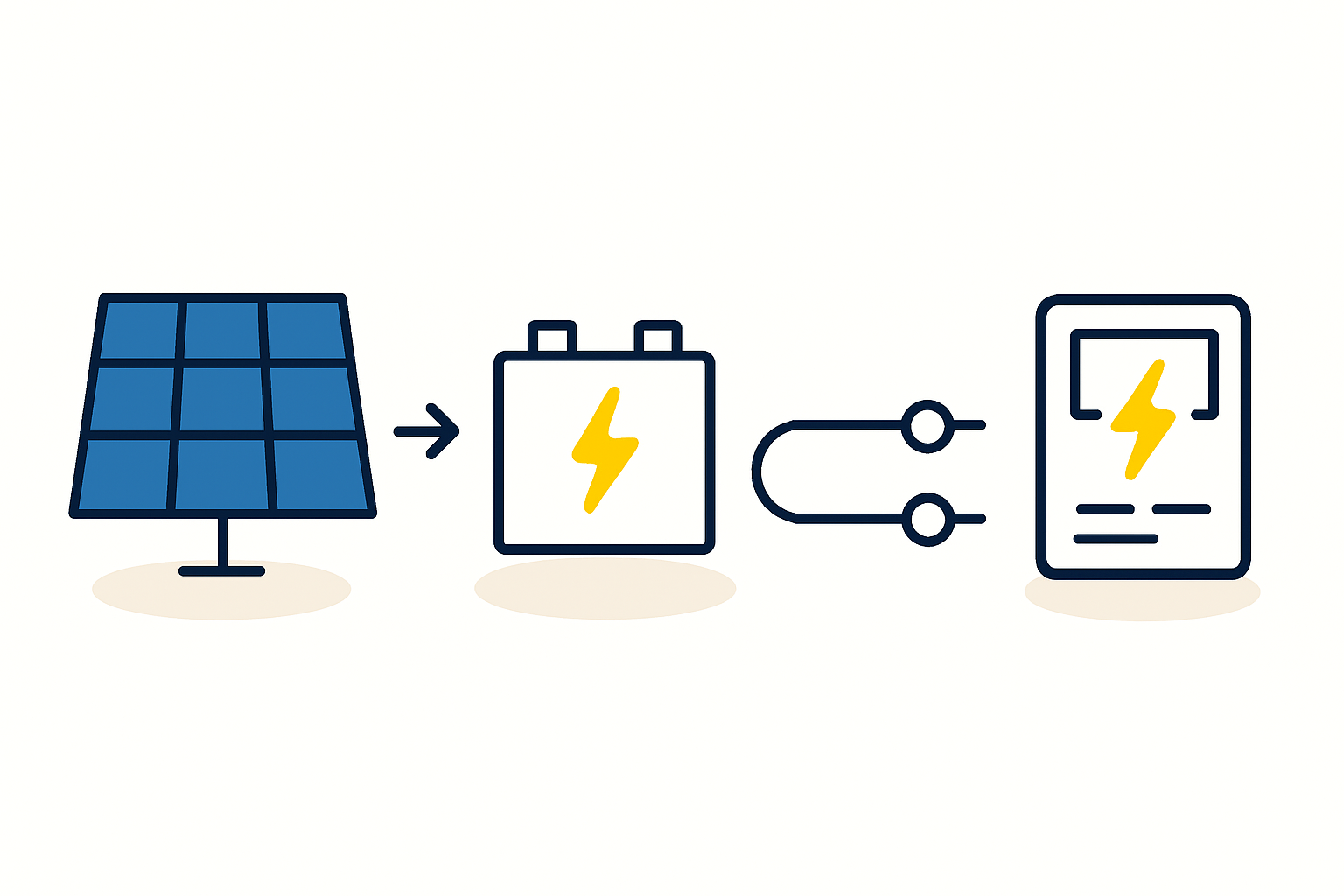
- System Compatibility: The modules must be designed to work seamlessly with common 12V and 24V batteries and charge controllers, which form the backbone of small solar home systems.
The Agricultural Sector: Powering Productivity
Agriculture is the cornerstone of the Tanzanian economy, contributing over 27% to the GDP and employing roughly 65% of the workforce. The sector is overwhelmingly dependent on rain-fed farming, making it vulnerable to climate variability. Solar water pumps represent a transformative technology, enabling farmers to access groundwater for irrigation, improve crop yields, and farm throughout the year.
Product Requirements:
- Power Output: These applications require more power, with module sizes ranging from 150W to 350W to operate water pumps effectively.
- High Efficiency: To minimize the number of panels and the land area they require (their footprint), higher-efficiency modules are preferred. This is critical for generating enough power during peak sun hours.
- Robustness: Agricultural modules are exposed to harsh conditions—including high dust levels, extreme heat, and potential impacts. They must be designed for long-term reliability.
Technical Design for the Tanzanian Environment: Key Considerations
A product strategy aligned with these market needs directly influences the technical design of the solar module and the underlying solar panel manufacturing process. An investor must focus on building a product that is not just functional, but resilient.
Durability: Building Modules That Last
The operational environment in Tanzania is demanding. Ambient temperatures can exceed 40°C, UV radiation is intense, and seasonal dust can be a major issue. A successful module must be engineered for these specific conditions.
- Materials: Using high-quality, UV-resistant encapsulants (EVA) and backsheets is critical to prevent premature degradation.
- Frame and Junction Box: A strong, corrosion-resistant aluminum frame is necessary to protect the module during transport and installation. A junction box with an IP67 or IP68 rating is essential for protecting the electrical connections from dust and moisture.
- Glass: Tempered, high-transparency glass protects the solar cells while ensuring maximum light absorption.
Cell Technology: Balancing Cost and Performance
The choice of solar cell technology directly impacts both a module’s cost and its performance characteristics.
Ready to make big Profits?
The solar Industry is Booming
WE HELP NEWCOMERS to the solar industry start their own solar module production line. Customers can make BIG PROFITS by selling modules and finding investors, without wasting money and time on things they don't need!
- Polycrystalline Cells: For the cost-sensitive residential market, polycrystalline cells are often the most suitable choice. Their lower manufacturing cost translates into a more affordable final product—a key requirement for basic energy access.
- Monocrystalline PERC Cells: For agricultural irrigation, where performance is paramount, Monocrystalline PERC (Passivated Emitter and Rear Cell) technology is the superior choice. These cells offer higher efficiency, meaning more power is generated from a smaller area. They also perform better in high-temperature conditions—a crucial advantage in Tanzania’s climate.
Production and Compliance: Aligning with Local Standards
Market acceptance depends on trust. Adhering to standards set by the Tanzania Bureau of Standards (TBS) for solar products is not optional; it is a prerequisite for building a reputable brand. Establishing a local production facility allows an entrepreneur to ensure that every module meets these standards from the outset.
A well-planned factory, potentially set up as a turnkey solar manufacturing line, can be calibrated to produce modules that are pre-certified for the local market, removing a significant barrier to entry.
From Concept to Factory: The Business Implications
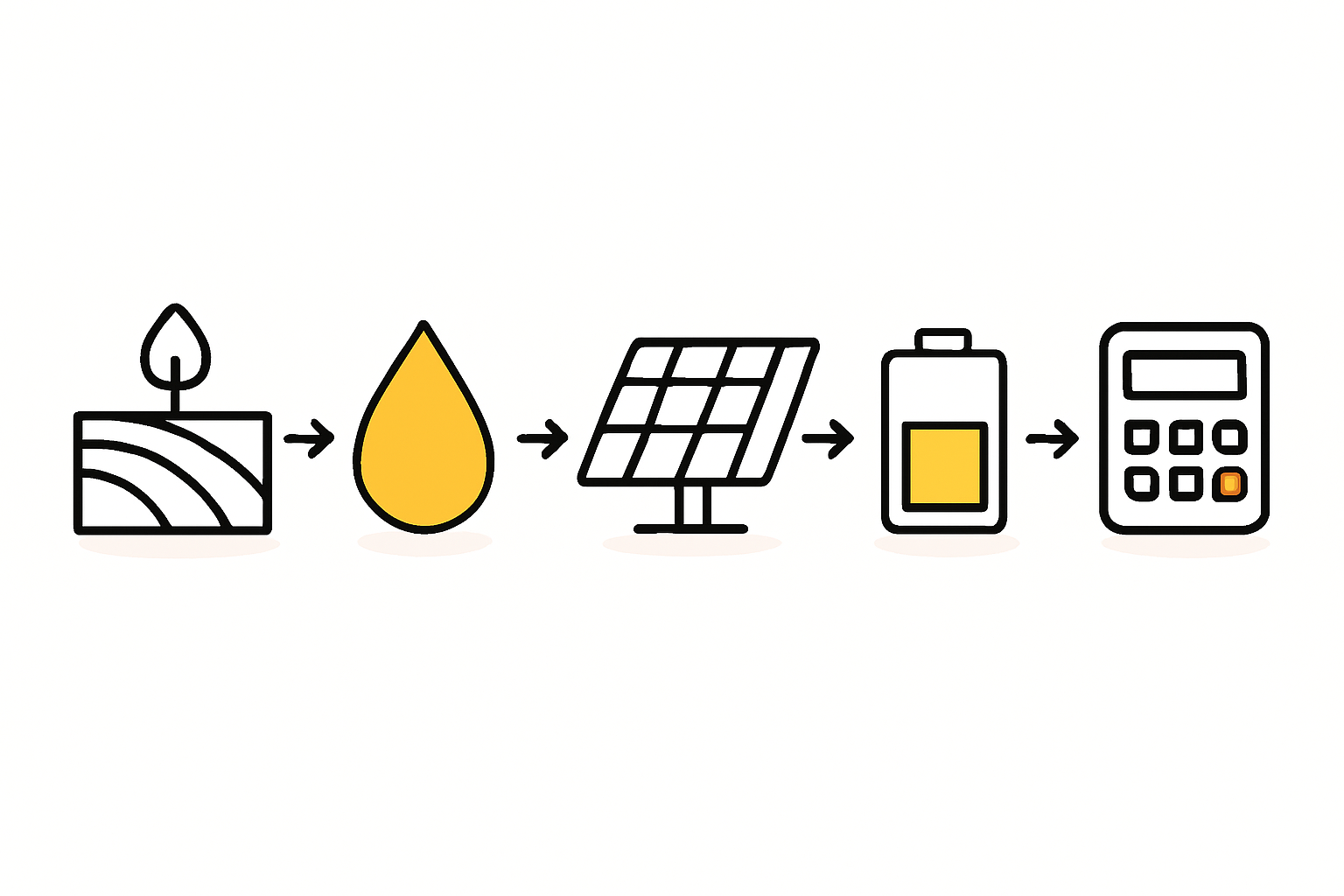
This product-led approach directly shapes the business plan. The decision to target either the residential or agricultural market will dictate the factory’s layout, the required capital investment, and the specific list of solar panel manufacturing machines needed.
For instance, a facility focused on 50W polycrystalline modules for households will require different stringer machines and laminators than a factory designed to produce 350W monocrystalline PERC panels for commercial farms. A thorough understanding of how to start a solar module production business involves aligning this product strategy with a realistic financial and operational plan from day one. Based on experience from J.v.G. turnkey projects, this alignment is a critical factor in long-term success.
Frequently Asked Questions (FAQ)
What is the main difference between polycrystalline and monocrystalline cells for this market?
For the Tanzanian market, the choice comes down to a trade-off between cost and efficiency. Polycrystalline cells are less expensive to produce, making them ideal for small, affordable residential modules where price is the main consideration. Monocrystalline PERC cells are more efficient and perform better in high heat, making them the superior choice for agricultural applications like water pumping, where maximizing power output is the primary goal.
Why is 12V/24V system compatibility so important for off-grid modules?
Most off-grid solar home systems are built around 12V or 24V batteries and charge controllers. These components are widely available and have become the de facto standard. A solar module that is not designed to charge these systems efficiently will have limited market appeal, as it would require non-standard, more expensive companion equipment.
Can a single factory produce modules for both residential and agricultural markets?
Yes, a single factory can produce a range of modules, but this requires a flexible production line and careful planning. The machinery must be capable of handling different cell sizes, module dimensions, and bills of materials. While it increases operational complexity, a flexible setup allows a business to serve multiple market segments.
How does local manufacturing benefit a business in Tanzania?
Local manufacturing offers several strategic advantages. It allows a business to tailor products precisely to local needs, reduce shipping costs and import complexities, and respond more quickly to market demand. It also demonstrates a commitment to the local economy, which can build brand reputation and may align with government incentives promoting local industry.
Conclusion: A Strategic Approach to a Growing Market
The opportunity in Tanzania’s solar sector is not for generalists. It belongs to strategic specialists who understand the nuanced demands of the local market. Success will come to entrepreneurs who move beyond simply importing standard products and instead focus on designing and manufacturing modules purpose-built for the nation’s off-grid homes and farms.
By aligning technical design with market needs—from cell technology to frame construction—a new manufacturing venture can establish a powerful competitive advantage. This product-centric strategy is the first and most critical step in building a sustainable and impactful business in one of Africa’s most promising solar markets.