An investor planning to establish a solar module factory in Tanzania faces a critical early decision: where to build. While capital and technology are fundamental, the choice of location can shape a project’s long-term financial viability, operational efficiency, and overall success. This decision often hinges on a key strategic question—whether to locate within one of Tanzania’s designated Special Economic Zones (SEZs) or in a standard industrial area.
This article compares these two options, examining the distinct advantages offered by SEZs, such as fiscal incentives and robust infrastructure, and weighing them against the flexibility of operating outside these designated zones. The aim is to equip prospective investors with a clear framework for making this foundational decision.
Understanding the Tanzanian Industrial Landscape
Tanzania’s strategic position makes it a natural gateway to the markets of the East African Community (EAC) and neighboring landlocked countries like Burundi, Rwanda, Uganda, and the Democratic Republic of Congo. Recognizing this potential, the Tanzanian government has actively fostered a more attractive environment for foreign direct investment, particularly in manufacturing.
Central to this strategy is the establishment of Special Economic Zones, managed by the Export Processing Zones Authority (EPZA). These geographically designated areas are designed to offer investors a superior operating environment with high-quality infrastructure, streamlined administrative procedures, and a compelling package of fiscal incentives. This initiative is designed to overcome challenges common across the broader industrial landscape.
Key Advantages of Operating within a Tanzanian SEZ
For a new solar module manufacturing venture, locating within an SEZ offers significant, measurable benefits that directly impact both capital expenditure and long-term profitability.
Fiscal Incentives and Tax Benefits
The most prominent advantage of an SEZ is its comprehensive package of fiscal incentives. Under EPZA regulations, companies operating within these zones are granted a 10-year exemption from corporate income tax.
They also benefit from an exemption from withholding taxes on dividends, interest, and royalties for the same 10-year period, significantly enhancing financial returns for investors during the critical first decade of operations. The import of capital goods, machinery, and raw materials is also exempt from customs duties and Value Added Tax (VAT), substantially lowering the initial investment required to set up the factory.
Infrastructure and Utilities
SEZs are developed as self-contained industrial hubs with reliable, high-quality infrastructure. This typically includes paved access roads, stable electricity from the national grid (often with backup provisions), a consistent water supply, and modern telecommunications services. For a power-intensive operation like solar module manufacturing, access to a stable electricity supply is a critical operational advantage.
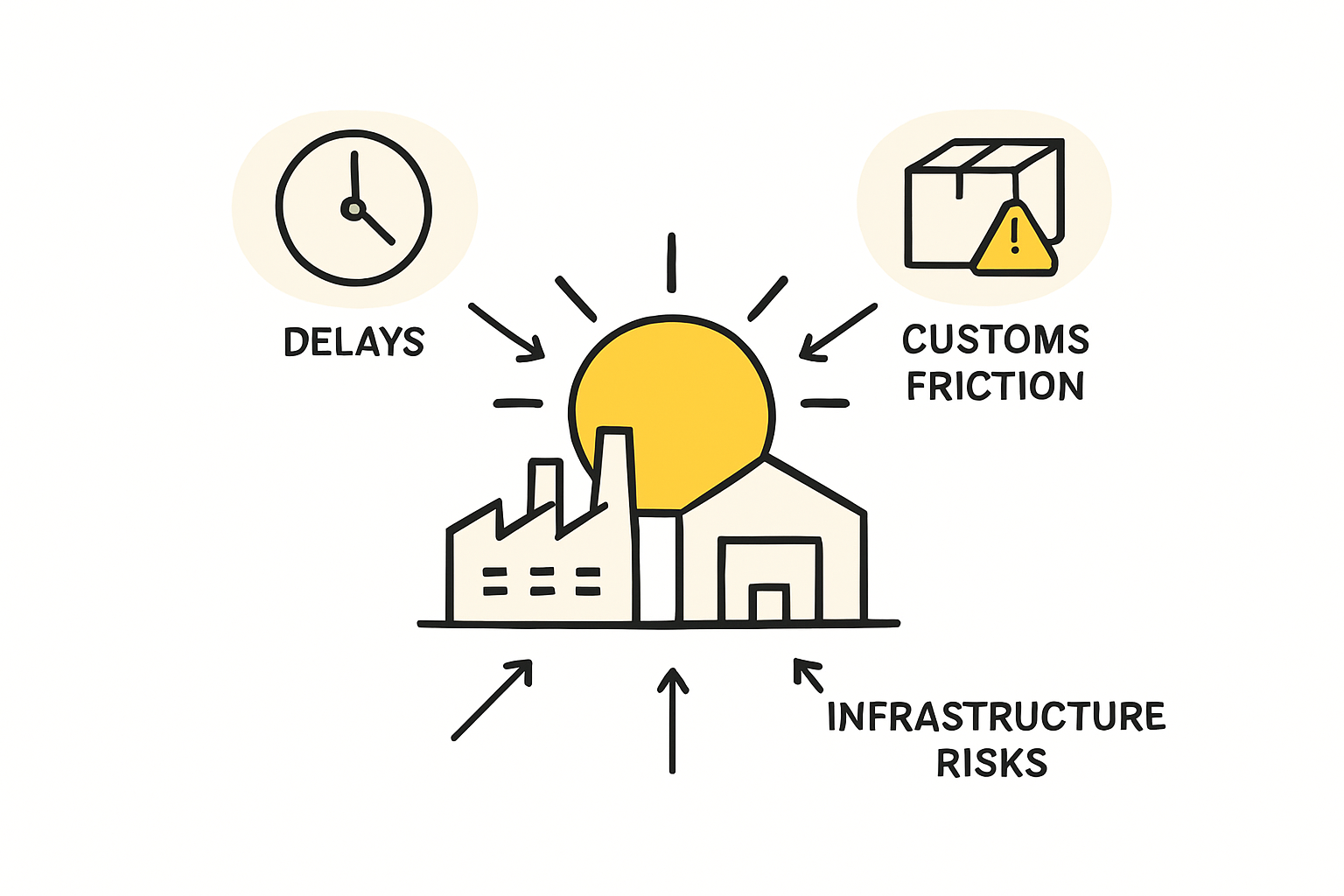
By contrast, an investor setting up in a more remote, non-designated area may need to invest significant capital to build this basic infrastructure themselves, from access roads to a reliable power connection. This not only increases costs but also extends project timelines.
Ready to make big Profits?
The solar Industry is Booming
WE HELP NEWCOMERS to the solar industry start their own solar module production line. Customers can make BIG PROFITS by selling modules and finding investors, without wasting money and time on things they don't need!
Streamlined Bureaucracy and Logistics
Navigating the administrative and regulatory requirements of a new market can be a complex undertaking. SEZs address this challenge by hosting a ‘one-stop service center.’ This facility consolidates representatives from various government agencies—such as the Tanzania Revenue Authority (TRA), immigration services, and business registration bodies—under one roof. This model dramatically simplifies the process of obtaining permits, licenses, and clearances, saving valuable time and resources.
Many SEZs are also strategically located near major logistical hubs, benefiting from national infrastructure projects like the modernization of the Port of Dar es Salaam and the development of the Standard Gauge Railway (SGR). This proximity facilitates more efficient import of raw materials and export of finished solar modules.
Considerations for Locating Outside an SEZ
While the benefits of an SEZ are compelling, certain circumstances may warrant considering an alternative location—a decision that requires carefully weighing the trade-offs.
Greater Location Flexibility
An investor’s strategy might require a location outside a pre-defined zone. For instance, a factory could be strategically placed closer to a specific raw material supplier or a regional domestic market that is not adjacent to an existing SEZ. Given that Tanzania has high solar irradiation levels across vast areas of the country, a business model focused on serving utility-scale solar farms might benefit from a location nearer to these projects, which may lie outside designated industrial zones.
Potential for Lower Initial Land Costs
In some cases, the cost of acquiring or leasing land in a non-designated industrial area can be lower than within a prime, fully serviced SEZ. However, this potential upfront saving must be carefully balanced against the likely increase in capital expenditure for infrastructure development. A thorough cost-benefit analysis is essential to determine the true total cost of establishment in each scenario.
A Comparative Framework for Decision-Making
The optimal location for a solar module factory depends on the investor’s specific business model and strategic priorities. The decision can be guided by several key factors.
-
Investment Horizon and Financial Model
The generous 10-year tax holiday makes SEZs particularly attractive for long-term, export-focused investments. To accurately assess this benefit, an investor will need a detailed and realistic solar module manufacturing business plan that projects revenues and costs over at least a decade. -
Operational Complexity and Risk Appetite
SEZs are fundamentally designed to de-risk investment. Reliable utilities and a one-stop administrative center remove significant operational variables and potential delays. An investor with a higher risk tolerance and extensive experience navigating emerging markets may feel more comfortable managing these complexities independently outside an SEZ. -
Target Market Focus
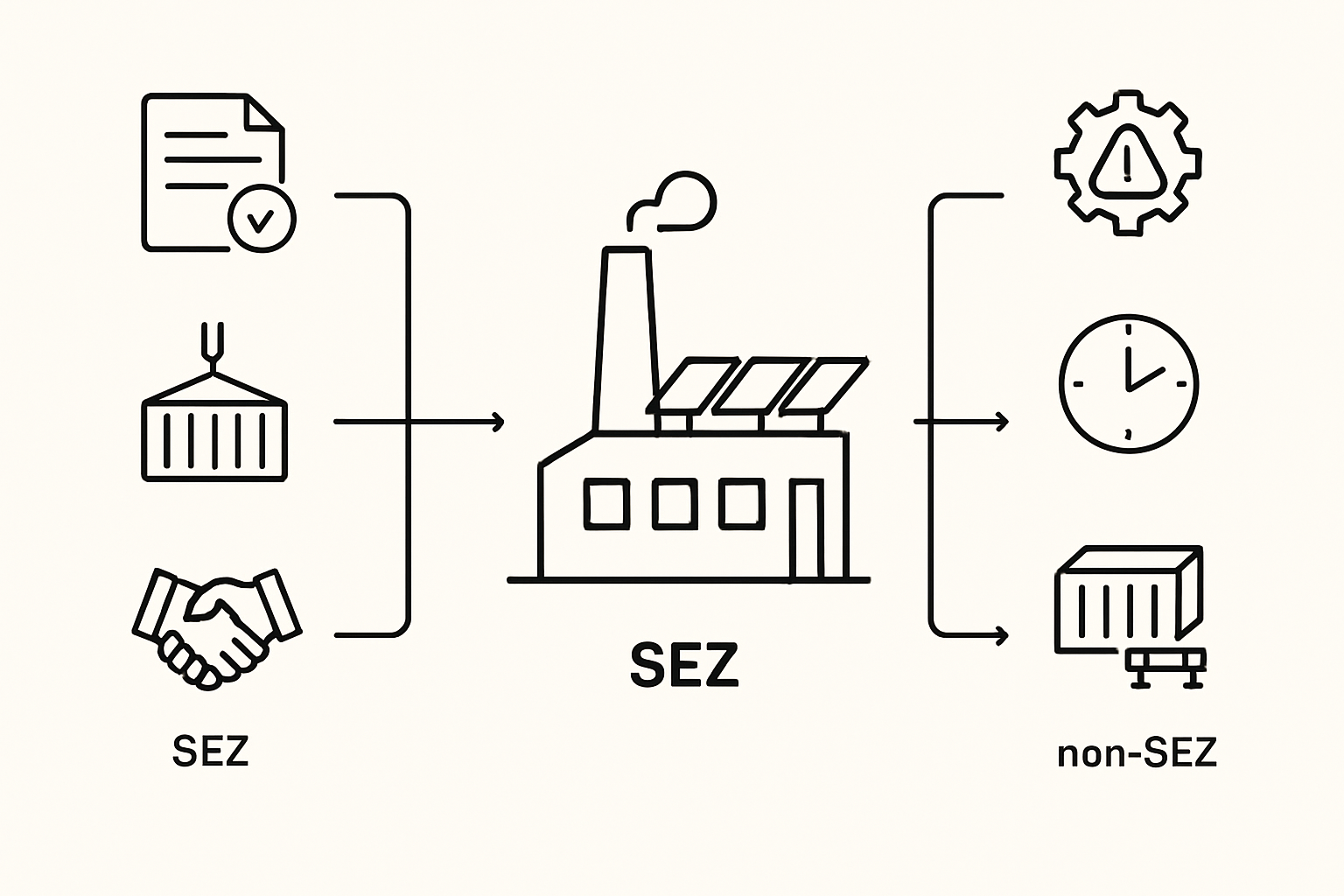
SEZ regulations generally mandate that at least 80% of goods produced are destined for export, which aligns perfectly with leveraging Tanzania’s access to the wider EAC market. If the primary business focus is the domestic Tanzanian market, the benefits of the SEZ structure may be less pronounced, as sales to the local market (up to 20%) are subject to standard taxes.
The choice of location also has implications for the type and scale of machinery. The layout and specifications of the solar panel manufacturing equipment should be planned in conjunction with the chosen site’s capabilities and constraints. Based on experience from J.v.G. Technology GmbH turnkey projects, integrating site selection and equipment planning early in the process prevents costly revisions later.
Frequently Asked Questions (FAQ)
What is the minimum investment required to qualify for an SEZ in Tanzania?
For foreign investors, the minimum required capital investment to qualify for an SEZ license is typically USD 500,000. For local investors, the threshold is lower, at USD 100,000.
Can a factory in an SEZ sell products to the domestic Tanzanian market?
Yes, companies within an SEZ are permitted to sell up to 20% of their total output to the domestic market. However, these sales are subject to the standard customs duties and taxes applicable in Tanzania.
How does site selection impact workforce availability?
Most major SEZs are strategically located near urban centers like Dar es Salaam or Arusha. This gives them access to a larger and more diverse pool of skilled and semi-skilled labor than more remote, rural locations would.
Are there specific SEZs in Tanzania recommended for manufacturing?
Several zones are well-suited for manufacturing. The Benjamin William Mkapa SEZ in Dar es Salaam is one of the most established and offers excellent proximity to the country’s main port. Other zones are being developed across the country, each with unique logistical advantages.
Making an Informed Site Selection Decision
The choice between establishing a solar module factory within a Tanzanian SEZ or at an alternative site is a strategic trade-off. It comes down to balancing the powerful fiscal and infrastructural benefits of an SEZ against the greater locational flexibility or potentially lower land costs available elsewhere.
Ultimately, the right decision is not universal; it depends on the investor’s specific business plan, target markets, and risk tolerance. For any serious investor, a comprehensive feasibility study is the essential next step. Such a study should model the detailed financial and operational implications of each location option, providing the empirical data needed to make a confident and strategic choice before committing significant capital.