Imagine this: your new solar module assembly plant in Lusaka stands ready, equipped with state-of-the-art machinery. Your team is trained and production is scheduled to begin, but the assembly line is silent. A critical shipment of solar cells—the heart of your modules—is delayed at a border crossing hundreds of kilometers away.
This scenario, often unforeseen by new investors, highlights a fundamental reality of doing business in a landlocked country like Zambia: a sophisticated logistics strategy isn’t just an operational detail; it’s a cornerstone of success.
Importing the raw materials for solar manufacturing is a complex undertaking that demands careful planning. This guide examines the key import corridors, common challenges, and strategic approaches for establishing a resilient, cost-effective supply chain for your solar manufacturing venture in Zambia.
The Geographic Challenge: Understanding Zambia’s Position
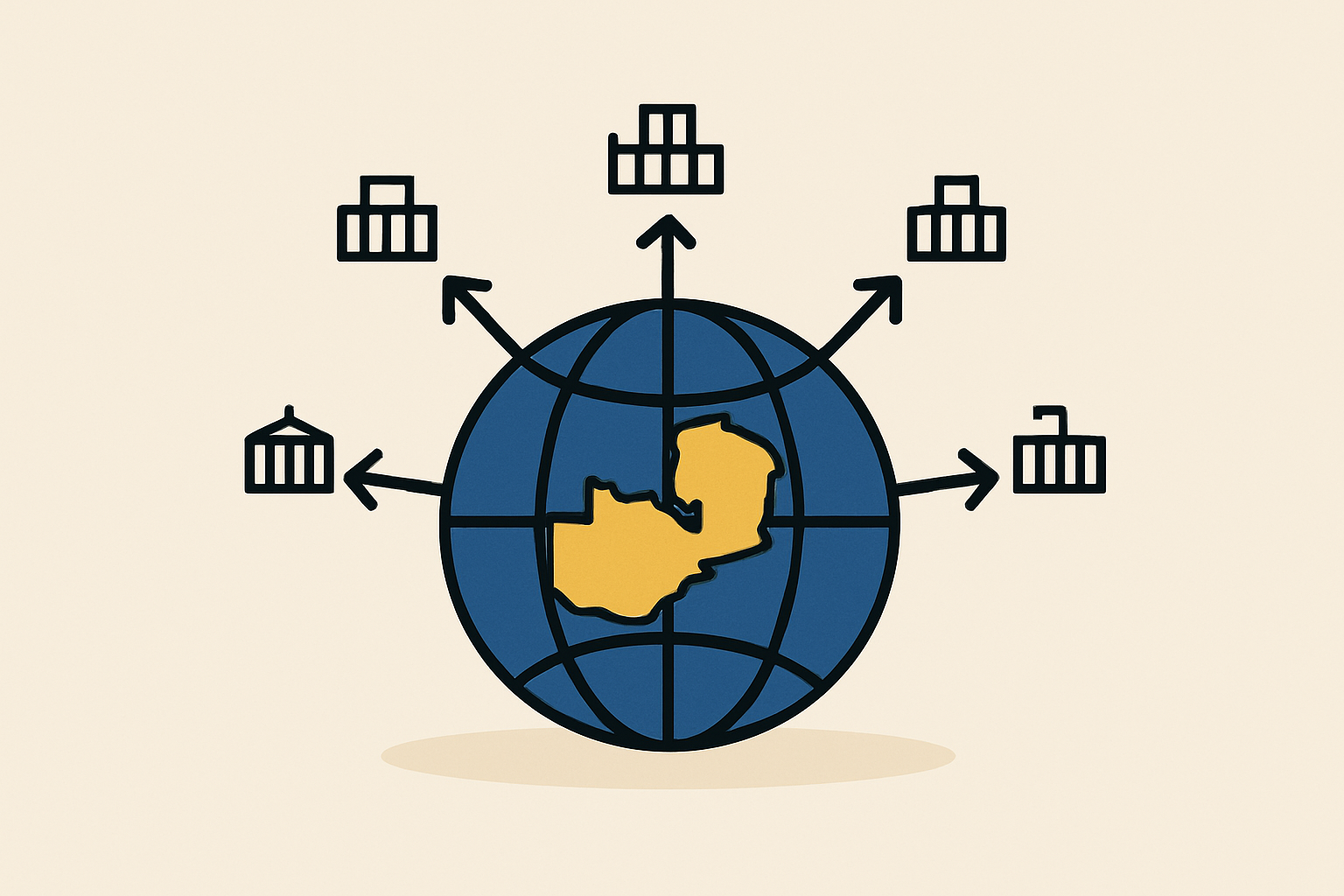
Zambia’s landlocked status means it has no direct access to the sea, so all sea-freighted goods must transit through the ports and overland networks of neighboring countries. This reliance on its neighbors introduces a unique set of variables, from port efficiency and infrastructure quality to multiple customs jurisdictions.
Entrepreneurs entering the solar market must evaluate the primary trade corridors, each with its own advantages and disadvantages. The main entry points for cargo destined for Zambia are the ports of Dar es Salaam in Tanzania, Durban in South Africa, Walvis Bay in Namibia, and Beira in Mozambique.
Analyzing the Key Import Corridors
Choosing an import corridor is a strategic decision that directly impacts your lead times, costs, and supply chain reliability. The shortest geographical route is not always the fastest or most economical option.
The Dar es Salaam Corridor (Tanzania): The Shortest Path
At approximately 2,000 kilometers from Lusaka, the Port of Dar es Salaam in Tanzania offers the most direct geographical route. This corridor uses the TAZARA railway and the Tanzania-Zambia Highway.
Advantages: The shorter distance can translate into lower inland freight costs under ideal conditions.
Challenges: The port is known for significant congestion and longer vessel waiting times. These ‘port dwell times’ can easily erode any advantage gained from the shorter distance. The road and rail infrastructure can also be less reliable, especially during the rainy season, leading to unpredictable transit times.
Ready to make big Profits?
The solar Industry is Booming
WE HELP NEWCOMERS to the solar industry start their own solar module production line. Customers can make BIG PROFITS by selling modules and finding investors, without wasting money and time on things they don't need!
The Durban Corridor (South Africa): The Path of Efficiency
The Port of Durban in South Africa is one of the most advanced and efficient ports on the continent. Though the overland distance to Lusaka is greater—approximately 2,800 kilometers—this corridor is often favored for its reliability.
Advantages: Highly efficient port operations mean shorter dwell times and quicker cargo processing. The road and rail networks connecting South Africa through Zimbabwe or Botswana to Zambia are generally well-maintained, offering more predictable transit times.
Challenges: The longer distance increases the base cost of inland transportation. The route also involves navigating at least one additional border crossing, like Beitbridge or Kazungula, each representing a potential point of delay.
Comparing Lead Times and Costs
The total lead time for a shipment from its port of origin, like Shanghai, to a factory in Lusaka can range from 20 to over 40 days. This variability significantly impacts inventory levels and the amount of working capital required.
Research indicates that inland transport can account for as much as 40–50% of the total logistics cost for imports into Zambia. A delay at the port can lead to substantial demurrage (fees for delayed container use) and storage charges, quickly wiping out any savings from a cheaper sea freight quote.
On-the-Ground Realities: Navigating Customs and Infrastructure
Beyond the choice of port, the overland journey itself presents challenges that require proactive management.
The Border Crossing Bottleneck
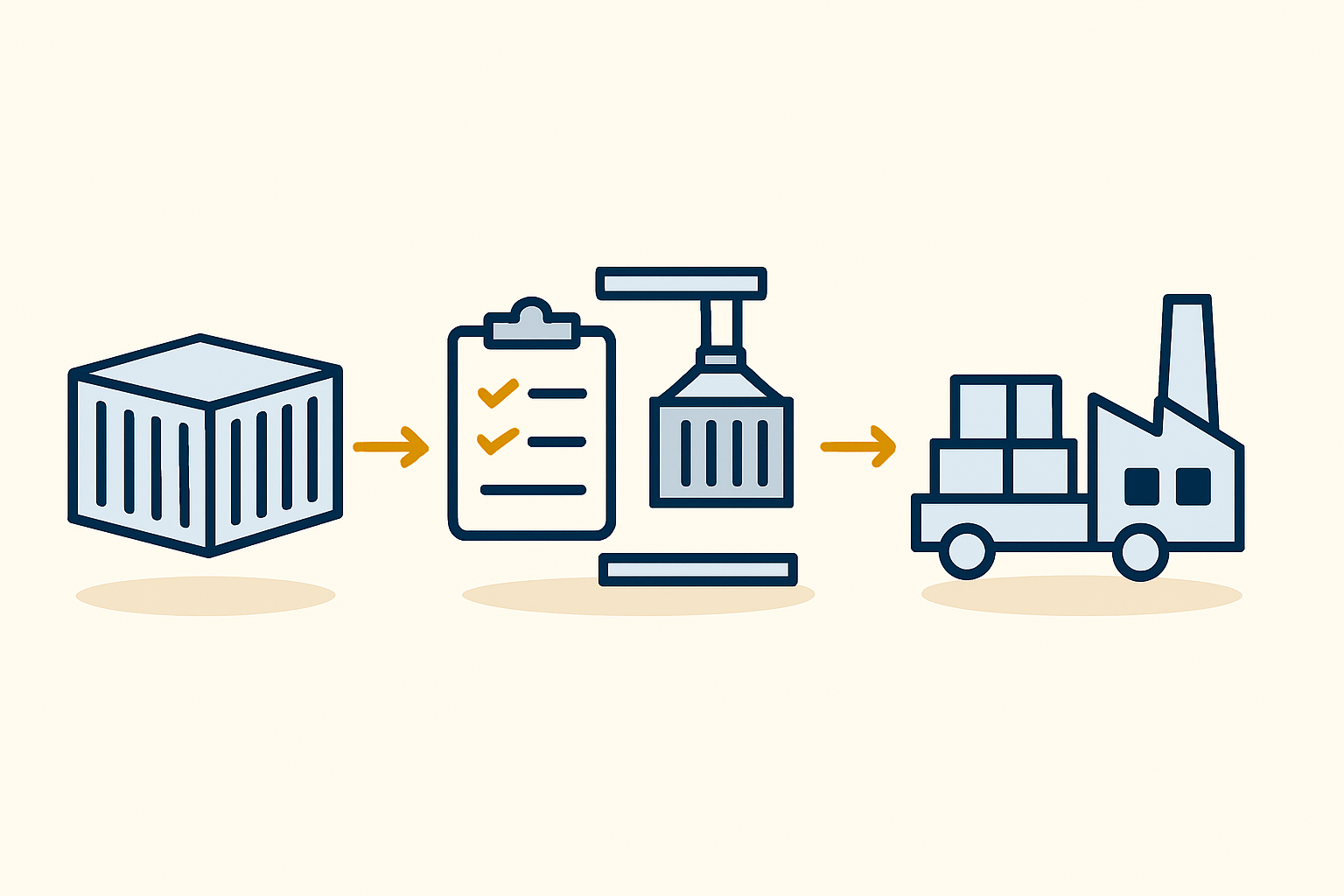
Each corridor involves transiting at least one border post, such as Nakonde on the Tanzania-Zambia border or Chirundu on the Zimbabwe-Zambia border. These crossings are frequent bottlenecks due to customs procedures, paperwork verification, and sheer traffic volume. Minor discrepancies in documentation can lead to days of delay and disrupt the entire production schedule.

The Nature of Solar Manufacturing Cargo
The nature of solar manufacturing materials adds another layer of complexity. These are not standard goods and require specialized handling.
-
Solar Glass: Heavy and extremely fragile. A single 40-foot container holds enough glass for roughly 800–900 modules. Any breakage in transit represents a direct loss of production capacity.
-
Solar Cells: These are the most valuable and delicate components, sensitive to moisture, shock, and vibration. Secure packaging and careful handling are paramount to avoid microscopic cracks that can compromise the final module’s performance and longevity.
-
Aluminum Frames, EVA, and Backsheets: While less fragile, these materials are bulky and must be protected from the elements to prevent degradation.
Strategic Planning for a Resilient Supply Chain
A successful solar manufacturing operation in Zambia depends on turning logistical challenges into a manageable, predictable process. Experience from J.v.G. Technology turnkey projects shows that a proactive, strategic approach is essential.
Develop a Multi-Corridor Strategy
Relying on a single port or corridor creates a single point of failure. A more resilient strategy involves the flexibility to use at least two different corridors. This allows your business to pivot based on real-time conditions, such as strikes at one port, political instability in a transit country, or seasonal weather disruptions on a particular route.
Select the Right Logistics Partner
Partnering with an experienced freight forwarder with a strong on-the-ground presence in Southern Africa is critical. The right partner understands the specific documentation required at each border, has relationships with customs officials, and can provide real-time tracking and problem-solving. Their expertise is invaluable in navigating the region’s complexities.
Implement Robust Inventory Management
Given the long and variable lead times, maintaining a buffer stock of critical materials is non-negotiable. A common practice is to hold six to eight weeks’ worth of key components like solar cells and glass. While this ties up capital, it insulates your production from supply chain disruptions. This inventory must be factored into your initial factory layout planning to ensure adequate warehousing space.
Plan for Proactive Customs Clearance
Modern logistics solutions like bonded warehousing and pre-clearance systems can help expedite border crossings. By submitting documentation and duties in advance, your logistics partner can often ensure that cargo moves through customs with minimal delay.
Frequently Asked Questions (FAQ)
How long does it typically take to ship materials to Zambia?
Depending on the corridor, customs efficiency, and potential transit delays, the total journey from a port like Shanghai to a factory in Lusaka can take anywhere from 20 to over 40 days.
Which port is best for a new solar factory in Zambia?
There is no single ‘best’ port; the choice involves a trade-off. Durban often provides greater reliability and predictability, which is crucial for high-value goods. Dar es Salaam may offer lower costs but comes with a higher risk of delays. A new business might prioritize reliability first.
What is the biggest hidden cost in logistics for Zambia?
The most significant and often overlooked costs are demurrage and storage fees from cargo delays at the port of entry. Unexpected delays at border crossings, which halt production and idle a workforce, also represent a substantial indirect cost.
How much buffer stock should a new factory hold?
A prudent starting point is to maintain a buffer stock of six to eight weeks for critical components. This provides a cushion to absorb most common supply chain delays without interrupting production.
Conclusion: From Logistics Challenge to Competitive Advantage
For any investor considering setting up a solar module production line in Zambia, logistics cannot be an afterthought. It is a core strategic function that directly influences production costs, operational efficiency, and overall business viability.
By understanding the unique challenges of Zambia’s landlocked position, carefully evaluating the import corridors, and implementing a proactive supply chain strategy, an entrepreneur can effectively mitigate risks. A well-managed logistics network transforms a potential vulnerability into a competitive advantage, ensuring the consistent flow of materials needed to power a successful and sustainable solar manufacturing enterprise.