An entrepreneur planning to enter the West African solar market often faces a familiar set of challenges: complex import tariffs, logistical delays at ports, and a web of regulations that can stifle a new venture before it begins.
A strategic approach, however, can transform these obstacles into a competitive advantage. By establishing a manufacturing facility within a designated Free Trade Zone, a business can operate under a different set of rules entirely—one designed specifically to foster growth and export.
This article explores the legal, financial, and logistical benefits of establishing a solar module production line within Togo’s Free Trade Zone, known as SAZOF (Société d’Administration des Zones Franches). It explains how this framework can significantly reduce initial investment costs and streamline operations for businesses targeting the expansive West African market.
Understanding the Strategic Advantage of a Free Trade Zone
A Free Trade Zone (FTZ) is a specific geographical area within a country where goods may be landed, handled, manufactured, or reconfigured, and then re-exported without intervention from customs authorities. For a business, this means operating in an environment with significant tax and regulatory concessions.
Togo’s SAZOF was established to attract foreign investment and promote export-oriented industries. For a solar module manufacturer, this creates a unique opportunity to import specialized equipment and raw materials cost-effectively and to serve regional markets with minimal friction.
Key Financial Incentives of Operating within SAZOF
The primary appeal of the SAZOF for any investor is its compelling financial framework. These incentives are legally enshrined and designed to provide a stable, predictable environment for long-term business planning.
Corporate Tax Exemptions
Companies granted SAZOF status benefit from a full exemption from corporate income tax for their first ten years of operation. Following this initial decade, a reduced, preferential rate of 15% is applied. Compared to standard corporate tax rates, this provides a substantial financial runway for a new enterprise to establish itself and achieve profitability.
Exemption from Customs Duties and VAT
This is perhaps the most critical advantage for a capital-intensive business like solar module manufacturing. All machinery, equipment, and raw materials required for production—such as solar cells, tempered glass, EVA film, and aluminum frames—can be imported completely free of customs duties and Value Added Tax (VAT).
Furthermore, finished solar modules produced for export are also exempt from any export duties or taxes. This directly lowers the initial capital expenditure required to set up a production line.
Unrestricted Capital and Profit Repatriation
For international entrepreneurs and foreign investors, the ability to move capital is paramount. The SAZOF framework guarantees the unrestricted transfer of invested capital and the repatriation of profits. This allows earnings from the venture to be moved freely without cumbersome foreign exchange controls, providing essential financial flexibility.
Ready to make big Profits?
The solar Industry is Booming
WE HELP NEWCOMERS to the solar industry start their own solar module production line. Customers can make BIG PROFITS by selling modules and finding investors, without wasting money and time on things they don't need!
(Infographic: A comparison of tax liabilities inside vs. outside the SAZOF for a solar manufacturing business.)
Logistical and Operational Benefits for Solar Exporters
Beyond direct financial savings, operating from Togo offers significant logistical advantages that can define a company’s ability to compete effectively in the region.
Proximity to the Port of Lomé
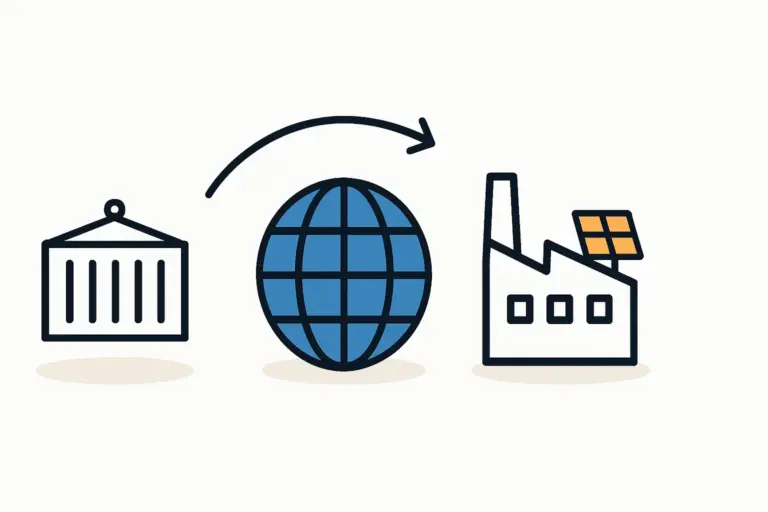
Togo is home to the Port of Lomé, one of the few natural deep-water ports on the West African coast. Its modern container terminals and strategic location make it a primary gateway for regional trade. For a solar manufacturer, this translates to shorter lead times and lower transportation costs for both importing raw materials and exporting finished solar panels to neighboring countries like Nigeria, Ghana, Benin, and Burkina Faso.

Simplified Customs Procedures
Navigating bureaucracy is a common concern for investors in any new market. The SAZOF addresses this through a ‘one-stop-shop’ administrative system (Guichet Unique). This centralized office streamlines all necessary procedures, from company registration and licensing to customs clearance, significantly reducing the administrative burden and allowing management to focus on core business operations.
Access to the ECOWAS Market
As a member of the Economic Community of West African States (ECOWAS), Togo provides preferential access to a regional market of over 300 million people. Goods manufactured within the SAZOF can be exported to other ECOWAS member states under favorable trade agreements, often with reduced or zero tariffs. This offers a considerable strategic advantage over manufacturers based outside the trade bloc.
Practical Considerations for Establishing a Facility
While the benefits are clear, success requires diligent planning and an understanding of the operational landscape.
Eligibility and Application Process
To qualify for SAZOF status, a company must typically be a new legal entity established under Togolese law, commit to exporting at least 70% of its production, and create local employment. The application process requires submitting a comprehensive business plan detailing the project’s technical, financial, and market viability.
Labor and Utilities
Togo offers a readily available workforce, though specialized technical training will be necessary for key roles on a solar module production line. Infrastructure planning is also crucial. While the zone provides dedicated facilities, ensuring a stable and uninterrupted power supply is a critical planning factor, particularly in regions where grid stability can be a concern.
A Case Study Perspective: The J.v.G. Experience
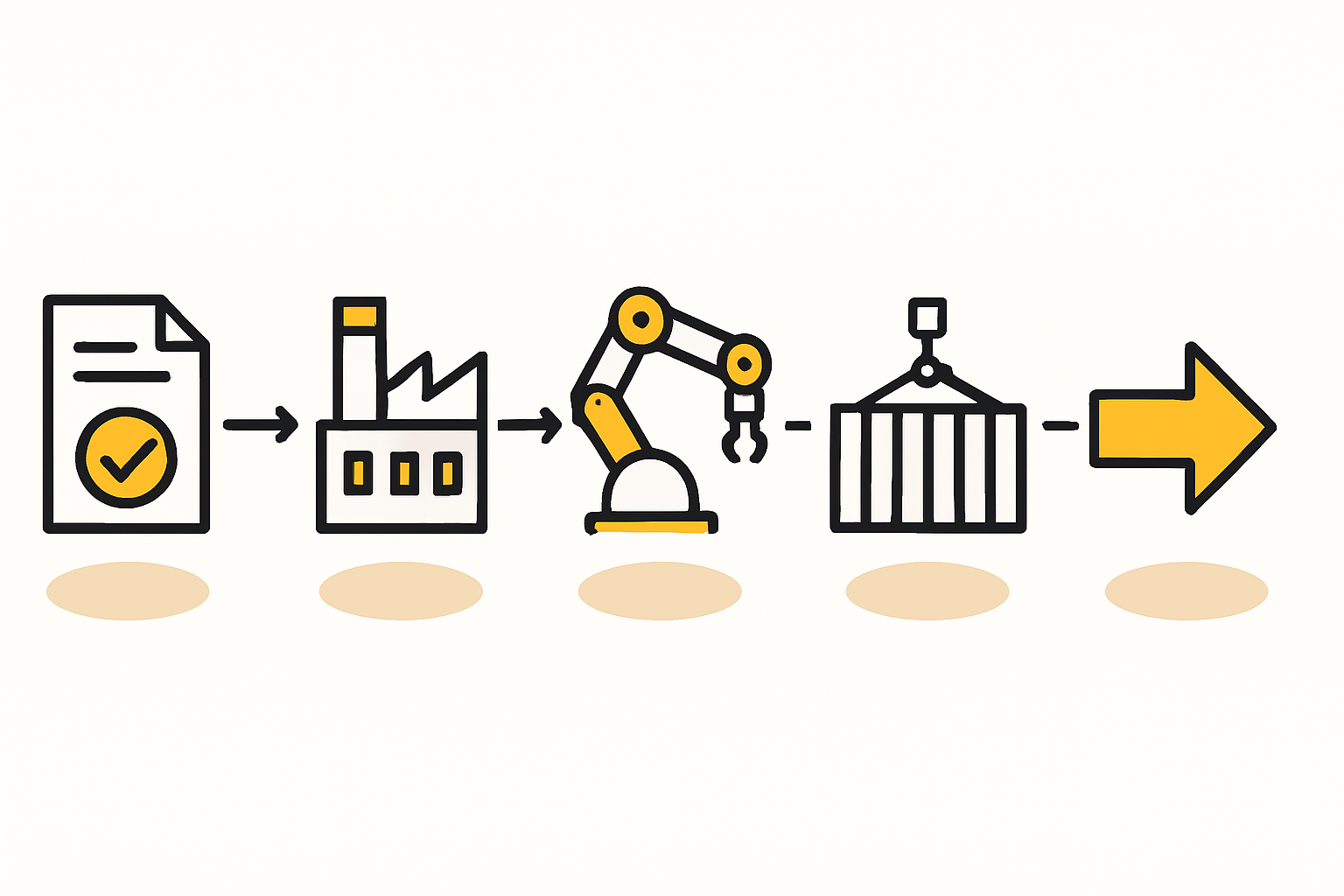
Based on experience from J.v.G. Technology GmbH turnkey projects in emerging markets, companies that leverage free trade zones often reduce their initial capital expenditure on taxes and duties by a significant margin. For a typical 20–50 MW production line, this can translate into substantial savings on imported machinery like stringers, laminators, and solar simulators. These funds can then be reallocated to other critical areas, such as workforce training or raw material inventory.
Frequently Asked Questions (FAQ)
What is the main purpose of the SAZOF?
Its primary purpose is to attract foreign direct investment, promote export-oriented industries, generate foreign exchange, and create local employment by offering significant fiscal and customs incentives.
Are there any restrictions on the type of solar technology that can be manufactured?
Typically, there are no specific restrictions on the type of crystalline silicon (mono or poly) or thin-film technology. The focus is on the business being primarily export-oriented, regardless of the specific technology used.
How does the SAZOF facilitate the import of raw materials?
Companies operating within the zone are issued a special status that allows them to clear imported raw materials and equipment through customs without paying duties or VAT, using a simplified declaration process.
What happens to the tax benefits after the initial 10-year period?
After the 10-year full exemption on corporate income tax, a reduced, preferential rate of 15% applies for the life of the company, as long as it maintains its SAZOF status.
Can a company in the SAZOF sell its products within Togo?
Yes, but there is a limit. A certain percentage of production (typically up to 30%) can be sold on the domestic market. However, these domestic sales are subject to standard customs duties and taxes, as the goods are effectively ‘entering’ the local economy from the tax-free zone.
Conclusion: A Strategic Gateway to the West African Solar Market
For entrepreneurs and investors looking to serve the rapidly growing demand for solar energy in West Africa, Togo’s Free Trade Zone offers a compelling and strategically sound platform. The combination of substantial tax exemptions, streamlined logistics via the Port of Lomé, and preferential access to the ECOWAS market creates a business environment designed for export success.
While the opportunity is significant, it demands thorough preparation. The next step involves a detailed analysis of the specific investment requirements and technical specifications for your solar module production line. Exploring these details will build the foundation for a successful venture.
Get the downloadable PDF on Togo’s Free Trade Zone opportunities.