An investor considering the solar manufacturing sector often begins with questions about machinery and capital. A recent inquiry from a client exploring a venture in the Caribbean, however, highlighted a more fundamental challenge: ‘We are evaluating Trinidad and Tobago for a new solar module factory, but where will we find the right people?’
This question is critical, as the long-term success of any manufacturing operation depends not just on its equipment, but on the skilled hands that operate and maintain it.
The choice between these two neighboring islands presents a classic business dilemma. Though geographically close, their economic structures—and by extension, their labor pools—are markedly different. Understanding these differences is key to forecasting training costs, ramp-up times, and the overall viability of the investment. This analysis compares technical labor availability in Trinidad and Tobago, offering a framework for strategic site selection.
The Industrial Landscape: A Tale of Two Islands
To properly assess the workforce, one must first understand the economic context of each island. The local industrial base directly shapes the skills, work ethic, and technical aptitude of the available labor pool, a factor that significantly influences the operational section of the overall solar panel manufacturing plant cost.
Trinidad has a long history as an industrial hub for the Caribbean, built on oil, gas, and petrochemicals. This history has cultivated a multi-generational workforce accustomed to the demands of heavy industry, automated processes, and stringent safety protocols.
Tobago, by contrast, has an economy driven primarily by tourism and public administration. Its workforce is highly skilled in hospitality, logistics, and service delivery—areas that require different competencies than a manufacturing floor.
This economic divergence creates two very different starting points for an entrepreneur looking to recruit a technical team for a solar module assembly line.
Evaluating the Talent Pool in Trinidad
Trinidad’s industrial heritage offers a significant advantage for a new manufacturing venture. Thanks to its existing ecosystem, many necessary foundational skills are already present in the workforce.
Transferable Skills from the Energy Sector
The oil and gas industry has created a deep reservoir of technicians with relevant, transferable skills. A new solar factory can recruit from a pool of:
- Electricians: Proficient in industrial wiring, control panels, and troubleshooting.
- Mechanics: Experienced in maintaining and repairing complex machinery, including hydraulics and pneumatics.
- Process Operators: Familiar with working in a structured factory environment, monitoring automated systems (like PLCs), and adhering to quality control standards.
These individuals have an ‘industrial mindset’—an innate understanding of production targets, preventative maintenance, and workplace safety that is difficult to teach from scratch.
Ready to make big Profits?
The solar Industry is Booming
WE HELP NEWCOMERS to the solar industry start their own solar module production line. Customers can make BIG PROFITS by selling modules and finding investors, without wasting money and time on things they don't need!
The Training Gap
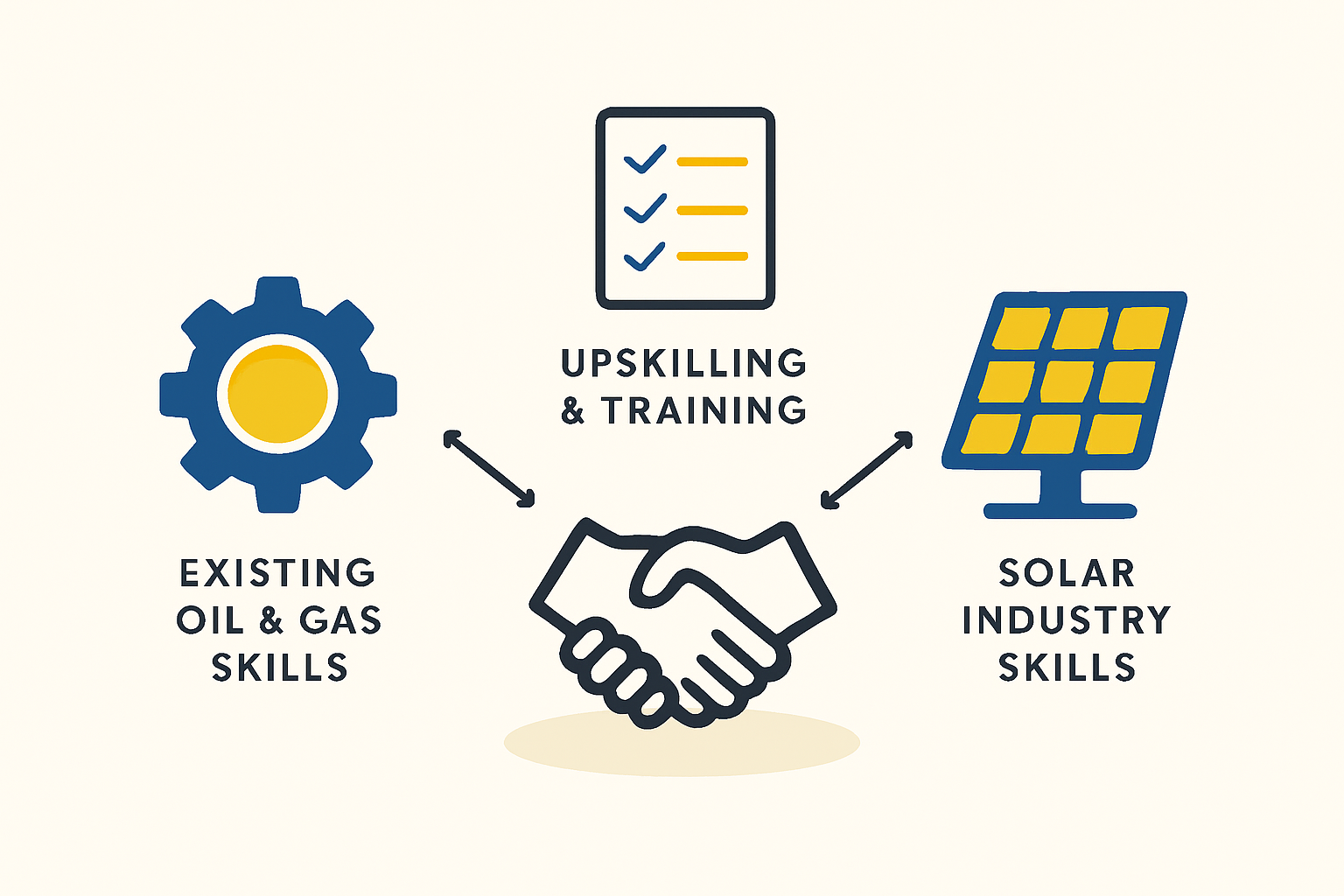
While the foundational skills are strong, direct experience in photovoltaics is scarce. The specific solar panel manufacturing process involves highly specialized equipment and materials. A technician from the petrochemical sector will not be familiar with the delicate handling of solar cells, the specifics of an EVA lamination cycle, or the criteria for passing an electroluminescence (EL) test. A targeted training program is essential to bridge this knowledge gap, adapting their existing industrial skills to the nuances of solar module assembly.
Evaluating the Talent Pool in Tobago
Tobago presents a different set of opportunities and challenges. Its workforce is known for a strong service orientation and reliability—valuable assets in any business.
A Service-Oriented Workforce
The labor pool in Tobago is rich with talent in administration, customer service, and management from the tourism sector. These individuals bring excellent soft skills, are often multilingual, and are adept at working in structured, team-based environments. They form a strong base for administrative, sales, and managerial roles within the company.
The Industrial Skills Deficit
The primary challenge in Tobago is the relative lack of an industrial skills base. Finding individuals with hands-on experience in factory maintenance, machine operation, or industrial electronics is considerably more difficult. While vocational schools exist, they are not typically geared toward the demands of a high-throughput manufacturing facility. An investor choosing Tobago would need to plan for a more intensive and fundamental training program, potentially covering basic mechanics, electronics, and factory protocols before even beginning solar-specific instruction.
A Direct Comparison of Labor Availability
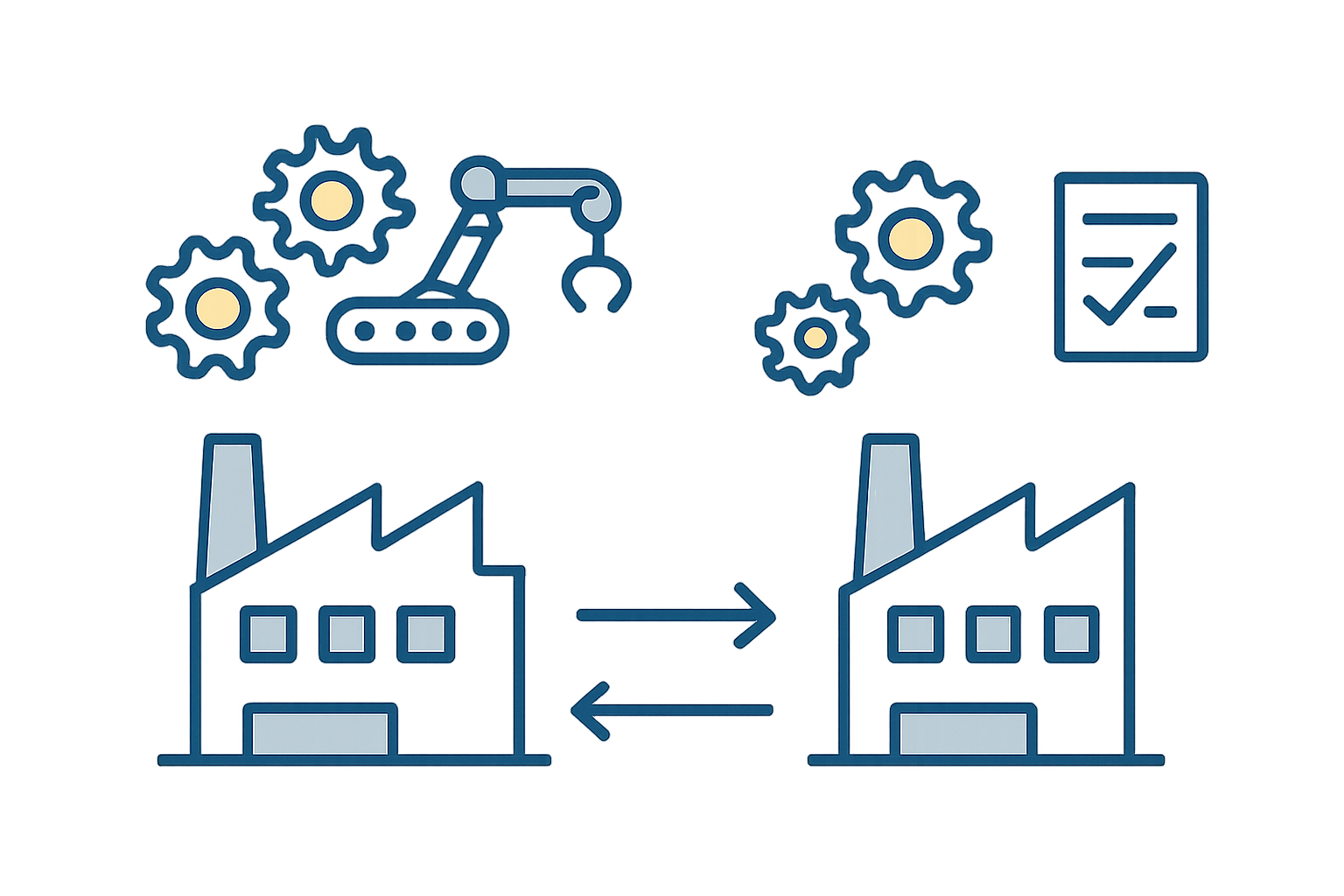
The fundamental difference lies in the starting point. In Trinidad, the task is to reskill an existing industrial workforce. In Tobago, the task is to upskill a general workforce with new industrial competencies.
For an investor, this translates directly into time and cost. The recruitment cycle in Trinidad may be shorter, and initial training can focus more quickly on solar-specific tasks. In Tobago, an investor might need to sponsor foundational technical education or even recruit key personnel from Trinidad, adding complexity and expense to the initial setup.
Bridging the Skills Gap: A Practical Training Strategy
Regardless of location, no new solar factory can succeed without a robust training program. For any entrepreneur planning how to start a solar panel manufacturing business, allocating resources for knowledge transfer is just as important as the capital for equipment.
Core Competencies for a Solar Module Factory
A typical solar module assembly line requires three core technical roles:
- Machine Operators: Responsible for running key equipment like the stringer, layup station, and laminator. They need to be detail-oriented and comfortable with human-machine interfaces.
- Maintenance Technicians: The backbone of the operation, requiring a solid background in mechanics and electronics to keep the solar panel production line running with minimal downtime.
- Quality Control (QC) Inspectors: Trained to perform visual inspections and operate testing equipment like the sun simulator and EL tester to ensure every module meets international standards.
The ‘Train the Trainer’ Model
The ‘Train the Trainer’ model is a highly effective method for ensuring long-term operational excellence. Based on experience from J.v.G. Technology turnkey projects, this approach involves bringing in external experts for an intensive, on-site period.
During this phase, specialist engineers train a select core team of local technicians on the machinery, processes, and quality standards. This local team not only becomes proficient but is also equipped to train all future hires. This creates a self-sustaining knowledge base within the company, reducing reliance on external support and fostering local leadership.
Conclusion: Strategic Implications for Investors
The choice between Trinidad and Tobago isn’t about one being ‘better’ than the other, but which location aligns with an investor’s strategy, risk tolerance, and timeline.
Trinidad offers a faster path to sourcing a technically proficient team by leveraging its industrial legacy. This can lead to a quicker production ramp-up and potentially lower initial training costs. The primary task is adapting existing skills to a new industry.
Tobago presents an opportunity to build a workforce from the ground up, fostering deep company loyalty. However, this requires a more significant upfront investment in foundational and specialized technical training, along with a longer timeline to achieve operational autonomy.
The availability of skilled labor is a decisive factor. A thorough assessment of the local talent pool, combined with a clear and well-funded training strategy, is fundamental to success in the competitive solar manufacturing landscape.
Frequently Asked Questions (FAQ)
How many technicians are needed for a small-scale (e.g., 50 MW) solar factory?
For a semi-automated 50 MW line, a typical workforce consists of 25 to 30 employees per shift. This includes approximately 15 technical operators and maintenance staff, with the rest in logistics, quality control, and administration.
Is it possible to hire experienced solar technicians directly in the Caribbean?
Finding a significant number of technicians with prior solar module assembly experience in the region is highly unlikely, as the industry is still nascent. The most effective strategy is to identify individuals with strong foundational skills in adjacent industries (like mechanics or electronics) and provide specialized training.
How long does the initial training period last?
The intensive, on-site training phase conducted by external specialists, such as those from J.v.G. Technology, typically lasts three to four weeks. This period covers machine operation, maintenance, and quality control. It is usually followed by several weeks of supervised production to ensure processes are stable and the local team is confident.
Is it better to hire for technical aptitude or for attitude?
This depends on the role. For machine operator positions, a positive attitude, attention to detail, and a strong willingness to learn are often more important than prior experience; the right training can teach the necessary skills. For maintenance roles, a solid foundation in industrial mechanics and electronics is essential.