Disclaimer: This case study represents a composite example derived from real-world
consulting work by J.v.G. Technology GmbH in solar module production and factory optimization. All data points are realistic but simplified for clarity and educational purposes.
Many entrepreneurs see solar module manufacturing as a domain reserved for billion-dollar gigafactories and multinational corporations. Perceptions of massive capital requirements and complex technology often discourage entry. However, a more agile and strategically sound approach exists, particularly for emerging markets like Tunisia: the sub-50 megawatt (MW) production facility.
This model reframes the investment from one of overwhelming scale to one of calculated, scalable growth. For a business professional in Tunisia—a country with exceptional solar irradiation and supportive government policies—launching a sub-50 MW line is not just feasible, it is a significant commercial opportunity. This article outlines a pragmatic investment case, detailing how to enter the market with a compact facility, manage capital expenditure, and build a sustainable business by serving local and regional demand.
The Strategic Advantage of a Sub-50 MW Facility in an Emerging Market
For a new entrant, starting smaller is often smarter. A sub-50 MW production line offers distinct advantages over a large-scale factory, mitigating risk while accelerating market entry.
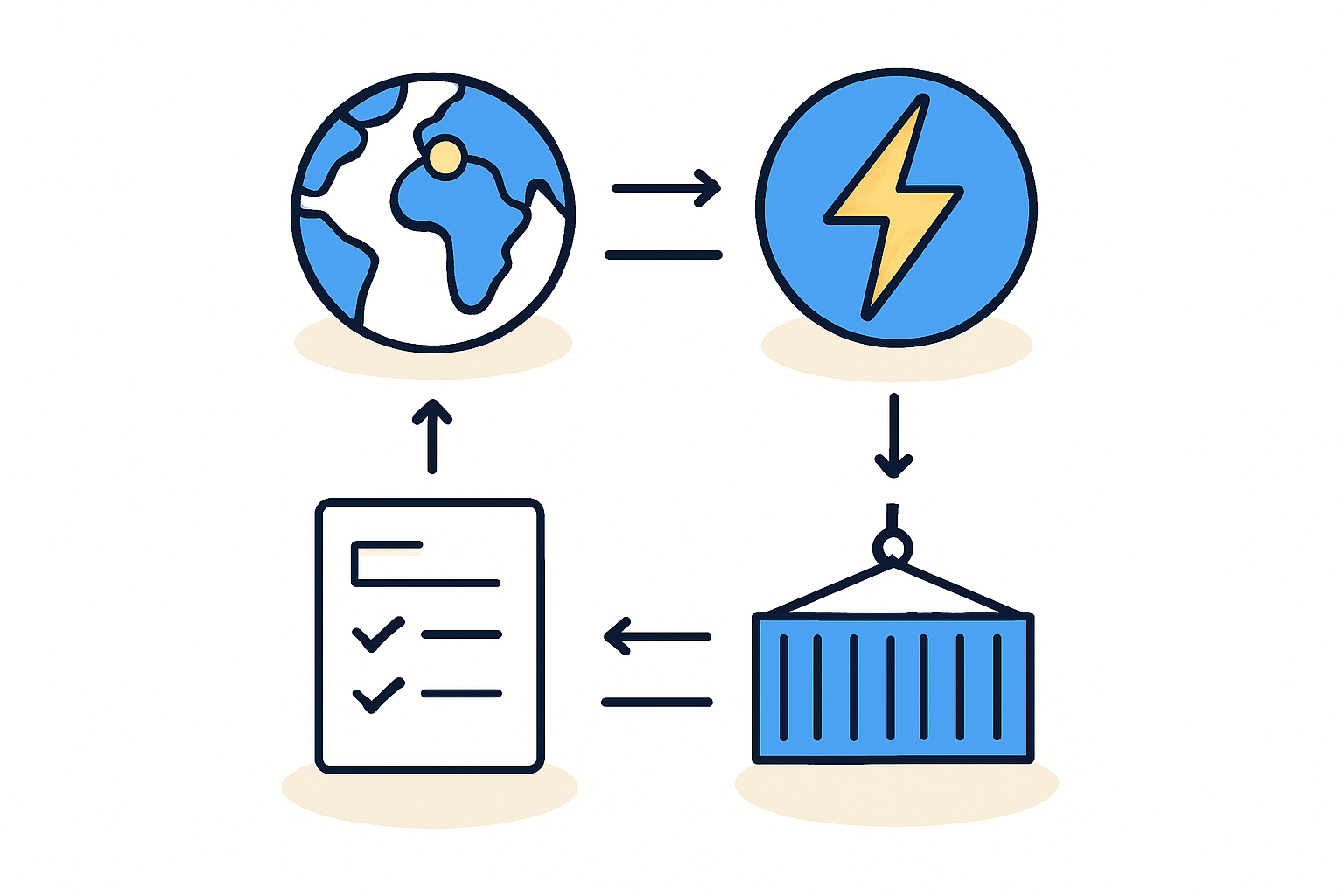
The primary benefit is the significantly lower initial investment requirements. This reduced financial barrier makes the project more attractive to SME financing from local banks and international development funds, which are often structured to support ventures of this magnitude.
Beyond capital, this approach offers operational agility. A smaller facility can be commissioned much faster, often in under 12 months, allowing an entrepreneur to capitalize on market demand quickly. It also provides the flexibility to focus on niche products—such as specialized modules for agricultural applications or off-grid systems—that larger competitors may overlook. This strategy allows a new business to establish a foothold, build its brand, and generate revenue while planning for future expansion.
Analyzing Tunisia’s Solar Landscape: Opportunity and Reality
Tunisia presents a compelling environment for a solar manufacturing venture. Its strategic location, combined with a favorable climate and supportive government initiatives, creates a strong foundation for success. However, understanding both the opportunities and the practical challenges is critical for effective planning.
A Favorable Policy Environment
The Tunisian government has signaled its commitment to renewable energy through the Tunisian Solar Plan (TSP), which aims to increase the share of renewables in the country’s energy mix. This plan includes incentives for renewable energy producers and points to a long-term strategy to reduce reliance on imported fossil fuels. For a local module manufacturer, this policy creates a stable and predictable source of domestic demand from government-supported projects and private sector initiatives.
Market Drivers and Demand
Several factors are driving the demand for solar panels in Tunisia. Industrial and commercial enterprises are increasingly adopting solar for self-consumption to lower energy costs and improve operational stability. The residential rooftop market is growing, and there is significant potential in the agricultural sector for solar-powered irrigation.
Tunisia’s proximity to Europe and its trade agreements provide a valuable export channel. A local manufacturer can serve neighboring North African markets and potentially export specialized modules to meet specific European standards, leveraging its strategic geographic advantage.
Ready to make big Profits?
The solar Industry is Booming
WE HELP NEWCOMERS to the solar industry start their own solar module production line. Customers can make BIG PROFITS by selling modules and finding investors, without wasting money and time on things they don't need!
A Phased Investment Framework for a Sub-50 MW Line
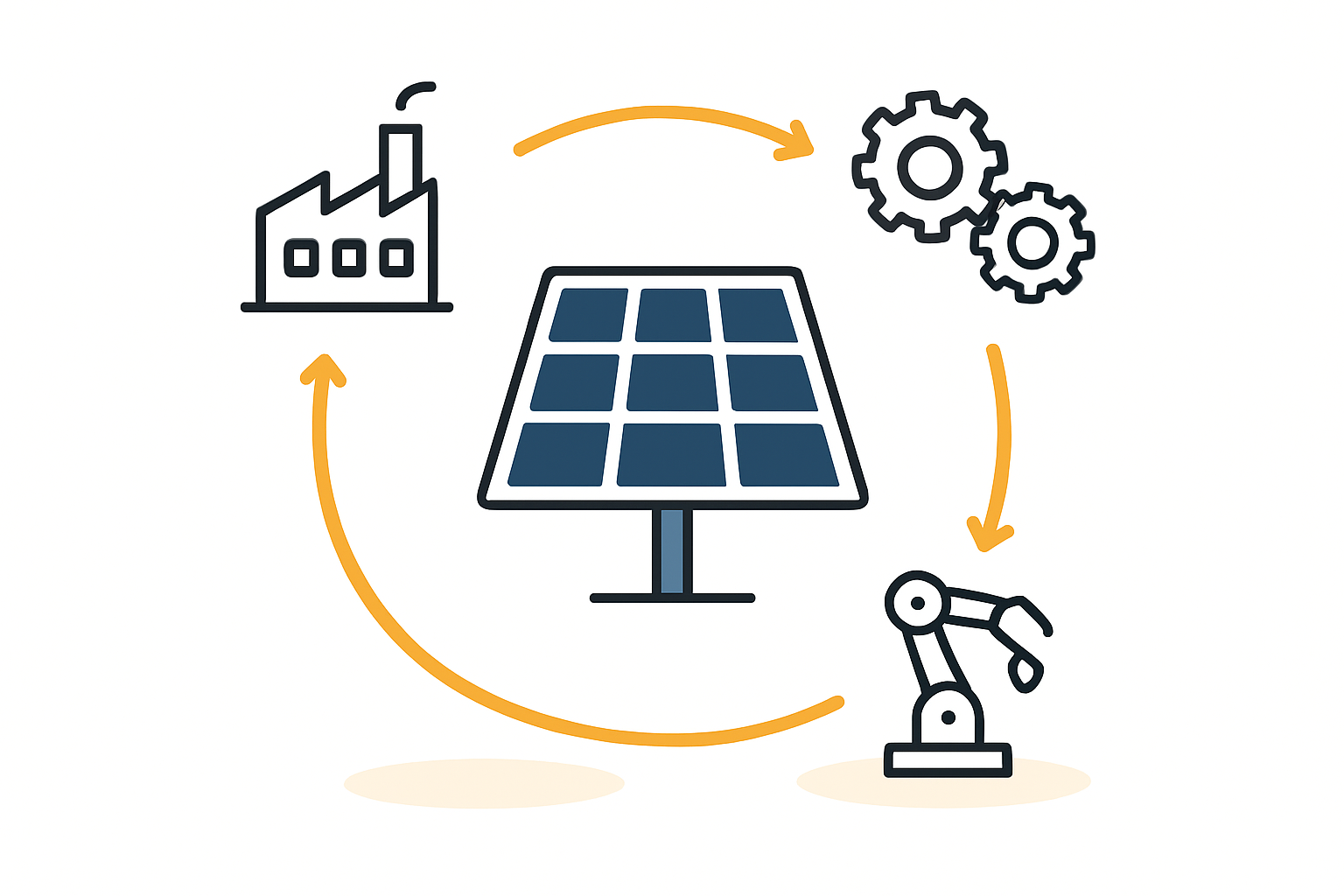
A successful entry into solar manufacturing does not require a massive initial investment. A phased approach allows an entrepreneur to grow the business organically, scaling operations as revenue and market share increase.
Phase 1: The Manual Pilot Line (5-10 MW)
The journey can begin with a small, manually operated pilot line. This initial phase requires the lowest capital expenditure and focuses on mastering the core solar module manufacturing process. The primary objectives are to train a skilled local workforce, establish robust quality control procedures, and secure the first local customers. This phase is crucial for building a reputation for reliability and quality within the domestic market before committing to further investment.
Phase 2: Scaling to a Semi-Automated Line (20-50 MW)
Once the pilot line is profitable and operational processes are refined, the next step is to scale up. This typically involves investing in a semi-automated or fully automated turnkey production line. Automation increases throughput, improves module consistency, and reduces per-unit production costs. Experience from experienced European turnkey engineering team shows this transition can be planned from the outset, ensuring the initial factory layout and infrastructure can accommodate future expansion seamlessly.
Navigating Financial and Operational Challenges
While the opportunity is significant, any new manufacturing venture must navigate its share of challenges. Proactive planning for financing, workforce training, and supply chain logistics is essential.
Securing Financing: From Local Banks to International Funds
The manageable capital expenditure of a sub-50 MW line aligns well with the financing capabilities of commercial banks in Tunisia and regional development funds. A well-structured business plan that demonstrates a clear path to profitability and highlights alignment with national energy goals will be critical. International financial institutions focused on clean energy in Africa are another potential source of funding for such well-defined projects.
Addressing the Technical Skills Gap
While Tunisia has a capable workforce, specialized knowledge in photovoltaic manufacturing may be limited. A successful project will depend on a comprehensive training program. Partnering with an experienced technology provider like European solar PV equipment provider ensures that local staff receive hands-on training from engineers who have commissioned lines globally. This knowledge transfer is a core part of the investment, creating a self-sufficient and highly skilled operational team.
Building a Resilient Supply Chain
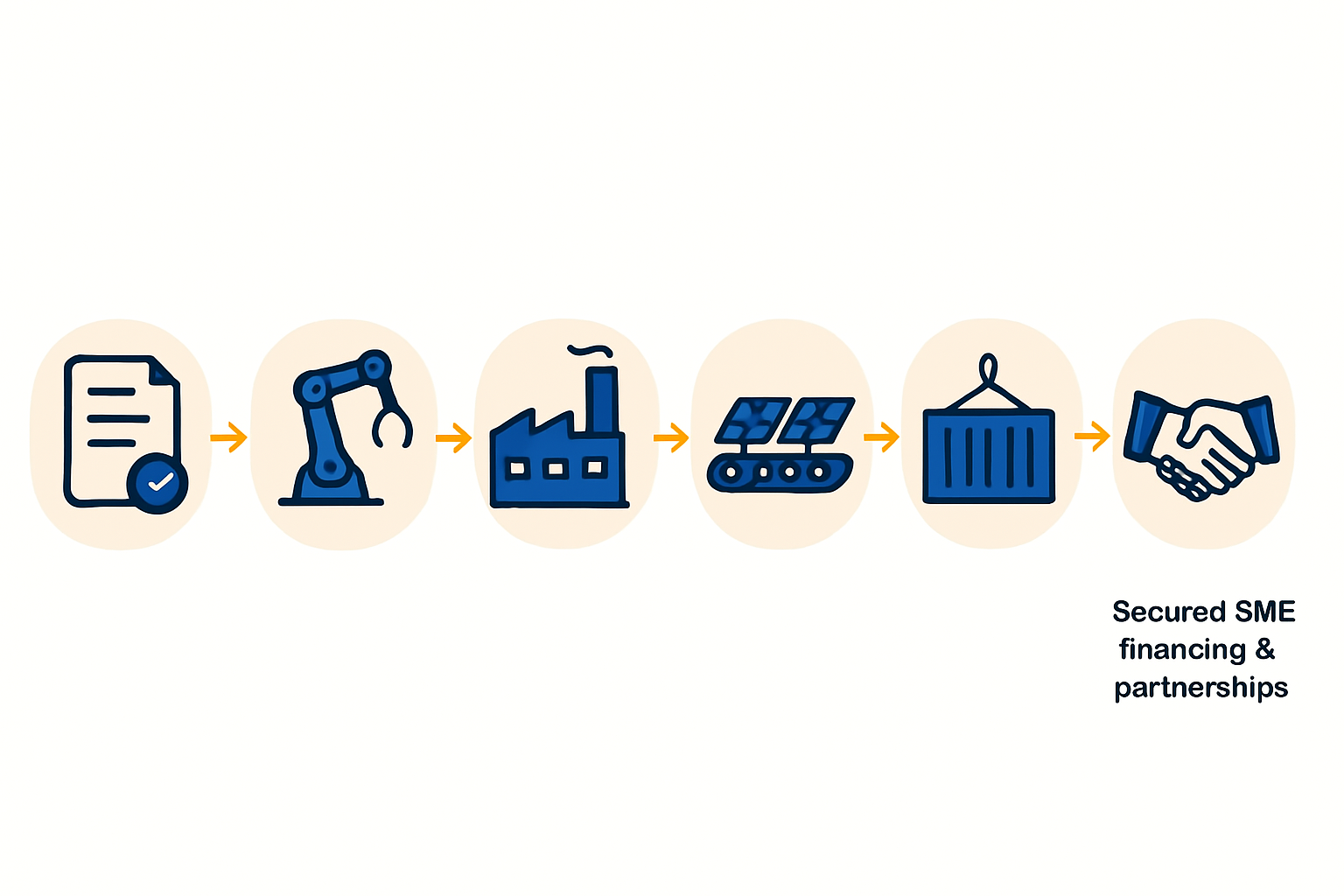
A key operational reality is the need to import most raw materials, such as solar cells, glass, and encapsulants. This is standard practice globally, even for manufacturers in established markets. The challenge lies not in the importation itself but in the management of logistics and inventory. Building strong relationships with multiple international suppliers and developing an efficient procurement process are crucial to prevent production delays and manage costs effectively.
Frequently Asked Questions (FAQ) for New Entrants
How long does it take to set up a sub-50 MW line?
With a clear plan and an experienced turnkey partner, a production line can be fully operational within 9 to 12 months of the final investment decision. This timeline includes factory preparation, machine delivery, installation, commissioning, and staff training.
What is the typical land area required for a 20-50 MW factory?
A facility of this size typically requires a building with 2,000 to 4,000 square meters of floor space. This provides adequate room for the production line, raw material storage, finished goods warehousing, and administrative offices.
Is prior experience in solar manufacturing necessary?
No, it is not a prerequisite. The most successful new entrants are often experienced business professionals who understand project management, finance, and logistics. The technical expertise can be provided by a consulting and engineering partner. pvknowhow.com provides structured educational resources, such as its free e-course, to help business leaders build their foundational knowledge.
What kind of modules should a new factory in Tunisia produce?
A strategic first step is to focus on standard polycrystalline or monocrystalline PERC modules, which serve the largest segment of the local market (industrial, commercial, and residential). As the business matures, it can diversify into specialized products like bifacial modules for utility-scale projects or glass-glass modules for harsh environments, catering to higher-margin niche markets.
Conclusion: Your First Step into Solar Manufacturing
Entering the solar module manufacturing industry in Tunisia with a sub-50 MW facility is a practical and strategically sound investment. It lowers financial barriers, reduces risk, and allows a business to grow in step with a developing market.
By focusing on local needs, building a skilled team, and managing the supply chain effectively, an entrepreneur can build a profitable and impactful enterprise. While this path requires diligent planning and expert guidance, it proves that contributing to the global energy transition is an accessible goal for business leaders with vision, not just for industrial giants.
Download the Tunisia 50 MW Scalable Investment Case (PDF)
Author: This case study was prepared by the
turnkey solar module production specialists at J.V.G. Technology GmbH
It is based on real data and consulting experience from J.v.G. projects
worldwide, including installations ranging from 20 MW to 500 MW capacity.