All data points are realistic but simplified for clarity and educational purposes.
Imagine standing at the edge of the Sahara, looking out at the Noor Ouarzazate complex—a sea of mirrors and panels generating power for a nation. An entrepreneur might see this and ask a fundamental question: ‘Who supplies the technology for these monumental projects, and could a local enterprise become a key part of this supply chain?’
This isn’t just an aspirational question—it’s the starting point for a strategic industrial venture. Establishing a solar module factory is a major undertaking, but with a clear national vision and a robust technical and financial framework, it becomes a highly viable enterprise.
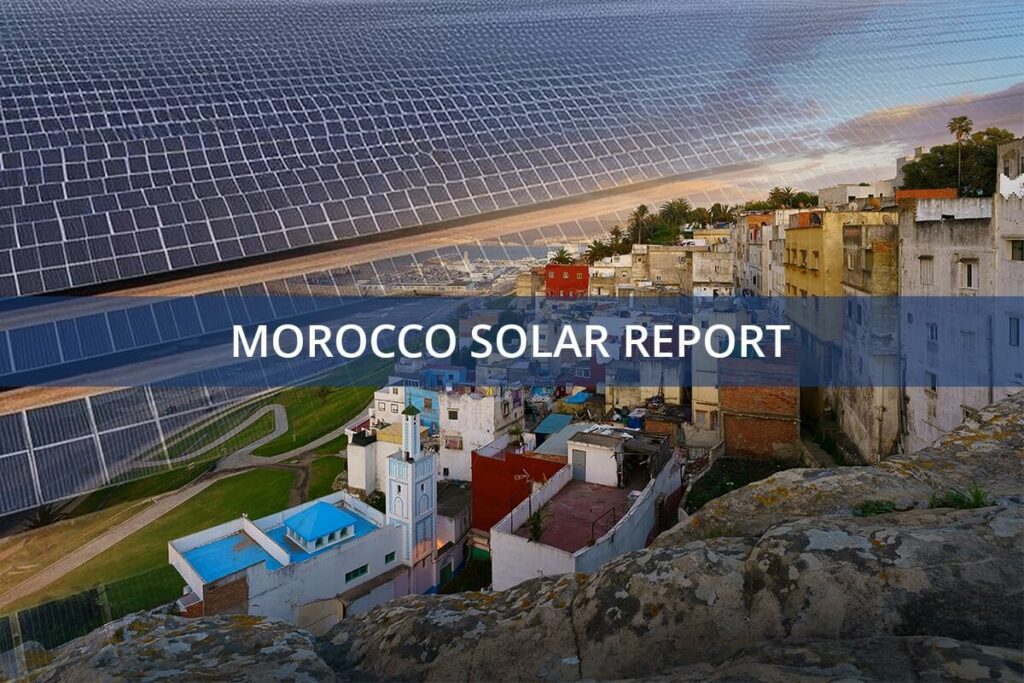
This article outlines a strategic roadmap for setting up a 200 MW TOPCon solar module facility in Morocco, designed specifically to supply the country’s ambitious national solar plan.
The Opportunity: Aligning with Morocco’s National Energy Strategy
Morocco has positioned itself as a regional leader in renewable energy. The government’s clear and ambitious targets provide a stable, long-term market for domestic manufacturers.
The country’s national energy strategy aims to generate 52% of its electricity from renewable sources by 2030, with solar power contributing a significant 20% of that goal. This commitment is more than just a policy on paper; it’s demonstrated by world-class projects like the 580 MW Noor Ouarzazate complex.
Government tenders for these large-scale solar farms often include local content requirements. This policy is designed to stimulate domestic industrial capacity, create skilled jobs, and reduce reliance on imported goods. For an investor, this translates into a partially protected market where a locally produced, high-quality solar module has a distinct competitive advantage.
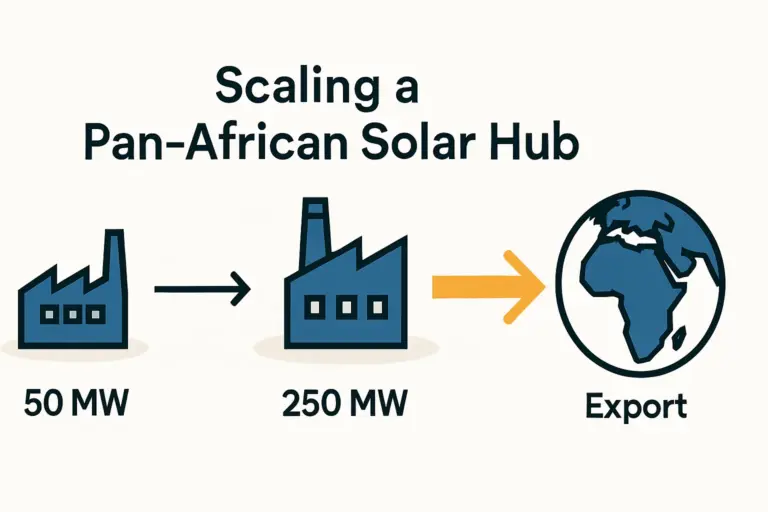
Why a 200 MW Facility Is the Strategic Entry Point
While gigawatt-scale factories dominate headlines, a 200 MW production capacity represents a highly strategic entry point for a new market participant. This scale achieves several critical objectives:
-
Credibility: A 200 MW output is substantial enough to be considered a serious supplier for utility-scale projects. It signals to project developers and government agencies that the factory can meet significant volume demands.
Ready to make big Profits?
The solar Industry is Booming
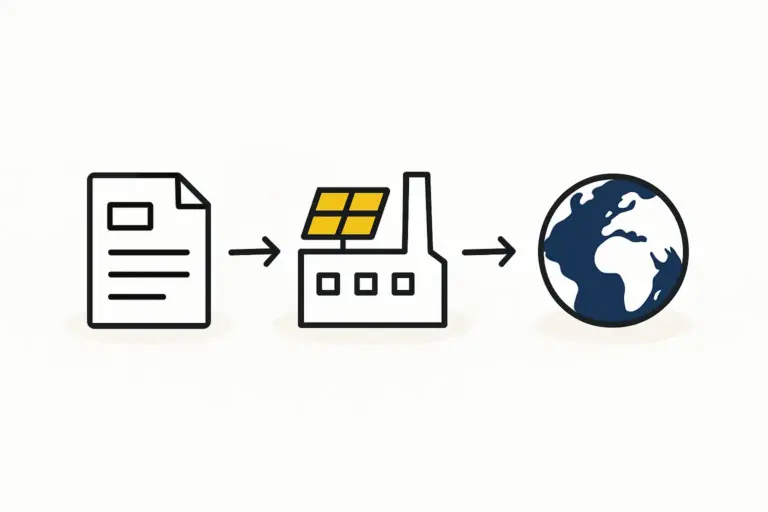
WE HELP NEWCOMERS to the solar industry start their own solar module production line. Customers can make BIG PROFITS by selling modules and finding investors, without wasting money and time on things they don't need!
-
Economies of Scale: This capacity allows for negotiating favorable prices on raw materials and capitalizing on the efficiency of automated production equipment, leading to a competitive cost-per-watt.
-
Manageable Investment: While significant, the capital requirement for a 200 MW facility is within a range that attracts institutional funders and private equity, unlike the much larger investments required for gigawatt-scale operations.
-
Operational Agility: The facility is large enough for efficiency but small enough to remain agile, allowing for quicker adaptation to new technologies or market demands compared to a massive, less flexible competitor.
Selecting the Right Technology: TOPCon for Desert Performance
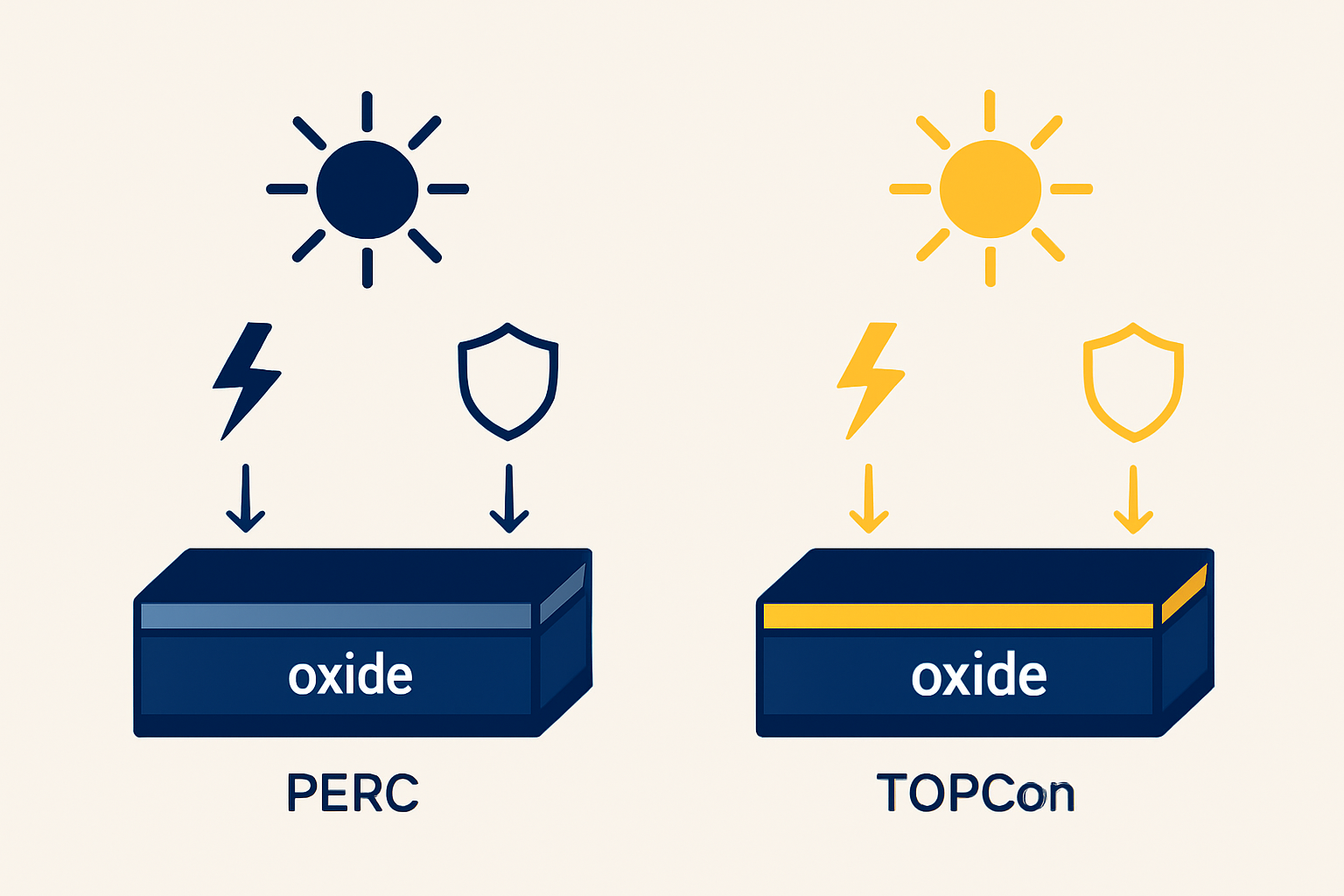
In a market like Morocco, where solar irradiation is high and ambient temperatures can be extreme, choosing the right solar cell technology is critical for long-term project bankability. Tunnel Oxide Passivated Contact (TOPCon) technology offers distinct advantages over older technologies like PERC (Passivated Emitter and Rear Cell).
TOPCon modules consistently demonstrate higher efficiencies, often exceeding 22%. More importantly, they have a superior temperature coefficient. Simply put, this means they lose less power as they heat up under the intense desert sun. Over the 25- to 30-year lifespan of a solar power plant, this superior performance in high temperatures translates to a significantly higher energy yield and a better return on investment for the asset owner.
Enhancing durability in such a challenging environment requires specialized process adaptations. Based on experience from past projects, engineering firms like a specialized EU engineering partner have developed process packages, such as the DESERT+ standard, which modify module construction to better withstand high UV radiation, abrasive sand, and extreme temperature fluctuations.
The Financial Blueprint: Investment and Funding
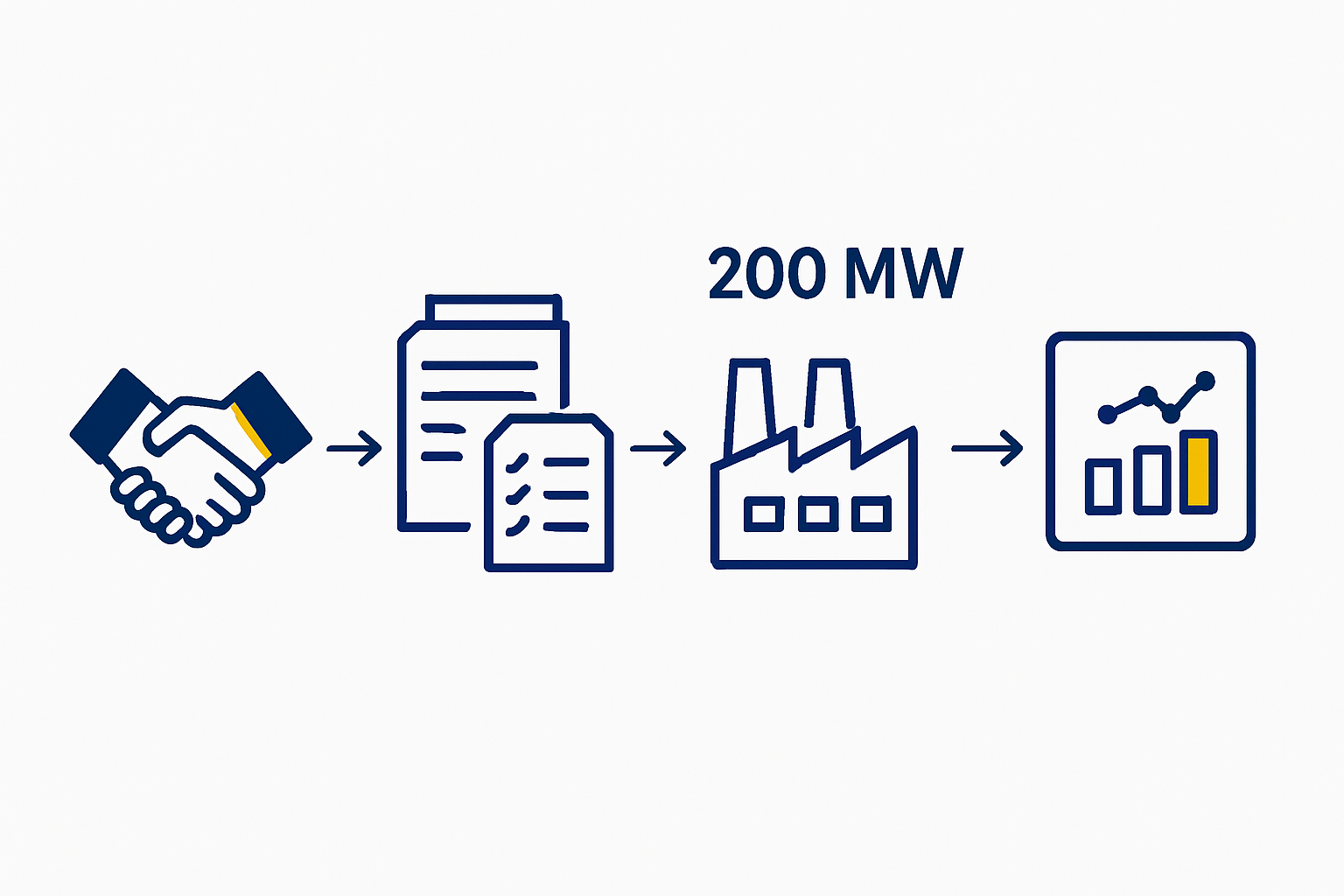
A venture of this scale requires a meticulously prepared financial plan. The core equipment for a turnkey solar module production line with a 200 MW capacity typically requires an investment in the range of $20–25 million USD. This figure excludes costs for the building, civil works, and initial working capital for raw materials.
Securing funding often involves engaging with national and international development finance institutions (DFIs) like the African Development Bank (AfDB), the World Bank, and the European Investment Bank (EIB). These organizations frequently finance large-scale renewable energy infrastructure in Morocco.
To approach such funders, a comprehensive solar module manufacturing business plan is essential. It must demonstrate not only financial viability but also technical soundness, market access, and a competent management team. These institutions conduct rigorous due diligence, and their approval adds immense credibility to a project.
Operational Framework: People, Processes, and Planning
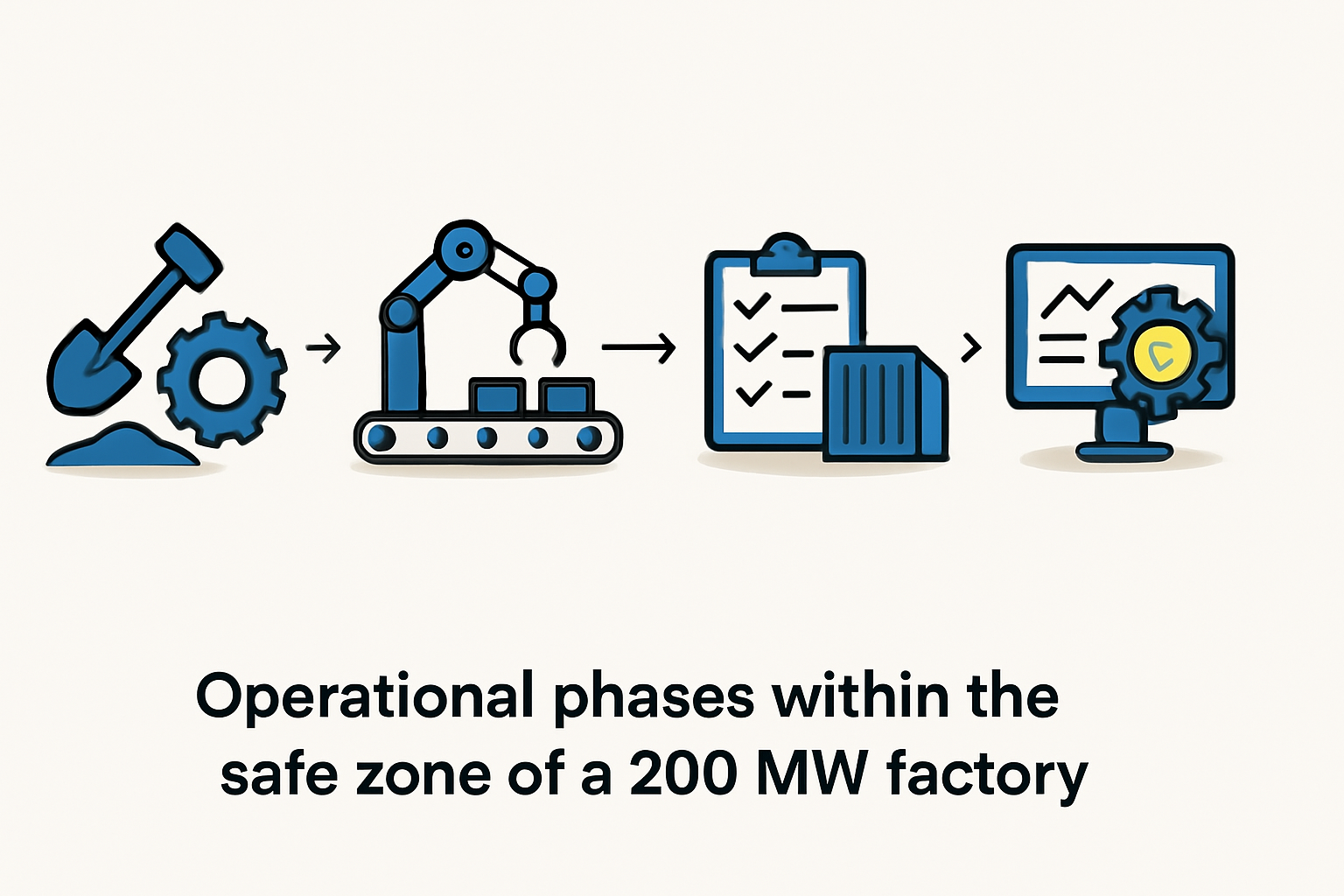
With financing in place, the focus shifts to execution. A 200 MW facility typically requires a workforce of approximately 100 to 120 individuals, including engineers, technicians, quality control specialists, and line operators. A structured training program is essential to ensure high-quality output from day one.
The timeline from groundbreaking to the first certified module rolling off the line is generally between 12 and 18 months. This timeline depends heavily on efficient project management, from equipment procurement and logistics to installation and commissioning.
This is where experienced technical guidance becomes invaluable. Navigating the complexities of equipment selection, factory layout, process calibration, and quality certifications requires deep industry knowledge. The technical consulting team such as an EU-based Photovoltaic manufacturing solution provider, brings decades of hands-on experience in global solar manufacturing. Their role is to act as the client’s engineering department, ensuring every technical decision aligns with the project’s business goals and paves a smooth path to operational excellence.
Frequently Asked Questions (FAQ)
What is the primary advantage of local manufacturing for Morocco?
Local manufacturing directly supports Morocco’s economic and energy independence goals. It creates skilled jobs, builds a domestic high-tech industry, reduces foreign currency expenditure on imported panels, and ensures compliance with local content requirements for strategic energy projects.
Is TOPCon technology significantly more expensive than PERC?
The initial capital expenditure for a TOPCon line is moderately higher than for a PERC line. However, the investment is recovered through superior performance. The higher efficiency and better temperature resistance of TOPCon modules produce more electricity over the system’s lifetime, resulting in a lower Levelized Cost of Energy (LCOE) and making it the more profitable long-term choice.
How difficult is it to find skilled labor for such a factory?
While a pool of experienced solar manufacturing technicians may not be readily available, Morocco has a strong base of industrial and engineering talent. The key to success is implementing a comprehensive training program, often designed and executed in partnership with the equipment suppliers and technical consultants, to upskill the local workforce to international standards.
What are the key elements institutional funders look for in a proposal?
Funders prioritize proposals that show minimal risk and a clear path to profitability. Key elements include a bankable business plan with conservative financial projections, a strong and experienced management team, a solid technical plan validated by a reputable engineering partner, and ideally, preliminary offtake agreements or clear evidence of market demand for the product.
From Vision to Viable Enterprise
Establishing a 200 MW TOPCon solar module factory in Morocco is an ambitious but achievable vision. It’s a venture that aligns perfectly with national policy, addresses a clear market need, and relies on proven, high-performance technology.
The journey from concept to a fully operational facility is complex, involving strategic planning across finance, technology, and operations. Success depends on building a robust framework from the outset, supported by expert guidance to navigate the technical intricacies and meet the demanding standards of international project developers and financiers.
With the right strategy, a new industrial player can become an integral part of Morocco’s bright solar future.
Download the Morocco 200 MW TOPCon Solar Case Study (PDF)
Author: This case study was prepared by the
turnkey solar module production specialists at J.V.G. Technology GmbH
It is based on real data and consulting experience from J.v.G. projects
worldwide, including installations ranging from 20 MW to 500 MW capacity.