Disclaimer: This case study represents a composite example derived from real-world
consulting work by J.v.G. Technology GmbH in solar module production and factory optimization. All data points are realistic but simplified for clarity and educational purposes.
An Egyptian entrepreneur, successful in logistics, is observing the shifting global energy landscape. He sees the 2022 Egypt-EU partnership on green hydrogen and renewable energy not as just another headline, but as a clear market signal. His ambition is clear: to establish a state-of-the-art solar module factory in Egypt.
The challenge, however, is just as clear—the most advanced and efficient production technology is concentrated in Europe. How can a new entrant from outside the industry bridge this gap and acquire cutting-edge European technology, such as PERC or TOPCon, without risking intellectual property disputes or a failed implementation? This isn’t a simple matter of purchasing machinery; it’s a complex process of technology transfer that requires a robust legal and operational framework.
This article outlines a structured approach for Egyptian ventures to license and implement advanced European solar production technologies. It provides a roadmap for navigating the critical stages of the partnership—from due diligence to IP protection—to build a foundation for long-term success.
The Strategic Context: A Convergence of Interests
The opportunity for Egyptian solar manufacturing is rooted in a powerful convergence of regional and international strategies. Understanding this context is key to appreciating the timeliness of such a venture.
Ready to make big Profits?
The solar Industry is Booming
WE HELP NEWCOMERS to the solar industry start their own solar module production line. Customers can make BIG PROFITS by selling modules and finding investors, without wasting money and time on things they don't need!
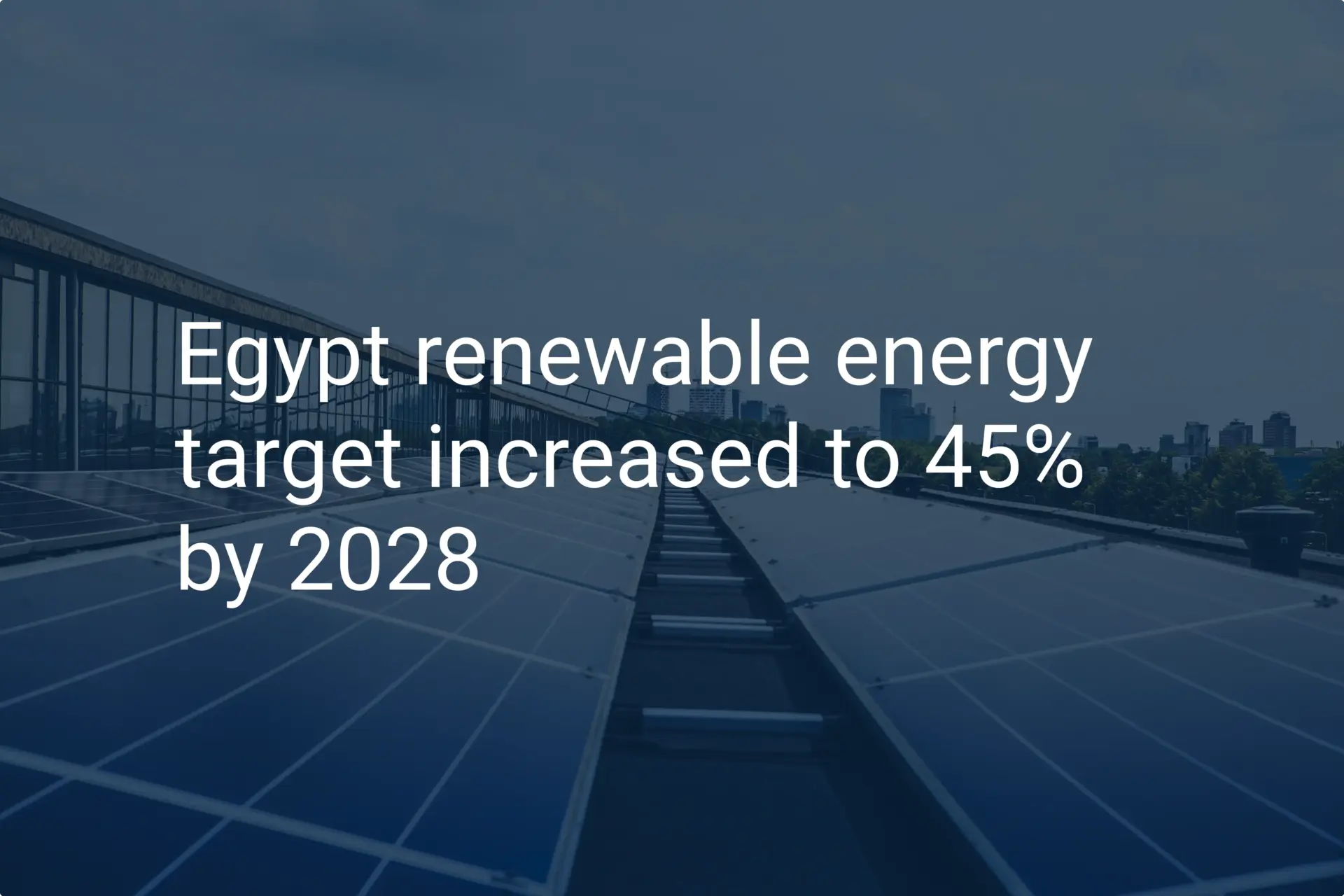
- Egypt’s Green Corridor Initiative: The Egyptian government has set an ambitious target of generating 42% of its electricity from renewable sources by 2035. This national commitment creates a stable, long-term domestic market for locally manufactured solar modules.
- The EU’s REPowerEU Plan: In its effort to diversify energy sources, the European Union is actively seeking reliable partners for green energy and hydrogen production. Egypt’s geographical proximity and vast solar potential make it a prime candidate, creating a significant export market for Egyptian-made goods.
This synergy transforms the prospect of a new solar factory from a speculative idea into a strategic investment. European technology firms are now more incentivized than ever to find capable international partners to help scale production globally.
Understanding the Core Components: Technology and IP
Before engaging a potential partner, it’s essential to understand exactly what is being transferred. The value lies not just in the physical equipment, but in the sophisticated processes and knowledge that make it work.
What is Advanced Solar Technology?
Modern solar manufacturing focuses on maximizing the efficiency of each solar cell. Two dominant technologies from Europe lead the industry:
- PERC (Passivated Emitter and Rear Cell): This technology adds a special layer to the back of a standard solar cell. This layer reflects light that would otherwise pass through, giving the cell a second chance to capture electrons and generate more power. It represents a significant efficiency improvement over older technologies.
- TOPCon (Tunnel Oxide Passivated Contact): As the next evolution from PERC, TOPCon technology introduces an ultra-thin layer of tunnel oxide and a layer of highly doped polysilicon. This combination dramatically reduces energy losses at the metal contacts, pushing cell efficiency even higher.
For a new manufacturer, licensing proven PERC or TOPCon technology from an established European engineering firm is a far lower-risk strategy than attempting to develop a proprietary process from scratch.
What is Intellectual Property (IP) in Solar Manufacturing?
Intellectual property in this context extends far beyond a simple patent. It’s the complete package of proprietary knowledge that enables high-yield, high-quality production. This includes:
- Process Know-How: The precise sequence of steps, temperature settings, and chemical recipes used in production.
- Machine Configuration: The custom settings and calibrations for specific production line equipment.
- Quality Control Protocols: The specific testing methods and standards used to ensure modules meet performance and durability requirements.
- Supply Chain Data: Knowledge of qualified suppliers for specific raw materials.
While protecting this IP is a primary concern for the European licensor, securing the rights to use it forms the very basis of the Egyptian licensee’s competitive advantage.
The Framework for a Successful Technology Transfer
A successful transfer is a multi-stage process requiring careful planning and execution. Rushing any of these stages can lead to costly delays or legal complications.
Stage 1: Due Diligence and Partner Selection
This is a critical, two-way evaluation. The Egyptian enterprise must investigate the potential European partner’s technical expertise, project history, and experience with international installations. Does the firm offer a turnkey solar manufacturing line, or do they only provide certain components?
Simultaneously, the European technology provider will assess the Egyptian partner’s financial standing, business acumen, and local market knowledge. Partners with a history of successful projects, such as those managed by European solar PV equipment provider often look for evidence of a solid business plan and a clear understanding of the investment required.
Stage 2: Crafting the Technology Licensing Agreement (TLA)
The TLA is the legal cornerstone of the partnership and must be comprehensive and unambiguous. A well-drafted agreement, typically handled by legal counsel specializing in international technology transfer, should clearly define:
- Scope of License: Exactly which technology (e.g., a 50 MW PERC line) and associated know-how are being transferred.
- Territory: Defines the geographical regions where the licensee is permitted to manufacture and sell the products.
- IP Ownership: Clarifies who owns any new improvements or innovations developed by the licensee during the contract term.
- Confidentiality: Legally binding obligations to protect the licensor’s trade secrets.
- Training and Technical Support: Specifies the number of hours, location, and scope of training to be provided.
- Fees and Royalties: Outlines the complete payment structure, which impacts the overall cost to start a solar panel manufacturing plant.
- Dispute Resolution: Names a neutral third-party jurisdiction for arbitration (e.g., the International Chamber of Commerce in Paris) to handle any potential disagreements.
Stage 3: Implementation and Knowledge Transfer
This stage moves from legal agreements to physical reality, involving the shipment, installation, and commissioning of the production line. The most crucial element, however, is the transfer of human knowledge. European engineers will typically spend several weeks on-site, training the local team not just on how to operate the machines, but on how to maintain them, troubleshoot issues, and adhere to quality protocols. This hands-on training is often the single most valuable component of the entire transfer.
Stage 4: Ongoing Support and Quality Audits
The partnership doesn’t end once the factory is operational. A reputable technology partner will provide ongoing remote support and conduct periodic on-site audits. These audits ensure that production quality remains consistent with the licensor’s global standards, protecting the brand reputation of both parties and ensuring the final product is bankable.
Navigating Legal and Cultural Landscapes
An effective framework must account for more than just technical and legal details; it must also accommodate the business environments of both partners.
IP Protection in Egypt
Egypt has a legal framework for protecting intellectual property, primarily through Law No. 82 of 2002. While registering patents and trademarks locally is a prudent step, the primary instrument of protection in a technology transfer is the TLA itself. A strong, well-defined contract provides a much clearer and more direct path to enforcement between the parties than relying on broader national laws for highly specific technical disputes.
Bridging Business Cultures
Successful partnerships recognize and respect cultural differences in business practices. A German partner may prioritize exhaustive detail in contracts and project plans, while an Egyptian partner may place a higher value on building a strong personal relationship as a foundation for business. The most effective collaborations find a balance, building mutual trust while codifying all critical details in a clear legal agreement.
Frequently Asked Questions (FAQ)
Q1: How long does a technology transfer process typically take?
From signing the TLA to the start of commercial production, a timeline of 9 to 12 months is standard for a medium-sized (e.g., 50–100 MW) facility, assuming no major delays in construction or customs.
Q2: What is the biggest mistake new manufacturers make in this process?
A common error is focusing exclusively on the initial price of machinery while underestimating the value of comprehensive training, process know-how, and ongoing support. The long-term success of the factory depends on the quality of the knowledge transferred, not just the hardware. This is a key consideration when learning how to start a solar panel manufacturing business.
Q3: Is it better to license technology or try to develop it in-house?
For new entrants, licensing proven technology from an experienced European firm is significantly faster, less expensive, and carries a much lower risk of failure. It allows the new venture to enter the market with a competitive, bankable product from day one.
Q4: Can a single agreement cover a PERC line now and a future upgrade to TOPCon?
Yes. A forward-looking TLA can include clauses that grant the licensee rights of first refusal or preferential terms for future technology upgrades developed by the licensor. This ensures the manufacturing facility can remain technologically competitive over the long term.
Conclusion and Next Steps
The convergence of Egypt’s national renewable energy goals and Europe’s search for stable energy partners has created an unprecedented opportunity for entrepreneurs. Establishing a solar manufacturing facility through a technology transfer partnership is a direct path to capitalizing on this moment.
Success depends on a structured, methodical approach. By conducting thorough due diligence, crafting a comprehensive legal agreement, and prioritizing the transfer of knowledge over simple hardware procurement, an Egyptian enterprise can build a world-class manufacturing operation. With the right framework and the right partners, the ambition of producing advanced, Egyptian-made solar modules for domestic and international markets is well within reach.
Download: Egyptian Solar Manufacturing Technology Case Study (PDF)
Author: This case study was prepared by the
turnkey solar module production specialists at J.V.G. Technology GmbH
It is based on real data and consulting experience from J.v.G. projects
worldwide, including installations ranging from 20 MW to 500 MW capacity.