Reviewed October 2026.
Quick answer: what makes a PV recycling project bankable?
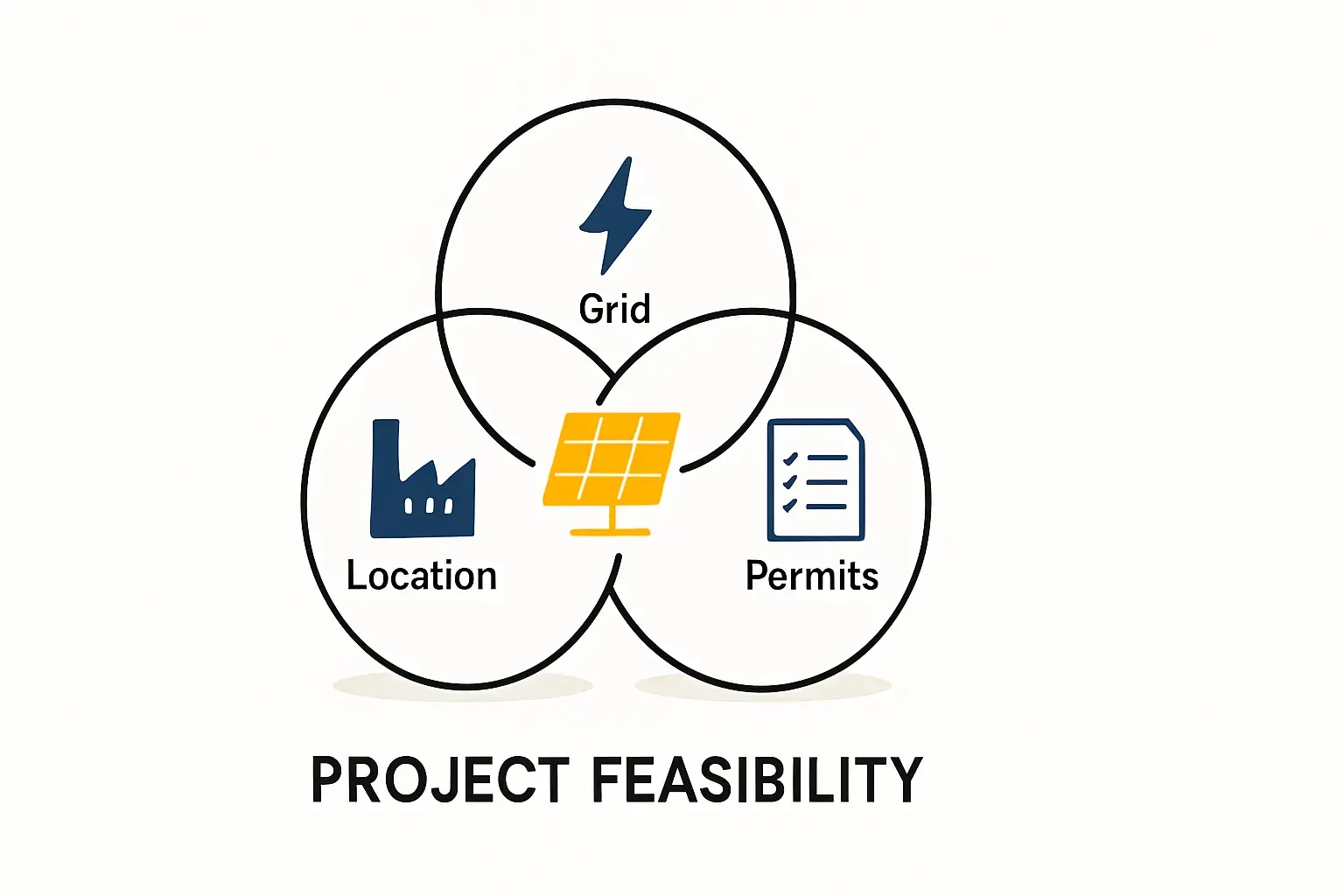
A PV recycling project becomes bankable when it can prove reliable input volume, lawful handling, a tested process, contracted revenue, realistic recovery yields, controlled logistics, and enough cash to operate through price and volume changes. A larger plant is not automatically safer. Capacity must follow secured feedstock.
Evidence investors and lenders should request
- Feedstock: signed take back, collection, or supply agreements by module type, expected volume, timing, quality, and transport distance.
- Regulatory position: permits, waste classification, storage and transport rules, producer responsibility obligations, reporting duties, and export restrictions for the target country.
- Process performance: tested throughput, uptime, recovery yield by material, residue handling, worker safety, emissions control, and maintenance requirements.
- Revenue: gate fees, service fees, material sale contracts, quality specifications, price assumptions, and sensitivity to lower silver, aluminum, glass, or silicon values.
- Scale and liquidity: ramp up schedule, working capital, debt service headroom, downside cases, and a plan for periods when incoming module volume is below capacity.
The IEA PVPS review of end of life management and recycling technologies shows why process choices and policy conditions must be assessed together. The European Commission’s WEEE overview explains the European framework for waste prevention, collection, reuse, and recovery. Rules outside Europe differ, so verify the local legal position before building a financial model.
Next, match contracted feedstock to solar recycling plant size and throughput. Then compare the broader financing reality and common investor mistakes.
Why Financing Is Different in Recycling
Many business professionals exploring solar module recycling expect the financing process to resemble a standard manufacturing plant. The financial logic differs because feedstock, policy, service fees, recovery yields, and recovered material prices all affect cash flow.
A manufacturing plant generates revenue by selling new products into a growing market, its success measured by production output and sales growth. In contrast, a recycling plant operates more like a waste management or infrastructure project. Its revenue depends on three factors often outside its direct control:
- The volume of available end-of-life solar modules.
- The stability of government regulations and recycling fees.
- The market price of recovered materials like aluminum, glass, and silver.
This combination of factors introduces long-term uncertainty, and for financiers, uncertainty equals risk. Securing investment for a solar recycling project is therefore less about demonstrating high growth potential and more about proving long-term stability and risk management.
Typical Financing Building Blocks
As a capital-intensive project with a long operational life, a solar recycling plant requires a financing structure designed for the long term. Funding rarely comes from a single source; it is typically a blend of different capital types.
The most common financing structure includes three building blocks:
- Equity from Project Sponsors: This capital, invested by the project’s owners or founders, represents their own financial commitment and serves as a critical signal to other financiers. A significant equity contribution demonstrates confidence in the project’s viability.
- Long-Term Debt: This is capital borrowed from financial institutions that must be repaid over a long period, often 10 years or more. Lenders will only provide this debt if they are highly confident in the project’s ability to generate stable, predictable cash flow to cover loan payments for the entire term.
- Public or Semi-Public Support: Because solar recycling provides a critical public service—managing waste and securing resources—governments often play a role in making projects financially viable. This support can take many forms, including grants, low-interest loans, or financial guarantees that reduce the risk for private lenders.
In practice, purely private financing is rare, especially for the first recycling plant in a region without an established market. A stable framework combining private investment with public support mechanisms is often essential for getting a project off the ground and can reduce the overall cost of financing.
Ready to make big Profits?
The solar Industry is Booming
WE HELP NEWCOMERS to the solar industry start their own solar module production line. Customers can make BIG PROFITS by selling modules and finding investors, without wasting money and time on things they don't need!
The Role of Input Security
For any financier evaluating a recycling project, the first and most important question concerns the input material. Where will the end-of-life modules come from? How can this supply be secured not just for next year, but over the long term? Without a reliable, long-term supply of modules to process, the plant has no sustainable revenue base.
A business plan must present a clear and credible strategy for securing this input volume. There are several common ways to achieve this:
- Take-Back Schemes: In regions with strong environmental laws, a system of Extended Producer Responsibility (EPR) may exist. This legally requires module manufacturers or importers to finance the collection and recycling of their end-of-life products. Such schemes create a predictable, regulated flow of modules to certified recyclers.
- Regulatory Allocation: In some markets, a central government or industry-managed body is responsible for collecting all end-of-life modules. This organization then allocates the volume to licensed recycling facilities, providing a secure and centrally managed input stream.
- Long-Term Supply Agreements: These are direct contracts between a recycling plant and large owners of solar assets, such as utility-scale power plant operators. The agreements specify that when a solar farm is decommissioned, its modules will be sent to the recycling plant.
A project that cannot demonstrate a secure, long-term plan for its input material is generally considered difficult or impossible to finance.
Regulatory and Policy Risk
The security of the input stream is often directly linked to the stability of government policy, making solar recycling projects highly sensitive to regulatory risk. A change in environmental laws, import/export rules for waste, or the structure of recycling fees can materially alter a plant’s financial projections.
For example, if a government lowers the recycling fees paid by producers, the recycler’s revenue per module decreases. If rules change to allow the export of untreated electronic waste, the local plant could lose volume to competitors in other countries.
This dependency creates a significant long-term risk that financiers analyze with great care. Experience shows that projects in regions with unstable or undeveloped environmental policies face significant delays in securing financing. For this reason, financial models for a recycling plant must be built on conservative assumptions. Planning for potential negative policy changes is far wiser than assuming conditions will always remain favorable.
Operational and Scale Risk
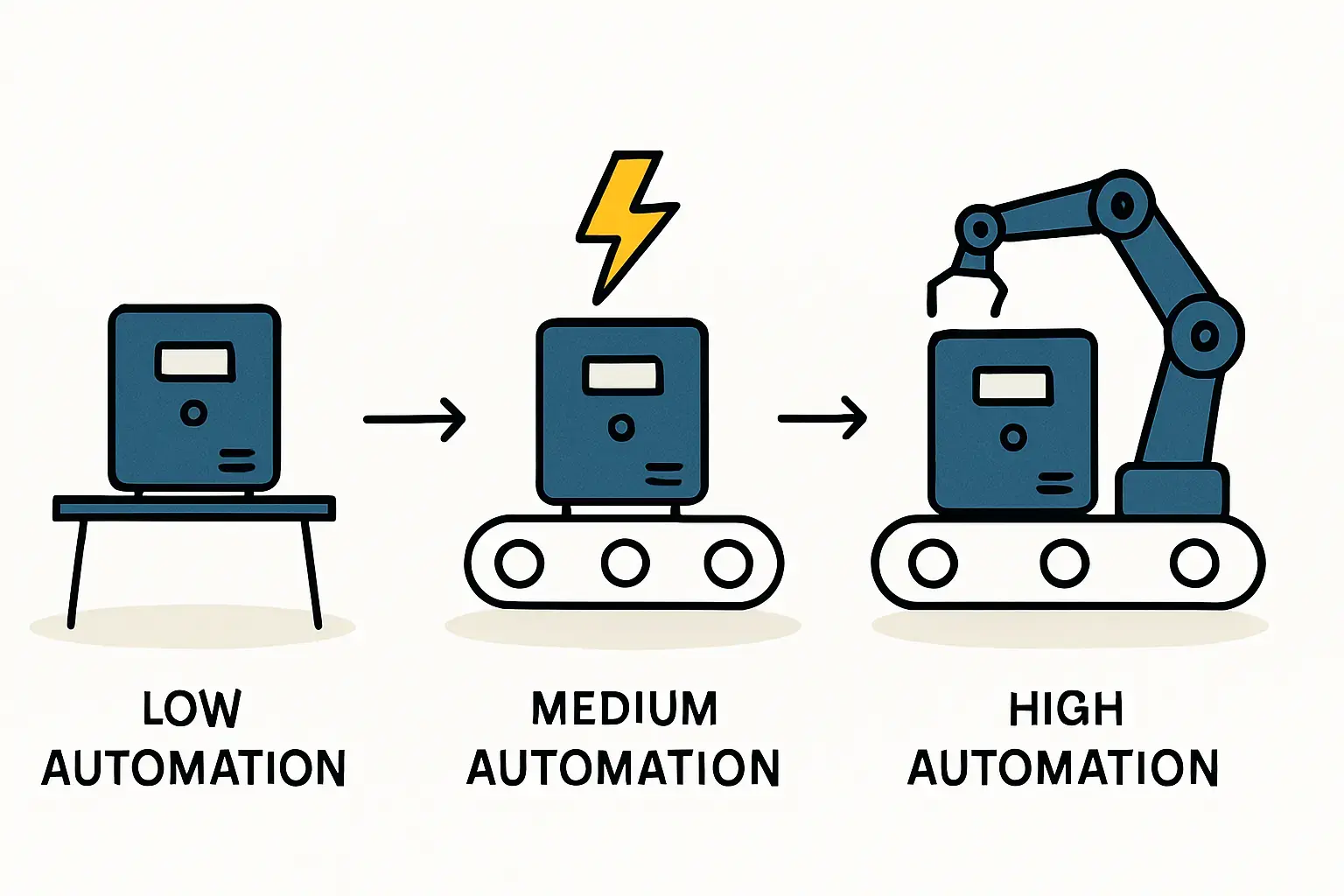
Beyond external factors like input and policy, financiers also focus on internal operational risks, particularly those associated with plant size and utilization. An oversized or underutilized plant can create severe financial stress.
- Oversizing the Plant: Building a recycling facility with a capacity that far exceeds the realistically available volume of end-of-life modules is a common mistake. This leads to high fixed costs for the building, machinery, staff, and debt service, while revenue remains low. The plant consistently loses money because it is not being used efficiently.
- Scaling Too Early: Attempting to expand a plant’s capacity before initial operations are stable and all technical processes are fully optimized introduces unnecessary complexity. This can disrupt the core business and strain financial and human resources.
For financiers, a smaller plant that operates consistently at or near full capacity is a much lower risk than an ambitious, large-scale plant struggling to secure enough input. The primary goal in the early years must be stable, efficient operation, not rapid expansion. Achieving this demonstrates managerial competence and builds the foundation for future, bankable growth.
Strategic Takeaway
To successfully finance a solar recycling facility, project sponsors must adopt the mindset of an infrastructure developer. The key is to demonstrate stability, mitigate long-term risk, and build a conservative, realistic business case.
This approach rests on three core principles:
- Financing follows stability, not ambition. A solid, well-researched plan with conservative projections is more attractive to lenders than one based on optimistic, high-growth assumptions.
- Long-term planning reduces risk. Securing input volumes through contracts and understanding the regulatory landscape are essential steps to take before seeking finance.
- Conservative sizing supports bankability. Starting with a plant that matches the proven available input volume demonstrates operational prudence and makes the project a lower risk for investors.
Conclusion: Building a Bankable Solar Recycling Project
This overview has covered the essential considerations for establishing a solar module recycling facility, from operational logic to the critical challenges of financing and risk management.
The key takeaway is clear: success in this growing industry requires a shift in perspective from high-growth manufacturing to stable, long-term infrastructure development. By understanding how these facilities are planned, built, and financed, business professionals can make informed decisions and navigate the unique opportunities of the circular economy.
For those ready to move forward, a detailed, project-specific pre-investment analysis is the essential next step to turn a viable concept into a bankable reality.