PVknowhow.com in Australia: A Guide to Turnkey Solutions and Consulting for Local Success
Australia is a global leader in solar energy adoption, with one of the highest per capita rates of rooftop solar installation in the world. As the nation aims to achieve 82% renewable energy by 2030, a significant gap remains: over 99% of the solar panels installed are manufactured overseas. This creates a clear and compelling case for developing a sovereign manufacturing capability.
For the entrepreneur or business leader considering this venture, the path is more complex than simply importing standard equipment. Success requires a deep understanding of the local context. This article explores how a generic manufacturing model must be adapted to meet Australia’s unique regulatory, climatic, and market demands, building upon insights from our foundational report on solar manufacturing opportunities in Australia.
Why a Standard Turnkey Solution is Insufficient for Australia
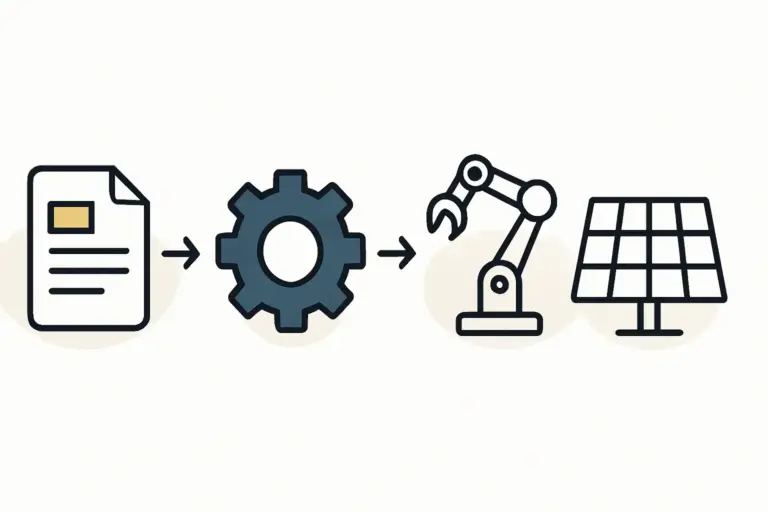
A turnkey solar production line provides a comprehensive package of machinery, processes, and training needed to begin manufacturing. While this model accelerates market entry, a generic ‘off-the-shelf’ solution imported from Europe or Asia will likely encounter significant challenges in Australia.
The Australian solar landscape is defined by specific factors that demand a customized approach:
- Stringent regulatory standards: Australia maintains some of the world’s most rigorous quality and safety standards for photovoltaic products.
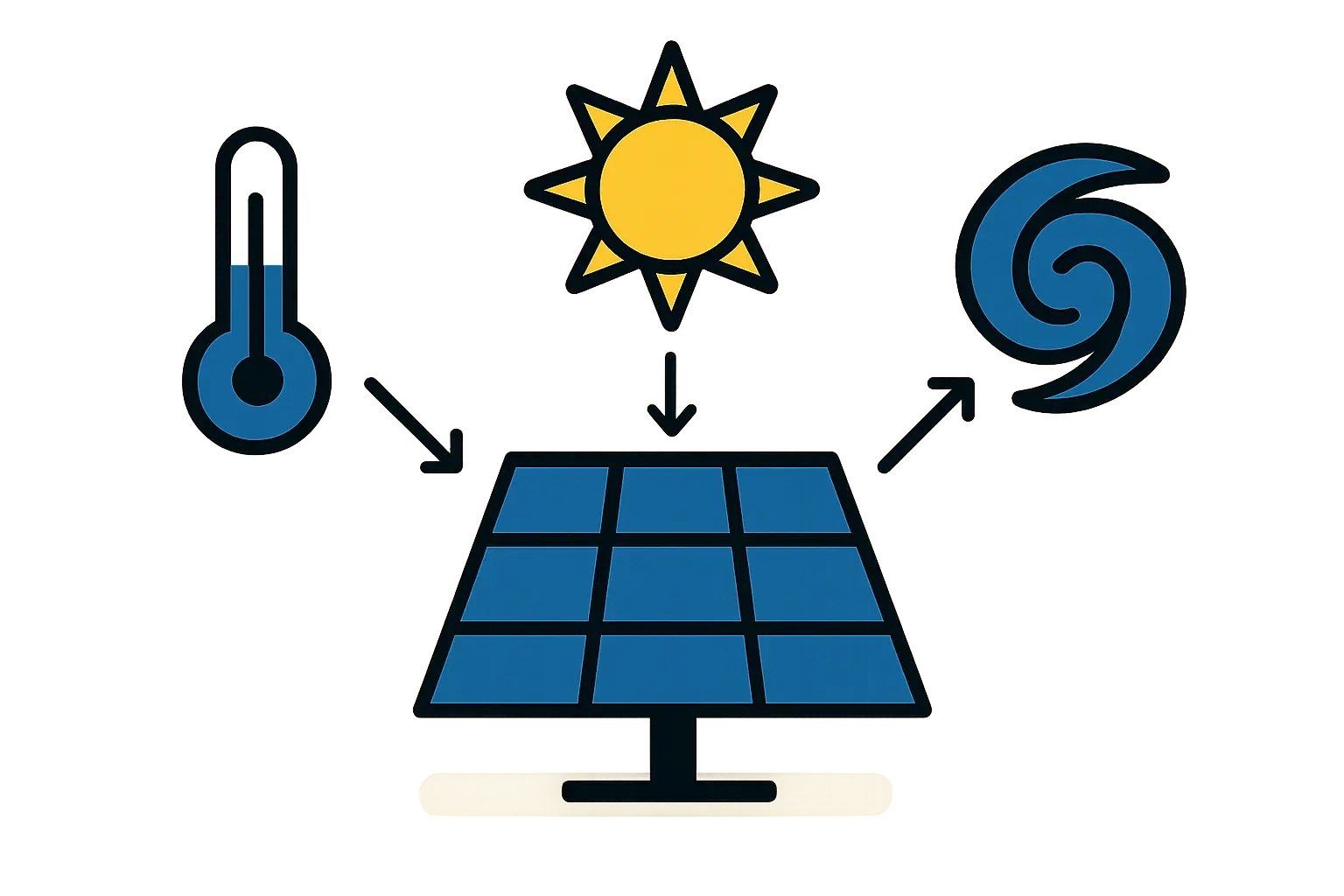
- Extreme environmental conditions: The continent’s high UV radiation, extreme temperature fluctuations, high humidity, and risk of cyclonic winds place immense stress on solar modules.
- A mature and discerning market: The end-user market is sophisticated, with specific demands for high-efficiency and durable solar technology.
- Unique logistical and economic realities: Supply chain logistics, labor costs, and available government incentives all shape the financial viability of a local factory.
A Tailored Framework for Australian Solar Manufacturing
Drawing on experience from J.v.G. turnkey projects, a successful implementation in Australia hinges on adapting every stage of the process, from initial planning to final commissioning. This approach rests on four critical pillars of customization.
1. Regulatory and Certification Alignment
Navigating the Australian regulatory environment is a primary hurdle for new manufacturers. A production line must be configured from the outset to produce modules that can meet essential certification requirements.
- Clean Energy Council (CEC) Listing: This is essential for modules to be eligible for government rebates and widely accepted in the market. The manufacturing process, materials used, and quality control systems must all be designed to meet CEC criteria.
- Australian Standards (AS/NZS): Compliance with standards such as AS/NZS 5033 (for installation) and AS/NZS IEC 61215 (for module performance) is non-negotiable. The production line must be capable of consistently producing modules that pass these tests, which often involves specific material choices and lamination parameters.
A tailored consulting phase ensures that the factory layout, bill of materials (BOM), and quality assurance protocols are all designed with these final certifications in mind.
2. Climate-Resilient Module Design and Materials
A solar module that performs reliably for 25 years in Germany may degrade rapidly in Northern Queensland. The production line must be equipped to build modules specifically for Australian conditions.
- UV Resistance: High-quality, UV-stabilized backsheets and encapsulants (like POE) are critical to prevent premature yellowing, delamination, and power loss.
- Thermal Cycling Durability: The machinery, particularly the laminator, must be calibrated for materials that can withstand extreme temperature shifts without cracking or creating defects.
- Mechanical Load Capacity: For regions prone to high winds or cyclonic activity, modules may require reinforced frames, thicker glass, and robust junction box adhesion to meet structural integrity requirements.
3. Market-Driven Technology Selection
The Australian market shows a strong demand for high-efficiency technologies. A new factory must be competitive from day one, which directly influences the choice of core manufacturing equipment.
The process of selecting the right solar manufacturing equipment must account for current and future cell technologies like TOPCon and HJT, not just legacy PERC. The stringer, laminator, and cell testers must be selected to handle the characteristics of these advanced cells, such as their thinner profiles and temperature sensitivities.
4. Supply Chain and Logistical Strategy
While establishing local manufacturing reduces reliance on finished imported goods, the factory will still depend on a global supply chain for raw materials like cells, glass, and aluminum frames. An effective strategy involves:
- Optimizing the Bill of Materials (BOM): Identifying opportunities to source certain components locally (e.g., frames, junction boxes) to reduce shipping costs and lead times.
- Managing Import Logistics: Planning for the high costs and potential delays associated with shipping core materials to Australia.
- Skilled Labor Development: Recognizing that skilled labor in Australia is a significant operational expense. The turnkey package must include a comprehensive, on-site training program to develop a proficient local workforce efficiently.

The Structured Path: From Concept to Certified Production
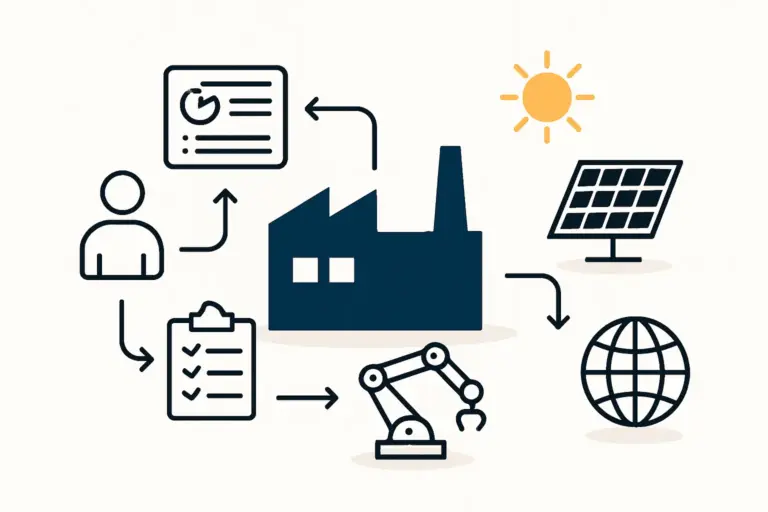
A structured, consultative approach de-risks the investment and ensures the final factory is fit for purpose. The process is typically divided into clear, manageable phases.
Phase 1: Strategic Consulting and Feasibility
This initial stage aligns the business vision with Australian realities. It involves detailed market analysis, financial modeling that considers local costs and incentives (e.g., ARENA, CEFC), and developing a bankable business plan.
Phase 2: Customized Production Line Engineering
Based on the feasibility study, engineers design the factory layout and specify every machine. This includes tailoring the equipment for the chosen module technology, local climate requirements, and production capacity targets.
Phase 3: On-Site Execution and Training
This phase covers equipment installation, commissioning, and the critical hands-on training of local operators and engineers. The objective is to transfer the knowledge needed for self-sufficient, high-quality production.
Phase 4: Certification and Ramp-Up
The final phase provides expert guidance through the complex process of achieving CEC and AS/NZS certifications for the first Australian-made modules, followed by a structured ramp-up to full production capacity.

Frequently Asked Questions (FAQ)
What are the primary Australian certifications a new solar factory must obtain?
The most critical is the Clean Energy Council (CEC) listing for your module series. This makes your products eligible for federal incentives and is a key mark of quality for installers and consumers. Additionally, your modules must be tested and certified to meet relevant Australian Standards, primarily AS/NZS IEC 61215 for performance and AS/NZS IEC 61730 for safety.
How does the Australian climate impact the choice of manufacturing equipment?
The climate primarily influences the bill of materials (BOM), which in turn dictates the specifications for certain machines. For example, if you need to use advanced POE encapsulants for high-humidity environments, your laminator must be capable of processing that material at the correct temperature and pressure profiles. The equipment must be versatile enough to build a robust, climate-resilient product.
Are there government incentives available for setting up a solar factory in Australia?
Yes, various federal and state-level programs exist to support renewable energy manufacturing. These can include grants from the Australian Renewable Energy Agency (ARENA), financing from the Clean Energy Finance Corporation (CEFC), and other state-specific initiatives. A thorough feasibility study is essential to identify and incorporate these potential benefits into the business plan.
What is a realistic timeline for establishing a small- to medium-scale solar factory in Australia?
From the initial decision to the first certified module coming off the line, a realistic timeline is typically 12 to 18 months. This includes feasibility studies, financing, equipment procurement and shipping, factory construction or retrofitting, installation, commissioning, and the certification process.
How does the required investment for a solar factory in Australia compare to other regions?
The core machinery cost is globally competitive. However, the overall investment for a solar factory in Australia may be higher due to factors like land and construction costs, higher wages for skilled labor, and logistics for importing equipment and raw materials. These higher operational costs are often offset by strong local demand, government support, and the premium associated with Australian-made products.
Conclusion: Localization as the Cornerstone of Success
The opportunity to build a thriving solar manufacturing sector in Australia is substantial. However, success demands more than simply replicating a foreign production model. It requires a meticulous, localized strategy that embeds an understanding of Australia’s standards, climate, and market into the very DNA of the factory.
By partnering with experienced consultants who can tailor a turnkey solution to these specific needs, entrepreneurs can navigate the complexities of the Australian market, mitigate risks, and build a resilient and competitive manufacturing operation poised for long-term success.