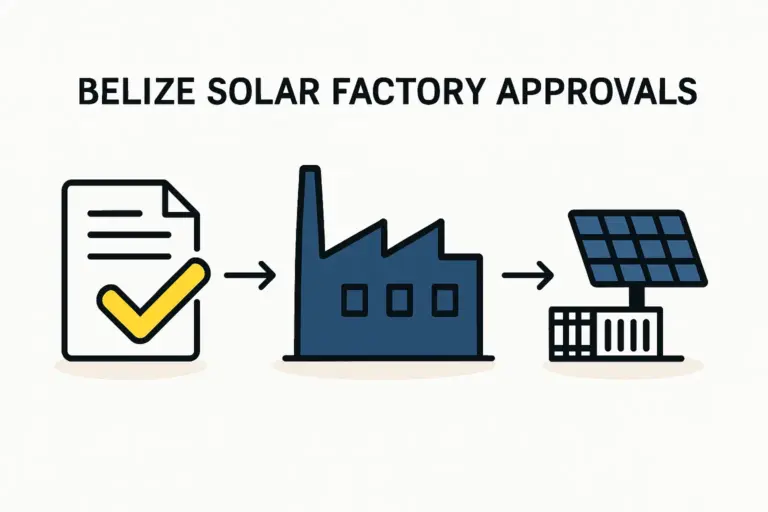
For any entrepreneur in the solar industry, choosing a location is a foundational decision with long-term consequences. This choice extends beyond finding a site for a factory; it’s about establishing a strategic base for production, export, and growth.
While traditional manufacturing hubs are well-known, smaller, strategically positioned countries can offer unique advantages that are often overlooked. Belize is a prime example. With a stable, English-speaking environment and direct access to Caribbean and Central American markets, Belize presents a compelling case. For businesses focused on export, the country’s designated Free Zones and Export Processing Zones (EPZs) provide a framework built to foster international trade and manufacturing.
This article explores the key benefits and operational considerations of establishing a solar module factory within this advantageous framework.
Table of Contents
Understanding Belize’s Economic Incentive Programs
Belize formalizes its commitment to attracting foreign investment through the Free Zone Act and the Export Processing Zone (EPZ) Act. While similar, they serve distinct functions a manufacturing enterprise can leverage.
- Export Processing Zones (EPZs): These are special areas designated for manufacturing, processing, and assembly, primarily for export. The EPZ program is particularly well-suited for a solar module manufacturing operation, as its incentives are tailored for producers shipping finished goods to international markets. For instance, the designated EPZ near the Philip S. W. Goldson International Airport offers logistical advantages for air freight.
- Commercial Free Zones (CFZs): These zones focus more on commercial activities like wholesale and retail trade, offering a base for import and re-export operations.
For a new solar manufacturer, the EPZ program is the most relevant framework. It is designed to create a highly competitive environment by systematically removing common financial and bureaucratic barriers.
Key Financial Advantages for Solar Module Manufacturers
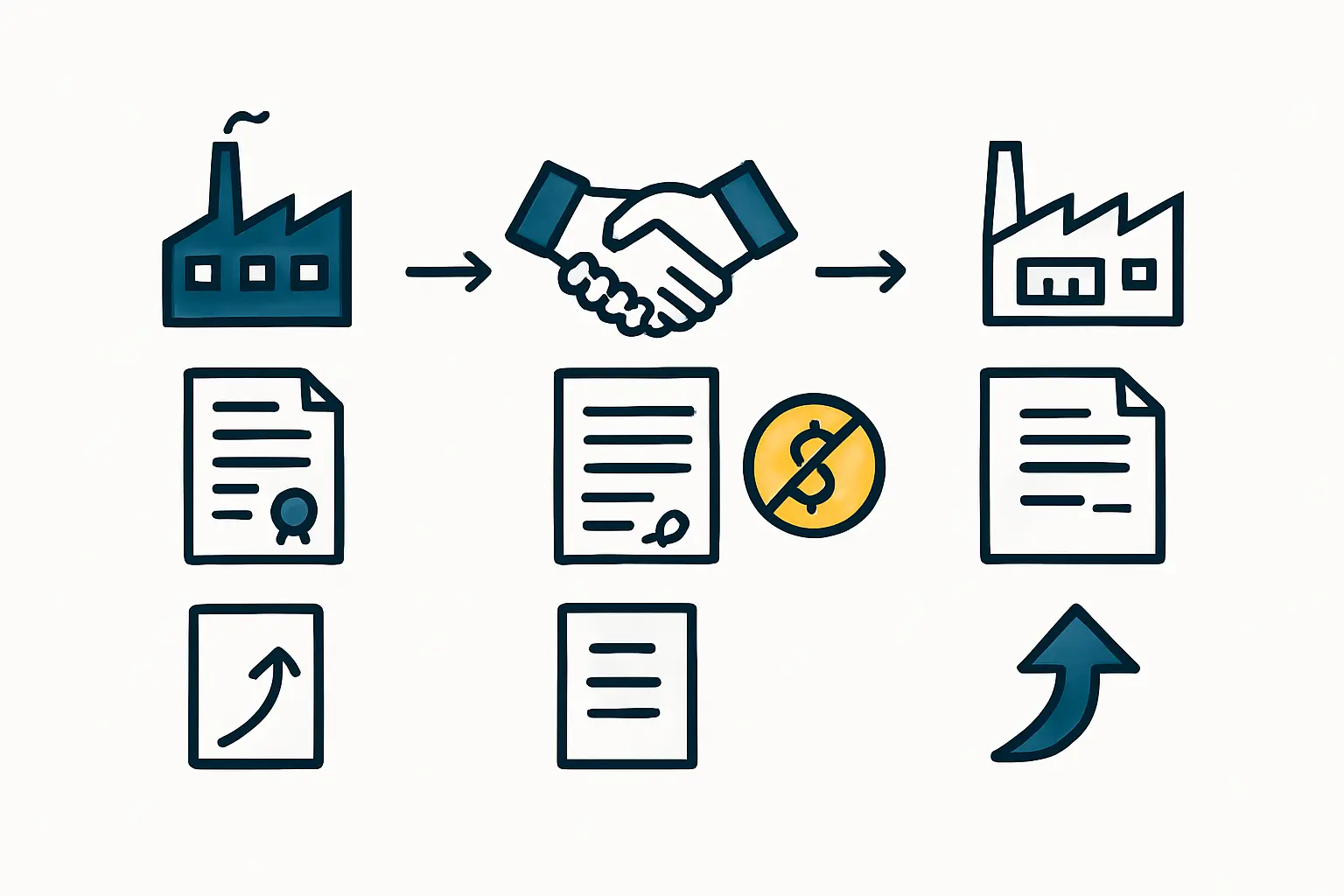
The primary appeal of Belize’s EPZ program lies in its substantial, long-term financial incentives. These benefits directly address the key cost centers and risks facing new investors, creating a predictable and highly favorable financial environment.
Based on our experience with J.v.G. turnkey projects in emerging markets, a clear and stable tax regime is one of the most critical factors for long-term success. Belize provides this stability through several key provisions:
- Extended Tax Holiday: Businesses operating within an EPZ are granted a full exemption from corporate income tax for up to 20 years. After this period, the tax rate is exceptionally low and capped.
- Duty and Tax Exemptions: All capital equipment, raw materials, components, and spare parts for the factory can be imported free of import duties, customs duties, consumption taxes, and excise taxes.
- No Export Taxes: Finished solar modules can be exported without being subject to any export duties or taxes, which maximizes profit margins on international sales.
- Favorable Long-Term Tax Rate: After the initial tax holiday, corporate income tax is capped at a minimal 1.75%, providing long-term financial predictability.
Additionally, the Belize Dollar (BZD) is pegged to the US Dollar at a fixed 2:1 ratio. This currency stability eliminates exchange rate risk for businesses invoicing in USD—a crucial advantage for international trade and financial planning. It simplifies forecasting and protects the value of investments and returns.
Strategic and Operational Considerations
Beyond the financial incentives, Belize offers several strategic advantages that align with the goals of an export-oriented solar manufacturer. However, it is also essential to understand the on-the-ground operational realities.
Market Access and Trade Agreements
Belize is a member of both the Caribbean Community (CARICOM) and the Central American Integration System (SICA). This dual membership provides preferential access to a combined market of over 60 million people. For a solar manufacturer, this means the potential to serve growing energy demands across the Caribbean islands and Central America from a single, duty-advantaged location.
Labor and Language
The official language of Belize is English, which simplifies legal, administrative, and business dealings. The labor force is relatively young and often bilingual (English/Spanish), a valuable asset for managing a diverse workforce and communicating with partners in neighboring Latin American countries.
Infrastructure and Logistics
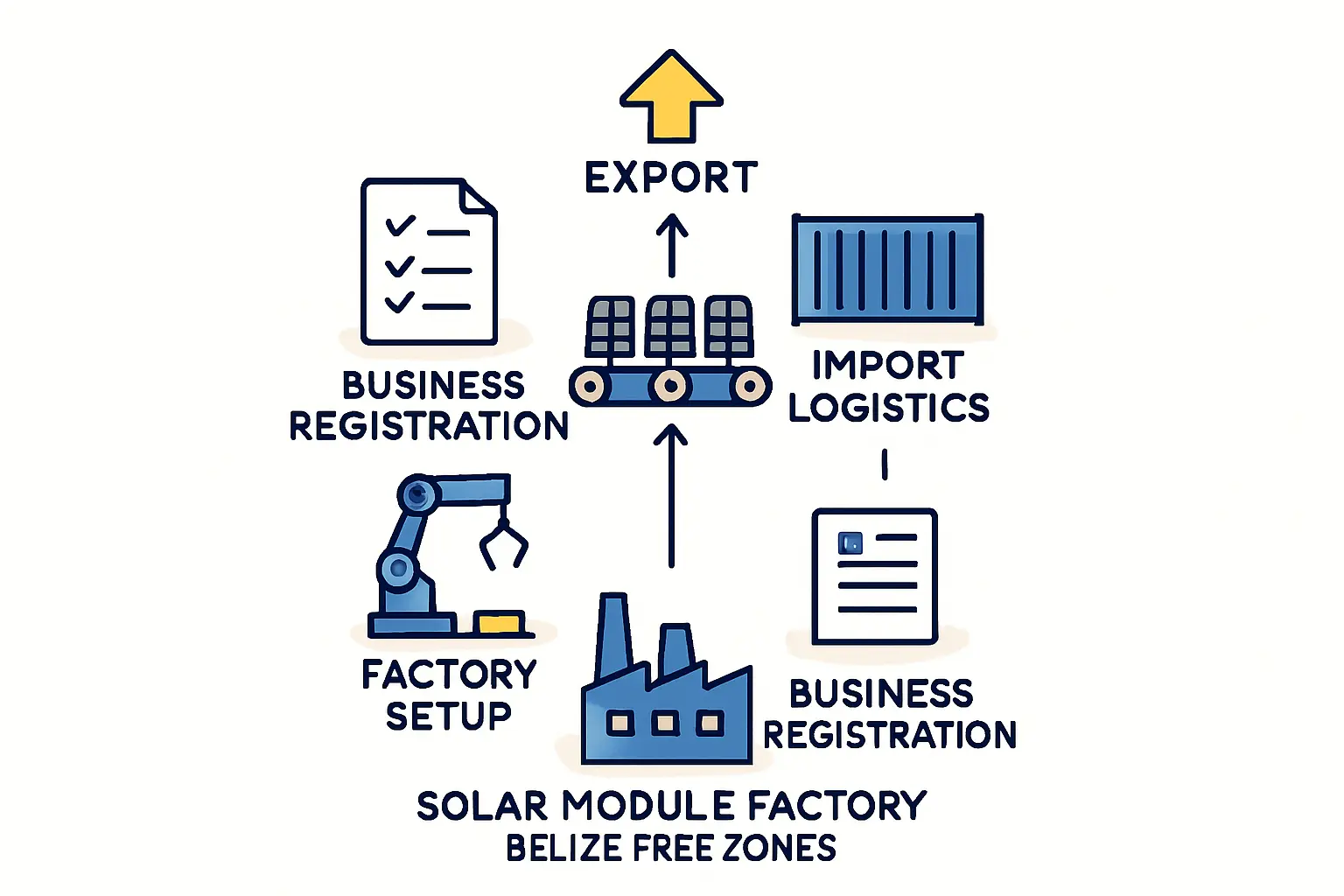
Belize’s infrastructure is still developing. The country has deep-water ports in Belize City and Big Creek, which are essential for shipping containers of raw materials and finished solar modules. When planning a factory, logistics for both importing materials and exporting finished goods must be carefully mapped out. A well-designed turnkey production line ensures that internal factory operations are highly efficient, which can help offset external logistical complexities.
Navigating the Local Environment
As in many emerging markets, bureaucratic processes can be slower than in more developed economies. Success in this environment often depends on experienced local partners or consultants who can effectively navigate administrative requirements.
While the government supports renewable energy, industrial electricity costs can be higher than in some other regions. This factor should be included in any analysis of investment requirements and operating costs.
Frequently Asked Questions (FAQ)
Q: What exactly is an Export Processing Zone (EPZ)?
A: An EPZ is a specific geographical area within a country where standard trade barriers like tariffs and quotas are eliminated and bureaucratic requirements are streamlined to attract new business and foreign investment, primarily for export-oriented production.
Q: Are there restrictions on what can be produced in a Belize EPZ?
A: The EPZ program is designed for a wide range of manufacturing, assembly, and processing activities. Solar module manufacturing fits perfectly within its intended scope, as it involves importing components and exporting a finished, high-value product.
Q: How does the currency peg to the USD benefit a solar business?
A: A fixed exchange rate eliminates currency risk. Since solar components and export sales are typically priced in USD, the peg means your revenues, costs, and profits are shielded from unpredictable currency fluctuations, making financial planning much more reliable.
Q: What is the first step in exploring a solar module manufacturing setup in Belize?
A: The initial step is a thorough feasibility study. This involves analyzing the full scope of financial incentives, logistics, labor availability, and the specific legal requirements for establishing a business within an EPZ. The pvknowhow.com platform provides structured resources to help you begin this critical planning phase.
A Launchpad for Regional Markets
For entrepreneurs focused on export, Belize offers a unique and powerful combination of benefits. The extensive tax holidays and duty exemptions under its EPZ program create a financial environment that is difficult to match.
Combined with its strategic location, stable currency, and access to key regional trade blocs, the country is more than just a site for a factory—it is a strategic launchpad into the growing solar markets of the Americas. While this path requires careful planning and an understanding of the local operational landscape, the opportunity is significant for those ready to look beyond conventional options.