Even with a perfectly viable business plan, secure financing, and an ideal location selected for a new solar module factory in Eswatini, one of the most critical operational factors is often underestimated: the complex journey of raw materials from a global supplier to the factory floor. For a landlocked country, a robust and efficient logistics strategy is not just an operational detail; it is the lifeblood of the manufacturing enterprise.
This article explores the strategic considerations for importing essential components to a solar factory in Eswatini, covering everything from the primary shipping routes and the critical role of South African ports to the cross-border protocols that define the regional supply chain. Understanding these elements is fundamental to successfully setting up a solar module factory.
The Geographic Advantage and Challenge of Eswatini
Eswatini’s strategic position within the Southern African Customs Union (SACU) and the Southern African Development Community (SADC) offers significant advantages for manufacturers. Membership in SACU, which also includes Botswana, Lesotho, Namibia, and South Africa, facilitates a more streamlined customs process for goods entering the region.
However, its landlocked status presents a distinct logistical challenge. The nation relies entirely on the seaports of its neighbors, primarily the South African ports of Durban and Richards Bay. This dependency makes the overland leg of the journey—from the port to the factory—a critical phase that requires meticulous planning.
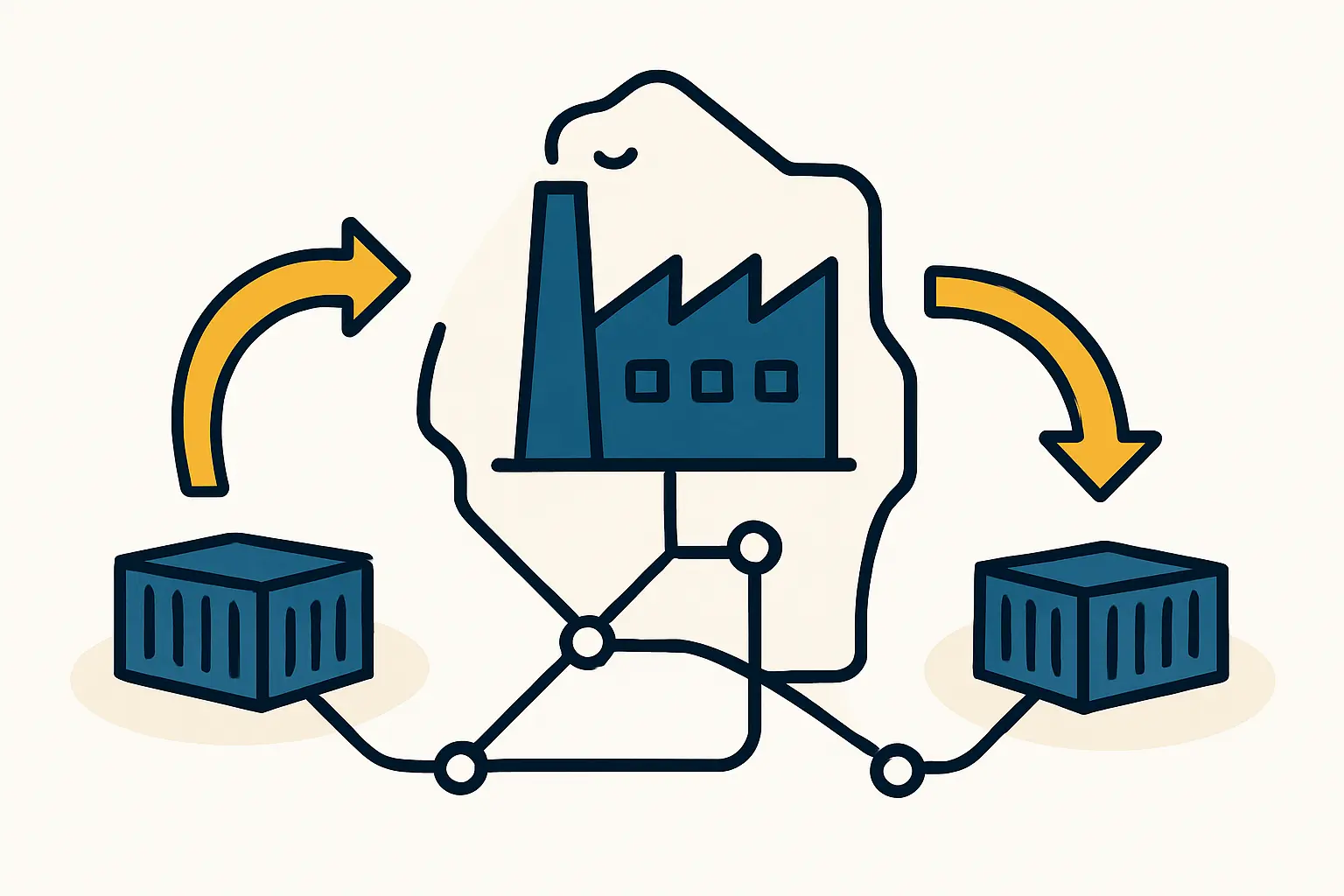
Mapping the Supply Chain: From Global Supplier to Your Factory Floor
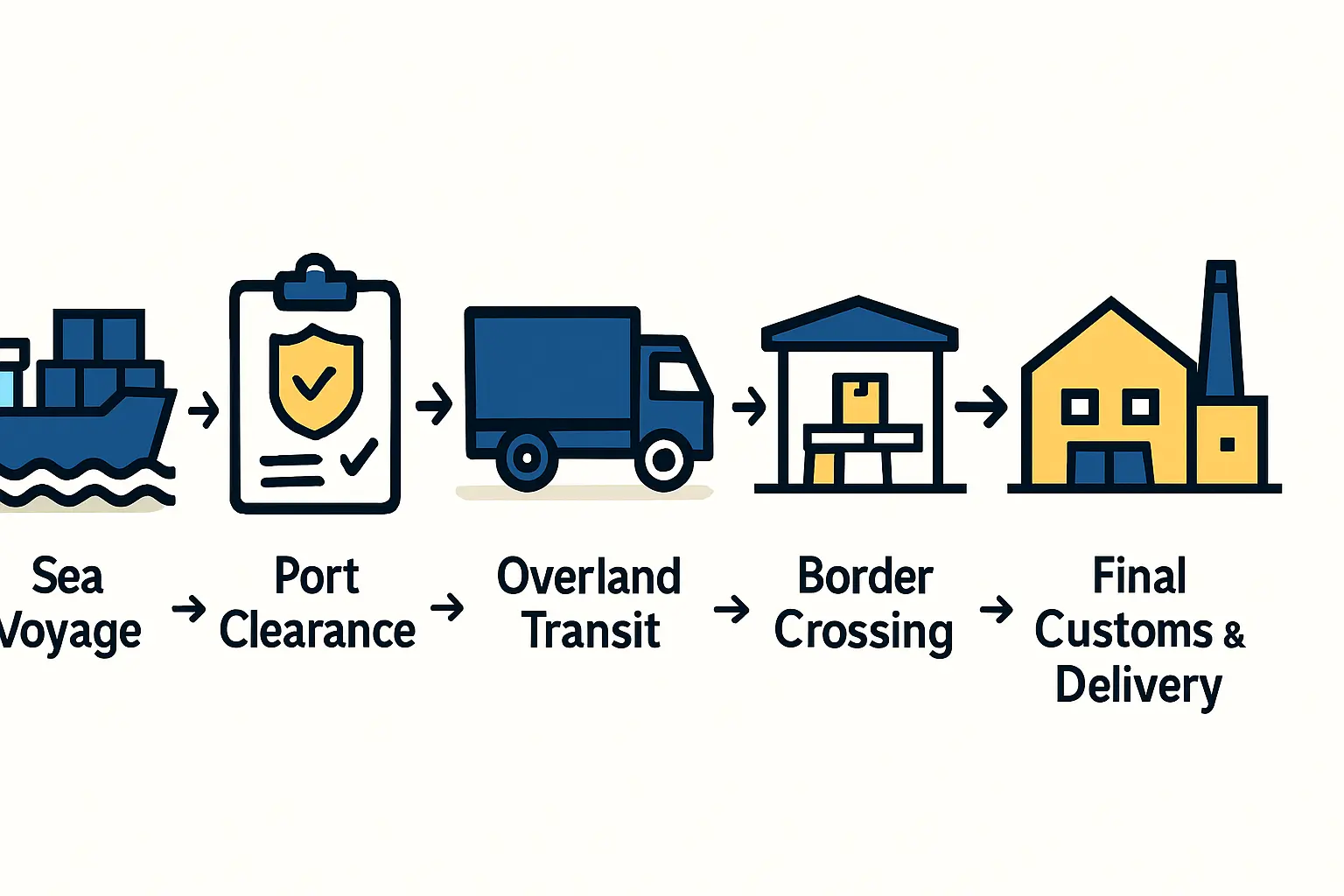
The importation process breaks down into three distinct stages, each with its own procedures, potential bottlenecks, and key partners required for smooth execution.
Stage 1: Sea Freight to Southern Africa
The majority of raw materials for solar panel manufacturing, such as solar cells, EVA encapsulant, and junction boxes, are sourced from manufacturers in Asia, making sea freight the first leg of their journey.
- Primary Ports: The Port of Durban is the busiest container port in sub-Saharan Africa and the primary gateway for cargo destined for Eswatini. The Port of Richards Bay is another viable option, sometimes offering less congestion.
- Transit Times: A typical sea freight shipment from a major port in China to Durban takes approximately 25 to 35 days. This timeline is a crucial metric for inventory planning and managing working capital.
- Containerization: Goods are shipped in standard 20-foot or 40-foot containers. Planning container loads to maximize space and minimize cost per unit is a critical skill that develops with experience.
Stage 2: Port Operations and In-Transit Clearance
Once a vessel arrives in Durban, a critical sequence of events begins. This is a point in the process where delays can easily accumulate without thorough preparation.
- Unloading and Staging: The container is offloaded from the ship and moved to a staging area within the port.
- Customs Formalities: Although Eswatini is part of SACU, goods still undergo customs inspection and clearance in South Africa, where precise documentation is essential. The goods are typically cleared “in-transit” to Eswatini, a process requiring a bond to be posted to ensure the cargo reaches its final destination and is not illegally diverted into the South African market.
- Handover to Overland Carrier: After clearance, the container is transferred from the port’s custody to a designated road or rail carrier for the final leg of its journey.
Stage 3: Overland Transport to Eswatini
Road freight is the most common and practical method for transporting containers from Durban to Eswatini.
- Route and Border Posts: The primary route is via the N2 and N17 highways in South Africa, crossing into Eswatini at the Oshoek/Ngwenya border post. This journey of approximately 550–600 kilometers can typically be completed within a day.
- Border Crossing Protocol: The crossing itself is a potential bottleneck where all documentation—including the bill of lading, commercial invoice, packing list, and transit bond—must be flawless. Any discrepancy can lead to significant delays. Based on experience from J.v.G. turnkey projects, allotting a 1–2 day buffer for border clearance is a prudent measure.
- Final Delivery: The truck proceeds to the factory, where planning for unloading and inventory management becomes paramount. The factory layout and design must account for the efficient receipt of multiple containers.
Key Partners in Your Logistics Strategy
No factory manages this complex chain alone. Assembling a team of reliable logistics partners is as important as procuring the right manufacturing equipment.
The Freight Forwarder: Your Logistics Architect
A freight forwarder acts as the project manager for your entire shipment. They do not own the ships or trucks but coordinate with all the relevant parties. Their responsibilities include booking cargo space, negotiating freight charges, and ensuring a seamless flow of goods and information from origin to destination. For a new entrepreneur, a competent freight forwarder is an indispensable partner.
The Customs Broker: Your Navigator for Regulations
A licensed customs broker specializes in the documentation and procedures required for customs clearance. They ensure compliance with both South African and Eswatini regulations, manage the in-transit bond, and resolve any issues with customs authorities. Their expertise is crucial for avoiding costly fines and delays.
Local Transport Providers: The Final Mile Experts
The company responsible for trucking the container from Durban to your factory must be reliable and have extensive experience with cross-border transport. They need to understand the specific requirements of the border posts and have the necessary permits and insurance to operate in both countries.

Mitigating Risks: Common Pitfalls and How to Avoid Them
Effective logistics is fundamentally about risk management. Several common challenges can disrupt the supply chain:
- Documentation Errors: The most frequent cause of delays. A single incorrect figure on a commercial invoice or a misplaced document can halt a shipment for days or weeks. To avoid this, implement a rigorous double-checking process for all paperwork before submission.
- Port and Border Congestion: High traffic volumes, system outages, or labor actions can cause unexpected backlogs. The solution is to build buffer time into your production schedule. Avoid planning for just-in-time inventory arrival, especially in the early stages of operation.
- Cargo Damage or Loss: The long journey exposes goods to various risks. Ensure you have comprehensive cargo insurance, often arranged by your freight forwarder, and work only with transport providers who have a proven safety and security record.
- Unforeseen Costs: Fluctuations in fuel prices, currency exchange rates, or unexpected port fees can impact the final cost. To manage this, request detailed, all-inclusive quotes from your logistics partners and understand what is and is not included. This clarity is essential when calculating the total investment required for operations.
Frequently Asked Questions (FAQ)
What is SACU and how does it benefit my Eswatini factory?
The Southern African Customs Union (SACU) is a customs union among five countries in Southern Africa. For an importer in Eswatini, it means that once goods have cleared the first port of entry in a member state (like Durban, South Africa), they can move to their final destination in Eswatini without incurring additional customs duties. However, procedures and documentation for VAT and other taxes still apply.
How long should I budget for a full shipment from Asia to my factory in Eswatini?
A safe and realistic estimate would be 45 to 60 days. This includes sea transit (~30 days), potential waiting time at the origin port, unloading and clearance in Durban (~5-10 days), overland transport, and a buffer for unexpected delays.
Can I manage logistics myself without a freight forwarder?
While technically possible, it is highly inadvisable, especially for a new business. The complexity of coordinating with shipping lines, port authorities, customs brokers, and transport companies across different countries is substantial. A professional freight forwarder streamlines this process and mitigates significant risk.
What are the most critical documents for cross-border shipping into Eswatini?
The core documents are the Bill of Lading (the contract with the shipping carrier), the Commercial Invoice (detailing the value of the goods), and the Packing List (detailing the contents of the shipment). Specific customs declaration forms for South Africa (SAD 500) and Eswatini are also required, which are typically handled by your customs broker.
The journey of raw materials to a factory in Eswatini is a complex undertaking that demands careful planning and expert partnerships. By understanding each step—from the sea voyage to the final border crossing—an entrepreneur can build a resilient supply chain that supports a productive and profitable solar manufacturing operation. This logistical framework is the foundational pillar upon which the entire enterprise is built.