Disclaimer: This case study represents a composite example derived from real-world
consulting work by J.v.G. Technology GmbH in solar module production and factory optimization. All data points are realistic but simplified for clarity and educational purposes.
The most compelling opportunities often lie at the intersection of market need and strategic vision. In Ethiopia, such an opportunity is rapidly taking shape. The nation’s goal to achieve 100% electricity access by 2030 isn’t just a policy statement—it is a roadmap for private sector investment, particularly in the off-grid solar sector where over 50 million people await reliable power.
This article outlines a practical investment framework for establishing a 25 MW solar module factory in Ethiopia, designed for professionals who recognize the scale of this opportunity but may lack a background in photovoltaic technology. The focus is on a turnkey approach: a structured, end-to-end solution that manages complexity and enables a new market entrant to begin production efficiently.
The Strategic Imperative: Aligning with Ethiopia’s National Electrification Program
The foundation of this investment opportunity is Ethiopia’s National Electrification Program (NEP 2.0). The program’s target is both ambitious and clear: universal electricity access by 2030, with an estimated 35% of this to be delivered through off-grid solutions.
This creates a vast, predictable market. To meet its off-grid targets, Ethiopia needs an estimated 5 million solar home systems and hundreds of thousands of related products annually. This presents a critical challenge for an import-dependent economy and a significant opening for local manufacturing.
By establishing a domestic solar panel manufacturing business, an investor can:
- Address Market Demand Directly: Supply a large, state-backed program with locally made, quality-controlled products.
- Support National Goals: Contribute to job creation, technology transfer, and a more resilient domestic supply chain—priorities often supported by government incentives and favourable financing.
- Reduce Import Dependency: Capture value within Ethiopia’s economy and mitigate risks associated with international shipping, currency fluctuations, and import duties.
A 25 MW Factory: The Optimal Scale for Market Entry
While the solar industry often focuses on gigawatt-scale factories, a 25 MW production line represents a more strategic entry point for a market like Ethiopia’s. This capacity is large enough to achieve economies of scale and make a meaningful impact, yet it remains manageable in terms of initial investment and operational complexity.
A 25 MW factory can produce approximately 80,000 to 100,000 solar modules per year, depending on wattage. This output can directly supply a significant portion of the annual demand for solar home systems and small-scale commercial projects.
For an investor without prior experience in the sector, a turnkey solar production line is the most direct path to operation. This approach consolidates the entire setup process under a single engineering partner, covering everything from factory layout to machine commissioning and staff training.
Key Investment Components for a Turnkey Solution
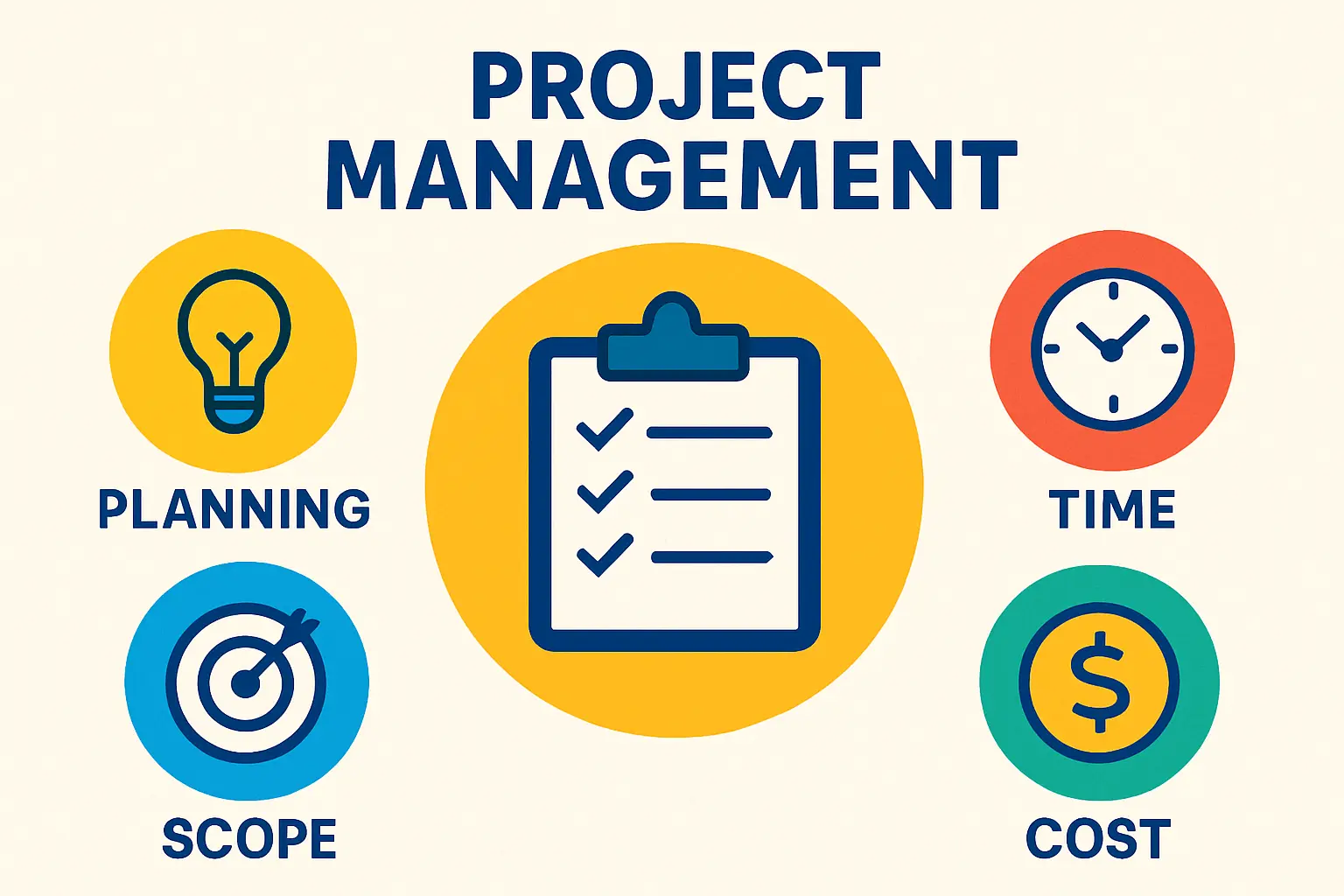
A comprehensive investment plan for a 25 MW factory extends beyond the machinery itself. The total budget must account for several critical areas, all managed within a turnkey project framework.
Production Machinery
The core of the factory is the assembly line. A modern 25 MW line includes several key stations of solar module manufacturing equipment, such as automated cell stringers, lay-up stations, laminators, and sun simulators for final quality and performance testing.
Factory Infrastructure
A 25 MW production line typically requires a building of approximately 2,500 to 3,000 square meters. This footprint provides adequate space for the production line, raw material storage, finished goods warehousing, and administrative offices. The building must have reliable electrical power, compressed air, and proper climate control to ensure a stable manufacturing environment.
Technology and Know-How Transfer
This is a non-physical but essential component. A turnkey solution includes the transfer of all necessary process knowledge, quality control standards (such as ISO 9001), and operational best practices. Crucially, it involves comprehensive training for local engineers, technicians, and operators.
Initial Working Capital
Beyond the capital expenditure for the factory, a sound business plan for solar panel manufacturing must allocate sufficient working capital. This allocation covers the initial procurement of raw materials (solar cells, glass, aluminum frames, etc.), payroll, and other operational expenses during the ramp-up phase.
Technology Focus: Manufacturing for Off-Grid Resilience
Manufacturing solar modules for rural Ethiopia is not the same as producing them for a stable European grid. The operational environment is far more demanding, with high ambient temperatures, dust, and logistical challenges that complicate maintenance and replacement.
Standard solar modules may degrade quickly under these conditions, leading to project failures and reputational damage. The solution is to manufacture modules specifically engineered for durability in harsh climates.
Based on experience gained from European PV manufacturers’ turnkey projects in similar climates, technology like the DESERT+ module series is essential. The design uses specialized materials and construction techniques—such as a glass-glass composition and edge sealing—to protect the solar cells from heat, humidity, and mechanical stress. Producing such high-longevity modules locally offers a distinct competitive advantage and ensures the long-term success of electrification projects.
Financial Planning and Potential Funding Avenues
The total investment cost of a solar panel manufacturing plant for a 25 MW turnkey facility depends on the level of automation and technology chosen, but it is a substantial undertaking. Fortunately, projects that align with national development goals often have access to specialized funding channels.
In Ethiopia, the Development Bank of Ethiopia (DBE) is a key institution providing finance for strategic industrial projects. Additionally, international development finance institutions (DFIs) and green energy funds are often interested in co-investing in projects that combine commercial viability with clear social and environmental impact. A well-structured business plan is essential for approaching these financiers.
The Project Roadmap: Concept to Production
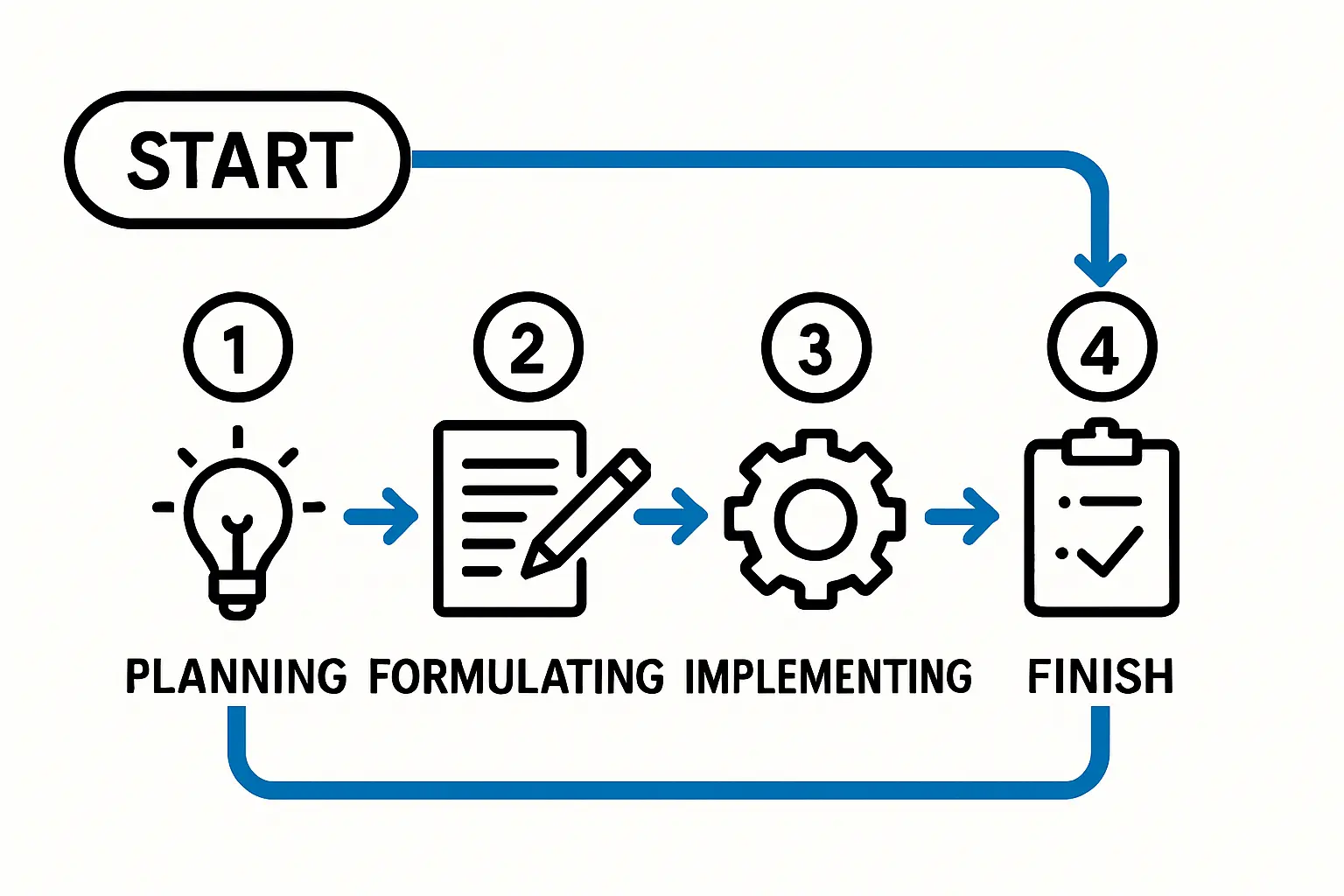
A key benefit of the turnkey model is a predictable and structured timeline. A 25 MW factory can be operational in under 12 months with proper planning and execution.
- Phase 1: Feasibility & Business Planning (Months 1–2): Detailed market analysis, financial modeling, and securing initial financing.
- Phase 2: Factory Design & Equipment Procurement (Months 3–6): Finalizing the factory layout and placing orders for long-lead production equipment.
- Phase 3: Installation & Commissioning (Months 7–9): Civil works, installation of the production line, and commissioning by the engineering partner.
- Phase 4: Staff Training & Production Ramp-up (Months 10–12): Intensive training of the local team and the start of commercial production.

Frequently Asked Questions (FAQ)
How many employees are needed for a 25 MW factory?
A semi-automated 25 MW line typically requires a workforce of approximately 40 to 50 people per shift, including production operators, quality control technicians, maintenance staff, and management.
What skills are required for the workforce?
The majority of production staff can be trained on the job. The key hires are a small team of engineers or experienced technicians to oversee production, quality, and maintenance. The turnkey provider usually trains this core team extensively.
How does a local factory compete with mass-produced imports?
A local factory competes on several fronts:
- Customization: Producing modules specifically designed for local climate conditions.
- Quality Assurance: Offering customers direct oversight and transparent quality control.
- Logistics: Eliminating international shipping costs and delays.
- Government Support: Benefiting from potential local content preferences in government tenders.
- After-Sales Service: Providing reliable local support and warranty fulfillment.
Why start a full solar panel manufacturing business instead of just assembly?
While simple assembly (SKD/CKD) is a lower-cost entry point, a full manufacturing line allows for complete control over quality and materials. It creates more skilled jobs and captures a much larger portion of the value chain within the country, making it a more strategic long-term investment.
Establishing a 25 MW solar module factory in Ethiopia is a commercially sound venture that aligns perfectly with the country’s economic development and electrification goals. It is an opportunity to build a profitable business while creating a lasting national asset.
While complex, the undertaking is entirely achievable. With a strong business plan and an experienced turnkey engineering partner, an investor can navigate the technical challenges and establish a market-leading manufacturing operation poised for long-term growth.
Download: Ethiopia Solar Factory Turnkey Case Study (PDF)
Author: This case study was prepared by the
turnkey solar module production specialists at J.V.G. Technology GmbH
It is based on real data and consulting experience from J.v.G. projects
worldwide, including installations ranging from 20 MW to 500 MW capacity.