An entrepreneur has finalized a comprehensive business plan for a new solar module factory. The financing is secured, the location is selected, and the machinery suppliers are ready to ship. However, as the first consignment of equipment approaches the Port of Djibouti, an unexpected challenge arises: a customs bill for duties and taxes adding a significant, unbudgeted cost. This scenario, while common, is entirely avoidable with careful planning.
Ethiopia, with its ambitious National Electrification Program and abundant solar resources, presents a substantial opportunity for investment in renewable energy manufacturing. The government actively encourages such ventures through a framework of incentives designed to attract foreign and domestic capital.
Navigating this framework is key to ensuring a project’s financial viability from the very beginning. This guide outlines the customs regulations, tax exemptions, and procedures for importing the essential solar manufacturing equipment needed to establish a production line in Ethiopia.
Understanding Ethiopia’s Investment Incentive Framework
At the heart of Ethiopia’s industrial strategy is the goal of building local manufacturing capacity. To achieve this, the government offers significant incentives to investors in priority sectors, including renewable energy. The primary legal instruments governing these benefits are the Investment Proclamation No. 1180/2020 and the Investment Incentives Regulation No. 474/2020.
For an entrepreneur planning to set up a solar module factory, the most important provision within these regulations is the exemption from customs duties and other taxes on the importation of capital goods.
What are Capital Goods?
Capital goods are the machinery, equipment, and apparatus necessary for producing solar modules. This includes core machines such as:
- Automatic Solar Cell Stringers
- Layup and Bussing Stations
- Laminators
- Framing Machines
- Sun Simulators (IV Testers)
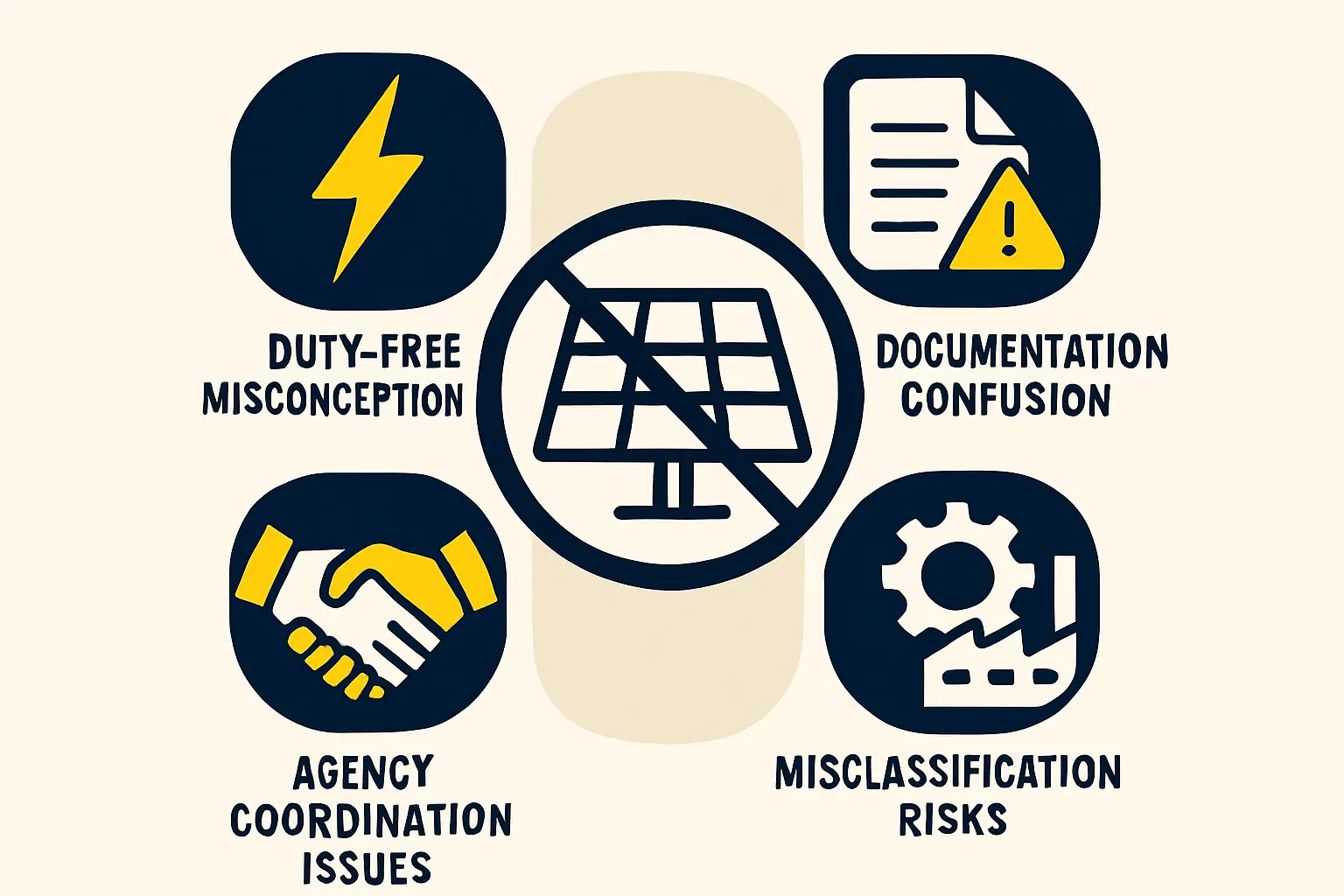
These exemptions are not automatic. They must be applied for and granted through a structured process, which underscores the importance of procedural diligence.
The Step-by-Step Process for Securing Duty-Free Importation
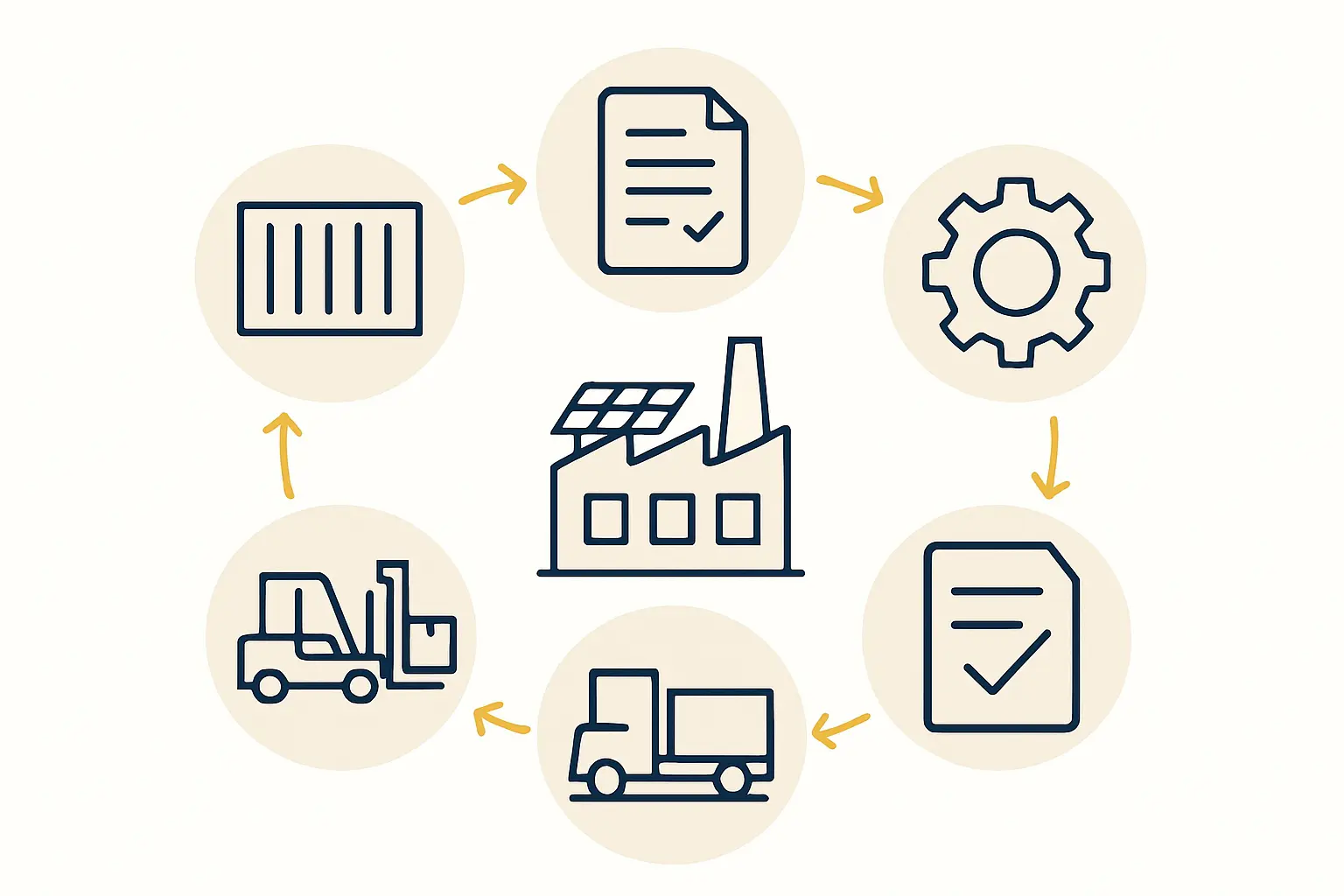
Navigating the customs process in Ethiopia requires a methodical approach. The following steps outline the critical path for an investor seeking to import machinery for a new solar factory.
Step 1: Obtain an Investment License from the EIC
Before any equipment is shipped, the first and most critical step is to secure an Investment License from the Ethiopian Investment Commission (EIC). The EIC is the primary government body responsible for facilitating and regulating investment in the country.
The investment license officially recognizes the project and is the prerequisite for accessing any available incentives, including tax exemptions. The application process requires a detailed project proposal or comprehensive business plan that outlines the scope, objectives, and financial projections of the solar manufacturing plant.
Step 2: Apply for Customs Duty Exemption
Once the Investment License is granted, the investor can apply for duty-free importation. This involves submitting a formal application to the EIC along with a detailed list of all capital goods to be imported for the project.
This list must be accurate and comprehensive. Each machine should be clearly described, matching the details on the supplier’s commercial invoice. The EIC, in coordination with the Ministry of Finance, will review this list to confirm that the items qualify as essential capital goods for the manufacturing process. Upon approval, the EIC issues a support letter that officially grants the exemption.
Step 3: Ensure Correct Harmonized System (HS) Code Classification
All goods crossing international borders are classified using the Harmonized System (HS), a standardized numerical method managed by the World Customs Organization. The correct HS code determines the applicable duty and tax rates.
While the project may be granted a general exemption, customs authorities will still require each machine to be declared under its correct HS code. An incorrect classification can lead to significant delays, disputes, and even financial penalties.
For solar manufacturing equipment, the codes typically fall under Chapter 84 of the HS tariff book. For example:
- Laminators: May be classified under HS Code 8477.59 (Other machinery for working rubber or plastics).
- Solar Cell Testers (Sun Simulators): Often fall under HS Code 9030.89 (Other instruments and apparatus for measuring or checking electrical quantities).
Working with both the equipment supplier and a licensed local customs agent is advisable to ensure every machine is classified correctly before shipment.
Step 4: Prepare the Necessary Import Documentation
With the EIC’s duty-free letter in hand, the final step is to prepare a complete set of shipping and customs documents. Any missing or inconsistent information can halt the clearance process. Based on experience from J.v.G. turnkey factory setup projects, meticulous documentation is non-negotiable.
The required documents include:
- Commercial Invoice: A detailed invoice from the supplier.
- Bill of Lading / Air Waybill: The transport document issued by the carrier.
- Packing List: An itemized list of the shipment’s contents.
- Certificate of Origin: A document certifying the country where the goods were manufactured.
- Investment License: A copy of the license issued by the EIC.
- EIC Duty-Free Support Letter: The official letter granting the customs exemption.
- Taxpayer Identification Number (TIN) Certificate: The investor’s Ethiopian tax registration.
These documents are presented to the Customs Commission by the designated clearing agent for the final release of the goods.
Frequently Asked Questions (FAQ)
What are the standard duty rates if an exemption is not secured?
Without the investment incentive exemption, customs duties on industrial machinery in Ethiopia can range from 0% to 35%, depending on the specific HS code classification. Additionally, imported goods are typically subject to a 15% Value Added Tax (VAT) and other potential taxes like a 10% surtax, which together can add a substantial cost to the initial investment.
Are spare parts for the machinery also covered by the duty-free incentive?
Yes, the Investment Proclamation allows for the duty-free importation of spare parts up to 15% of the total value of the imported capital goods. This allowance is designed to support the plant’s long-term operation.
Does the exemption cover Value Added Tax (VAT)?
The primary exemption is for customs duties. While provisions for VAT exemption on capital goods exist under certain conditions, this should be verified specifically with the EIC and the Ministry of Finance during the application process, as regulations can be nuanced.
What is a common mistake investors make in this process?
A frequent oversight is shipping the equipment before securing the Investment License and the duty-free support letter from the EIC. This often results in the machinery arriving at port and incurring significant storage (demurrage) fees while the investor rushes to complete the necessary paperwork. The correct sequence is to secure all licenses and approvals first, then arrange for shipment.
How does this process support local manufacturing goals?
By removing the significant financial barrier of import duties, the Ethiopian government makes establishing local production facilities more commercially attractive. This strategy aims to reduce reliance on imported finished solar panels, create skilled jobs, and build a sustainable domestic renewable energy industry. The process directly supports the country’s Growth and Transformation Plan.
By understanding and following the established procedures, entrepreneurs can leverage Ethiopia’s investment incentives to their full advantage, transforming a potential financial hurdle into a strategic benefit for their solar manufacturing venture.