The vision of a bustling solar panel factory on the outskirts of Addis Ababa is compelling. Ethiopia, with its abundant sunshine and growing economy, represents a significant opportunity for solar energy development.
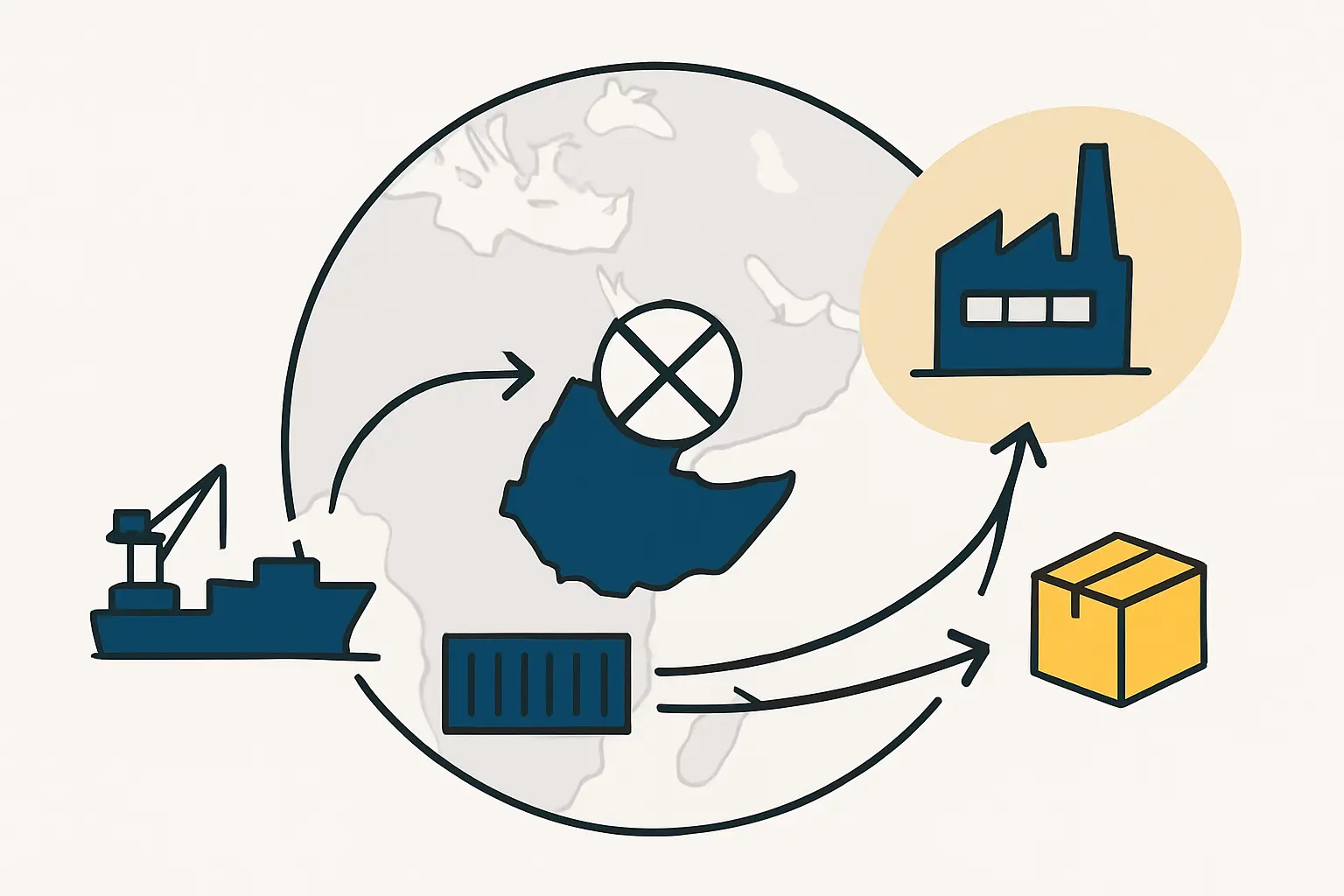
However, before the first panel is assembled, a fundamental question must be answered: How will the essential raw materials—delicate solar cells from Asia, heavy sheets of glass from Europe, and aluminum frames—arrive at a factory in a landlocked country?
The answer lies in a complex but navigable supply chain that stretches through the heart of the Horn of Africa. This article breaks down the practical logistical challenges and strategic solutions for establishing a reliable flow of materials to a solar manufacturing plant in Ethiopia, focusing on the critical corridor from the Port of Djibouti.
The Unique Challenge of a Landlocked Supply Chain
For any manufacturing venture, a dependable supply chain is its lifeblood. For a landlocked country like Ethiopia, this dependency is magnified, as all sea freight must transit through a neighboring nation. Over 95% of Ethiopia’s trade flows through the Port of Djibouti, making this route the primary artery for industrial inputs.
This reliance presents distinct challenges. The World Bank’s 2023 Logistics Performance Index (LPI) ranked Ethiopia 126th out of 139 countries, highlighting systemic difficulties in areas like customs efficiency and infrastructure quality. For an investor, understanding and planning for these realities is paramount. Success is not just about having the right machinery; it is about mastering the movement of goods.
The Critical Journey: From Global Supplier to Ethiopian Factory
The raw materials needed for solar module production undertake a multi-stage journey, each with its own set of considerations.
Step 1: Arrival at the Port of Djibouti
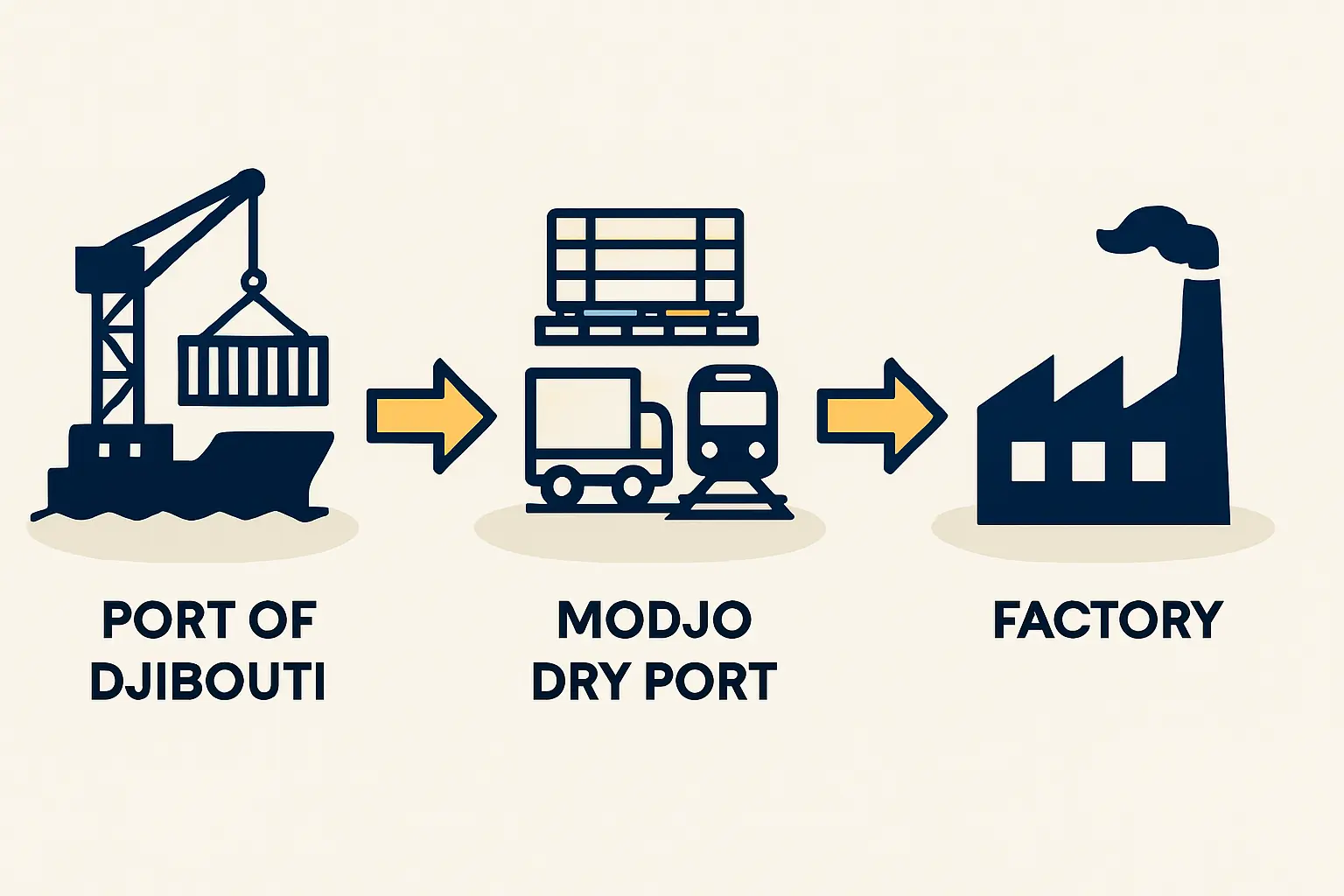
All sea-bound cargo, whether from China, Germany, or India, first arrives at the modern container terminals in Djibouti. While efficient, this port can experience periods of congestion that can lead to unpredictable delays. Upon arrival, containers are offloaded and prepared for the next leg of their journey inland.
Step 2: The Inland Transit – Road vs. Rail
From Djibouti, there are two primary options for moving goods to Ethiopia: road or rail.
Road Transport: The traditional method involves trucking goods across the border. This can be time-consuming, taking several days, and puts fragile cargo like solar glass at risk from poor road conditions and potential security issues.
The Addis Ababa-Djibouti Railway: A transformative piece of infrastructure, this modern electric railway has significantly improved the efficiency and safety of the corridor. The 750-kilometer journey can be completed in approximately 10 to 12 hours, a dramatic reduction from the days required by road. For high-value and time-sensitive components, the railway is the preferred and more reliable option.
Step 3: Customs and Clearance at an Inland Hub
A common misconception is that customs clearance occurs at the coastal port. For Ethiopia-bound goods, the critical destination is an inland “dry port,” with the Modjo Dry Port—located about 70 kilometers southeast of Addis Ababa—as the most prominent.
Here, containers are processed by Ethiopian customs authorities, duties are paid, and cargo is finally cleared for last-mile delivery to the factory. Effectively, Modjo functions as the final maritime destination for Ethiopian imports.
Sourcing Strategies for Key Solar Components
Each raw material has its own unique logistical requirements that demand careful planning.
Solar Glass: The Fragile Giant
Solar glass is the heaviest and most fragile component. Breakage during transit is a significant financial risk.
Challenge: High risk of damage from shocks and improper handling on roads or during transfers.
Solution: Insist on robust, purpose-built crating from the supplier. Comprehensive shipping insurance is non-negotiable, and using the smoother, more stable railway for inland transit is critical for minimizing vibration and impact.
Solar Cells and Electronics: High-Value and Sensitive
Solar cells, junction boxes, and diodes are high-value items susceptible to damage from moisture, static electricity, and physical impact.
Challenge: Risk of theft, water damage, or micro-cracks in cells from rough handling.
Solution: Secure packaging with moisture-absorbent materials is essential. Choosing a freight forwarder with a proven track record in handling sensitive electronics can mitigate risks. End-to-end cargo tracking provides crucial oversight.
Aluminum Frames and Backsheets: Bulky but Robust
These components are less fragile but require careful planning to optimize shipping costs.
Challenge: Their bulk can lead to inefficient container loading, increasing per-unit freight costs.
Solution: Work with suppliers to maximize container space. Bundling frames and rolling backsheets tightly can significantly improve shipping density. Here, the goal is volume optimization, not fragility management.
Mitigating Risks and Building a Resilient Supply Chain
Overcoming the inherent challenges of this logistics corridor requires a proactive approach.
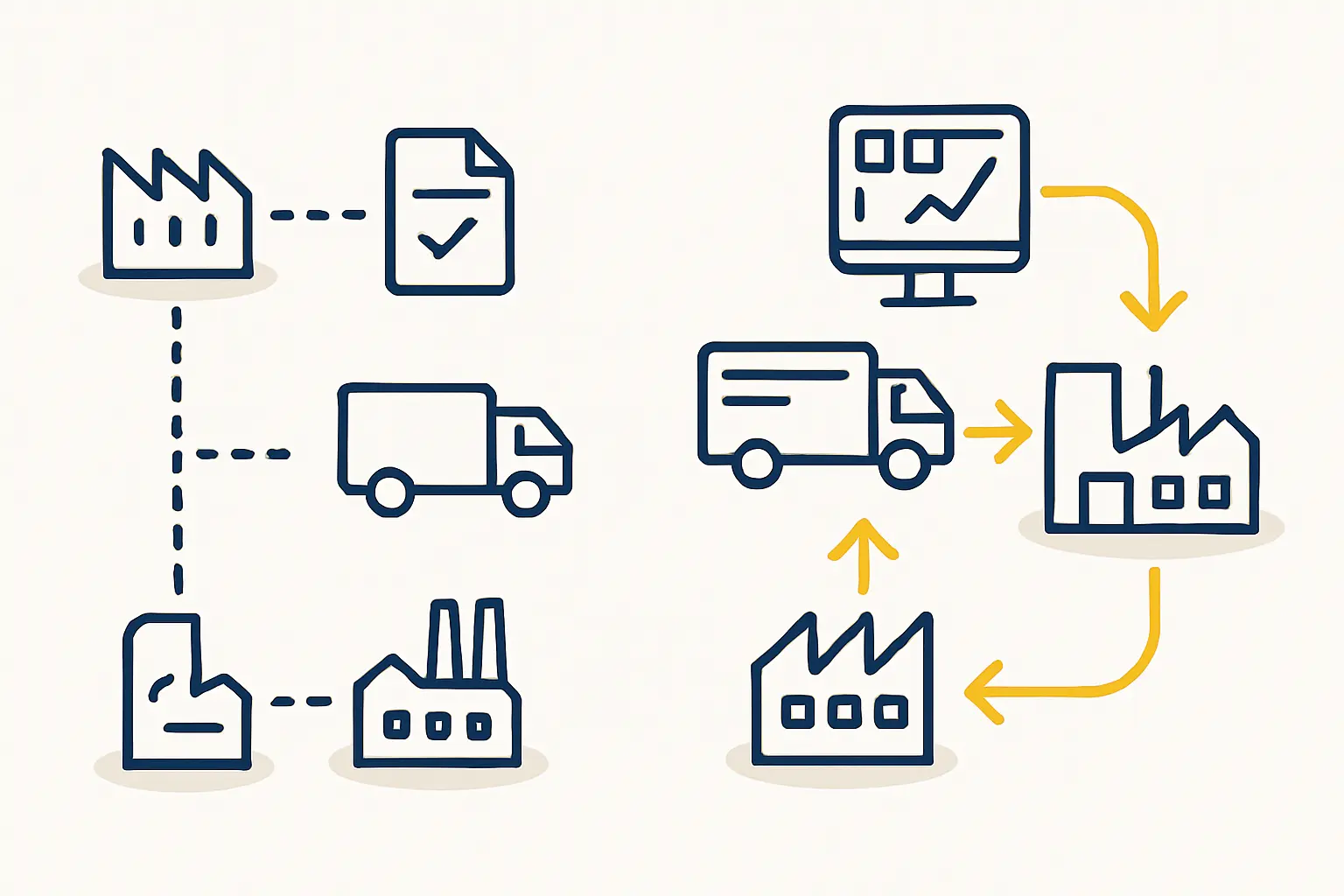
Partner with Experienced Freight Forwarders: A reliable, locally-based freight forwarder is an indispensable partner. They navigate the complexities of customs documentation, manage port operations in both Djibouti and Modjo, and can resolve on-the-ground issues that invariably arise. Their expertise is critical for avoiding costly delays.
Strategic Inventory Management: Given the potential for delays, operating with a lean “just-in-time” inventory model is risky. A more prudent strategy, based on experience from past J.v.G. turnkey projects, is to maintain a buffer stock of critical raw materials, perhaps equivalent to 3-6 months of production. This provides a cushion against port congestion, customs issues, or international shipping disruptions.
Understand the Financial Landscape: Securing foreign currency to pay international suppliers can be a significant hurdle in Ethiopia. This financial dimension of the supply chain must be integrated into the business plan from day one. Planning with a financial institution well in advance is crucial for ensuring timely payments and release of goods.
A resilient supply chain is the foundation upon which a successful manufacturing operation is built. While the route into Ethiopia has its complexities, it is a well-trodden path. With meticulous planning and the right partners, it can be managed effectively.
Frequently Asked Questions (FAQ)
- Why is the Port of Djibouti preferred over other regional ports like Berbera or Port Sudan?
While other ports are options, Djibouti has the most developed and integrated infrastructure for Ethiopian trade, most notably the direct, modern railway link to the country’s economic heartland. This makes it the most efficient and reliable choice for industrial-scale imports.
- What is a realistic timeframe for shipping from a supplier in Asia to a factory near Addis Ababa?
An investor should budget for 4 to 8 weeks from the time of departure from a major Asian port to final delivery. This includes sea transit, potential waiting time at Djibouti, inland rail transport, and the customs clearance process at Modjo Dry Port.
- What are the essential documents needed for customs clearance in Ethiopia?
Typical documentation includes a Commercial Invoice, Bill of Lading (or railway consignment note), a detailed Packing List, and a Certificate of Origin. Additional permits or letters of credit may be required depending on the goods and payment terms.
- How does a company like J.v.G. Technology assist with logistical planning?
Consultancies with experience in turnkey factory setups, such as J.v.G. Technology, build logistical strategy into their core service. This involves advising on reliable freight forwarders, optimizing shipping plans for different components, and integrating supply chain costs and timelines into the overall business model to ensure a smooth project launch.