Many entrepreneurs considering solar manufacturing focus on production machinery and factory layout. While these are critical, it is often a less visible factor that determines the financial viability and smoothness of the entire venture: logistics.
The choice of a strategic import and export hub is not merely a line item in a budget; it is a foundational business decision. For a new solar module factory targeting markets in Europe, the Middle East, and Africa, the Port of Piraeus in Greece offers a compelling logistical advantage worth careful examination.
This article explores the practicalities of integrating the Port of Piraeus into your solar manufacturing supply chain, covering the strategic benefits, customs procedures, and transportation links that can transform a logistical challenge into a competitive edge.
Why Piraeus? A Geostrategic Overview for the Solar Entrepreneur
Located at the crossroads of Europe, Asia, and Africa, the Port of Piraeus is the largest port in Greece and one of the most significant maritime hubs in the Mediterranean. Substantial investment has amplified its strategic importance, transforming it into a world-class facility.
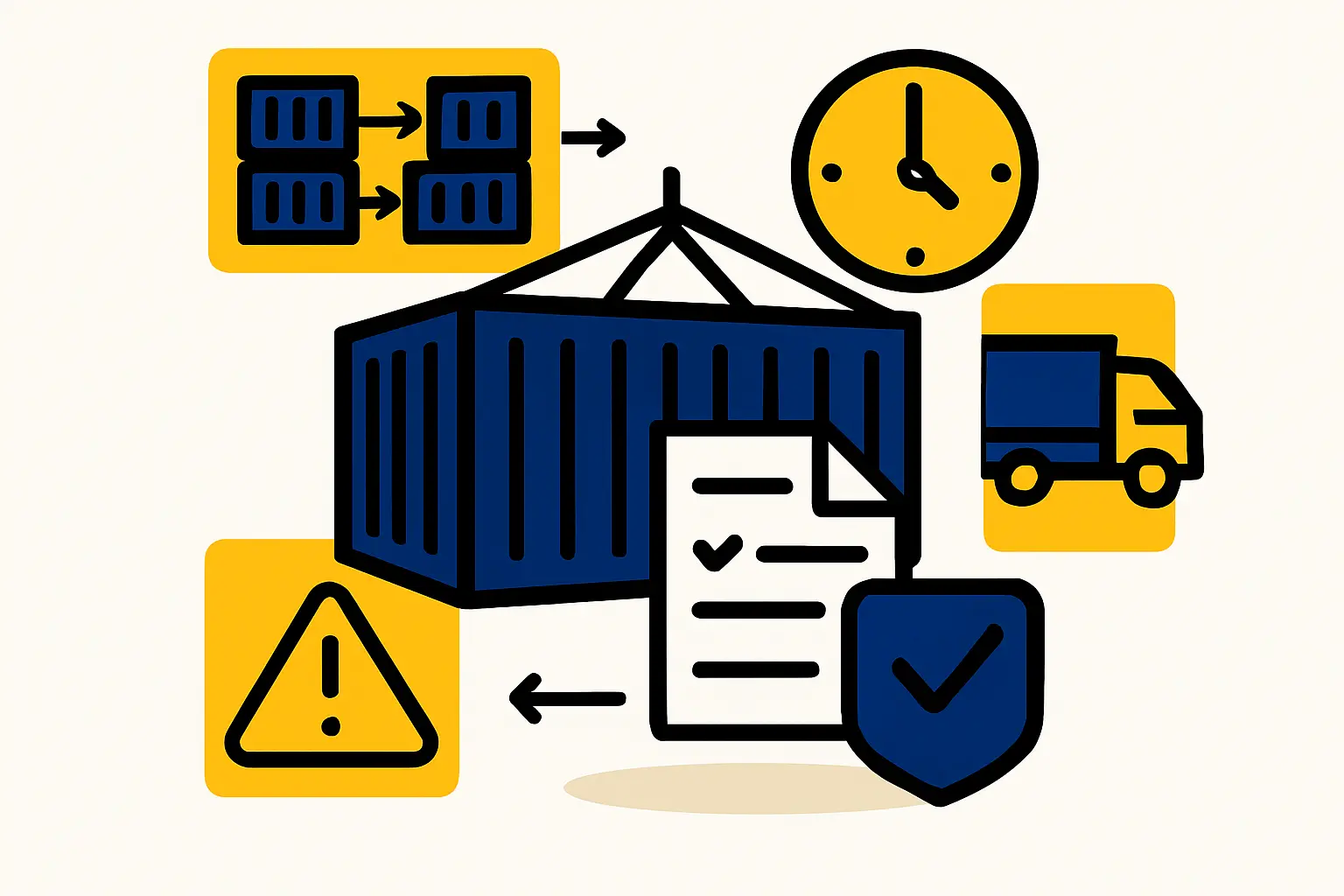
As a key node in the Belt and Road Initiative, backed by a majority stake from COSCO Shipping, Piraeus has undergone massive infrastructure modernization. This has propelled its growth; the port now handles over 5 million TEUs (twenty-foot equivalent units) annually and is consistently rising in global port efficiency rankings. For an entrepreneur planning how to start a solar factory, this means reliability, capacity, and access to a globally integrated network.
The port’s location offers a distinct advantage: it is the first major European container port for vessels arriving from Asia via the Suez Canal. This positioning can shorten shipping times for raw materials sourced from Asian suppliers, giving your production schedule a valuable head start.
The Inbound and Outbound Flow: Managing Your Solar Supply Chain
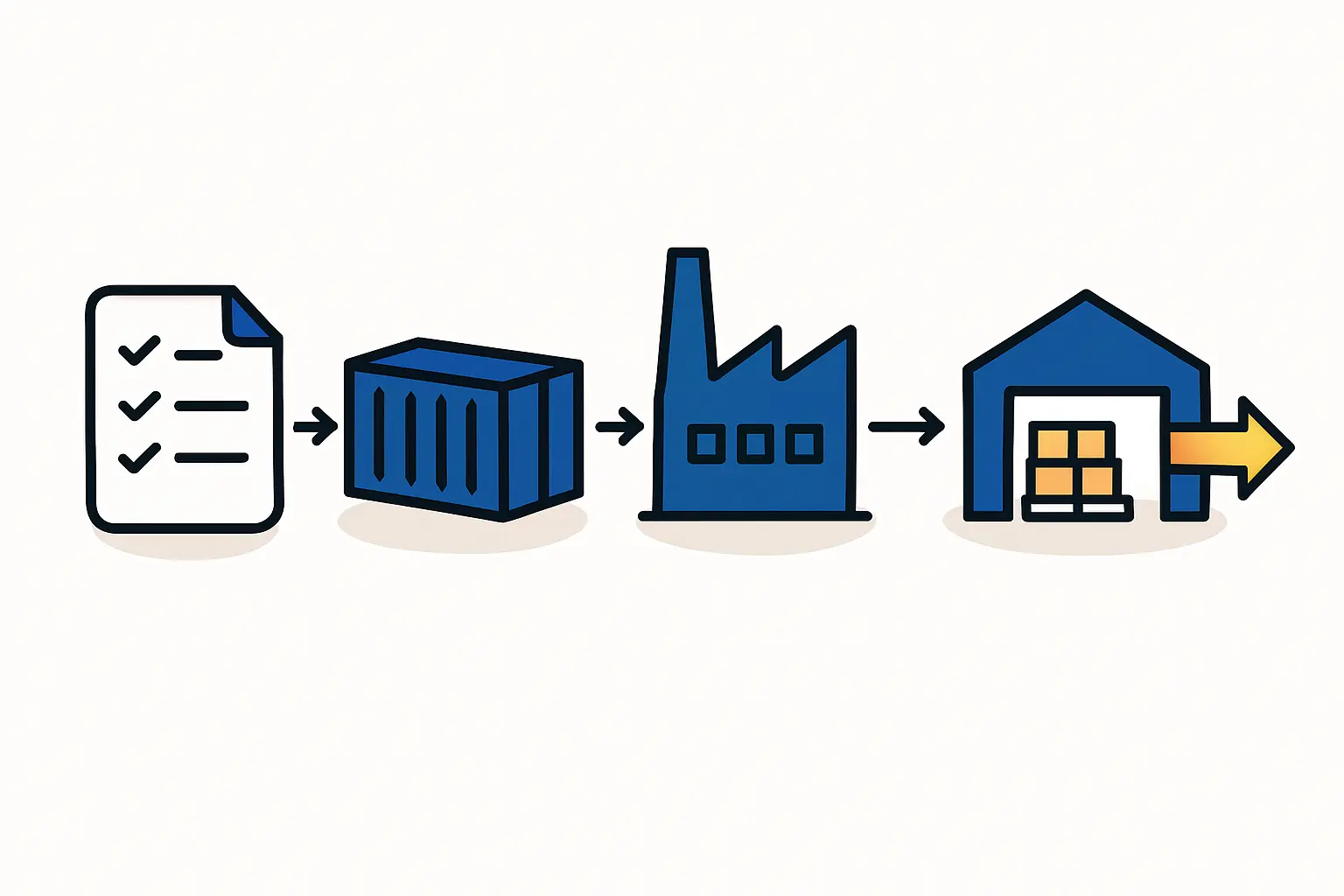
A solar module factory operates on a continuous flow of materials: raw components are imported for processing and assembly before finished modules are exported to customers. The efficiency of this cycle is directly tied to the capabilities of your chosen logistics hub.
Importing Raw Materials: From EVA to Glass
Your factory’s production line depends on a steady supply of components from the Bill of Materials (BOM). This includes solar cells, EVA encapsulant, backsheets, glass, aluminum frames, and junction boxes, the majority of which are sourced from Asia.
Using Piraeus as the port of entry means these crucial components arrive in Europe faster than if they were shipped to northern ports like Rotterdam or Hamburg. Once unloaded, moving them from the port to your factory requires a streamlined process—one heavily influenced by customs procedures and the availability of warehousing.
Exporting Finished Modules: Reaching Global Markets
Once your solar modules are manufactured, tested, and packaged, they must be shipped to your clients. Piraeus serves as an equally effective export gateway. Its extensive network of shipping routes provides direct access to key and emerging solar markets across the Mediterranean basin, the Middle East, and the African continent. This proximity reduces transit times and shipping costs to your end customers, making your products more competitive.
This dual role as an import and export hub allows for consolidated logistical operations, simplifying management and potentially reducing overheads.
Unlocking Efficiency: Key Logistical Advantages of Piraeus
Beyond its prime location, Piraeus offers specific infrastructure and logistical advantages that can yield significant financial and operational benefits for a new manufacturing enterprise.
Navigating Customs: The Role of Free Zones
One of the most powerful features of Piraeus is its access to Free Zone customs procedures. For an importer, this is a major advantage for cash flow management.
Under a Free Zone regime, non-Union goods (such as solar cells from China or Taiwan) can be unloaded and stored in designated warehouses without being subject to import duties or Value Added Tax (VAT). These taxes are only payable when the goods are officially released into the EU market for consumption—in this case, when they are moved from the warehouse to your factory for production.
This allows a business to store a strategic stock of raw materials near the factory without tying up significant capital in taxes. Goods can also be re-exported directly from the Free Zone to non-EU countries without ever incurring EU duties, a valuable option for serving markets outside the Union.
Warehousing and Storage Solutions
The area surrounding the port is a well-developed logistics park with modern warehousing facilities. A business can lease dedicated or shared warehouse space to store its imported raw materials and finished goods.
By establishing a storage facility near the port, a factory can maintain a buffer stock of critical components, insulating its production schedule from potential shipping delays. This proximity enables a just-in-time approach, ensuring materials can be delivered to the factory floor precisely when needed. The result is optimized inventory management and less need for extensive storage at the factory itself.
Intermodal Connectivity: Beyond the Ship
A port’s value is measured by how efficiently goods can move inland. Piraeus excels with its intermodal connectivity, featuring direct rail links to Central and Eastern Europe that offer a rapid alternative to further sea freight.
For instance, transporting finished solar modules by rail from Piraeus to markets in Austria, Hungary, or Southern Germany can be significantly faster than shipping them from Piraeus to a northern European port and then moving them by truck or rail. This enhanced connectivity, combined with access to major European road networks, ensures your products can reach their final destination promptly and predictably.
Practical Considerations for Factory Planning
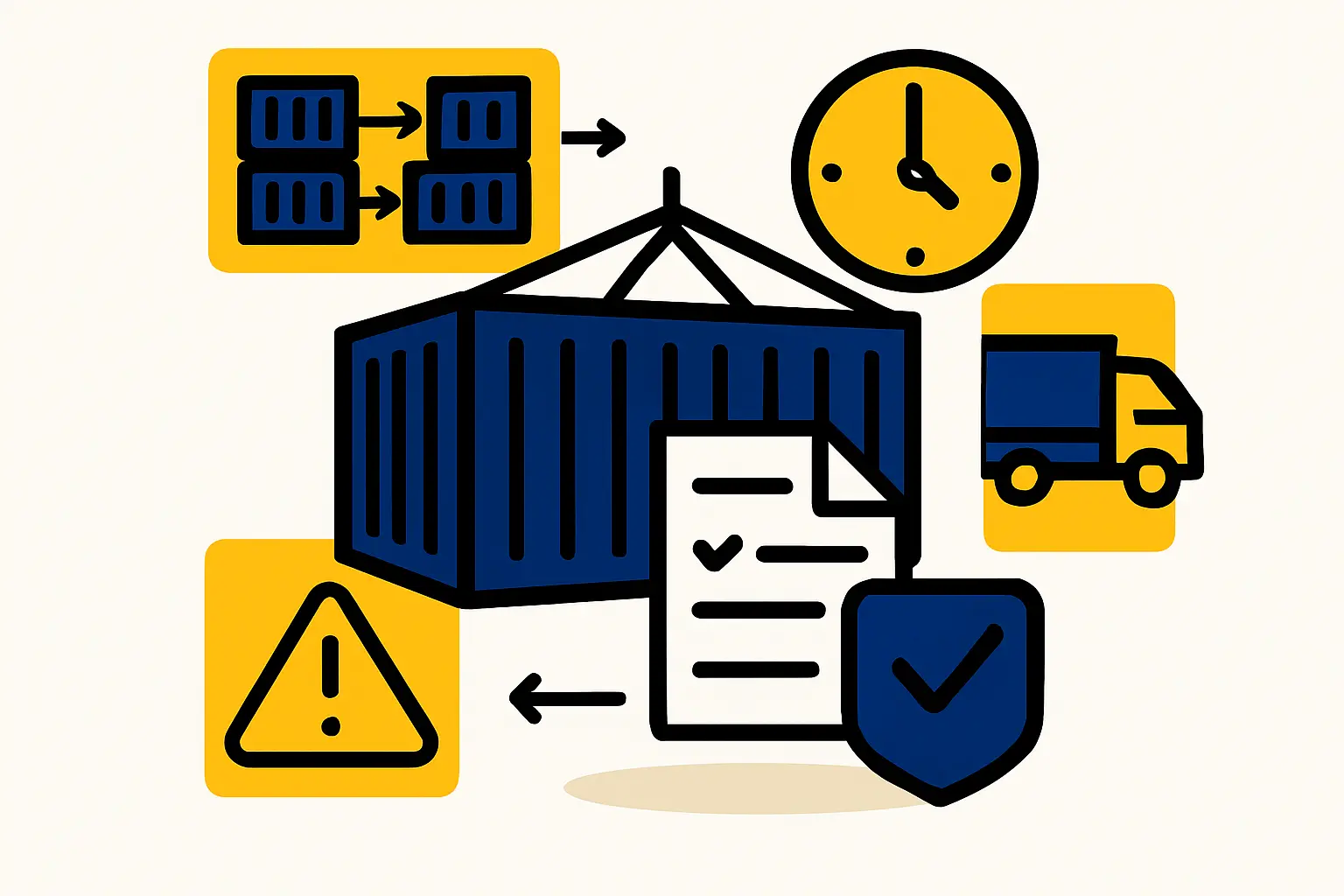
Integrating a logistical hub like Piraeus into your business strategy requires foresight. The associated costs, timelines, and operational procedures must be factored into the overall investment requirements for a 20–50 MW setup.
While the port is highly efficient, navigating Greek customs and bureaucracy can still present challenges. Engaging a reliable and experienced customs broker and logistics partner is not an option but a necessity. Their expertise will prove invaluable in ensuring compliance and avoiding costly delays.
Furthermore, the choice of factory location should be influenced by its proximity to the port to minimize inland transportation costs and lead times. This logistical consideration is as important as factors like land cost or the availability of skilled labor and should be assessed early when considering options for selecting the right machines and planning factory throughput. Based on experience from J.v.G. turnkey projects, underestimating the impact of logistics on daily operations is a common and avoidable mistake.
Frequently Asked Questions (FAQ)
What is a TEU?
TEU stands for ‘Twenty-foot Equivalent Unit.’ It is a standard unit of measurement for cargo capacity used for container ships and at container terminals. One TEU represents the volume of a standard 20-foot-long shipping container.
What is a Free Zone and why is it important for my business?
A Free Zone is a designated area within a country where goods can be landed, stored, handled, manufactured, or re-exported under specific customs regulations. For a solar manufacturer, it means you can store imported raw materials without paying immediate import duties or VAT, significantly improving cash flow. Taxes are only paid when the goods are moved to your factory for production.
Do I need a Greek entity to use the Port of Piraeus?
To act as the importer of record and conduct business operations like leasing a warehouse and employing staff in Greece, you will generally need to establish a legal entity in the country. A local legal and financial advisor can provide guidance on the most suitable corporate structure.
How does Piraeus compare to other Mediterranean ports?
While other ports like Valencia (Spain) or Genoa (Italy) are also major hubs, Piraeus’s key differentiators are its strategic geographical position as the first European stop after the Suez Canal, its advanced intermodal links to Eastern and Central Europe, and the massive scale of its recent modernization.
Conclusion and Next Steps
For an entrepreneur entering the solar manufacturing sector, viewing a port as a strategic asset rather than a simple transit point is a critical shift in perspective. The Port of Piraeus offers a powerful combination of geographic advantage, modern infrastructure, and favorable customs procedures that can directly contribute to a factory’s operational efficiency and financial health.
By leveraging its capabilities for both importing raw materials and exporting finished modules, a new solar enterprise can build a resilient and competitive supply chain optimized for serving key European and regional markets.
Understanding the logistical framework is a cornerstone of the planning process. The next step is to analyze how this framework integrates with the factory’s internal operations, from material flow on the production line to final product certification.