Entrepreneurs exploring new manufacturing ventures in Grenada are often drawn to its vibrant tourism, rich agriculture, and strategic Caribbean location. But while these factors are compelling, an energy-intensive operation like a solar panel factory faces a more critical question: How reliable is the island’s industrial infrastructure, particularly its power supply?
Success in manufacturing hinges on operational continuity. An unexpected power outage can halt production, damage sensitive equipment, and compromise product quality, all leading to significant financial losses. This article assesses Grenada’s electrical grid and offers a strategic framework for site selection, helping ensure any potential investment is built on a solid and reliable foundation.
Understanding Grenada’s Electrical Grid: A Manufacturer’s Perspective
A thorough due diligence process requires a clear view of the local utility landscape. In Grenada, the electricity sector is shaped by a single provider and a reliance on imported fossil fuels, a situation presenting both challenges and opportunities for new industrial players.
The Central Utility: GRENLEC
Grenada Electricity Services Ltd. (GRENLEC) is the state-owned sole provider of electricity across the island, making it the only source of grid power for any industrial operation. The utility operates a system with a generation capacity of approximately 39 MW, powered almost entirely by diesel-fired generators.
The Core Challenge: Grid Instability
The primary concern for any manufacturing investor in Grenada is the stability of its power supply. The grid is known for frequent outages, often referred to as “load shedding,” which are typically due to a combination of factors:
- Aging Infrastructure: Much of the transmission and distribution network requires modernization to handle current and future demand reliably.
- Maintenance Demands: The diesel generators that form the backbone of the grid require consistent and complex maintenance.
- Fuel Supply Logistics: As an island nation, Grenada is dependent on imported diesel, making the power supply vulnerable to global fuel price volatility and shipping disruptions.
For a factory where production lines must run on precise schedules, such instability is not merely an inconvenience; it is a significant operational risk.
The Impact on Operational Costs
This reliance on imported diesel also means electricity costs in Grenada are among the highest in the Caribbean, directly and substantially impacting a factory’s operational expenditure (OPEX). Such high energy bills can erode profit margins and undermine the competitiveness of the final product.
Mitigating Power Instability: Solutions for Operational Continuity
While the state of the grid may seem daunting, it is a manageable challenge common in many emerging markets. The solution is not to avoid the market but to engineer an independent and resilient power system that insulates the factory from grid volatility. This approach transforms a potential liability into a controlled operational variable.
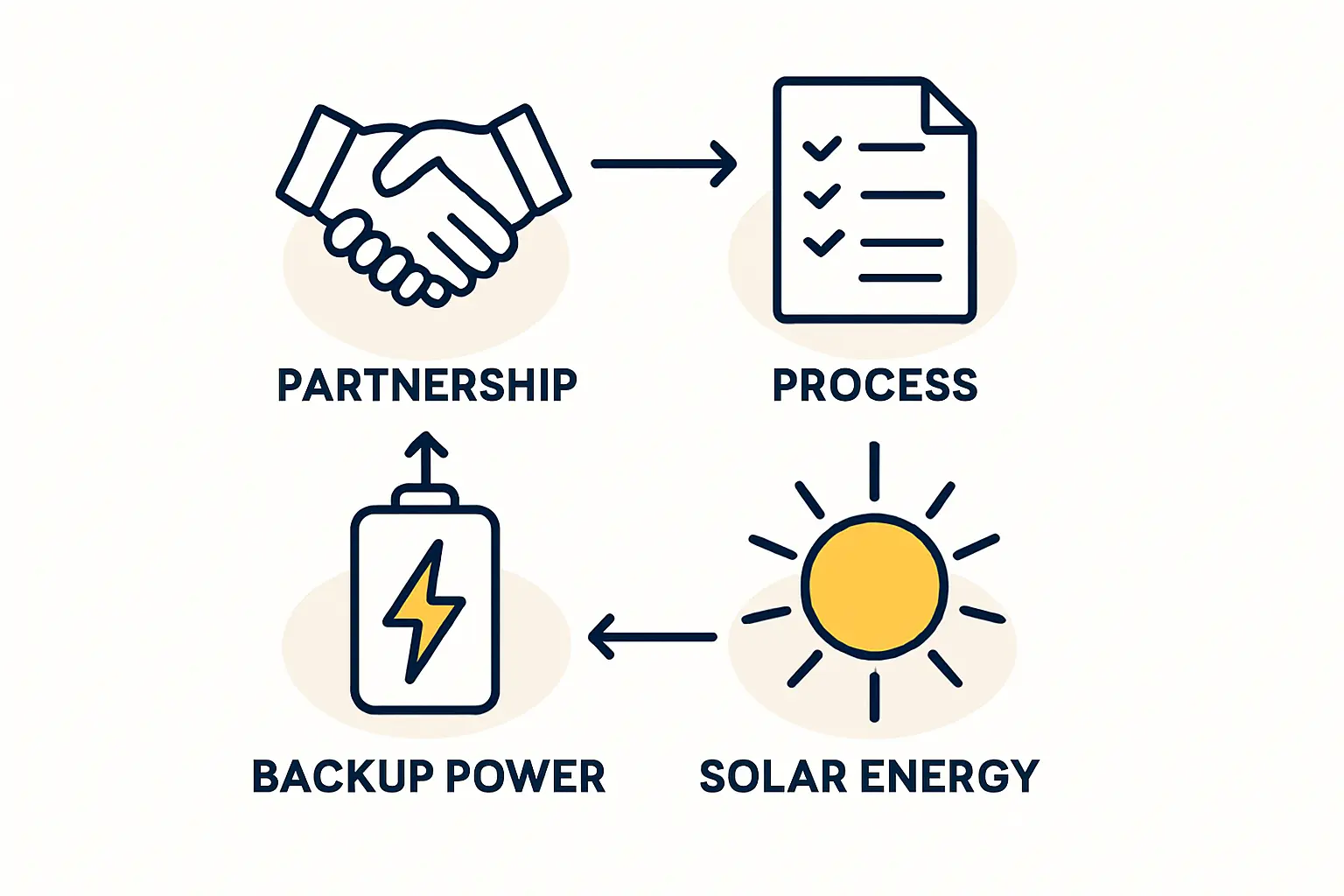
A hybrid power system is the most effective strategy, integrating multiple power sources to ensure an uninterrupted, high-quality electricity supply.
Key Components of a Resilient Power System
-
Grid Connection: The public grid remains the primary source of power, utilized when it is stable and cost-effective.
-
On-Site Solar Generation: A solar panel factory is uniquely positioned to leverage its own product. Installing a large-scale solar PV array on the factory roof or adjacent land can generate a significant portion of the facility’s daytime energy needs, reducing reliance on expensive grid power and lowering overall energy costs.
-
Battery Energy Storage System (BESS): This is the core of the resilience strategy. A BESS stores excess energy from the solar array and can be charged from the grid during off-peak hours. During a power outage, the BESS can seamlessly switch over, providing instantaneous backup power to keep critical production lines running. This protects sensitive solar panel manufacturing machines from abrupt shutdowns.
-
Backup Diesel Generators: For prolonged grid outages that might exceed the capacity of the BESS, a backup diesel generator provides a final layer of security, ensuring the facility can operate indefinitely, regardless of external conditions.
Experience from J.v.G. turnkey projects in regions with similar infrastructure confirms that this hybrid model has become the industry standard for ensuring operational uptime.
Strategic Site Selection: Beyond the Power Grid
Choosing the right location involves more than just securing a plot of land; it requires a holistic assessment of logistical and infrastructural factors that influence the entire operation’s efficiency and profitability.
Proximity to Key Infrastructure
The ideal site should offer a balance of accessibility and utility connections.
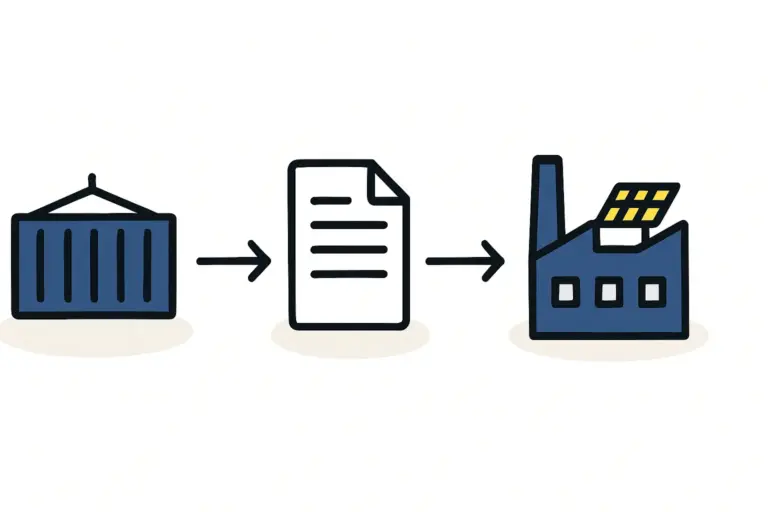
- Ports: Proximity to a major port like St. George’s is critical for importing raw materials (glass, cells, aluminum frames) and exporting finished solar modules. High transport costs can diminish a project’s financial viability.
- Main Grid Lines: While a hybrid power system reduces dependency, a connection to a more stable part of the grid, often the main transmission lines, is still preferable.
- Road Networks: The site must be accessible to large trucks for the delivery of materials and shipment of products.
Designated Industrial Zones
Grenada offers designated areas for industrial development, such as the Frequente Industrial Park. These zones often provide superior infrastructure and a more streamlined process for permits and approvals, making them a logical starting point for evaluation. The specific factory building requirements for a solar facility, including floor loading and ceiling height, must be compatible with the available properties or land.
The Broader Context: Regulatory and Future Outlook
Grenada’s government has set an ambitious goal of achieving 100% renewable energy by 2030. While progress has been gradual, this national objective signals a supportive long-term environment for renewable energy ventures. A local solar module manufacturer could become a key player in helping the nation achieve this target.
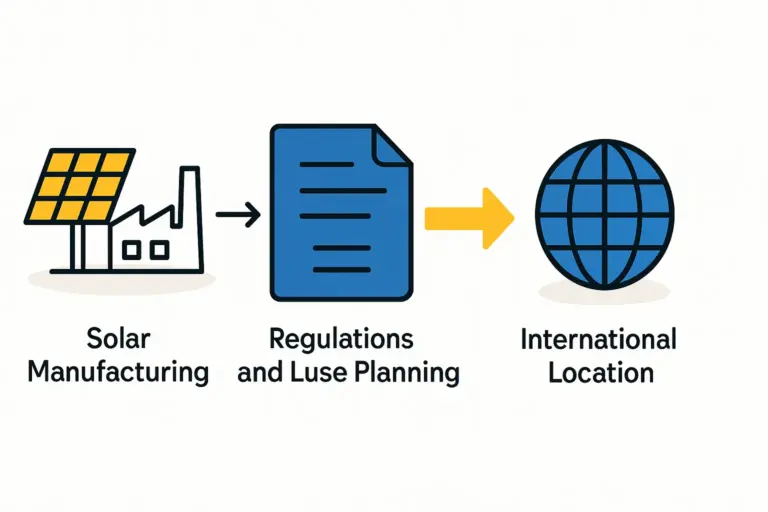
The Public Utilities Regulatory Commission (PURC) oversees the energy sector, and investors must stay informed about the regulatory landscape. Any comprehensive plan for a turnkey solar module manufacturing line should include a detailed analysis of local regulations and energy policies as part of the initial feasibility study.
Frequently Asked Questions About Infrastructure in Grenada
Is Grenada’s grid instability a deal-breaker for starting a factory?
No. It is a known, manageable risk. With a properly designed hybrid power system incorporating solar, battery storage, and backup generators, a manufacturing facility can achieve complete operational independence from grid disruptions.
How much does a hybrid power system add to the initial investment?
While it requires an upfront capital investment, a hybrid system provides a strong return. It reduces long-term operational costs by lowering electricity bills and, more importantly, it prevents costly production downtime. The exact cost depends on the factory’s size and energy consumption.
Are there government incentives for setting up manufacturing in Grenada?
Engaging with local bodies like the Grenada Investment Development Corporation (GIDC) is the best approach. They can provide information on potential incentives, tax concessions, or support programs available for new industrial projects, particularly those aligned with the country’s renewable energy goals.
Besides power, what is the most critical infrastructure concern?
Port logistics and supply chain efficiency are equally critical. The ability to reliably and cost-effectively import raw materials and export finished modules is fundamental to the business model’s success.
A Foundation for Success
Grenada offers a promising environment for establishing a solar manufacturing presence in the Caribbean. However, a successful venture requires a clear understanding of its infrastructural challenges, particularly the reliability of the electrical grid.
By proactively addressing power instability with a robust, independent hybrid energy system and conducting thorough due diligence on site selection and logistics, an investor can build a resilient and profitable operation. These preparatory steps are not obstacles but the essential foundation for building a successful, long-term manufacturing business.