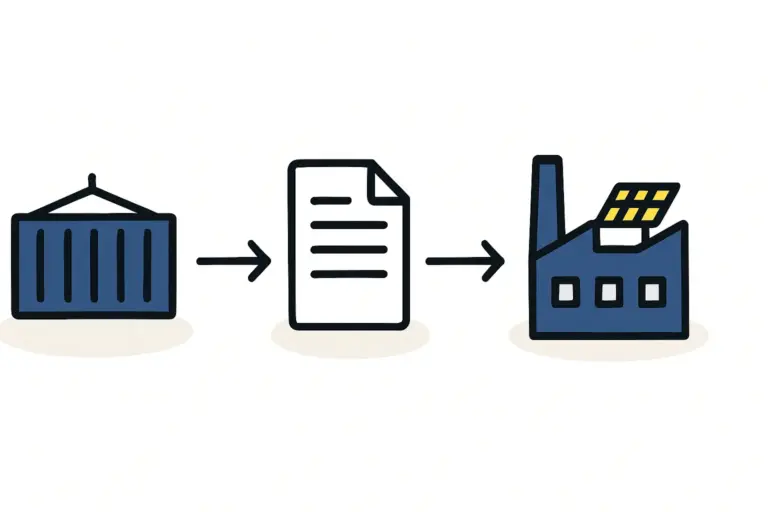
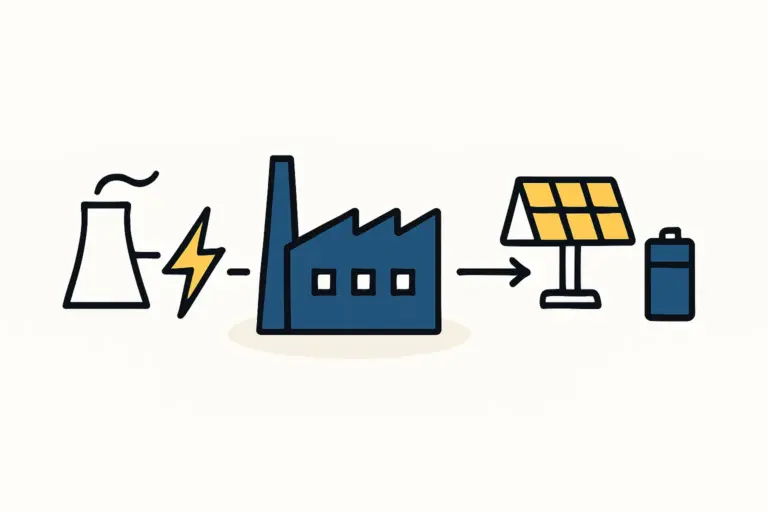
An entrepreneur has a comprehensive business plan, secured initial funding, and identified a strong market for solar modules. The final piece of the puzzle—finding land for the factory—might seem simple. In any new jurisdiction, however, selecting a manufacturing site is far more than a real estate transaction.
It is a strategic decision that intersects with national law, environmental standards, and long-term operational efficiency. For Grenada, a nation actively encouraging foreign investment, understanding this process is the first step toward building a successful and sustainable enterprise. This guide offers a foundational overview of the legal and practical steps for acquiring or leasing industrial land in Grenada. It outlines zoning laws, environmental considerations, and the strategic advantages of locating within designated economic zones, helping investors navigate the process with confidence.
Understanding Grenada’s Regulatory Framework for Industrial Development
Before evaluating specific parcels of land, investors must understand the governing bodies and legislation that shape industrial development. Grenada has established a clear, modern framework to manage land use, ensuring that development is structured, sustainable, and aligned with national goals.
The Physical Planning and Development Control Act: Your Starting Point
All land development in Grenada is governed by the Physical Planning and Development Control Act of 2016. This legislation empowers the Physical Planning Unit (PPU) to oversee and approve all development applications. For any investor planning to build a solar module factory, engaging with the PPU is a critical first step. The unit is responsible for ensuring that any proposed project complies with the national Physical Development Plan and adheres to land use classifications, or zoning.
Alien Land Holding License: A Key Requirement for Foreign Investors
Non-citizens of Grenada require an Alien Land Holding License to acquire land or property. This is a standard procedure in many countries, designed to regulate foreign ownership of domestic real estate. The application process involves due diligence and background checks on the investor or investing entity.
As this license is a prerequisite for finalizing any land purchase, its timeline must be factored into the overall project schedule. Leasing land may have different requirements, and legal counsel is always recommended to clarify the obligations for any long-term lease intended for industrial use.
The Critical Role of Zoning in Site Selection
Zoning is the system governments use to designate permissible uses for land. A parcel of land might be zoned for agricultural, residential, commercial, or industrial purposes. Attempting to build a factory on land zoned for agriculture, for example, would lead to significant delays and the likely rejection of the development application.
A solar module manufacturing facility must be located on land zoned for industrial use. This ensures its activities are compatible with the surrounding area and that the site can handle the logistical and infrastructural demands of a factory.
Common challenges that arise from overlooking zoning regulations include:
- Application Rejection: The PPU will deny applications for development that do not conform to the designated land use.
- Wasted Capital: Significant funds can be spent on architectural plans, surveys, and legal fees before discovering a site is unviable due to zoning restrictions.
- Project Delays: Attempting to re-zone a parcel of land is a complex, lengthy, and uncertain process that can delay a project by months or even years.
A thorough due diligence process for site selection is crucial to avoid these preventable setbacks, and verifying the zoning status of a potential site should be one of the very first steps.
Strategic Advantages of Designated Industrial Zones
To facilitate investment and streamline the setup process for new businesses, the Government of Grenada, through the Grenada Investment Development Corporation (GIDC), has established designated industrial parks and zones. Locating a factory within one of these areas offers substantial advantages over acquiring an isolated, undeveloped plot of land.

Benefits of Locating in a Pre-approved Zone
- Streamlined Permitting: Land within these zones is already designated for industrial use, which can simplify and accelerate the approval process with the Physical Planning Unit.
- Established Infrastructure: These parks typically provide reliable access to essential utilities such as three-phase electricity, water, telecommunications, and paved access roads capable of handling heavy vehicles. This removes a significant logistical and financial burden from the investor.
- Logistical Efficiency: Industrial zones are often strategically located near major ports, like the one in St. George’s, or main transportation arteries, simplifying the import of raw materials and the export of finished solar modules.
- Potential for Fiscal Incentives: Businesses operating within specific economic zones may be eligible for a range of fiscal incentives, such as tax concessions on profits, customs duties, and withholding taxes. The GIDC is the primary body that administers these investment incentive programs.
Based on experience from J.v.G. turnkey projects, establishing a factory within a designated industrial zone can reduce the pre-operational timeline by several months and significantly de-risk the initial setup phase.
Navigating the Environmental Impact Assessment (EIA)
An Environmental Impact Assessment (EIA) is a standard procedure for large-scale industrial projects. Its purpose is to identify, predict, and evaluate the potential environmental effects of a proposed development before major decisions are made. A solar module assembly plant, while relatively clean compared to heavy industries, may still require an EIA depending on its scale and location.
The process generally involves:
- Screening: Determining if an EIA is necessary for the project.
- Scoping: Identifying the key environmental issues to be studied.
- Assessment: Conducting technical studies on potential impacts (e.g., water usage, waste disposal, traffic).
- Mitigation: Proposing measures to avoid or reduce negative impacts.
- Review: The relevant authorities, including the PPU and environmental agencies, review the EIA report.
Investors should view the EIA not as an obstacle, but as a crucial part of responsible project planning that ensures long-term sustainability and community acceptance.
A Practical Checklist for Site Evaluation
When evaluating potential manufacturing sites in Grenada, a structured approach is essential. This checklist covers the primary areas of inquiry for any prospective investor.

- Verify Zoning Classification: Obtain official confirmation from the Physical Planning Unit that the site is zoned for industrial use.
- Assess Infrastructure Access: Confirm the availability and capacity of electricity, water, internet connectivity, and road access.
- Confirm Land Title and Ownership: Conduct a thorough title search with a local attorney to ensure the land is free of liens or ownership disputes.
- Inquire about Incentives: Engage with the Grenada Investment Development Corporation (GIDC) to understand if the location qualifies for any investment incentives.
- Initiate Environmental Screening: Determine if an EIA will be required for your proposed factory size and operations.
- Clarify Alien Land Holding License Process: Understand the timeline, documentation, and fees associated with the license application.
Addressing these points early in the process will provide a clear picture of a site’s viability and the total investment required for a solar factory.
Frequently Asked Questions (FAQ)
What is the typical timeline for securing land and permits in Grenada?
While timelines vary, factoring in 6 to 12 months for land acquisition, licensing, and development approvals is a reasonable estimate. Locating in a pre-approved industrial park can often shorten this timeframe.
Is it better to buy or lease industrial land in Grenada?
Both options are available. Buying provides long-term security and asset ownership. Leasing can reduce upfront capital expenditure and may be faster to arrange. The best choice depends on the investor’s financial strategy and long-term business plan.
Are local partnerships required for land acquisition by foreign investors?
No, a local partner is not a legal requirement for a foreign entity to acquire land in Grenada. However, engaging reputable local legal and real estate professionals is highly advisable to navigate the process smoothly.
What are the main industrial areas in Grenada?
The GIDC manages several industrial parks, with the Frequente Industrial Park being one of the most established. Investors should contact the GIDC directly for the most current information on available sites and new developments.
Conclusion: Laying the Right Foundation for Your Project
Choosing a manufacturing site in Grenada is a critical decision that influences project timelines, operational costs, and regulatory compliance. By understanding the roles of the Physical Planning Unit and the GIDC, respecting zoning laws, and recognizing the substantial benefits of designated industrial zones, an investor can navigate the process efficiently.
This structured approach turns a potentially complex challenge into a clear, manageable process. Proper due diligence and early engagement with the relevant authorities are not just best practices; they are essential for building a resilient and successful solar manufacturing business in the Caribbean.