Grenada Solar Factory Logistics: Port Infrastructure and Import Considerations
Several containers holding high-value, time-sensitive materials for your new solar module factory arrive at the port in St. George’s. The shipment, however, is held due to a simple administrative oversight in the customs declaration. Each day of delay pushes back your production schedule and incurs significant demurrage fees, eroding your project’s budget before the first solar panel is even assembled.
For any entrepreneur entering Grenada’s solar manufacturing sector, mastering supply chain logistics is as crucial as the production technology itself. While the island nation presents a compelling case for renewable energy investment, its success hinges on the efficient flow of goods through its maritime gateways.
This guide provides a foundational overview of the logistical framework for establishing a solar factory in Grenada. We will cover the essential aspects of port infrastructure, customs procedures, and strategic considerations for importing both factory equipment and raw materials.
Understanding Grenada’s Maritime Gateway: St. George’s Port
The primary hub for all industrial and commercial cargo entering Grenada is the Port of St. George’s. While the country has other smaller ports, such as those in Grenville and Hillsborough (Carriacou), St. George’s is equipped to handle the containerized and break-bulk shipments required to set up and operate a manufacturing facility.
Operated by the Grenada Ports Authority (GPA), St. George’s Port offers the necessary infrastructure for your venture:
-
Container Handling: The port can offload standard 20-foot and 40-foot containers. This will be the primary method for shipping sensitive equipment like laminators and cell stringers, as well as raw materials like solar glass and EVA encapsulant.
-
Break-Bulk Cargo: For oversized machinery that cannot be containerized, the port provides services for handling break-bulk shipments.
-
Storage Facilities: Both covered and open storage options are available, though minimizing time in port is always the most cost-effective strategy.
Understanding the port’s capabilities and operational rhythm is a critical first step in building a resilient supply chain.
The Importation Process: A Step-by-Step Framework
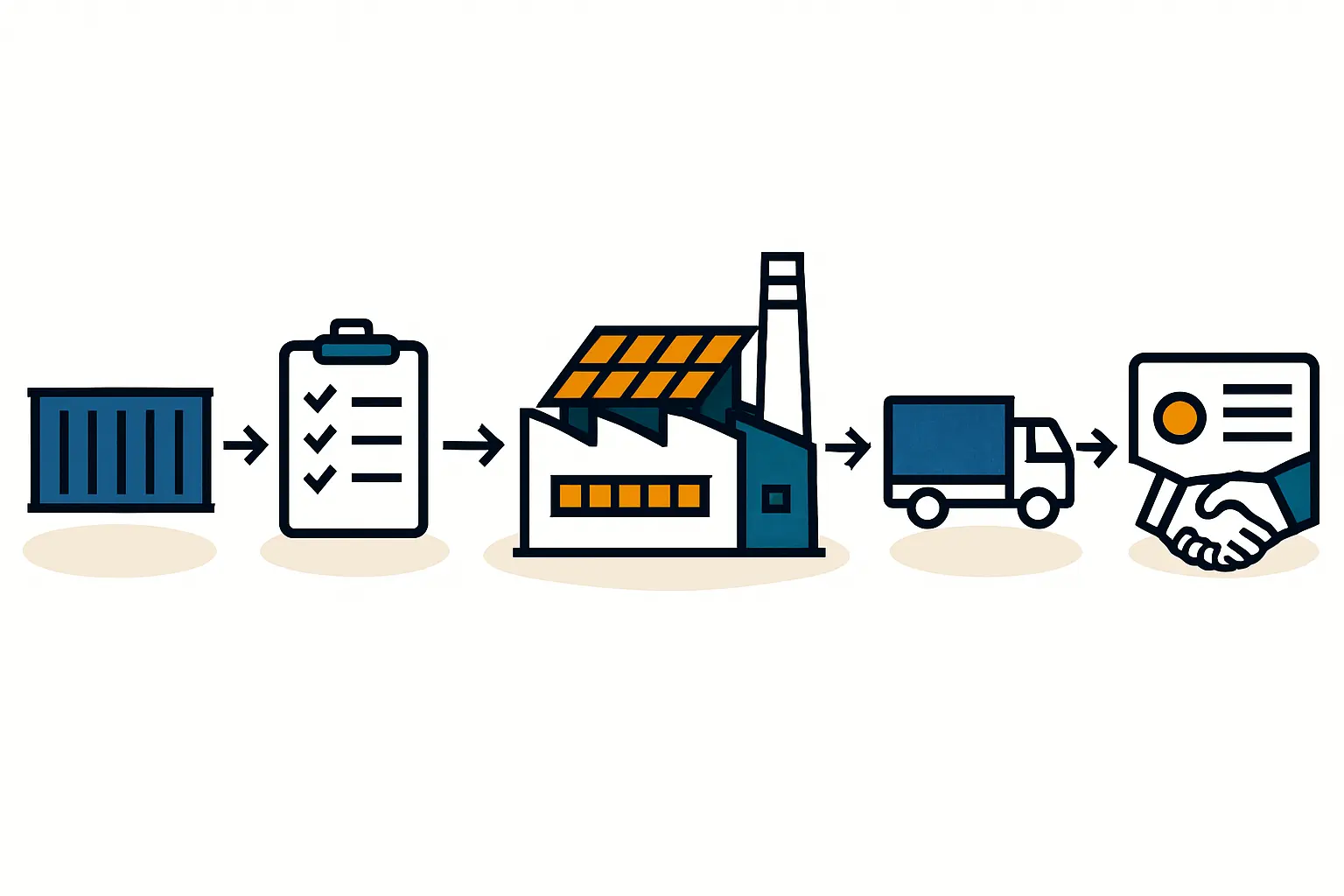
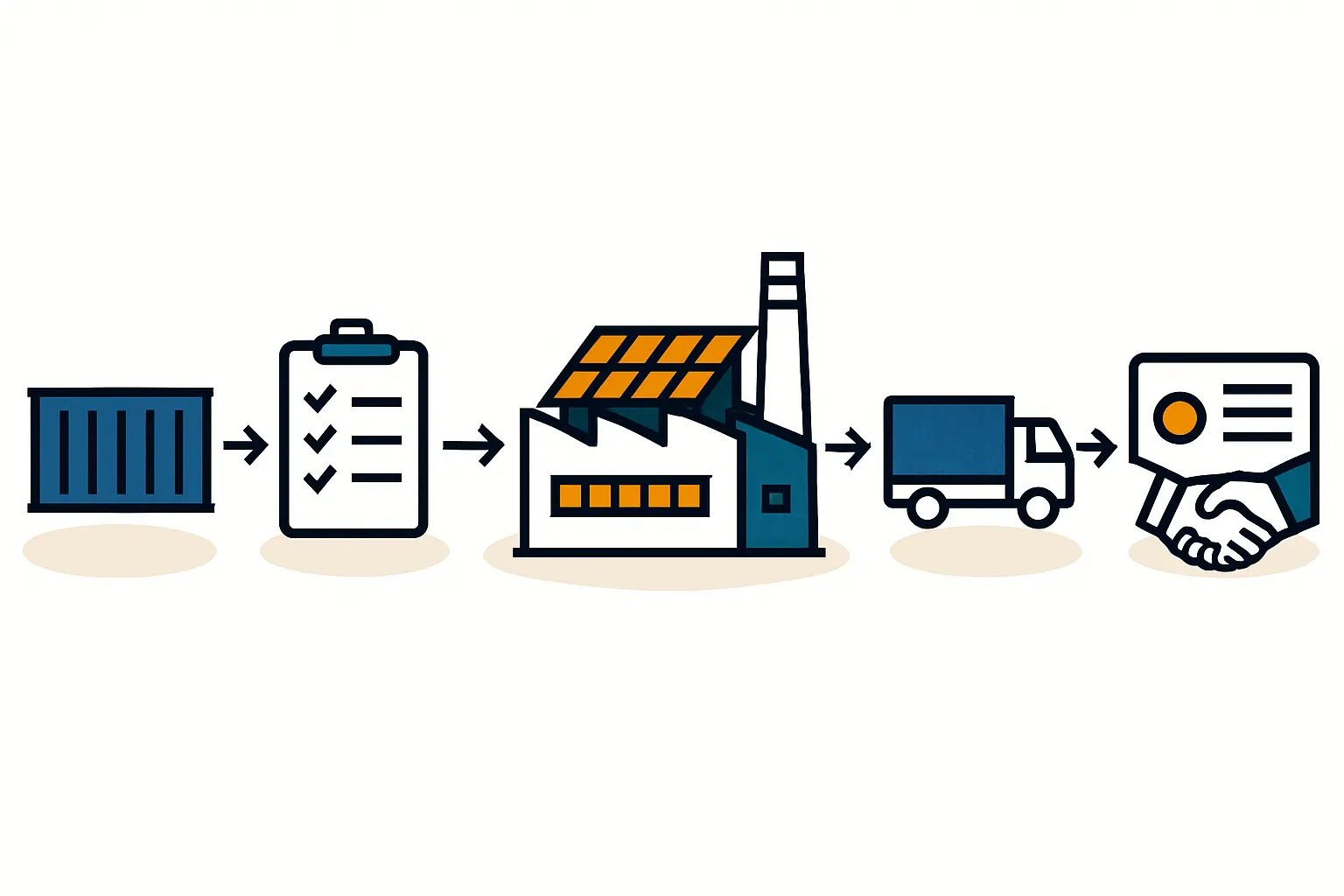
Importing goods into Grenada follows a structured process regulated by the Grenada Customs and Excise Division. For anyone new to the country’s import regulations, treating this process as a multi-stage project is essential for avoiding costly errors.
Step 1: Sourcing and International Shipping
Your factory’s equipment and materials will likely originate from manufacturing hubs in Asia or Europe. Typical sea freight transit times to Grenada can range from 30 to 45 days. This timeline must be factored into your project schedule, with an added buffer for potential weather-related or transshipment delays. A detailed plan for sourcing the right solar panel raw materials is a prerequisite for this stage.
Step 2: Documentation and Pre-Arrival Clearance
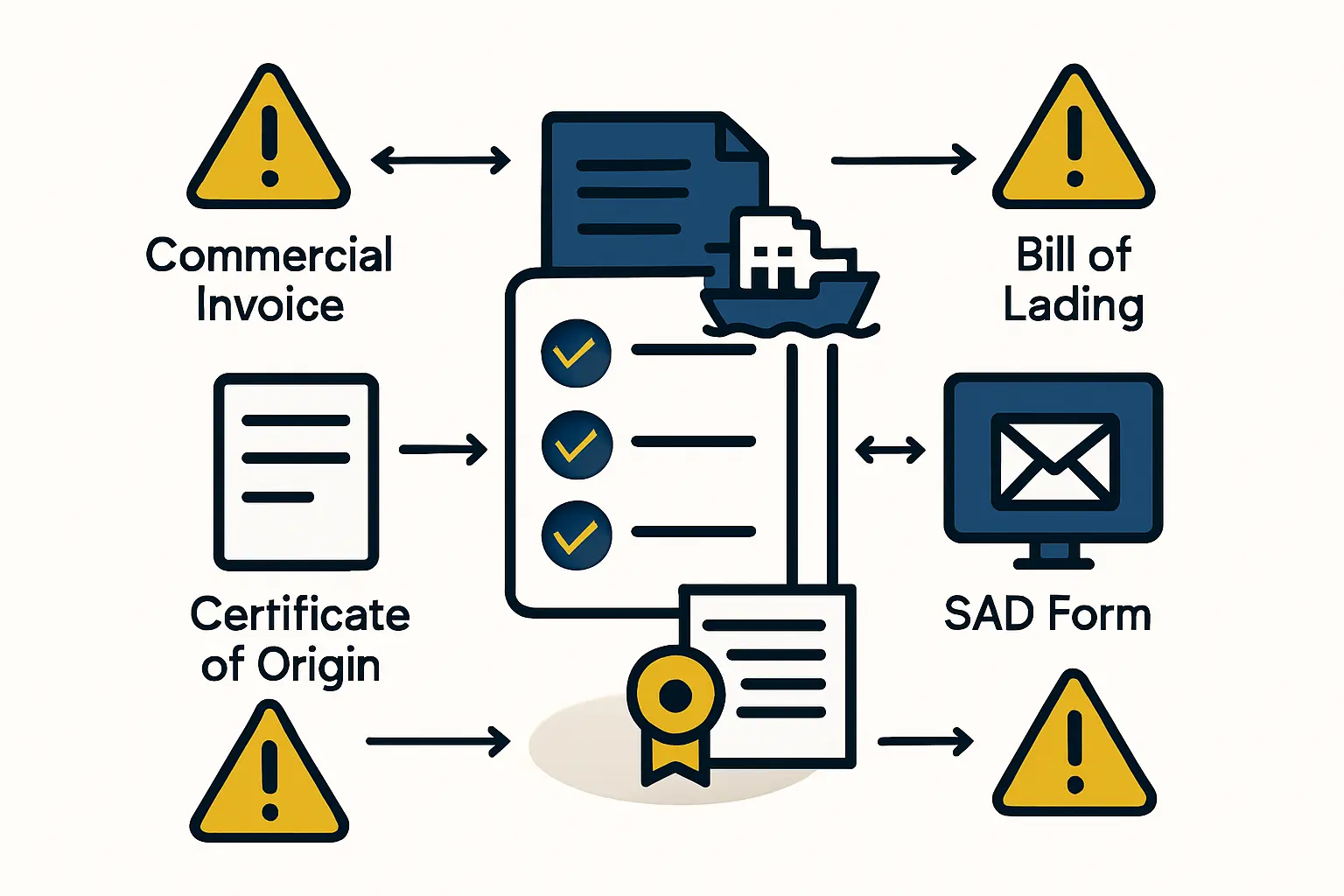
This is the most critical phase. Grenada Customs uses the ASYCUDA World system, an electronic platform for managing customs declarations. All commercial imports require the submission of an e-SAD (Single Administrative Document).
Key documents typically include:
- Commercial Invoice
- Bill of Lading
- Packing List
- Certificate of Origin
Crucially, these documents must be prepared and submitted by a licensed customs broker. Attempting to manage this process without professional local representation is a common and costly mistake for foreign investors.
Step 3: Arrival, Inspection, and Clearance
Once the vessel arrives, your customs broker coordinates with the GPA and Customs officials to have the containers offloaded and staged for inspection. Assuming all documentation is correct and duties and taxes are settled, the cargo will be released. Any discrepancy can lead to physical inspections, causing delays and additional costs.
Navigating Customs, Duties, and Investment Concessions
Understanding the cost of importation is vital for accurate financial planning. Goods imported into Grenada are generally subject to a combination of tariffs and taxes:
-
CARICOM Common External Tariff (CET): Duties can range from 0% to 40%, depending on the classification of the goods.
-
Value Added Tax (VAT): A standard rate of 15% is applied to the CIF (Cost, Insurance, and Freight) value plus any other duties.
-
Environmental Levy: A small, percentage-based levy is often applied.
This, however, is where strategic planning creates a significant competitive advantage. The Government of Grenada, through the Grenada Investment Development Corporation (GIDC), offers substantial concessions to approved investment projects. An enterprise involved in manufacturing may be granted exemptions from Customs Duties and VAT on imported plant machinery, equipment, and raw materials.
Securing ‘Approved Enterprise’ status through the GIDC is a critical early step. This benefit can drastically reduce the initial capital outlay and lower the overall investment requirements for a solar factory. For a machinery import valued at $500,000, these concessions could translate into savings of over $100,000.
Practical Challenges and Strategic Solutions
Drawing on experience from turnkey projects in emerging markets, you should anticipate several practical challenges.
-
Inland Transportation: Moving a 40-foot container from the port in St. George’s to a factory site in another parish requires careful planning. Grenada’s road network can be narrow and winding. A thorough route survey is necessary to ensure the chosen transport provider can safely navigate the journey.
-
Port Congestion: While generally efficient, the Port of St. George’s is not a large international transshipment hub. During peak seasons or following disruptions, such as the June-to-November hurricane season, delays can occur. Building a one- to two-week buffer into your project timeline for critical shipments is a wise precaution.
-
Broker Selection: The competence of your chosen customs broker cannot be overstated. A reliable broker acts as your advocate, ensuring compliance, troubleshooting issues proactively, and providing transparency on all associated costs. Due diligence in selecting this partner is essential.
Frequently Asked Questions (FAQ)
What is the average lead time for shipping machinery from China to Grenada?
Including production, inland transport to the port of origin, sea freight, and potential transshipment, a realistic timeline is 60 to 90 days from order to arrival in St. George’s.
Is it mandatory to use a local customs broker in Grenada?
Yes, a licensed customs broker is required for all commercial imports to prepare and submit declarations through the ASYCUDA World system.
Are all materials for solar panel manufacturing automatically duty-free?
No. Duty and tax exemptions are not automatic. They are granted as concessions to businesses that have applied for and received ‘Approved Enterprise’ status from the GIDC. This process should be initiated well in advance of your first shipment.
How does hurricane season impact logistics?
From June to November, there is an increased risk of port closures and shipping delays across the Caribbean. Insurers may also charge higher premiums during this period. Where possible, it is wise to schedule non-critical shipments outside of these months.
Next Steps in Your Planning Process
Navigating Grenada’s import logistics successfully comes down to diligent planning and expert partnership. The key is to address these factors long before your first container is loaded at the port of origin. Integrating logistics, customs, and inland transportation into your initial business model is fundamental to a successful launch.
For entrepreneurs developing a complete, bankable project plan, pvknowhow.com provides structured guidance on creating a comprehensive business plan that accounts for these critical operational details. A well-researched logistics strategy can transform a potential liability into a source of efficiency and competitive strength.