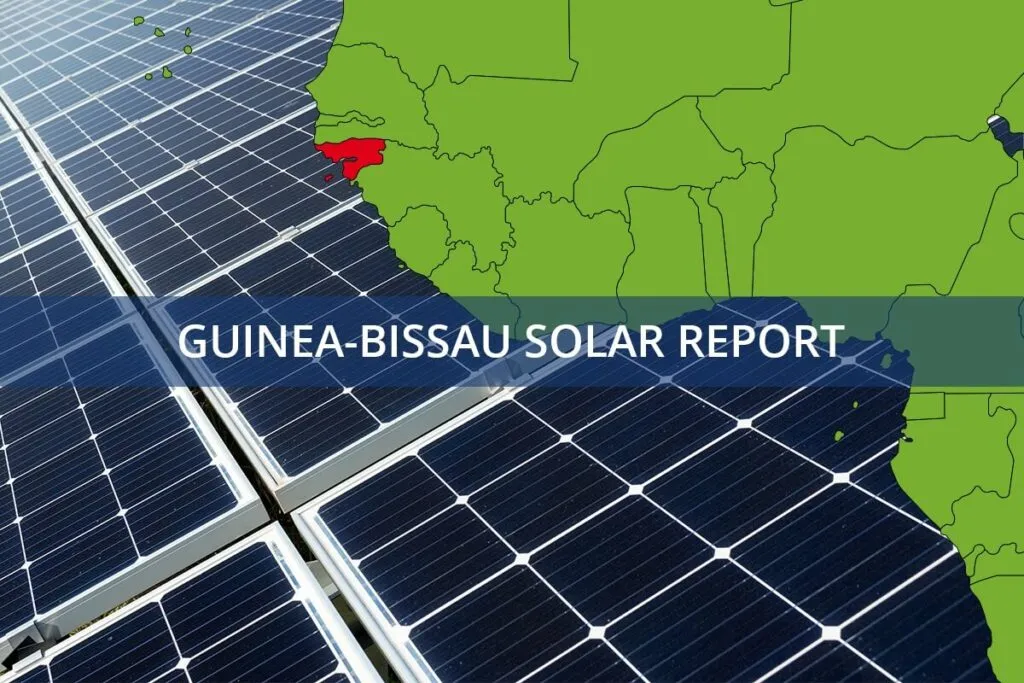
An entrepreneur considering a solar module factory in Guinea-Bissau often starts with an encouraging observation: the region has some of the highest solar irradiation levels in the world. While the business case for local manufacturing seems clear, the first major hurdle isn’t financial modeling or technology selection, but a more fundamental question: how to secure and develop the right piece of land within a foreign legal framework?
This initial step can seem daunting, filled with unfamiliar regulations and logistical uncertainties. For the prepared investor, however, navigating Guinea-Bissau’s land acquisition and development process is a structured, manageable process. This article outlines the legal framework, the practical challenges of site preparation, and key considerations for establishing an industrial facility in or around the capital, Bissau.
Understanding the Legal Landscape for Foreign Investors
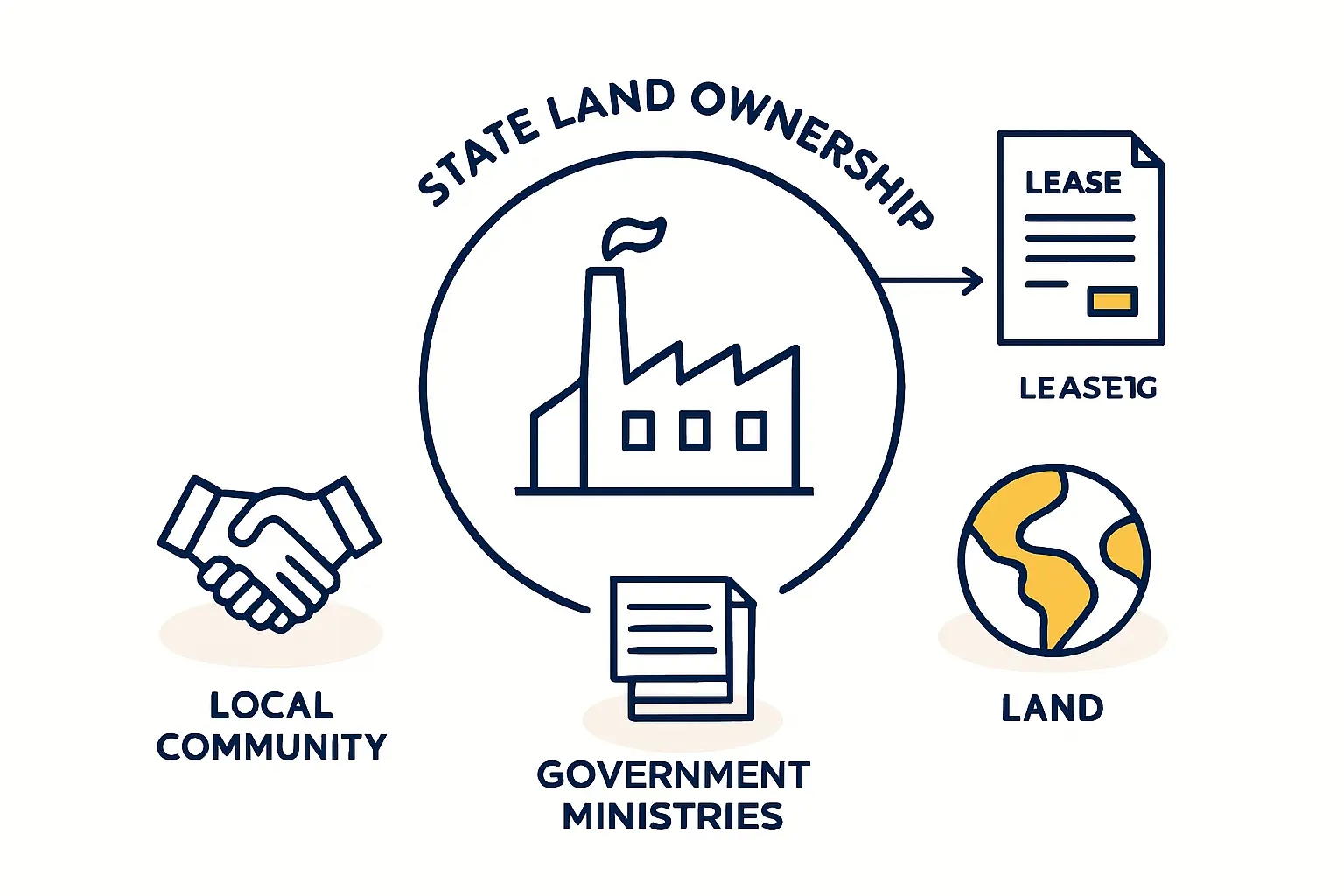
Guinea-Bissau’s property law is distinct from many other legal systems. According to the nation’s Constitution (Article 12), all land is state property. This means that outright private ownership, or freehold title, is not possible for foreign or domestic entities.
Instead, the government grants long-term usage rights through a mechanism called the Direito de Superfície, or “surface right.” This long-term lease or concession, granted for up to 99 years, provides the long-term security necessary for significant capital investments, such as building a factory.
For foreign investors, the process is centralized through the Investment Promotion Agency (API-GB). Established under the Investment Code (Law No. 4/2011), API-GB acts as a one-stop shop designed to streamline all necessary procedures, from business registration to securing land concessions.
A significant advantage for new investors is the government’s focus on creating designated industrial zones and Special Economic Zones (SEZs) near Bissau. Land within these zones is often pre-vetted, with clearer title status and planned infrastructure, significantly reducing the risks and administrative burdens of site acquisition.
Key Steps in the Land Acquisition Process
While every project is unique, the pathway to securing industrial land generally follows a clear sequence.
Step 1: Engage with API-GB
The first and most critical step is to formally present the investment project to API-GB. The agency guides investors through the required documentation and serves as the main liaison with other government ministries involved in land allocation and permitting.
Step 2: Identify a Site and Conduct Due Diligence
Investors can identify a suitable plot within a designated industrial park or a standalone private site, though choosing a location in an established zone is often more efficient. Essential due diligence should include:
- Verifying the exact boundaries through a licensed surveyor.
- Confirming the absence of any existing customary or competing claims on the land.
- Assessing physical access and proximity to transport infrastructure.
Step 3: Secure the Land Concession
Once a site is selected, the investor submits a formal application for the Direito de Superfície through API-GB. Following a review by the relevant ministries, an approved application leads to a formal concession agreement. This legal document details the rights, obligations, duration, and terms of use for the land.
Step 4: Obtain Environmental and Construction Permits
Alongside securing the land, the project must obtain environmental clearance. Industrial projects typically require an Environmental Impact Assessment (EIA), which is overseen by the Ministry of Environment and Biodiversity. Afterward, architectural and engineering plans must be submitted to the relevant municipal authority (e.g., Câmara Municipal de Bissau) to obtain construction permits.
Practical Challenges in Site Preparation and Development
Acquiring legal title to the land is only the beginning. The physical development of the site presents its own set of challenges that require careful planning.
Foundations and Civil Works
Preparing the ground to support an industrial structure begins with geotechnical surveys to assess soil composition and load-bearing capacity. These findings inform the necessary site grading, compaction, and foundation work. This groundwork must align with specific solar factory building requirements to ensure the structure can support heavy machinery and sensitive production processes.
Utility Connections: A Critical Milestone
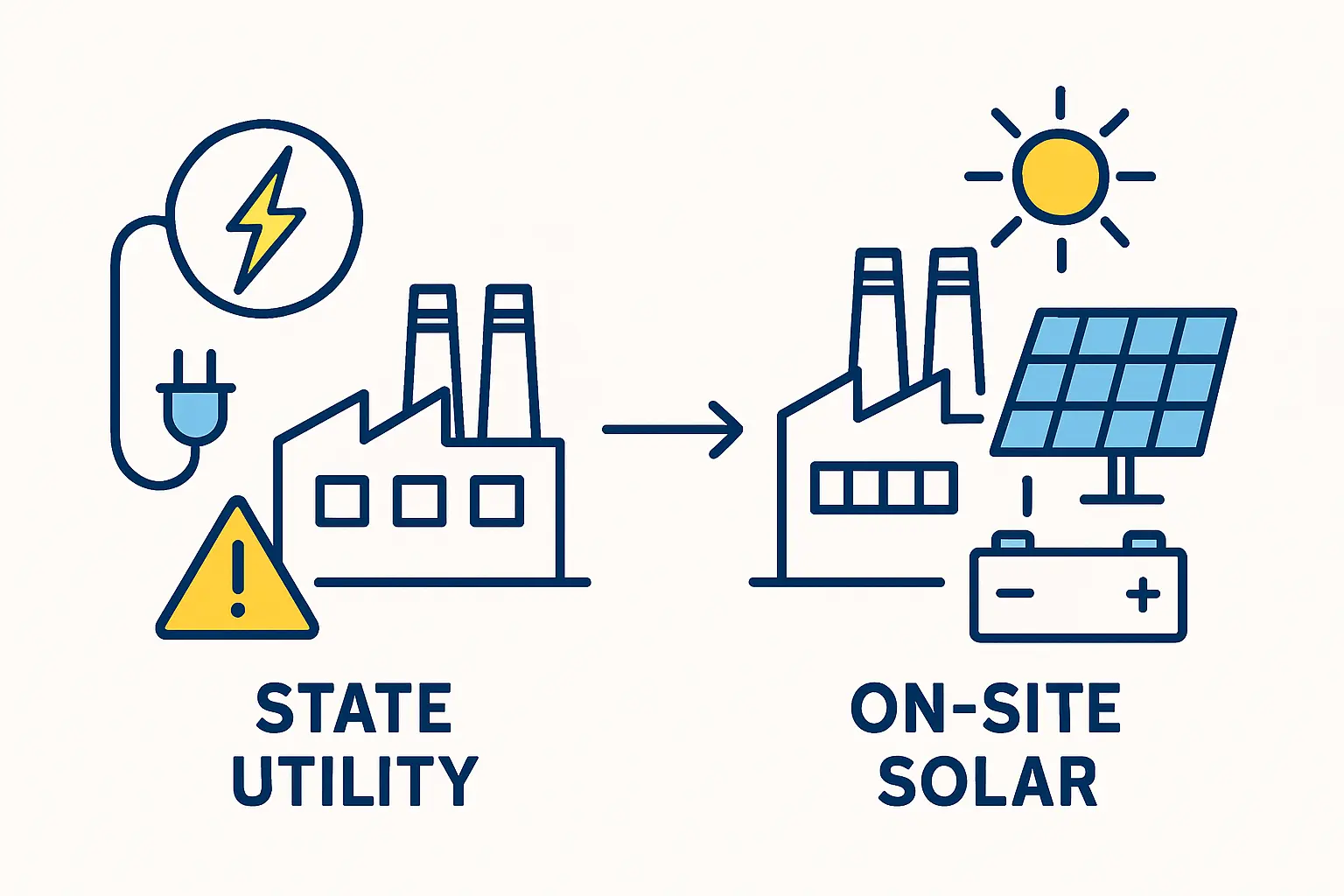
Reliable electricity and water are non-negotiable for any manufacturing facility. In Guinea-Bissau, the national utility, EAGB (Eletricidade e Águas da Guiné-Bissau), manages these services. Securing a high-capacity industrial connection can be a lengthy process and should be initiated early in the project timeline.
A common strategy to mitigate grid instability is to plan for energy independence. Many industrial operations invest in their own backup generators or—fittingly for a solar panel factory—a captive solar power plant to ensure uninterrupted operations.
Logistics and Access
The site must be accessible to heavy vehicles, as the quality of access roads directly impacts the cost and timeline for transporting construction materials and, later, the heavy machinery needed for a turnkey solar manufacturing line. A thorough logistical assessment is a crucial part of site selection.
Financial Considerations Beyond the Purchase Price
The initial investment for a solar factory must account for costs that extend far beyond the land concession fee. A comprehensive budget should include allocations for:
- Legal and administrative fees for processing applications.
- Surveying and land registration costs.
- Fees for environmental impact studies and construction permits.
- Substantial costs for site preparation, including earthworks and foundations.
- Utility connection charges, which can be significant for industrial-grade service.
Frequently Asked Questions (FAQ)
Can a foreign company own land outright in Guinea-Bissau?
No, the state owns all land. Instead, foreign entities can secure long-term surface rights (concessions) for up to 99 years. This provides the necessary security for investment and is standard international practice for such projects.
How long does the land acquisition process typically take?
Timelines vary depending on project complexity and location. By working closely with API-GB and selecting land within a designated industrial zone, the process from application to concession can often be completed in 6 to 12 months. Acquiring un-zoned land typically takes longer.
What is the most common mistake investors make when securing land?
A frequent oversight is underestimating the time and capital needed for site preparation and utility connections. Focusing exclusively on legal title acquisition, without a detailed plan for infrastructure development, can lead to significant project delays and budget overruns.
Is local legal counsel necessary?
Although API-GB provides essential guidance, engaging experienced local legal counsel is highly advisable. A local firm can help navigate the nuances of property and contract law, perform independent due diligence, and ensure all regulatory obligations are met.
Next Steps in Your Project Planning
Securing industrial land in Guinea-Bissau is a methodical, manageable process when approached with the right guidance. The country’s legal framework, centered on long-term concessions and supported by agencies like API-GB, provides a clear path for foreign investors.
With the land secured, the next phase of planning involves detailing the factory layout, selecting manufacturing equipment, and finalizing the financial model. Explore our other resources to help define building specifications and understand the equipment needs for your solar module production facility.