When planning a solar module factory, entrepreneurs often focus on sophisticated machinery and facility layout. But the recurring logistics of raw materials are too often treated as a secondary detail.
The consistent, predictable flow of solar cells, EVA, glass, and aluminum frames is the lifeblood of any manufacturing operation. An inefficient supply chain can lead to production halts, unforeseen costs, and a loss of momentum.
This guide outlines the practical logistics of using Puerto Cortés, Honduras’s primary Caribbean port, as the entry point for solar manufacturing components. This overview of the process, from customs to final delivery, is designed to offer a foundational understanding for investors and project planners considering operations in the region.
Why Puerto Cortés is a Strategic Hub for Solar Manufacturing
Located on the Caribbean coast, Puerto Cortés is not just the largest port in Honduras but also one of the most advanced in Central America. Several key factors make it a strategic hub for a new solar enterprise:
-
Geographic Advantage: It offers direct maritime access to major shipping lanes from Asia, Europe, and North America—a critical link, since many core solar components like cells and specialized glass are sourced internationally.
-
Modern Infrastructure: As the only deep-water port in the region, it can accommodate the large container vessels used in global trade. The port is also certified under international security programs like the Container Security Initiative (CSI), which facilitates smoother transit, particularly for goods ultimately destined for the US market.
-
Regional Connectivity: The port serves as a logistical gateway for the “CA-4” region (Honduras, Guatemala, El Salvador, Nicaragua), providing excellent inland road connections to key industrial cities like San Pedro Sula, a major manufacturing hub.

The Journey of Solar Raw Materials: From Supplier to Factory Floor
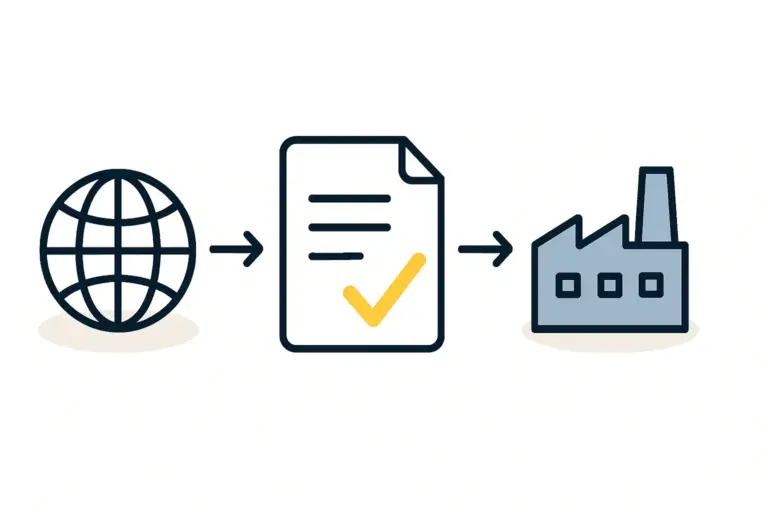
To illustrate the entire logistical chain, let’s follow a single container’s journey from end to end. The process breaks down into four main stages.
1. Sourcing and Sea Freight
The journey begins with an order from a supplier, typically in Asia, where raw materials are loaded into standard 20- or 40-foot containers. From a major Asian port like Shanghai or Singapore, the sea journey to Puerto Cortés typically takes 30 to 45 days.
Ready to make big Profits?
The solar Industry is Booming
WE HELP NEWCOMERS to the solar industry start their own solar module production line. Customers can make BIG PROFITS by selling modules and finding investors, without wasting money and time on things they don't need!
2. Arrival and Unloading at Puerto Cortés
Upon arrival, cranes offload the container from the vessel and move it to a customs-controlled yard, where the formal importation process begins. The shipping line issues an arrival notice, and a licensed customs broker manages all subsequent steps.
3. Customs Clearance
This is often the most critical and complex phase. It involves submitting the proper documentation to the Honduran customs authority (Administración Aduanera de Honduras) to legally import the goods. A misstep here can result in significant delays.
4. Inland Transportation
Once customs releases the container, it is loaded onto a truck for transport to the factory. The efficiency of this “last mile” depends on the quality of road infrastructure and the reliability of the chosen trucking company.
Navigating Customs in Honduras: A Procedural Overview
For any business new to Honduras, engaging a reputable, licensed customs broker (agente aduanero) isn’t just advisable—it’s a legal requirement. This professional acts as the official intermediary with the customs authority, managing all documentation and procedures.
The clearance process hinges on three core documents:
-
Bill of Lading (B/L): The official contract between the shipper and the carrier, which also serves as a title to the goods.
-
Commercial Invoice: Details the transaction between the seller and the buyer, including the value, quantity, and description of the goods. This is used to assess duties and taxes.
-
Packing List: An itemized list of the container’s contents, used by customs to verify the shipment.
The broker uses these documents to submit a formal customs declaration, known as the DUCA (Declaración Única Centroamericana). Once submitted, the system assigns the shipment to one of three inspection channels, often called the “traffic light” system:
-
Green Light: The shipment is cleared based on the documentation alone. This is the fastest route, often taking 1–2 days.
-
Yellow Light: The documentation is flagged for review by a customs officer. This may involve requests for clarification or additional paperwork.
-
Red Light: The container is designated for physical inspection. Customs officers will open the container to verify its contents against the packing list and invoice.
A well-prepared and accurate declaration significantly increases the chances of receiving a “green light.” This highlights why building a robust solar supply chain strategy from the outset is crucial for avoiding costly delays from document reviews or physical inspections.
Typical Timelines and Cost Considerations
Budgeting for both time and cost is essential for operational planning. While figures fluctuate with market conditions, here is a baseline for planning.
Estimated Timeline:
- Sea Freight (from Asia): 30–45 days
- Port Dwell & Customs Clearance: 3–10 business days (highly dependent on the inspection channel)
- Inland Transport (to San Pedro Sula): 1 day
A conservative estimate for the total transit time from a supplier in Asia to a factory in the San Pedro Sula area is 40 to 55 days.
Key Cost Components:
- Ocean Freight: The cost of shipping the container from the port of origin to Puerto Cortés.
- Terminal Handling Charges (THC): Fees charged by the port operator for unloading and handling the container.
- Customs Duties and Taxes: Calculated based on the CIF value (Cost, Insurance, and Freight) of the goods. Certain investment incentive programs in Honduras may offer exemptions or reductions.
- Customs Brokerage Fees: The professional fee for managing the clearance process.
- Inland Trucking: The cost of transporting the container from the port to the final destination.
Common Challenges and How to Mitigate Them
Even with a well-structured plan, new importers can face challenges. Understanding them is the first step toward mitigation.
-
Documentation Errors: Minor discrepancies between the commercial invoice, packing list, and B/L are a primary cause of delays. Mitigate this by implementing a strict quality control process with your supplier to ensure all documents are perfectly aligned before the ship departs.
-
Customs Delays: A “red light” inspection is always a possibility. While it cannot always be avoided, working with an experienced customs broker who understands the classification of solar components can help resolve issues quickly.
-
Last-Mile Bottlenecks: Road conditions, security, and truck availability can impact the final delivery schedule. Based on experience from J.v.G. turnkey projects, establishing a relationship with a reliable local transport provider well in advance is critical for success.
Frequently Asked Questions (FAQ)
What is a customs broker, and is using one mandatory?
A customs broker is a licensed professional authorized to manage import and export declarations on behalf of a company. In Honduras, using a licensed broker for commercial imports is legally required.
Are there special requirements for importing solar components?
Solar components, like all goods, must be correctly classified using the Harmonized System (HS) code. This code determines the applicable duties and taxes. It’s also advisable to verify whether the project qualifies for any renewable energy incentive laws, which may provide tax benefits.
How often will a typical solar factory need to import materials?
This depends entirely on production capacity and inventory strategy. For example, a 50 MW factory operating at full capacity might require 15–20 forty-foot containers of cells, glass, and other materials per month.
What is the difference between FOB and CIF shipping terms?
FOB (Free On Board) means the buyer is responsible for the shipment from the moment it is loaded onto the vessel at the origin port. CIF (Cost, Insurance, and Freight) means the seller is responsible for the cost and insurance of the goods until they reach the destination port. For new importers, CIF can be simpler because it reduces the number of variables they need to manage.
Conclusion: Integrating Logistics into Your Business Plan
Using Puerto Cortés is a logistically sound choice for a solar manufacturing venture in Honduras. Its modern facilities and strategic location provide a reliable foundation for building an international supply chain.
Success, however, is not automatic. It requires treating logistics as a core pillar of the business from day one. By understanding the procedures, anticipating costs, choosing experienced partners, and embedding these factors into a comprehensive solar business plan, an entrepreneur can transform a potential operational bottleneck into a competitive advantage.
This foresight ensures the factory is not just built, but sustained by a steady, predictable flow of essential materials.