Disclaimer: This case study represents a composite example derived from real-world
consulting work by J.v.G. Technology GmbH in solar module production and factory optimization. All data points are realistic but simplified for clarity and educational purposes.
In the vast agricultural heartlands of Sumatra, a fundamental operational challenge persists beneath the canopy of palm and rubber trees. These industries form a cornerstone of Indonesia’s economy, but their processing facilities and plantations often operate in remote locations, far from the stability of the national power grid. This isolation creates a critical dependency on expensive, unreliable, and environmentally taxing diesel generators—a constant drain on profitability and a barrier to sustainable growth.
This business case outlines a strategic solution: establishing a dedicated solar module factory in Sumatra to provide a localized, cost-effective, and reliable energy source for the region’s dominant agribusinesses. It is more than an energy solution; it is an industrial strategy for gaining a competitive advantage.
The Energy Challenge in Indonesia’s Agribusiness Sector
The palm oil and rubber industries are highly energy-intensive. From powering mills and processing equipment to providing electricity for worker housing and water pumps, their demand for consistent energy is immense. The reality on the ground, however, is fraught with hurdles.
Reliance on Diesel Generation
Many plantations and processing facilities operate in areas with little to no grid infrastructure, forcing them to rely heavily on diesel-powered generators. This reliance comes with several major disadvantages:
-
High Operational Costs: The price of diesel fuel is both high and volatile. Transporting it to remote sites further inflates costs, directly draining the operational budget.
-
Logistical Complexity: Maintaining a continuous supply of fuel to isolated locations is a significant logistical challenge, prone to disruption.
-
Environmental Impact: Diesel generators produce significant carbon emissions and noise pollution, conflicting with the growing global demand for sustainable agriculture.
Grid Instability
Even for facilities connected to the national grid, power is often unreliable. Frequent outages can halt production, damage sensitive equipment, and cause substantial financial losses. This forces many businesses to maintain diesel generators as a costly backup—an insurance policy against an unstable primary power source.
This combination of high costs and unreliability places a ceiling on both efficiency and expansion for the entire sector.
A Strategic Solution: Localized Solar Module Manufacturing
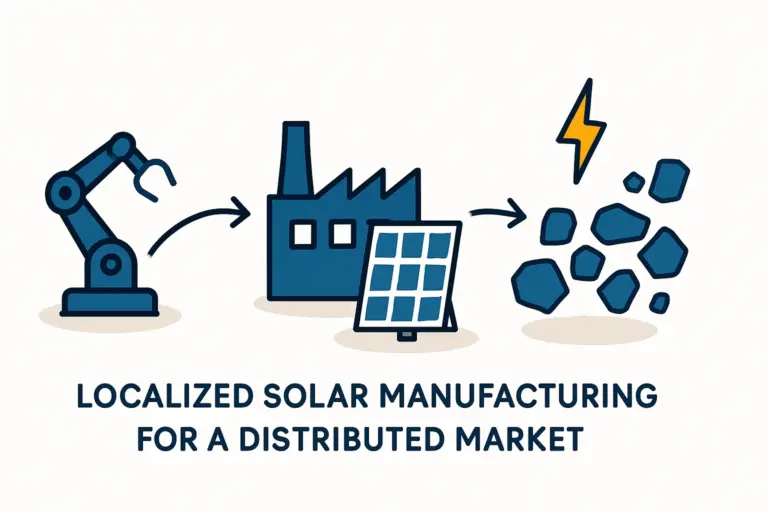
Instead of treating energy as a recurring operational expense, a forward-thinking investor can reframe it as a strategic industrial asset. The most effective way to do this is by establishing a local solar module factory dedicated to serving the agribusiness sector.
Why manufacture locally rather than simply import panels?
-
Supply Chain Control: A local factory eliminates the risks and costs of international shipping, import tariffs, and logistical delays, ensuring a stable supply of modules tailored to the regional environment.
-
Customization: Manufacturing on-site allows modules to be produced for the specific needs of agricultural and industrial applications, optimized for local climate conditions and energy use patterns.
-
Economic Development: A local factory also creates skilled jobs, fosters technical expertise within the region, and stimulates the local economy—aligning with government development goals.

With the right technical partnership, this industrial capability can be brought to a new market. Understanding the solar panel manufacturing process is the first step in appreciating how this can be achieved.
Analyzing the Investment Case for a Sumatra-Based Factory
A dedicated solar factory is a significant undertaking, but a carefully planned project offers compelling returns. The foundation for this venture rests on clear market demand and a structured implementation plan.
Market Demand Analysis
The demand for power in this sector is both large and concentrated. A single palm oil mill can require several megawatts to operate. Across the hundreds of mills and plantations in Sumatra, the total addressable market is substantial. A local module factory could become the primary energy solutions provider for this captive industrial market, offering long-term power purchase agreements (PPAs) that generate predictable revenue streams.
Factory Setup and Requirements
Establishing a solar module factory requires a structured investment in facilities, equipment, and personnel. Experience from European PV manufacturers’ turnkey projects turnkey projects shows that a medium-sized facility is an effective entry point for a regional market.
-
Typical Capacity: An annual production capacity of 20 MW to 50 MW is well-suited to serve a portfolio of large industrial clients.
-
Initial Investment: The solar panel manufacturing plant cost includes the building, production machinery, quality control labs, and initial working capital. A thorough project budget must account for all these factors from the outset.
-
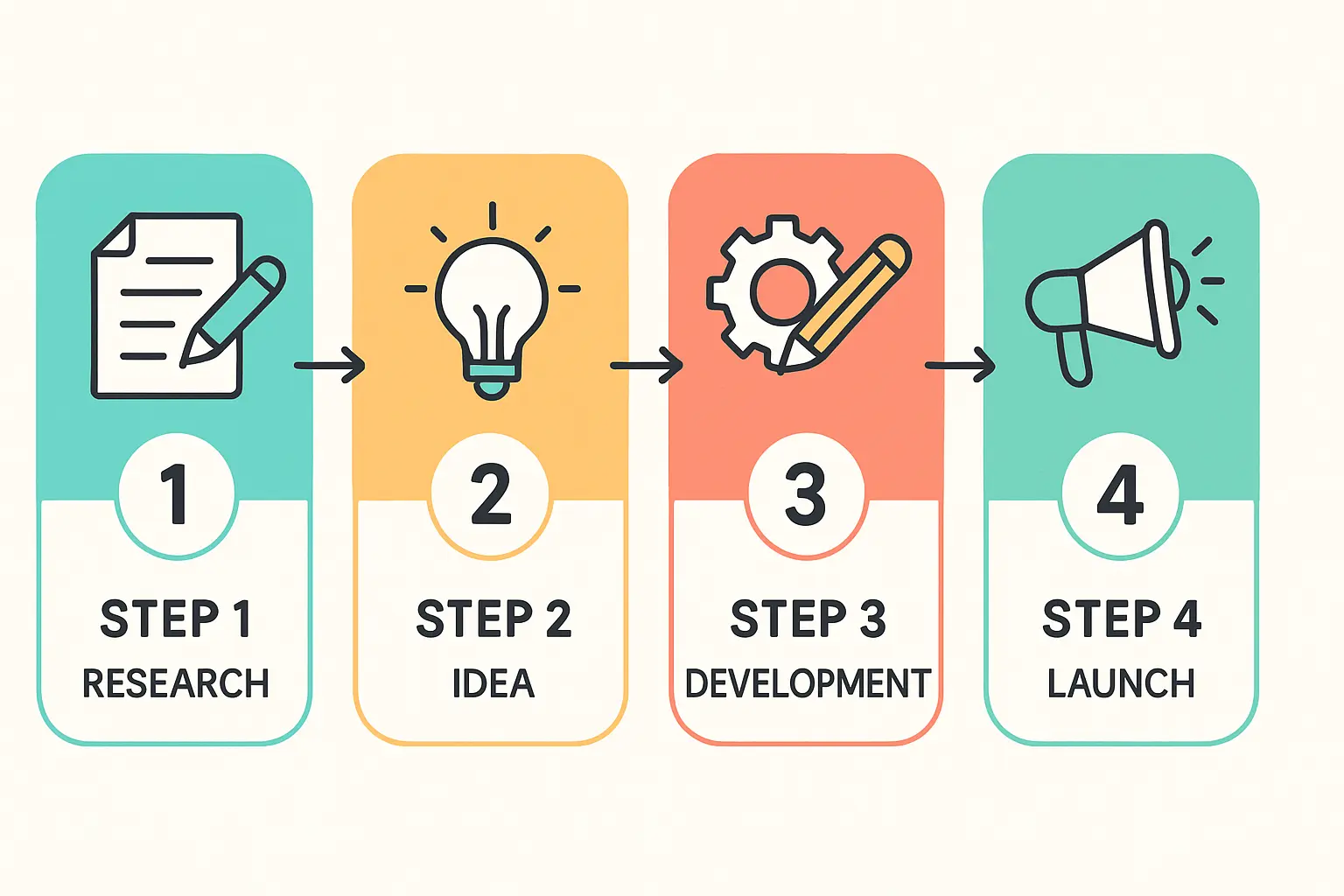
Streamlined Implementation: A turnkey solar panel production line offers a proven, integrated solution. This approach reduces complexity and accelerates the timeline from groundbreaking to full operation, as a single expert partner handles all machinery, process engineering, and training.
Long-Term Financial and Operational Benefits
The core financial advantage is the dramatic reduction in the Levelized Cost of Energy (LCOE) compared to diesel. Once a solar installation is operational, its fuel—sunlight—is free.
-
Energy Independence: Local industries gain independence from the volatility of fuel prices and grid instability. This operational certainty allows for better long-term planning and investment in core business activities.
-
Sustainable Branding: For export-oriented businesses like palm oil and rubber, a commitment to renewable energy is a powerful market differentiator that appeals to international buyers with sustainability mandates.
-
Return on Investment: The factory itself becomes a profitable enterprise, while its customers benefit from lower, more predictable energy costs for decades.

Frequently Asked Questions (FAQ)
-
Why build a factory instead of just importing solar panels?
Building a local factory provides control over the supply chain, reduces logistical costs and risks, allows for product customization to local conditions, and contributes directly to regional economic development. It transforms the business from a consumer of imported goods into a producer of high-value technology. -
What skills are needed to run such a factory?
A factory requires a mix of technically skilled operators, quality control engineers, and a management team. A key benefit of a turnkey setup is that comprehensive on-site training for the local workforce is included, ensuring a smooth transfer of operational knowledge. -
How long does it take to set up a production line?
With a structured, turnkey approach, a solar module production line can become operational in under a year from the finalization of the plan. The exact timeline depends on factors like building preparation and logistics. -
What are the main risks of such a project?
Like any industrial investment, risks include market fluctuations and regulatory changes. However, by focusing on a captive industrial market—agribusinesses with a constant need for power—the demand-side risk is significantly mitigated compared to residential or utility-scale projects. Managing execution risk requires careful technical planning and the right expert partnership.
Next Steps in Project Evaluation
A dedicated solar module factory in a region like Sumatra is a powerful business model. It solves a critical operational challenge for a vital economic sector, offering a solution that is both financially and environmentally sustainable. This is an investment in industrial infrastructure that pays dividends in energy savings, operational stability, and regional economic growth.
For entrepreneurs and business leaders considering this opportunity, the logical next step is a detailed project evaluation. Our comprehensive guide on how to start a solar panel manufacturing business provides the structured framework needed for detailed feasibility studies and business planning. The pvknowhow.com platform offers educational resources designed to guide new market entrants through this process.
Download the Sumatra Solar Business Case Study (PDF)
Author: This case study was prepared by the
turnkey solar module production specialists at J.V.G. Technology GmbH
It is based on real data and consulting experience from J.v.G. projects
worldwide, including installations ranging from 20 MW to 500 MW capacity.