Disclaimer: This case study represents a composite example derived from real-world
consulting work by J.v.G. Technology GmbH in solar module production and factory optimization. All data points are realistic but simplified for clarity and educational purposes.
Jordan as a Humanitarian Manufacturing Hub: A Strategic Plan to Supply Solar Power to Iraq and Syria
In the complex landscape of post-conflict reconstruction, the most fundamental requirement for rebuilding society is energy. Without reliable power, hospitals cannot function, schools remain dark, and clean water cannot be pumped. While international aid organizations pour billions into these efforts, the energy solutions deployed are often stopgaps: diesel generators that are costly, polluting, and dependent on volatile fuel supply lines.
Herein lies a unique strategic opportunity: establishing a dedicated solar module factory in a stable, nearby country to serve the immense, long-term reconstruction needs of its neighbors. Jordan, with its geopolitical stability and strategic location, is uniquely positioned to become a humanitarian manufacturing hub for supplying high-durability solar modules to Iraq and Syria. This plan outlines the strategic rationale, operational model, and technological considerations for such a venture.
The Strategic Imperative: Why Jordan?
The success of this endeavor hinges on its location. Jordan offers a rare convergence of factors, making it an ideal base of operations for a project focused on humanitarian and reconstruction markets.
1. Geopolitical Stability and Proximity
Jordan is widely recognized as an anchor of stability in a volatile region. Its secure environment offers a reliable foundation for long-term manufacturing investment. Crucially, Jordan shares extensive borders with both Iraq and Syria, with established logistical corridors like the Al-Karamah (Trebil) crossing into Iraq and the Jaber (Nassib) crossing into Syria. This proximity dramatically reduces transportation costs and lead times compared to importing modules from East Asia, creating a more responsive supply chain for urgent needs.
2. Favorable Business and Investment Climate
The Jordanian government has actively courted foreign investment by establishing Special Economic Zones (SEZs) like the Mafraq Development Zone, strategically located near the Syrian border. These zones offer significant incentives, including tax exemptions and streamlined customs procedures. Furthermore, Jordan’s strong diplomatic and trade relationships with Western nations, coupled with its status as a major recipient of international aid, make it a trusted partner for organizations like the UN, the World Bank, and other development agencies.
The Target Market: Powering Reconstruction Efforts
The scale of energy infrastructure damage in Iraq and Syria is staggering. Decades of conflict have decimated national power grids, leaving millions reliant on intermittent, expensive, and unsustainable power sources.
The reconstruction market is not a traditional consumer market; it is driven by international aid and development finance. Organizations like the United Nations Development Programme (UNDP) and USAID are increasingly prioritizing sustainable and resilient infrastructure. They are moving away from short-term fixes toward long-term solutions that build local capacity, and solar power is a cornerstone of this strategy.
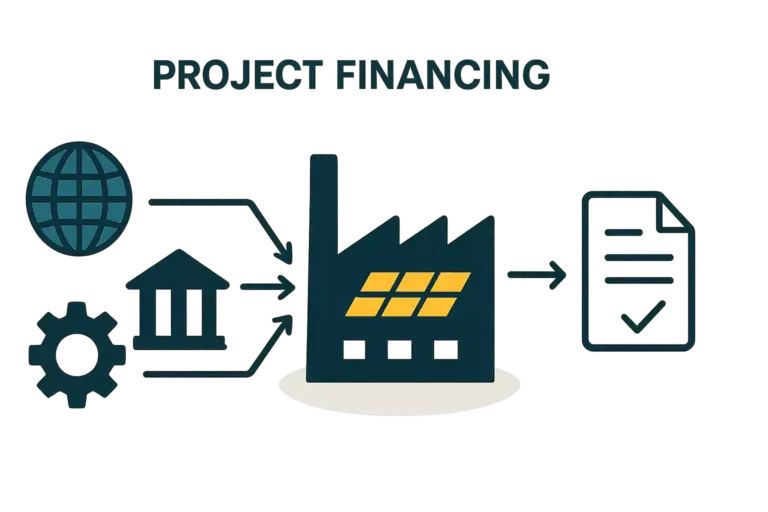
The challenge, however, is that these projects almost exclusively require off-grid or mini-grid solutions capable of operating independently. This creates a demand for solar modules that are not just efficient but exceptionally durable and engineered for harsh conditions. Understanding the intricacies of solar project financing through these large organizations is a key step in planning.
A Turnkey Factory Model: From Concept to Production
For an entrepreneur or institution without prior experience in photovoltaics, entering the manufacturing sector can seem daunting. A turnkey production line directly addresses this challenge by handling everything from the design and equipment procurement to installation and staff training needed to create a fully operational facility.
This model allows business leaders to focus on strategy and operations while technical partners like experienced European turnkey engineering team handle the engineering complexities. The principle is simple: you don’t need to be a photovoltaics expert when you have one guiding you.
Typical Project Metrics:
- Initial Capacity: A 20–50 MW semi-automated line is a common starting point, balancing investment with output.
- Facility Footprint: Such a line requires approximately 2,500 to 4,000 square meters of industrial space.
- Initial Investment: The capital expenditure for equipment and setup typically falls in the range of USD 3–5 million.
- Workforce: A factory of this scale can be operated by a staff of 25–40, including engineers, technicians, and operators, creating valuable local employment.
- Timeline: With a structured plan, a new production line can become operational in under 12 months.
A detailed guide on how to start a solar panel manufacturing business provides the necessary framework for evaluating such an investment.
The Right Technology for a Demanding Environment: The DESERT+ Module
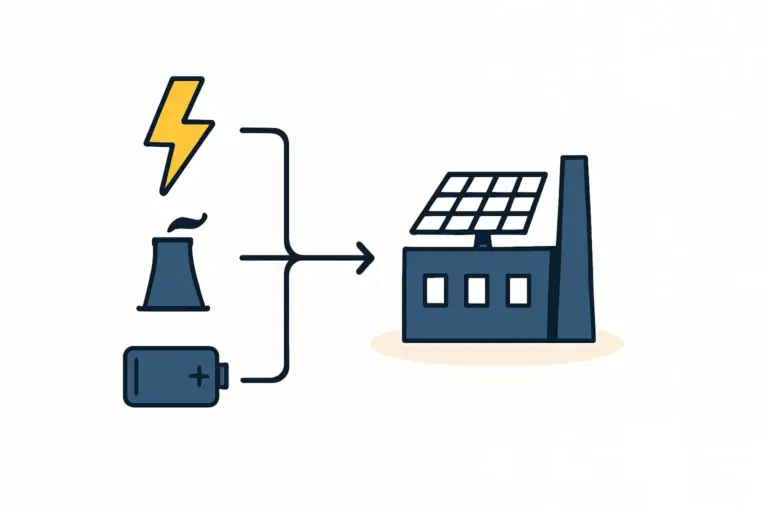
Standard solar modules, designed for stable European or North American grids, often fail prematurely in the Middle East. The combination of extreme heat, abrasive dust, and the electrical stresses of unstable grids requires a purpose-built product.
Based on decades of experience engineering solutions for challenging climates, an established European industrial solutions provider developed the DESERT+ specifications to address the precise failure points observed in standard modules. A local factory in Jordan would be ideally positioned to manufacture these specialized modules.
Key Features of DESERT+ Modules:
- Glass-Glass Construction: This design uses glass on both the front and back of the module, providing superior mechanical strength and resistance to humidity, sand abrasion, and microcracks. It is a significant upgrade from the standard, more fragile plastic backsheet. The key differences between glass-glass vs glass-backsheet solar panels are essential to understanding this advantage.
- Robust Junction Box and Diodes: The electrical components are over-specified to withstand the voltage fluctuations and reverse currents common in off-grid battery systems, preventing one of the most frequent points of failure.
- Optimized for High Temperatures: The materials and cell technologies are selected for minimal power degradation under the high-temperature, high-irradiation conditions typical of the region.
Manufacturing these modules locally ensures the end product is perfectly suited to the environment where it will be deployed.
Navigating the Humanitarian Supply Chain
Supplying international aid organizations is different from conventional B2B sales. The process is meticulous, requiring diligence and a deep understanding of procurement protocols.
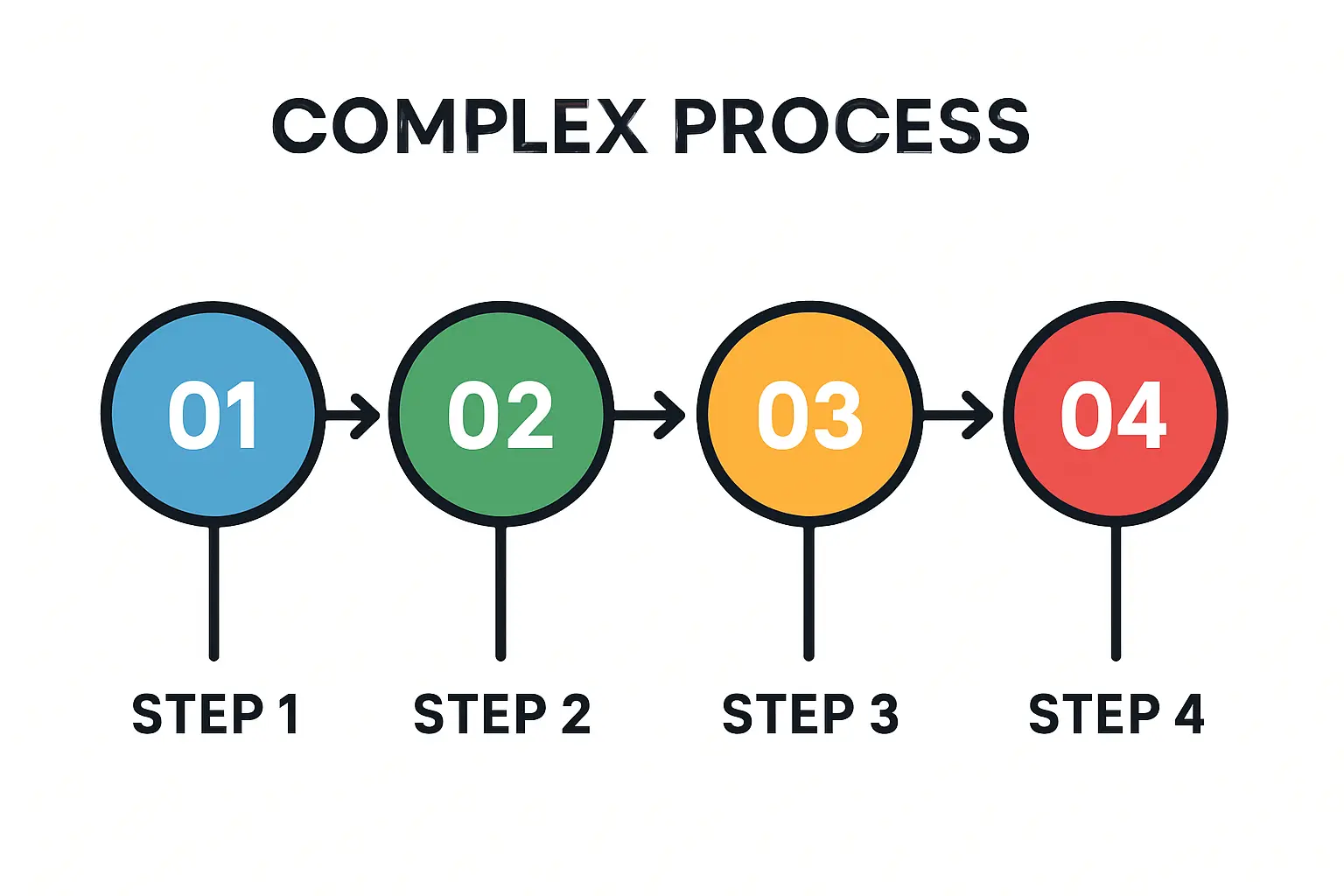
The supply chain involves several distinct stages, from initial qualification to final delivery. Success depends on meeting the strict technical and ethical standards set by these global bodies.
Key Success Factors:
- International Certifications: Achieving certifications such as IEC 61215 and IEC 61730 is non-negotiable. It is the primary requirement for consideration in any major tender.
- Vendor Registration: Manufacturers must register on the procurement portals of key organizations like the UN Global Marketplace (UNGM).
- Local Partnerships: Collaborating with established NGOs and contractors on the ground in Iraq and Syria is crucial for last-mile logistics, installation, and maintenance.
Frequently Asked Questions (FAQ)
What is the typical return on investment for such a factory?
The ROI is not based on commodity market pricing but is driven by long-term contracts with aid agencies. While the sales cycle can be longer, the margins for specialized, certified modules supplied to these projects are often more stable and higher than in the hyper-competitive global market. The venture should be viewed as a strategic, high-impact investment rather than a speculative one.
Is skilled labor available in Jordan?
Jordan has a well-educated population with a strong engineering base. A comprehensive training program for local staff is a key component of any premier EU provider’s turnkey project. This program transfers the necessary operational and technical knowledge to the local team, ensuring the factory can operate self-sufficiently and to international standards.
Why manufacture locally instead of importing cheaper modules from Asia?
There are three compelling strategic advantages:
- Logistical Superiority: Proximity enables rapid deployment and drastically reduces shipping costs and complexities—a critical factor in humanitarian crises.
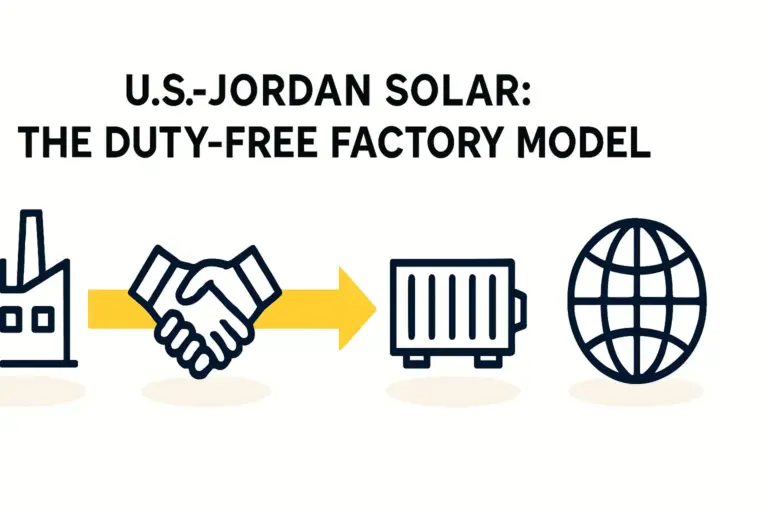
- Product Suitability: A local factory can produce specialized modules like the DESERT+ series, which are engineered specifically for regional conditions, something large-scale Asian manufacturers are not incentivized to do.
- Geopolitical and Economic Preference: Aid organizations and development banks increasingly favor procurement that builds local economic capacity. A factory in Jordan that employs locals and strengthens regional supply chains aligns perfectly with their broader mission.
The concept of a Jordanian solar manufacturing hub is more than a business plan; it is a model for aligning commercial enterprise with profound humanitarian impact. It leverages geopolitical stability to address regional instability, using proven technology to provide the most basic and empowering tool for reconstruction: reliable, sustainable energy.
For those exploring this concept, the logical next step is to understand the fundamentals of setting up a production line. The resources on pvknowhow.com offer a structured path from initial idea to operational reality.
Download: Jordan Humanitarian Hub Investment Case Study (PDF)
Author: This case study was prepared by the
turnkey solar module production specialists at J.V.G. Technology GmbH
It is based on real data and consulting experience from J.v.G. projects
worldwide, including installations ranging from 20 MW to 500 MW capacity.