Kenya, a nation blessed with abundant sunshine, stands on the cusp of a major energy transformation. With an estimated solar potential of nearly 15,000 MW and daily insolation levels of 4-6 kWh/m² (Renewable Energy Portal Kenya), the country is well-positioned to harness solar power for robust domestic growth and potentially emerge as a key player in the East Africa renewable energy market through solar technology exports. This analysis explores the current demand for solar modules within Kenya and the viability of exporting locally manufactured panels to neighboring markets, offering critical intelligence for entrepreneurs, investors, and policymakers.
Table of Contents
Decoding Domestic Demand for Solar Modules in Kenya
Kenya’s appetite for solar energy is growing, driven by a confluence of economic, social, and environmental factors. Understanding these dynamics is crucial for anyone looking to invest in or establish solar module production in the country.
Market Size and Growth Trajectory
Kenya’s solar energy market has seen consistent expansion. As of 2022, the installed solar generation potential was over 170 MW (PVKnowHow, Kleinmanenergy.upenn.edu). Projections point to continued growth, with the market expected to expand annually and electricity generation from solar forecast to reach 98.24 million kWh by 2025 (Statista). This upward trend signals a healthy and expanding domestic market for solar modules.
Key Drivers of Demand
Several factors are fueling the surge in solar adoption across Kenya:
- Government Support and Policies: The Kenyan government has actively promoted renewable energy through initiatives like VAT exemptions on renewable energy products and the implementation of a Feed-in-Tariff (FiT) policy (PVKnowHow, Renewable Energy Portal Kenya). Programs such as the Kenya Off-Grid Solar Access Project (KOSAP) aim to connect over 1.3 million people in underserved counties to solar power, further stimulating demand (PVKnowHow).
- Expanding Energy Access: A significant portion of Kenya’s rural population still lacks reliable electricity. Solar power, particularly through off-grid solutions, offers a scalable and cost-effective path to electrification. Kenya already accounts for a staggering 74% of total off-grid solar sales in East Africa (ESI Africa).
- Pay-As-You-Go (PAYGo) Models: Innovative financing like PAYGo has revolutionized energy access by making solar systems affordable for low-income households. In the second half of 2023 alone, these models facilitated the sale of 1.2 million solar energy kits and appliances in Kenya (The Progress Playbook).
- Commercial & Industrial (C&I) Sector Adoption: Businesses are increasingly turning to solar to reduce operational costs, ensure energy security amid grid unreliability, and meet sustainability goals. The average cost of utility electricity can range from $0.13 to $0.20 USD per kWh, making solar a competitive alternative (PVKnowHow).
- Grid Reliability Issues: With reports in 2019 indicating that only about 40% of the population had a consistent electricity supply—and nearly 50% had no grid access at all—solar provides a dependable alternative energy source (PVKnowHow, citing Statista).
- Growing Consumer Awareness: A rising public awareness of the benefits of clean energy is also contributing to the demand for household solar solutions.
On-Grid vs. Off-Grid Market Dynamics
While Kenya’s off-grid solar sector is a regional leader, the on-grid segment is also developing. Utility-scale projects like the 55 MW Garissa Solar Project contribute to the national grid (Renewable Energy Portal Kenya). However, the distributed nature of off-grid solutions—including solar home systems and mini-grids—currently dominates the volume of units sold and has the greatest impact on energy access, particularly in remote areas.
The State of Solar Module Manufacturing in Kenya
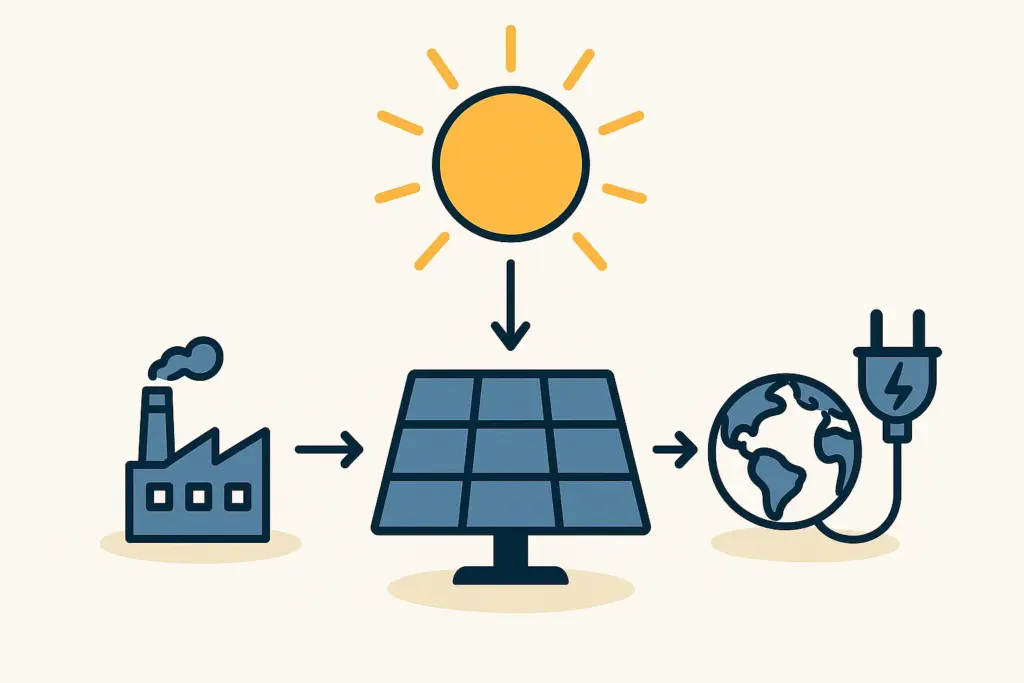
Establishing local solar module manufacturing can significantly enhance Kenya’s energy security, create jobs, and build a resilient local supply chain.
Current Manufacturing Capacity
Historically, companies like Solinc East Africa Ltd. have been notable PV panel producers in the region (PVKnowHow). However, a comprehensive, up-to-date picture of Kenya’s current large-scale solar module manufacturing capacity requires deeper investigation. Identifying existing players, their production volumes, and the technologies they employ is a critical first step for new entrants or investors. The focus is shifting from simply assembling imported components to developing more integrated local manufacturing.
Cost Analysis for Local Production
The cost-competitiveness of locally manufactured solar modules depends on several factors:
- Labor: Manufacturing labor costs in Kenya average around $3-$6 per hour, with skilled solar electricians earning approximately $320 per month (PVKnowHow). These figures can be regionally competitive.
- Raw Materials & Components: The cost and availability of raw materials (like silicon, glass, and aluminum frames) and components (junction boxes, EVA films) are crucial. Whether these are sourced locally or imported will significantly impact final production costs.
- Overheads and Utilities: Energy costs for manufacturing operations, logistics, and other overheads also play a significant role.
- Economies of Scale: Local production volumes may not yet match the economies of scale achieved by large international manufacturers, which impacts price competitiveness against imported modules, primarily from Asia.
Strengths and Weaknesses of Kenyan Solar Manufacturing
Strengths:
- Reduced import duties on raw materials or components compared to finished modules (if policies are favorable).
- Lower transportation costs for supplying the domestic and regional East African market.
- Faster delivery times and better after-sales service for local customers.
- Job creation and local skill development.
- Potential for customization to local conditions.
Weaknesses:
- High initial capital investment for setting up production lines.
- Competition from established international manufacturers with massive economies of scale.
- Dependency on imported raw materials and specialized components.
- Need for a skilled workforce and technical expertise.
- Potential challenges in ensuring consistent quality and international certifications.
Government Support and Incentives for Local Manufacturing
While general incentives for renewable energy exist, specific, robust support for local solar module manufacturing—such as tax breaks for machinery importation, local content requirements, or preferential procurement—would be vital to catalyze this sector. Such policies could significantly improve the business case for establishing and scaling up local production facilities.
Untapped Potential: Exporting Kenyan Solar Modules to Regional Markets
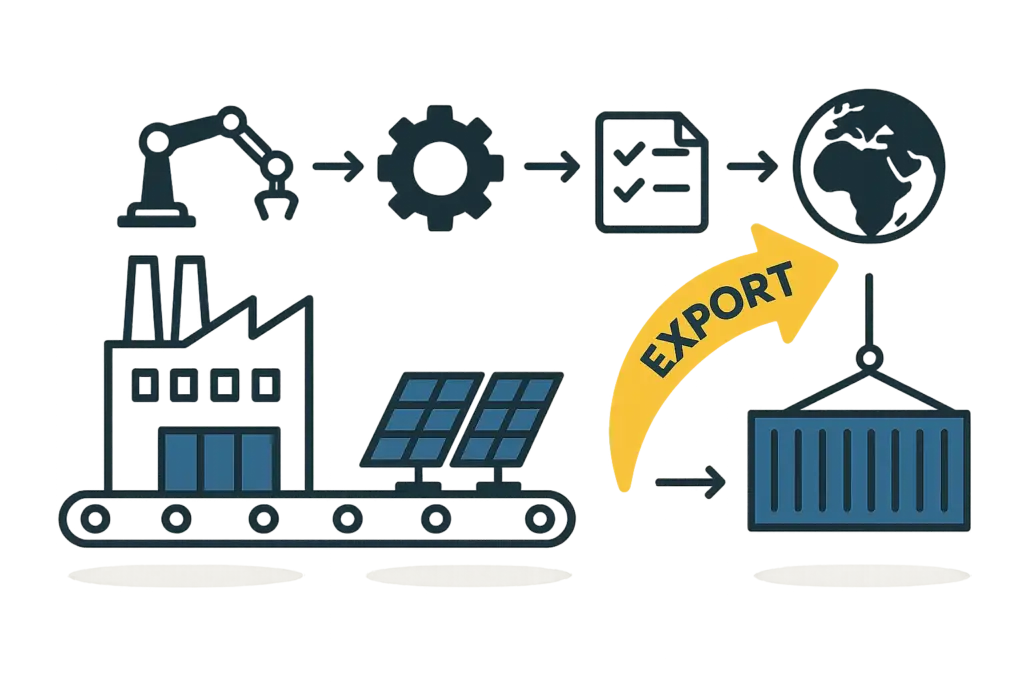
Beyond serving its domestic needs, Kenya has strong potential to become an export hub for solar modules to neighboring East African Community (EAC) countries and beyond.
Identifying Key Regional Export Markets
Countries like Uganda, Tanzania, Rwanda, and the Democratic Republic of Congo (DRC) present significant export opportunities. These nations share similar energy access challenges, growing populations, and an increasing focus on renewable energy. Their reliance on imported solar panels creates a ready market for competitively priced, quality modules from a regional partner like Kenya.
Kenya’s Competitive Edge
Kenya can leverage several advantages to penetrate these regional markets:
- Proximity and Logistics: Reduced shipping times and costs compared to imports from Asia or Europe.
- Expertise in Off-Grid Solutions: Kenya’s leadership in PAYGo solar and off-grid deployment (ESI Africa) means manufacturers can produce modules well-suited for these applications, which are in high demand regionally.
- Trade Agreements: Membership in the East African Community (EAC) common market can facilitate smoother trade and reduced tariffs.
- Growing Industrial Base: An improving manufacturing ecosystem can support the solar value chain.
Analyzing Demand for Specific Module Types in Regional Markets
Demand in regional markets will likely mirror Kenya’s, with a strong emphasis on modules for:
- Solar Home Systems (SHS)
- Commercial and Industrial (C&I) rooftop installations
- Agricultural applications (solar water pumps)
- Mini-grids
Understanding these specific needs allows manufacturers to tailor their product offerings.
Challenges to Export
- Competition: Intense competition from established global manufacturers, particularly from China, which benefits from massive scale and lower production costs.
- Trade Barriers and Standards: Navigating varying import regulations, customs procedures, and product certification standards in each target country.
- Logistics and Infrastructure: While proximity is an advantage, cross-border logistics can still present challenges.
- Financing Exports: Access to export financing and risk mitigation instruments.
- Brand Recognition and Quality Assurance: Building a reputation for quality and reliability in new markets.
The Investment Case: Fueling Kenya’s Solar Manufacturing and Export Growth
The opportunities in Kenya’s solar sector extend beyond installation to manufacturing and export, creating a compelling case for investment.
Opportunities for Investment
- Establishing Solar Module Production Lines: Greenfield projects or joint ventures to set up modern, efficient manufacturing facilities.
- Value Chain Development: Investing in local production of components like frames, glass, or junction boxes.
- Export Financing: Providing financial solutions for manufacturers looking to export to regional markets.
- Technology Transfer and Skills Development: Partnering to bring advanced manufacturing technologies and train a local workforce.
PVknowhow.com, with its extensive experience in setting up turnkey solar production lines and providing business planning expertise, is well-positioned to guide entrepreneurs and companies through this journey.
Risk Assessment and Mitigation
Potential risks include policy instability, intense market competition, and supply chain disruptions. Thorough market research, robust business planning (such as that facilitated by PVknowhow.com’s Premium Business Plan E-Course), and strategic partnerships are key to mitigating these risks.
Role of Public-Private Partnerships (PPPs)
PPPs can be instrumental in de-risking investments, developing supportive infrastructure, and creating a conducive policy environment for both domestic manufacturing and export promotion.
Conclusion: Powering a Brighter Future with Kenyan Solar
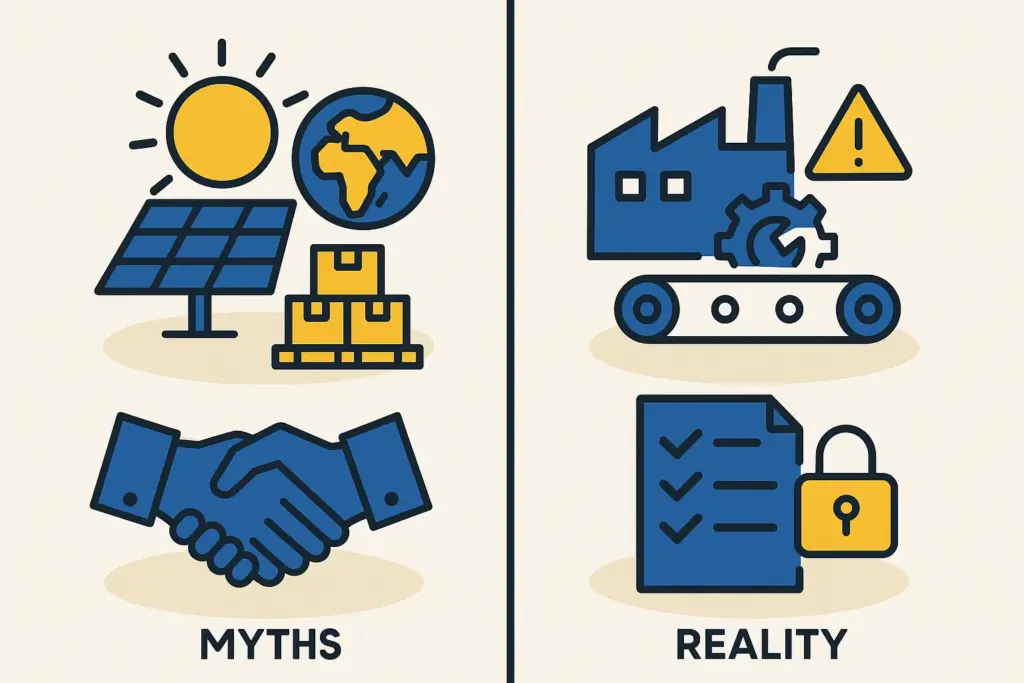
Kenya’s solar energy landscape is vibrant with opportunity. Strong domestic demand, driven by pressing energy needs and supportive initial policies, lays a solid foundation. The potential to build on this momentum through local solar module manufacturing and exports to regional markets is significant. Achieving this requires strategic investment, targeted government support for manufacturing, development of a skilled workforce, and a firm commitment to quality and innovation.
By harnessing its abundant sunshine and entrepreneurial spirit, Kenya can not only achieve its own energy goals but also illuminate the path toward a cleaner, more resilient energy future across East Africa. Companies like PVknowhow.com are dedicated to empowering local champions in this transition, offering the technical expertise and strategic planning necessary to build successful solar manufacturing ventures.
Want to learn more or need expert help? Visit our free e-course or explore our services. Or, if you’re ready to dive deeper, our Premium Business Plan E-Course offers personalized guidance to get your venture off the ground. Let’s make your solar journey smooth and successful.
References
All References
- PVKnowHow: https://www.pvknowhow.com/solar-report/kenya/
- Statista: https://www.statista.com/outlook/io/energy/renewable-energy/solar-energy/kenya
- ESI Africa: https://www.esi-africa.com/renewable-energy/solar/kenya-continues-to-dominate-east-africa-off-grid-solar-market/
- Renewable Energy Portal Kenya: https://renewableenergy.go.ke/technologies/solar-energy/
- The Progress Playbook: https://theprogressplaybook.com/2024/08/06/how-off-grid-solar-financing-plans-are-expanding-energy-access-in-kenya/
- Kleinman Center for Energy Policy, UPenn: https://kleinmanenergy.upenn.edu/commentary/blog/kenyas-clean-energy-transition-gets-a-boost-from-solar-power/