For an investor considering a new venture in the Pacific, South Tarawa, Kiribati presents an undeniable opportunity. With abundant year-round sunshine, the location seems ideal for manufacturing solar modules. Local demand for renewable energy is high, and the government is supportive.
However, a successful industrial project requires more than just market demand and sunlight. It depends on the foundational pillars of any modern factory: a constant supply of high-quality electricity and a reliable source of clean water.
In a place like South Tarawa, assuming these resources are readily available from the public grid would be a critical miscalculation. Understanding the reality of the local infrastructure is key to ensuring a solar manufacturing plant can operate efficiently and without interruption.
The Reality of South Tarawa’s Public Power Grid
Understanding the local energy context is the first step in any serious feasibility study. Kiribati’s power infrastructure, particularly in the capital of South Tarawa, presents significant challenges for an industrial consumer.
Assessments like the Asian Development Bank’s Kiribati Energy Sector Assessment reveal that the Public Utilities Board (PUB) operates a grid under considerable strain. The system is characterized by:
-
Generation Dependency: The grid relies almost entirely on imported diesel fuel, exposing electricity prices to global oil market volatility. This creates unpredictable operational costs for any large energy consumer.
-
Limited Capacity: The main power station in South Tarawa has an installed capacity of approximately 7.2 MW, but its actual dependable capacity often hovers closer to 5 MW. With peak demand reaching 4.0 MW, the reserve margin is very narrow. This lack of a buffer makes the system fragile and susceptible to outages.
-
Aging Infrastructure: The grid’s aging infrastructure suffers from high technical and commercial losses, reported at over 20%. This inefficiency not only wastes energy but also contributes to poor power quality, including voltage fluctuations and frequency instability.
For a potential investor, these points translate directly into business risks: frequent production stoppages, damage to sensitive equipment, and volatile energy bills that can erode profitability.

Why Stable Power is Non-Negotiable for Solar Module Manufacturing
The production of solar modules is a precise and sensitive operation. Unlike some heavy industries that can tolerate brief interruptions, key stages in the solar panel manufacturing process demand an absolutely stable and uninterrupted power supply.
Consider the lamination machine, which encapsulates solar cells between layers of glass and protective foil under specific heat and pressure profiles. A power outage or a significant voltage drop during its 15-to-20-minute cycle can render an entire batch of modules worthless.
The same applies to automated cell stringers and testers, where inconsistent power can lead to microscopic defects, calibration errors, and ultimately, a decline in final product quality and bankability. Attempting to run such a facility on an unstable grid is akin to performing delicate surgery during intermittent power failures.
The Solution: A Captive Power Plant for Energy Independence
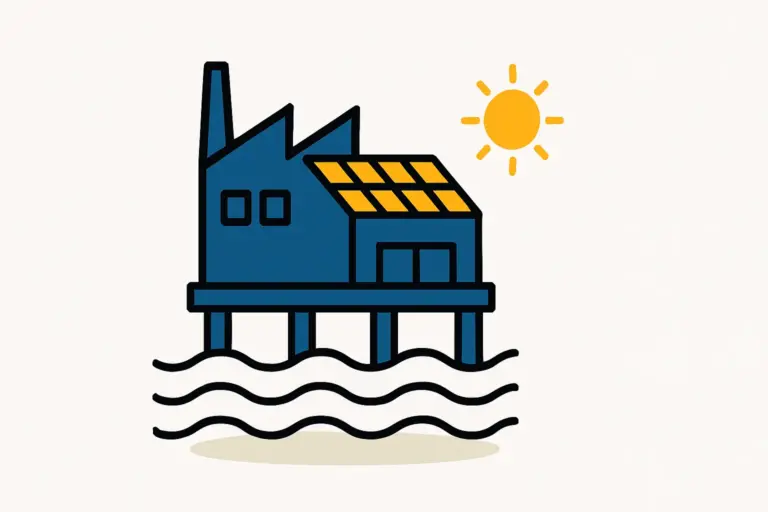
Given the state of the public grid, planning for energy self-sufficiency is not an optional upgrade; it is a fundamental requirement for a viable solar factory in South Tarawa. A ‘captive’ power plant, designed specifically for the factory’s needs, provides the necessary resilience.
A well-designed system includes three core components:
-
Solar PV System: The factory’s own rooftop or an adjacent ground-mounted solar array serves as the primary power source, leveraging the region’s greatest natural asset—sunlight—to generate clean electricity at a low, predictable cost.
-
Battery Energy Storage System (BESS): Lithium-ion batteries store excess solar energy generated during the day. This stored energy powers the factory through the night and, crucially, acts as a buffer to provide instant, clean power if solar output fluctuates due to cloud cover, ensuring a perfectly stable supply to the machines.
-
Backup Generator: A modern, efficient diesel generator acts as the final layer of security. It is not intended for daily use but can power the facility during extended periods of bad weather or for system maintenance, guaranteeing 100% operational uptime.
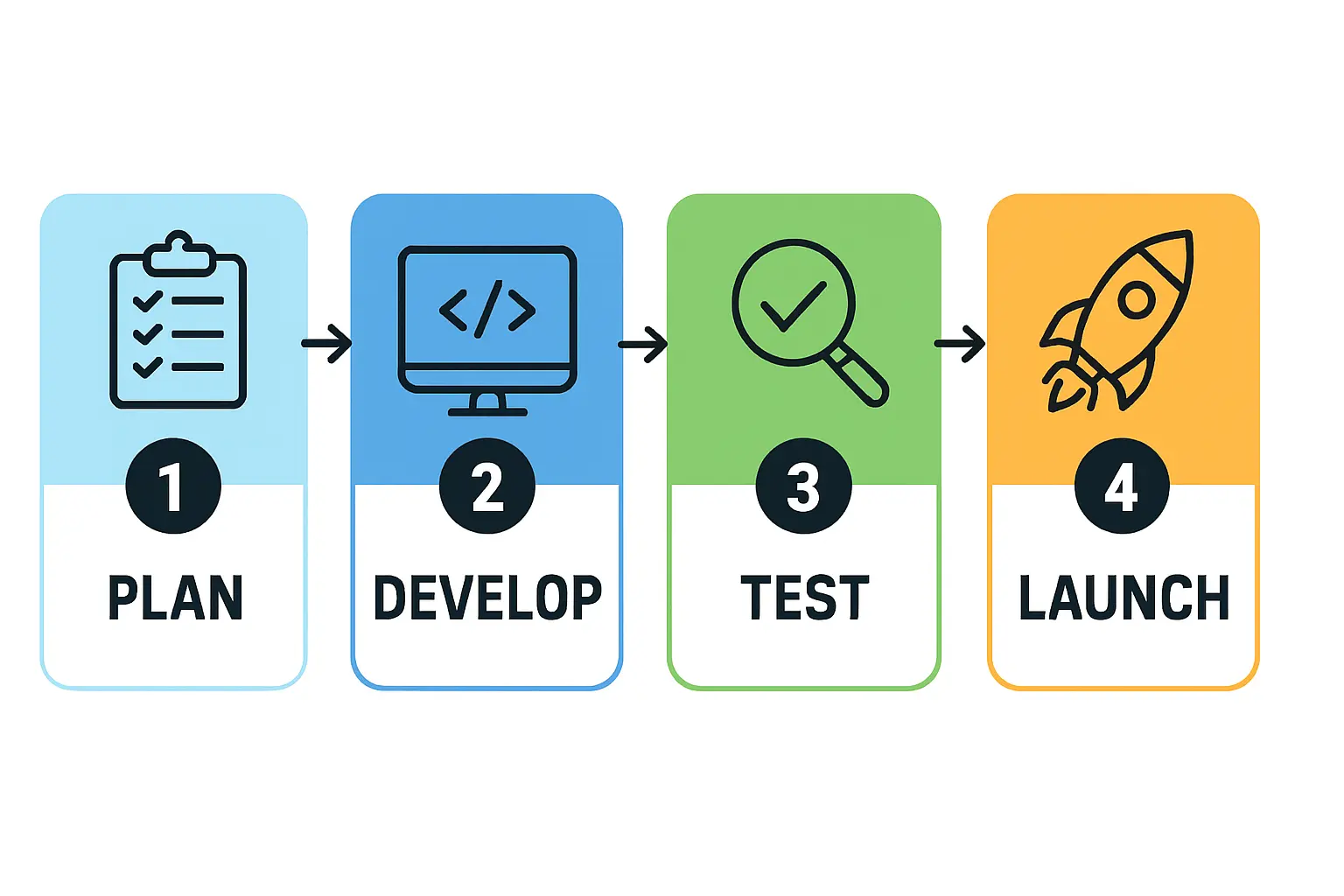
This hybrid approach de-risks the entire operation from the unpredictability of the local grid and insulates it from volatile fuel prices.
Assessing the Second Critical Resource: Water Supply
Just as critical as the energy challenge is the issue of water. South Tarawa faces significant water stress. The public water supply can be intermittent and may not meet the stringent purity requirements for industrial applications.
In solar module manufacturing, water is primarily used for two critical tasks:
-
Glass Washing: Before lamination, the solar glass must be perfectly clean. Any residue, mineral deposits, or particulates left on the glass can compromise the lamination process and create long-term module reliability issues.
-
Equipment Cooling: Some machinery within the production line may require water for cooling circuits.
Using untreated municipal or borehole water directly is not feasible. The high mineral and salt content could damage equipment and, more importantly, leave deposits on the glass that reduce the module’s light transmission and overall efficiency.
Implementing an On-Site Water Treatment and Storage System
The solution, much like the power strategy, is to create an independent, on-site water supply system. This guarantees both the quantity and quality of water needed for production. A typical setup includes:
-
Rainwater Harvesting: The large roof area of a factory building provides an excellent surface for collecting rainwater, a naturally soft and low-mineral water source.
-
Water Treatment: The collected water is processed through an industrial-grade purification system, often using reverse osmosis (RO) or deionization (DI) to remove impurities and achieve the required level of purity.
-
Secure Storage: Large storage tanks hold the purified water, providing a multi-day buffer to ensure production can continue even during prolonged dry spells.
This approach transforms a potential vulnerability into a controlled, internal process. This system is an essential part of the factory’s overall requirements and must be integrated into the initial facility design.
Integrating Infrastructure into the Overall Business Plan
An entrepreneur entering the solar industry must understand that in locations like South Tarawa, the factory does not end at the four walls of the production hall. The captive power and water systems are integral components of the manufacturing asset.
The capital expenditure for this essential infrastructure must be factored into the initial business plan. While this increases the upfront investment, it fundamentally de-risks the long-term operation. Based on experience from J.v.G. Technology GmbH projects in regions with similar challenges, planning for infrastructure independence from day one is crucial for a project’s long-term success and profitability.
A comprehensive turnkey solar factory solution always incorporates these critical utilities as part of the core project scope.
Frequently Asked Questions (FAQ)
Why can’t a solar factory just use a standard backup diesel generator?
While a generator provides backup power, it does not solve the issue of power quality. Sensitive electronics in modern manufacturing equipment require a perfectly stable sine wave, free from the fluctuations common with both unstable grids and standalone generators. A solar and battery system provides this high-quality, uninterrupted power, with the generator serving only as a final-resort backup.
How much does a captive power and water system add to the initial investment?
The cost varies with the factory’s size and consumption, but as a general estimate, this essential infrastructure can represent 10% to 20% of the total project investment. However, this cost should be viewed as a one-time insurance policy against far greater losses from production downtime, material waste, and equipment damage.
Can the factory’s own solar panels power the entire operation?
Yes, a correctly sized solar and battery system can be designed to meet the factory’s full energy demand. This concept, known as ‘self-consumption,’ dramatically reduces ongoing operational expenditure by minimizing reliance on expensive diesel-generated grid electricity, leading to a faster return on investment.
Is this infrastructure challenge unique to Kiribati?
No. This level of due diligence on power and water infrastructure is a standard and critical step for industrial projects in many emerging markets, island nations, and remote regions globally. The specific local conditions may differ, but the principle of ensuring operational independence remains the same.