Enterpreneurs planning a new solar module factory often focus on production throughput, machinery selection, and supply chain logistics. In the drive to get operational, it’s easy to underestimate a critical factor for success: environmental compliance.
In Kuwait, this isn’t a secondary concern; it’s a foundational requirement for securing permits, avoiding significant fines, and building a sustainable business. For any industrial project, the regulations set by the Kuwait Environment Public Authority (KEPA) are non-negotiable.
This article provides a clear overview of the key environmental considerations for a solar module factory in Kuwait. It explains the primary areas of regulation—waste, water, and air—and outlines a framework for integrating compliance into your operational plan from day one. Understanding these obligations is the first step toward launching a successful and responsible manufacturing enterprise.
The Role of the Kuwait Environment Public Authority (KEPA)
Established under Law No. 42 of 2014, the Kuwait Environment Public Authority (KEPA) is the primary governmental body responsible for developing and enforcing environmental policies. For any new industrial facility, including a solar module factory, engagement with KEPA is mandatory from the earliest stages.
The first and most critical step is completing a comprehensive Environmental Impact Assessment (EIA). This study must be submitted to and approved by KEPA before any construction begins. The EIA evaluates the potential environmental effects of the proposed factory, covering everything from resource consumption to waste generation and emissions. A thorough and professional EIA is essential for obtaining the necessary environmental permits to operate. Integrating this assessment into the initial solar manufacturing business plan ensures that compliance is a core component of the project’s strategy, not an afterthought.
Key Waste Streams in Solar Module Manufacturing
A solar factory generates several distinct types of waste, each requiring a specific management protocol under KEPA guidelines. Broadly, these can be divided into non-hazardous and hazardous categories.
Non-Hazardous Industrial Waste
This category primarily covers packaging and surplus raw materials. Common examples include:
- Cardboard boxes and plastic wrapping from solar cells and glass.
- Wooden crates and pallets used for shipping equipment and materials.
- Scrap aluminum from framing operations.
While not toxic, KEPA requires this waste to be segregated and managed by licensed recycling or disposal companies to minimize its impact on landfills.
Hazardous Industrial Waste
This is the most stringently regulated category due to its potential harm to human health and the environment. In solar module production, hazardous waste includes:
- Chemical Residues: Solvents, adhesives, and cleaning agents used in various production stages.
- Soldering Byproducts: Lead and tin residues from the stringing and tabbing process, along with used flux.
- Broken or Defective Solar Cells: These cells contain small amounts of heavy metals and are classified as electronic waste.
- Contaminated Materials: Rags, gloves, and containers that have come into contact with hazardous chemicals.
KEPA Requirements for Waste Management
Complying with KEPA regulations requires a systematic approach to waste management:
- Segregation at Source: Hazardous and non-hazardous wastes must be separated immediately at the point of generation. This requires designated, clearly labeled bins throughout the production floor.
- Secure Storage: Hazardous waste must be stored in sealed, leak-proof containers in a designated, secure area with secondary containment to prevent spills.
- Licensed Contractors: The collection, transportation, and disposal of all industrial waste, especially hazardous materials, must be handled exclusively by KEPA-approved contractors.
- Waste Manifest System: A ‘cradle-to-grave’ tracking system is mandatory. This involves detailed record-keeping that documents the type, quantity, and final destination of all waste leaving the facility.
Based on experience from J.v.G. turnkey projects, a 50 MW factory can generate several tonnes of non-hazardous waste and hundreds of kilograms of hazardous materials each month. Failure to adhere to these disposal protocols can result in severe penalties, including fines exceeding KWD 50,000 and forced operational shutdowns.
Water Resource Management and Wastewater Treatment
In an arid country like Kuwait, water conservation is a national priority. KEPA places strict controls on water consumption and the discharge of industrial wastewater. A solar factory uses water primarily for washing glass panels before lamination, cleaning equipment, and in cooling systems.
KEPA Standards for Industrial Wastewater
Discharging untreated wastewater is strictly prohibited. The regulations mandate:
- On-site Treatment: Every factory must have an on-site wastewater treatment plant (WWTP) to process all industrial effluent before it is discharged or reused.
- Pollutant Limits: The treated water must meet stringent quality standards, with strict limits on pH levels, total suspended solids (TSS), chemical oxygen demand (COD), and concentrations of heavy metals like lead and tin.
- Monitoring and Reporting: Regular testing of the treated effluent is required, with results submitted to KEPA to demonstrate ongoing compliance.
The ultimate goal encouraged by KEPA is a closed-loop system where treated water is recycled back into the production process, particularly for cleaning. A modern turnkey solar production line often incorporates water recycling technologies to help meet these standards and reduce operational costs.
Air Quality and Emissions Control
KEPA also oversees air quality within and around the factory. Several processes in solar module manufacturing can release airborne pollutants.
The key sources of emissions include:
- Soldering: Fumes containing volatile organic compounds (VOCs) and particulates are released from the solder flux.
- Lamination: Heating ethylene vinyl acetate (EVA) sheets during lamination can release organic vapors.
- Chemical Storage: Vapors can be released from stored solvents and cleaning agents.
KEPA’s Air Quality Regulations
To maintain a safe working environment and protect ambient air quality, KEPA requires factories to:
- Install Control Devices: Fume extraction systems with appropriate filters must be installed at soldering stations. Ventilation and air scrubbing systems may be required in lamination and chemical storage areas.
- Conduct Emission Monitoring: Regular monitoring of air emissions from stacks or vents is necessary to ensure pollutant concentrations remain below legally mandated limits.
Proper air quality control is not just a matter of compliance; it’s also essential for protecting the health and safety of employees, which in turn contributes to higher productivity and lower operational risk.
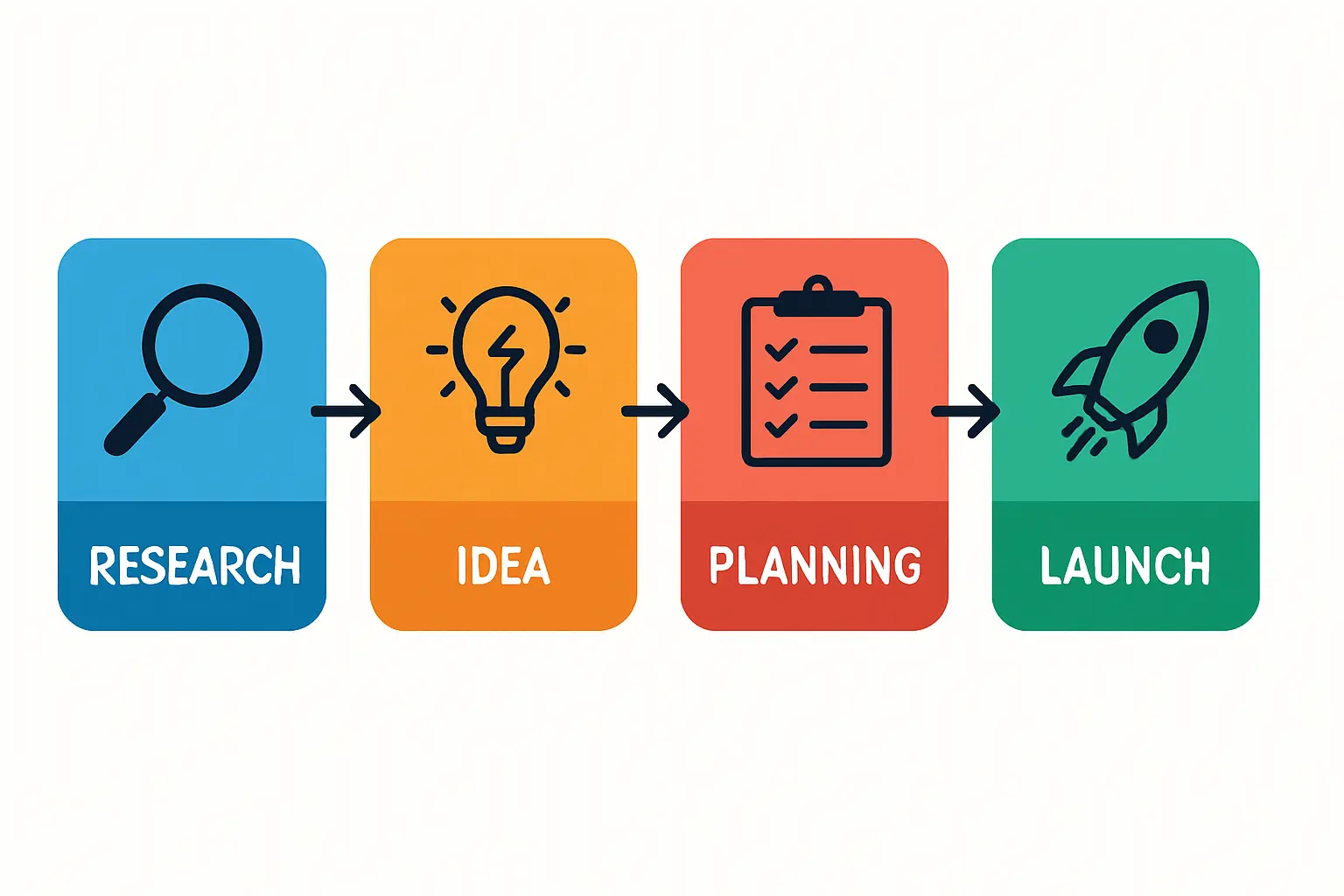
A Framework for Environmental Compliance
Achieving and maintaining KEPA compliance requires a structured approach integrated throughout the project’s lifecycle.
- Planning Phase: Begin with a professional Environmental Impact Assessment (EIA) to identify all potential environmental risks and define mitigation strategies.
- Design Phase: Work with engineers to integrate compliance-focused infrastructure into the factory layout, including designated waste segregation areas, a properly sized WWTP, and strategically placed air ventilation and filtration systems.
- Operational Phase: Develop and implement a comprehensive Environmental Management System (EMS). This system should include staff training on waste handling, clear monitoring procedures, and robust record-keeping for all waste manifests and emissions reports.

Frequently Asked Questions (FAQ)
Do these regulations apply to a small-scale (e.g., 20 MW) factory?
Yes, the principles of environmental compliance apply to all industrial operations, regardless of size. While the scale of the required infrastructure (like the WWTP) may differ, the fundamental legal obligations for waste segregation, licensed disposal, and monitoring remain the same.
What is the first step I should take to ensure compliance?
The mandatory first step is to commission a professional Environmental Impact Assessment (EIA) specific to your proposed site and production capacity. This document forms the foundation of your environmental permit application with KEPA and must be approved before construction.
Can I handle hazardous waste disposal myself?
No. KEPA regulations strictly mandate that the collection, transport, treatment, and final disposal of hazardous materials must be carried out by specialized, government-licensed contractors.
How does environmental compliance affect the overall investment required for a solar factory?
Compliance is a significant and necessary budget item. The initial investment required must account for the capital cost of a wastewater treatment plant, air control systems, and secure waste storage areas. Ongoing operational budgets must also cover the costs of licensed waste management services and compliance monitoring. Factoring these costs in from the start prevents expensive retrofits and punitive fines later.
Moving Forward with Confidence
For any entrepreneur entering Kuwait’s solar manufacturing sector, it’s essential to view environmental regulations not as a burden, but as a blueprint for a high-quality, sustainable operation. A proactive approach to KEPA compliance protects your investment, enhances your company’s reputation, and ensures your long-term license to operate.
Planning for these requirements from the outset is a hallmark of a well-structured project. For those new to the industry, resources like the pvknowhow.com e-course can provide a foundational understanding of these and other critical planning stages, transforming a complex challenge into a manageable, strategic process.