The growing demand for renewable energy across Central Asia is creating a significant opening for entrepreneurs. With its high solar irradiation and strategic position at the crossroads of China and the Commonwealth of Independent States (CIS), Kyrgyzstan is a compelling location. The country’s Free Economic Zones (FEZs) offer attractive incentives, but a critical question remains: which zone provides the optimal foundation for a successful solar module assembly enterprise?
Choosing between an industrial hub like FEZ Bishkek and a logistical gateway like FEZ Naryn isn’t a minor detail—it’s a strategic decision that will shape a project’s supply chain, operational costs, and market access. This guide provides a framework for evaluating these options, helping investors make a well-informed choice.
Understanding the Role of a Free Economic Zone (FEZ) in Your Business Plan
A Free Economic Zone is a designated geographical area where business and trade laws differ from the rest of the country. Its primary purpose is to attract foreign direct investment by offering a highly favorable operating environment.
These benefits are particularly significant for a solar module manufacturer. The process of setting up a solar module assembly line involves importing specialized machinery and a steady stream of raw materials, such as solar cells, EVA film, glass, and aluminum frames. FEZs typically offer:
- Tax Exemptions: Relief from profit tax, Value Added Tax (VAT), and sales tax.
- Customs Duty Waivers: No import duties on machinery, equipment, or raw materials used for production within the zone.
- Simplified Administration: Streamlined procedures for registration, licensing, and permits.
These incentives directly reduce initial capital outlay and ongoing operational expenses, significantly improving a project’s financial viability.
Key Free Economic Zones in Kyrgyzstan: A Comparative Overview
While Kyrgyzstan has several FEZs, Bishkek and Naryn stand out as the most relevant for industrial manufacturing ventures. Their geographical and infrastructural differences create distinct advantages depending on an investor’s business model.
FEZ Bishkek: The Industrial Hub
Located in and around the nation’s capital, FEZ Bishkek is the country’s largest and most established economic zone, serving as its primary industrial and commercial center.
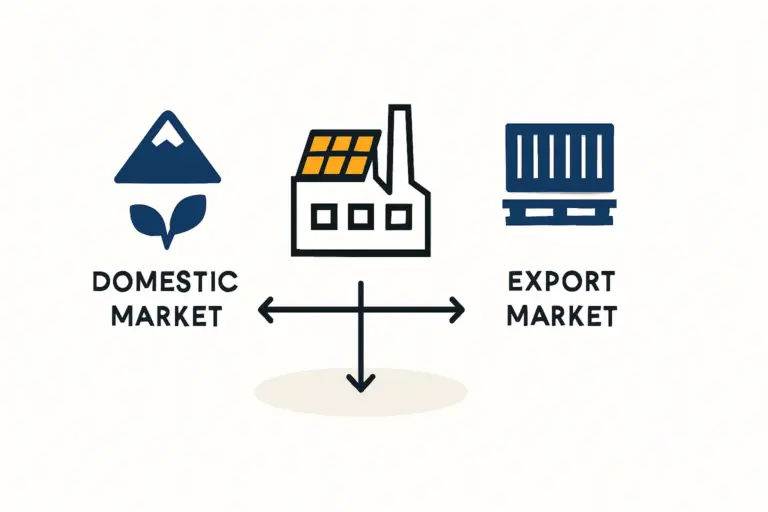
- Logistical Advantages: Its proximity to Manas International Airport and position on major road networks provide excellent connectivity to markets in Kazakhstan, Uzbekistan, and Russia—a crucial factor for exporting finished modules to the wider CIS region.
- Labor Access: Bishkek offers the largest and most skilled labor pool in Kyrgyzstan. Sourcing engineers, technicians, and administrative personnel is considerably easier here than in more remote regions.
- Infrastructure: The zone provides more reliable access to high-capacity utilities, including electricity, water, and high-speed internet. However, new investors often make the mistake of assuming uniform utility availability across the entire zone. It’s essential to confirm grid connection capacity and stability at the specific plot intended for development.
- Potential Challenges: The advantages of a capital city location also come with higher costs for land leases and labor compared to other regions.

FEZ Naryn: The Strategic Gateway
Situated in a high-altitude region, FEZ Naryn benefits from its strategic location on the main transport corridor connecting China to Central Asia via the Torugart Pass.
- Logistical Advantages: Its direct link to China is its primary asset. For a business that relies heavily on sourcing raw materials and components from Chinese suppliers, FEZ Naryn can offer significant savings in transport time and cost.
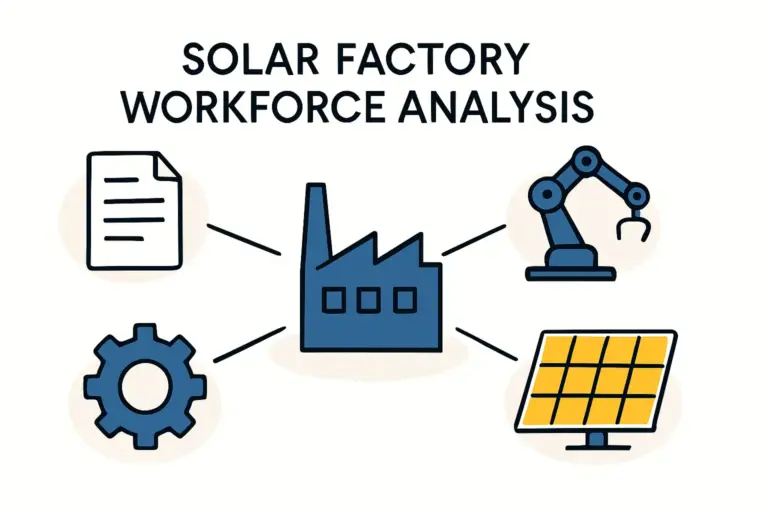
- Labor Access: The local labor pool is smaller and generally less skilled in industrial processes. For a 50 MW assembly line requiring 40-50 production staff, this may necessitate establishing a dedicated training program. Investors must factor the cost and time for such training into their workforce planning.
- Infrastructure: The infrastructure is still developing and may be less robust than in Bishkek. Thorough due diligence on the electrical grid’s stability is paramount, as unexpected power interruptions can halt production and damage sensitive equipment.
- Potential Advantages: Lower operational costs, including land, utilities, and labor, can provide a significant competitive edge, particularly for manufacturers focused on cost leadership.
A Framework for Your Due Diligence
The optimal choice of FEZ depends entirely on your project’s specific priorities. Use the following criteria to structure your evaluation:
-
Supply Chain Strategy:
For sourcing primarily from China, FEZ Naryn’s proximity to the border is a strong advantage.
For sourcing from diverse global locations or targeting CIS markets, FEZ Bishkek’s superior international transport links are more favorable. -
Utility Requirements:
Solar module manufacturing is energy-intensive. Based on experience from J.v.G. Technology’s turnkey projects, securing a stable and sufficient power supply is one of the most critical early steps in factory layout planning. Verify the exact capacity and reliability at your chosen site, not just for the zone in general. -
Workforce Needs:
Assess the trade-off between the ready availability of skilled labor in Bishkek and the lower labor costs—but necessary training investment—in Naryn. -
Cost Structure:
Model the total cost of ownership, including land leases, labor, logistics, and utilities for each location. The lower operational costs in Naryn might outweigh the logistical conveniences of Bishkek, depending on your production volume and margins.
Common Pitfalls to Avoid When Selecting a Site
Entrepreneurs entering this sector often face similar challenges. Awareness of these pitfalls can prevent costly mistakes:
- Underestimating Logistical Complexities: As a landlocked, mountainous country, Kyrgyzstan presents unique logistical hurdles. Investigate road conditions, border crossing efficiency, and seasonal closures of high-altitude passes that could impact your supply chain.
- Overlooking the Local Ecosystem: The availability of ancillary services such as calibration labs, specialized maintenance providers, and packaging suppliers is often greater in an established industrial center like Bishkek.
- Neglecting ‘Soft’ Factors: A strong working relationship with the local FEZ administration is crucial. Investors often report that the level of local support and bureaucratic efficiency is just as important as the written financial incentives.

Frequently Asked Questions (FAQ)
What are the primary tax benefits in a Kyrgyz FEZ?
Registered entities in Kyrgyz FEZs are typically exempt from profit tax, VAT, property tax, and land tax. They also benefit from customs-duty-free import of goods and equipment into the zone.
Do I need a local partner to set up in an FEZ?
While it is not legally mandatory for a foreign investor to have a local partner, engaging local legal and business consultants is highly advisable to navigate administrative procedures and cultural nuances effectively.
How does Kyrgyzstan’s location impact shipping finished solar modules?
Kyrgyzstan is a member of the Eurasian Economic Union (EAEU), which allows for duty-free trade with Armenia, Belarus, Kazakhstan, and Russia. Shipments are primarily conducted via road and rail networks, making FEZ Bishkek’s connectivity to these routes particularly valuable for export-oriented businesses.
What is the typical timeline for starting production in an FEZ?
Assuming a suitable building is available, the timeline from contract signing to the first module output can be approximately 9 to 12 months. This includes machinery procurement, installation, commissioning, and staff training. The total investment required will influence equipment delivery lead times.
Conclusion: Making an Informed Decision
Deciding where to establish a solar module assembly plant in Kyrgyzstan requires carefully balancing strategic priorities. There is no single ‘best’ answer.
FEZ Bishkek is the logical choice for ventures prioritizing access to skilled labor, robust infrastructure, and seamless logistics to CIS export markets.
FEZ Naryn offers a compelling alternative for businesses focused on cost control, with a supply chain heavily reliant on raw materials from China.
A final decision should only be made after comprehensive, on-the-ground due diligence. A structured approach, like the one outlined in the pvknowhow.com free course on starting a solar factory, can help ensure all critical factors are evaluated before committing significant capital.