Imagine this: your new solar module production line is fully operational, and the advanced machinery—a significant capital investment—is running smoothly. Suddenly, the lights flicker and the facility goes silent. A power outage on the national grid has brought production to an immediate halt.
For any industrial operation, this scenario is more than an inconvenience; it’s a direct threat to profitability and operational stability. For entrepreneurs planning to establish a solar manufacturing facility in Kyrgyzstan, understanding the national power infrastructure isn’t just a technical detail—it’s a fundamental business requirement.
This article breaks down the challenges of Kyrgyzstan’s electrical grid and outlines the steps needed to ensure your factory can maintain uninterrupted production, regardless of the external grid’s stability.
Understanding Kyrgyzstan’s National Grid: Key Challenges for Manufacturers
While Kyrgyzstan has significant energy resources, its national grid poses several challenges that industrial consumers must anticipate. Relying solely on the public grid without a contingency plan is a considerable business risk.
The Dependence on Hydropower
The backbone of Kyrgyzstan’s electricity supply is its vast hydropower network, which generates approximately 90% of the country’s power. While renewable, this reliance creates specific vulnerabilities:
-
Seasonality: Power generation peaks in summer as glacial melt fills the reservoirs. In winter, however, energy demand for heating soars just as water levels reach their lowest point. This seasonal mismatch often leads to power shortages and government-mandated consumption limits during the coldest months.
-
Climate Change Impact: Long-term changes in weather patterns, including reduced snowfall and faster glacier melt, pose a direct risk to the consistent output of these hydroelectric plants. A single year with low water levels can trigger a nationwide energy crisis.
The Legacy of Aging Infrastructure
Much of the country’s transmission and distribution infrastructure dates back to the Soviet era. While still functional, this aging network is inefficient and prone to failure.
Official estimates put transmission and distribution losses at 19-20%, meaning that for every 100 megawatts generated, only about 80 reach the end consumer. For a manufacturer, this inefficiency translates directly to grid instability, increasing the likelihood of voltage fluctuations and unexpected outages that can damage sensitive equipment.
The Reality of Power Outages and Regional Differences
Chronic power shortages are a well-documented issue, particularly during winter. The stability of the supply can also vary significantly by region.
While major urban centers like Bishkek may have more reliable service, industrial zones in developing or rural areas often face more frequent and prolonged disruptions. This makes site-specific due diligence essential; entrepreneurs cannot simply rely on national averages.
The Business Cost of Unstable Power
The consequences of an unreliable power supply extend far beyond mere inconvenience. For a solar module manufacturer, the financial impact can be severe.
-
Production Downtime: Every hour the production line is inactive means lost revenue and delayed order fulfillment.
-
Equipment Damage: Sensitive automation and processing equipment, such as cell stringers and laminators, are vulnerable to damage from sudden power cuts or the voltage surges that can occur when power is restored.
-
Material Waste: An interruption during a critical process, like the lamination cycle, can render entire modules unusable and lead to costly material wastage.
-
Reputational Risk: Consistently failing to meet production deadlines due to power issues can damage a company’s reputation with customers and partners.
Strategies for Ensuring Uninterrupted Production
A proactive approach to power stability is essential for success. Instead of reacting to outages, a prudent investor will build power security into the factory’s initial planning. A reliable power supply is one of the most critical infrastructure requirements for a new factory.
The Necessity of an On-Site Power Audit
Before finalizing a location, a thorough power audit is crucial. This assessment should go beyond simply confirming a grid connection. It involves analyzing the quality and reliability of the local grid segment, documenting the frequency and duration of past outages, and measuring voltage and frequency fluctuations. This data provides the foundation for designing an effective backup power strategy.
Implementing a Robust Backup Power System
Given the realities of the national grid, an independent, on-site backup power system is not a luxury but a necessity for any serious industrial operation in Kyrgyzstan. A typical setup involves two key components.
-
Backup Power Source: This is commonly a diesel generator, sized to support critical machinery and essential facility functions. For shorter, more frequent interruptions, a Battery Energy Storage System (BESS) can provide instantaneous power without needing to start a generator.
-
Automatic Transfer Switch (ATS): At the core of a seamless transition, this device constantly monitors grid power. The moment it detects an interruption, the ATS automatically disconnects the factory from the grid and signals the backup source to start, restoring electricity to your facility within seconds.
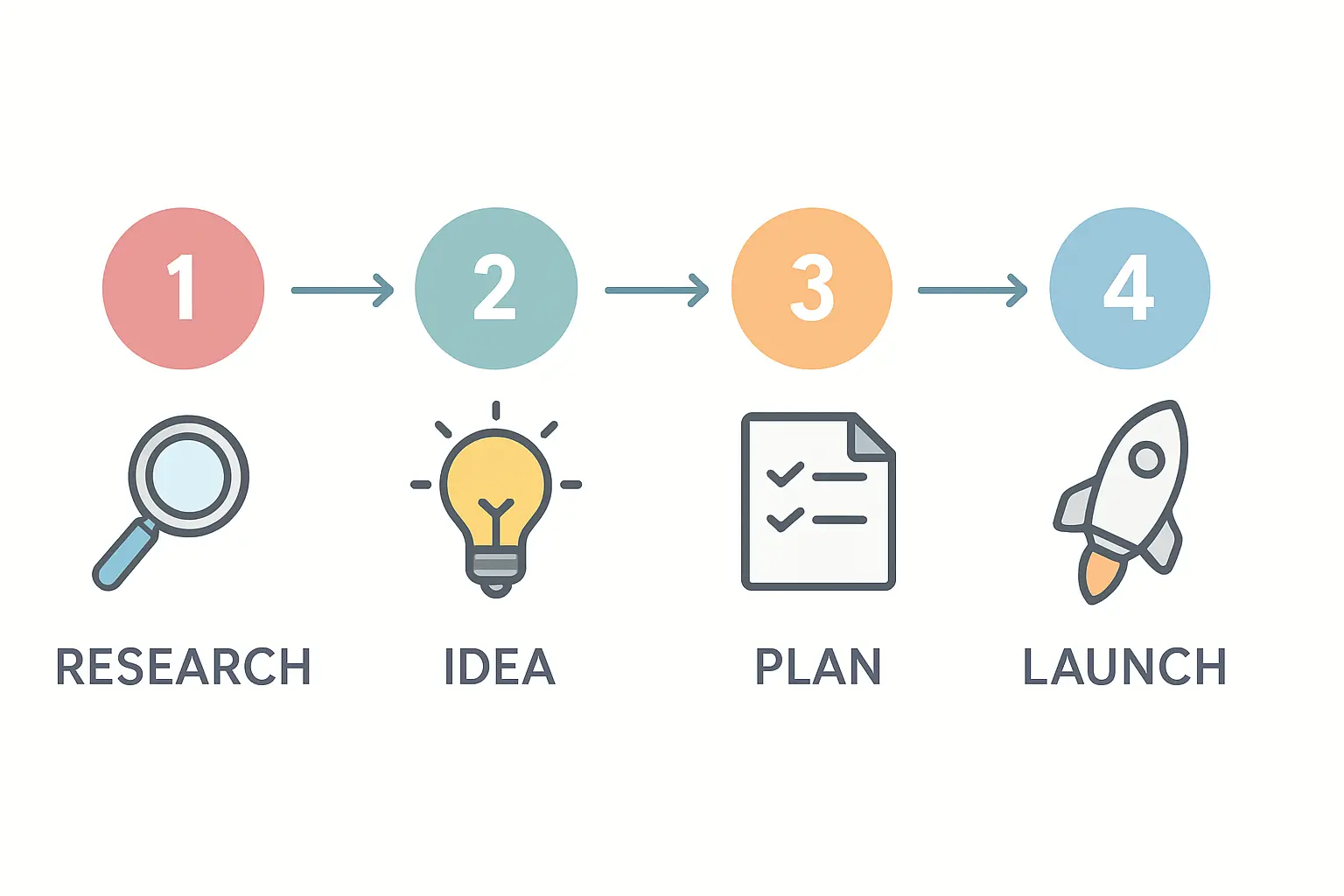
This combination ensures that a public grid failure has a minimal, almost unnoticeable, impact on your production floor.
Frequently Asked Questions (FAQ)
Is the national grid in Kyrgyzstan expected to improve soon?
The government has initiatives to modernize the grid and diversify generation with new solar, wind, and small-scale hydro projects, but these are long-term undertakings. For a business launching now, relying on future improvements is impractical. Planning for self-sufficiency is the only reliable strategy for the immediate future.
Is a diesel generator the only option for backup power?
A diesel generator is the most common and proven solution for providing sustained power during long outages. However, a BESS can be an excellent complement. It can handle brief ‘brownouts’ or micro-interruptions silently and instantly, reducing wear on the generator and saving fuel. The best solution often combines both technologies.
How much backup power capacity does my factory need?
The required capacity depends entirely on your production line’s specifications. A detailed analysis is needed to determine the total electrical load of your critical machines (e.g., stringers, laminators, testers) and essential services (e.g., lighting, compressed air). It isn’t always necessary to power the entire facility, but rather to ensure the core production process can continue uninterrupted.
Can my factory be powered by the solar modules it produces?
While this is conceptually appealing, it’s important to understand the technical requirements. A standard grid-tied solar installation on the factory roof is designed to shut down during a grid outage for safety reasons. To power the factory during an outage, you would need a more complex and costly hybrid or off-grid system, which requires a significant investment in battery storage and specialized inverters.
Conclusion: Building a Resilient Manufacturing Operation
For any entrepreneur entering the solar manufacturing sector in Kyrgyzstan, success depends on managing local operational risks effectively. The stability of the electrical supply is arguably one of the most significant of these risks.
By acknowledging the grid’s inherent challenges and proactively investing in a robust on-site backup power system, a business owner can insulate their operation from external volatility. This foresight not only protects the capital investment in machinery but also ensures the consistent production output necessary to build a profitable and reputable enterprise.
Planning for power resilience is a cornerstone of a successful manufacturing venture in the region.