An entrepreneur identifies a promising opportunity: Kyrgyzstan, with over 2,500 hours of sunshine per year and a government actively encouraging foreign investment, is an ideal location for a new solar module factory. The business plan is sound and the financial models are robust, but a significant question remains: how does one navigate the maze of permits, regulations, and bureaucratic requirements to bring this vision to life?
While often seen as a formidable barrier, the process is actually a structured sequence of legal and administrative steps. Understanding this sequence is the first step toward transforming an investment plan into an operational reality. This guide outlines the regulatory framework in Kyrgyzstan and provides a clear roadmap for securing the necessary permits for a solar manufacturing facility.
Understanding the Legal Framework: The 2021 Investment Law
Before diving into the specific permits, it’s crucial to understand their legal foundation. The Kyrgyz Republic’s 2021 Law ‘On Investments’ is the cornerstone legislation designed to attract and protect foreign capital. For a prospective factory owner, its key provisions offer significant assurance:
- National Treatment: Foreign investors are granted the same legal rights and conditions as local entities, ensuring a level playing field.
- Guarantees Against Expropriation: The law provides strong protections for assets, mitigating political risk.
- Free Transfer of Profits: Investors are guaranteed the ability to repatriate profits, dividends, and other income in foreign currency.
- Stability Clause: For ten years, investors are shielded from adverse changes in tax and customs legislation, providing critical long-term financial predictability.
For large-scale projects exceeding US$50 million, the law also provides a mechanism for a direct Investment Agreement with the government, which can further codify specific terms and incentives. This framework clearly signals the government’s intention to foster a stable and welcoming environment for industrial projects.
The Core Permitting Process: A Phased Approach
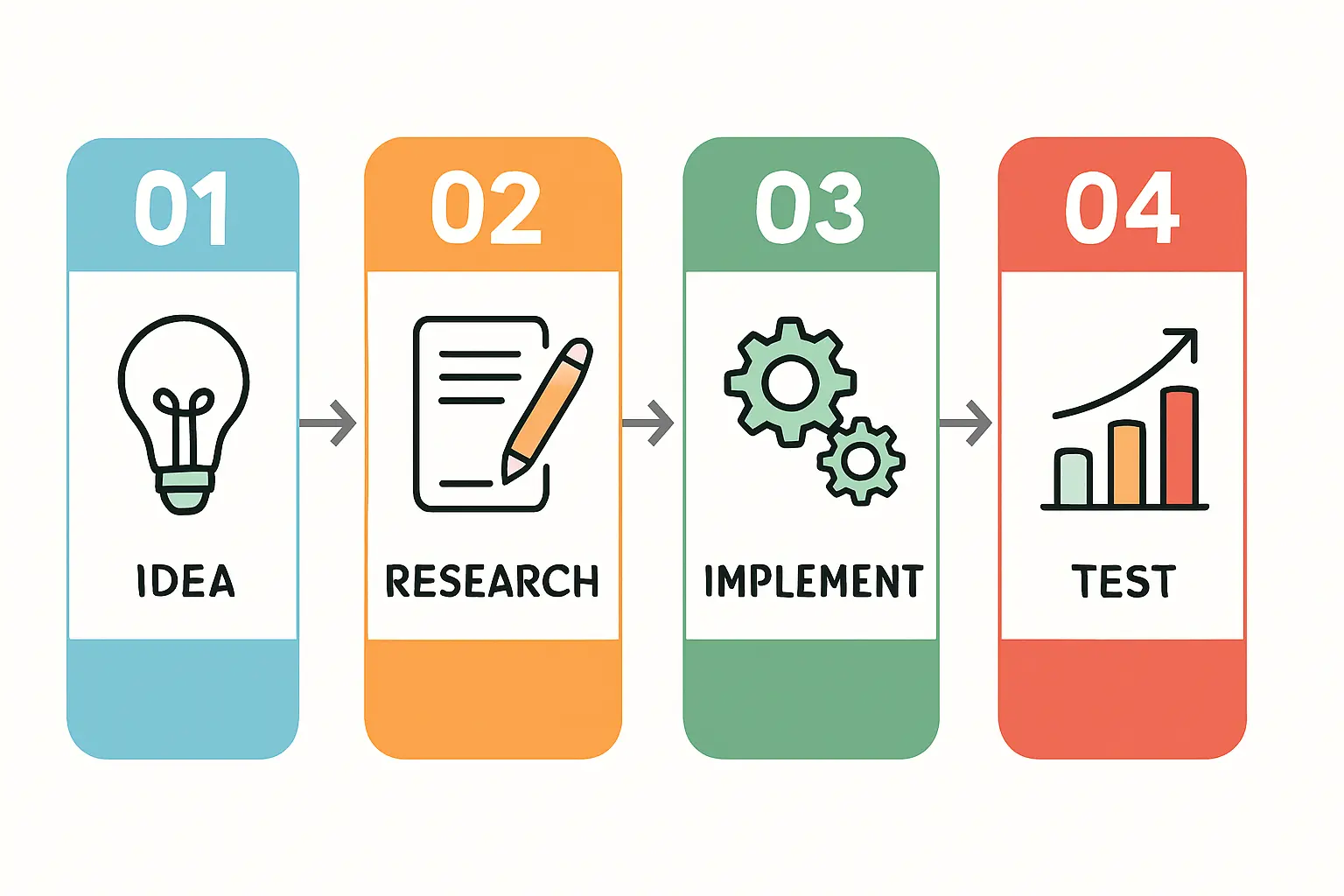
Securing approval for a new factory is not a single event but a multi-stage process involving different government agencies. While the specifics can vary, the journey typically follows three main phases: establishing the legal entity, securing environmental and land approvals, and obtaining construction permits.

Each phase has its own documentation requirements and timelines. A systematic, stage-by-stage approach is the most efficient way forward.
Phase 1: Establishing Your Legal Entity
Before seeking any operational permits, the business must first be established as a recognized legal entity within Kyrgyzstan.
Step 1: Business Registration
This foundational step is managed by the Ministry of Justice. The process is relatively straightforward and efficient. Required documentation typically includes:
- A formal application for registration.
- The decision of the founders to establish the company.
- The company charter or articles of association.
- Proof of a legal address for the entity.
- Confirmation of payment of the state registration fee.
Business-Relevant Metric: Based on official guidelines, this registration process is typically completed within 3 to 5 business days, making it one of the faster administrative steps.
Step 2: Tax and Social Fund Registration
Upon successful registration with the Ministry of Justice, the new entity is automatically registered with the State Tax Service. However, a separate registration with the Social Fund of the Kyrgyz Republic is required before hiring employees. This step is essential for legal compliance, ensuring the company can manage payroll and social contributions correctly.
Phase 2: Securing Environmental and Land Use Approval
This phase is often the most complex and time-consuming part of the pre-construction process, requiring detailed technical documentation and coordination with environmental authorities.
The Critical Role of the Environmental Impact Assessment (EIA)
An Environmental Impact Assessment (EIA) is mandatory for any industrial facility. This comprehensive study, submitted to the State Agency for Environmental Protection and Forestry, evaluates the potential environmental effects of the factory’s construction and operation. It must detail proposed mitigation measures for factors such as waste disposal, water usage, and emissions.
The EIA process often includes public hearings where local communities and stakeholders can provide input. Based on experience from J.v.G. turnkey projects, meticulous preparation of the EIA is critical, as incomplete or inadequate assessments are a common reason projects stall.
Land Allocation and Zoning
In parallel with the EIA, the investor must secure a suitable plot of land. This involves not only acquisition or lease but also ensuring the land is correctly zoned for industrial use. Verifying the zoning status early in the process can prevent costly complications later.
Phase 3: Obtaining Construction Permits
Once the legal entity is formed and the land and environmental approvals are in place, the final major step is to secure permission to build the factory. This process is overseen by the State Agency for Architecture, Construction, Housing and Communal Services.
The process involves several key stages, from initial design approval to final commissioning. The building plans must adhere to local construction codes and meet the specific operational needs of the machinery. Understanding the detailed [factory building requirements] for ventilation, floor loading, and power supply is essential at this stage. A thorough review by an expert construction body is required before a final building permit is issued.

A Strategic Advantage: Leveraging Special Economic Zones (SEZs)
For many investors, establishing the factory within one of Kyrgyzstan’s Special Economic Zones (SEZs) offers a significant strategic advantage. Located in areas such as Bishkek, Naryn, and Karakol, these zones provide a highly favorable fiscal regime, which can include:
- Exemption from customs duties on imported equipment and raw materials.
- Exemption from Value Added Tax (VAT).
- Exemption from profit tax.
The financial benefits of operating within an SEZ can fundamentally improve the business case for a new factory, making this an important consideration during the initial site selection process.
Common Challenges and How to Mitigate Them
While the legal framework is supportive, practical challenges can arise, including bureaucratic delays and inconsistent interpretation of regulations. A common issue faced by entrepreneurs—similar to a project J.v.G. consulted on in Central Asia—is navigating the specific documentation formats required by different departments.
The most effective mitigation strategy is to engage a reliable local legal or consulting partner. Their expertise in navigating the local administrative landscape and communicating with government agencies is an invaluable asset, saving both time and resources.
Frequently Asked Questions (FAQ)
How long does the entire permit process typically take?
While business registration is fast, the full sequence, including the EIA and construction permits, can take from 6 to 12 months. The timeline is highly dependent on the project’s complexity and the quality of the submitted documentation.
Is it necessary to have a local partner in Kyrgyzstan?
While not legally mandatory, a local partner is highly recommended. Their legal and administrative expertise can help anticipate requirements, prevent common errors, and greatly accelerate the process.
What are the main costs associated with permits?
Direct government fees for registration and permits are generally modest. The more significant costs are for professional services, including legal counsel for company formation, consultants for preparing the EIA, and architects and engineers for developing compliant construction plans.
Does the government offer direct support for foreign investors?
Yes, primarily through the protective framework of the Investment Law and the significant fiscal incentives offered within Special Economic Zones. The government’s investment promotion agency can also provide guidance and support.
Your Next Steps in Planning
Successfully navigating a new country’s regulatory environment is a cornerstone of any successful market entry. The process in Kyrgyzstan is well-defined and supported by a modern legal framework designed to encourage investment. With a clear understanding of these steps and the right local support, securing the necessary permits is an achievable goal.
The next step is to integrate this knowledge of the regulatory landscape into a comprehensive business plan. Our guide on [how to start a solar factory] provides a solid framework for this broader planning effort. Ultimately, these permits clear the path for the physical setup and installation of your [turnkey solar manufacturing line], transforming your plan into a productive reality. Structured educational resources, such as the e-courses provided by pvknowhow.com, can help systematically address each of these planning stages.