Many entrepreneurs view government incentives as a complex, elusive source of funding, often perceiving them as an impenetrable bureaucracy or a lottery with long odds.
But for those looking to establish a solar module manufacturing facility in Europe, government support is not a game of chance—it’s a strategic business process. Latvia, as a member of the European Union, offers a unique opportunity, combining a strategic location with a well-structured framework for supporting high-value industrial projects.
This guide provides a practical, step-by-step overview of the Latvian and EU incentive landscape. It explains the key institutions, the most relevant programs for a new solar factory, and outlines the critical steps for building a compelling application. The goal is to demystify the process and transform it into a manageable part of your business strategy.
Understanding the Incentive Landscape: LIAA and EU Structural Funds
Successfully securing funding begins with understanding the two main pillars of support available in Latvia: the national development agency and the overarching EU funds it helps administer.
The Role of the Investment and Development Agency of Latvia (LIAA)
The Investment and Development Agency of Latvia (LIAA) is the primary point of contact for foreign investors. It functions as a ‘one-stop shop’ designed to facilitate the entire process of establishing a business in the country.
For a prospective solar factory owner, LIAA is not merely an administrative body but a crucial strategic partner. Its mandate includes:
- Providing comprehensive information on the business environment.
- Assisting with site selection and legal incorporation.
- Administering a range of national and EU-backed financial incentive programs.
Engaging LIAA early in the planning process is critical for identifying the programs that best align with your project’s scope and objectives.
Tapping into EU Structural and Investment Funds
As an EU member state, Latvia has access to substantial funding from the European Structural and Investment Funds (ESIF). These funds are designed to promote economic convergence, competitiveness, and sustainable development across the Union.
A solar module manufacturing project aligns perfectly with key EU strategic priorities like the European Green Deal and the REPowerEU plan, which aim to accelerate the transition to clean energy and strengthen the continent’s energy independence. Unsurprisingly, projects that advance these goals are often viewed favorably. These EU funds are typically channeled through national programs managed by agencies like LIAA, making them accessible to investors on the ground.
Key Incentive Programs for Solar Manufacturing Investors
While many grants and loans exist, several programs are especially relevant for entrepreneurs planning to launch a new solar factory.
The RRF Loan and Grant Program for Business Digitalisation and Productivity
This program, part of the EU’s Recovery and Resilience Facility (RRF), focuses on enhancing productivity through technology and digital transformation. For a modern solar factory, this could translate into funding for:
- Advanced Automation: Acquiring state-of-the-art stringers, laminators, and cell testers to maximize throughput and quality.
- Manufacturing Execution Systems (MES): Implementing software to track materials, monitor production in real-time, and optimize efficiency.
- Enterprise Resource Planning (ERP) Systems: Integrating production data with inventory, sales, and financial management.
This program can offer significant grants, sometimes up to 4 million euros, for projects that demonstrate a clear link between the investment and a measurable increase in productivity and competitiveness.
The Grant Program for the Promotion of International Competitiveness
A new solar factory in Latvia will almost certainly target the broader European market and beyond. This grant program is designed to support such export-oriented activities. Funding can cover costs associated with:
- Achieving essential international certifications for your solar modules, such as those from IEC or TÜV.
- Participating in major industry trade fairs and exhibitions to build a network of distributors and clients.
- Conducting market analysis and developing an international sales strategy.
Support for Employee Training
Building a skilled workforce is a common challenge when establishing a new technical facility. Latvian and EU programs often provide co-financing for employee training and development. This support can significantly lower the initial operational costs of a new factory by subsidizing the training of machine operators, quality assurance technicians, and maintenance engineers on the specific equipment being installed.
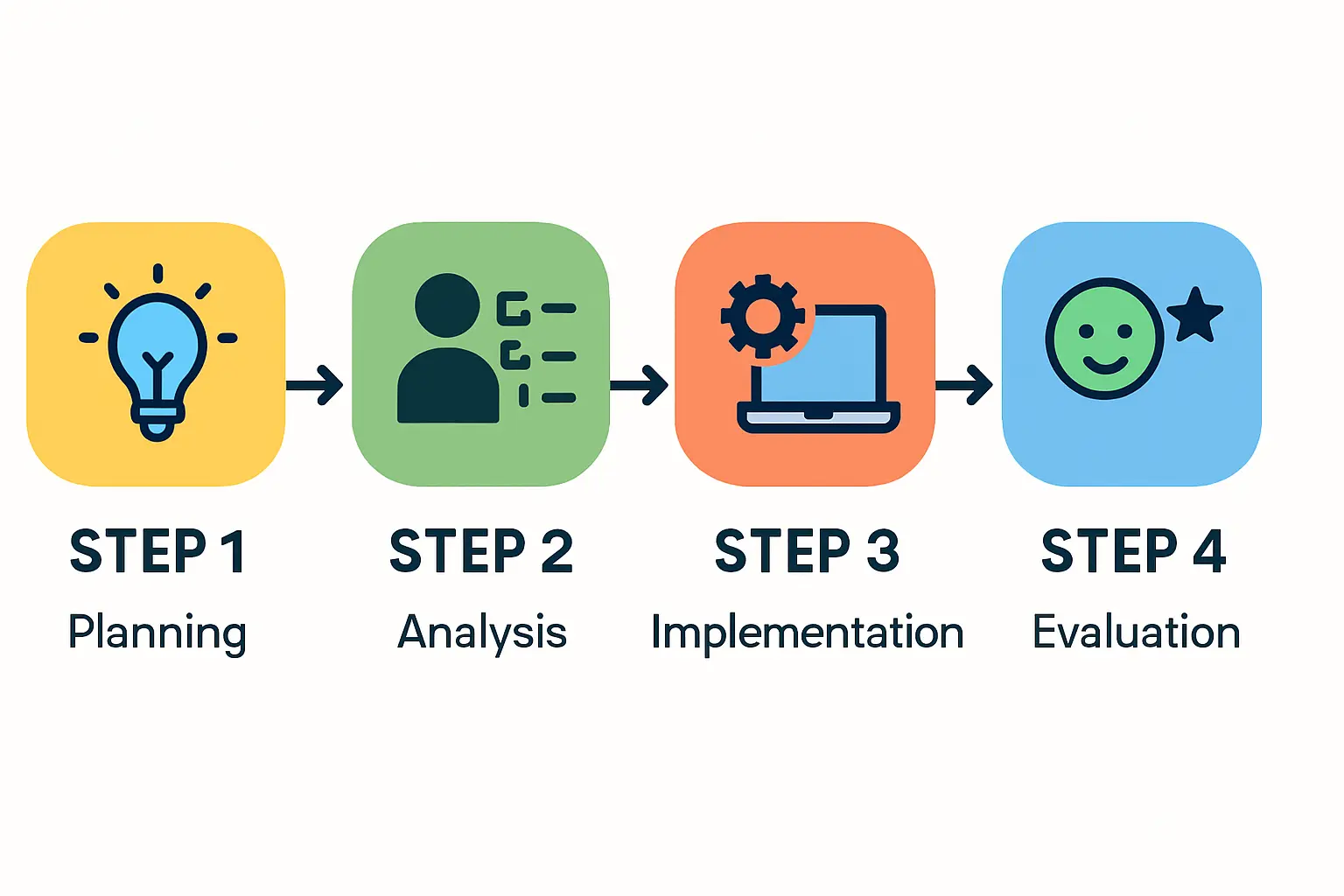
A Practical Step-by-Step Application Guide
A successful application is built on a foundation of thorough preparation and strategic communication. It is a marathon, not a sprint.
Step 1: The Business Plan – Your Foundational Document
A generic business plan is not sufficient. Your submission must be a detailed, data-driven document meticulously tailored to the specific objectives of the grant you are targeting. It must go beyond a simple proposal and act as a comprehensive operational blueprint. A solid solar factory business plan is the cornerstone of any successful venture, and it is absolutely critical for securing government support. Key components include:
- Detailed Financial Projections: Multi-year forecasts for revenue, costs, cash flow, and profitability.
- Technical Specifications: A clear description of the chosen production technology, an equipment list with quotations, and planned capacity.
- Market Analysis: A thorough assessment of the target market, competitive landscape, and sales strategy.
- Job Creation Plan: Specific details on the number and types of jobs that will be created for the local economy.
Step 2: Engaging with LIAA – Your Local Partner
Before submitting a formal application, preliminary discussions with LIAA representatives are highly advisable. This proactive approach allows you to:
- Present your project concept and receive initial feedback.
- Clarify specific eligibility requirements and documentation needs.
- Build a relationship with the agency that will evaluate your proposal.
Based on J.v.G. Technology GmbH’s experience supporting clients in new markets, establishing a strong local relationship early is one of the most critical success factors in any greenfield project.
Step 3: The Application – Precision and Detail
The formal application requires exceptional attention to detail. Common pitfalls include incomplete forms, vague project descriptions, or unsubstantiated financial claims. The evaluation committee will assess your project based on a clear set of criteria, typically including:
- Economic viability and long-term sustainability.
- Alignment with national and EU strategic goals (e.g., green transition, high-tech manufacturing).
- The level of innovation and technological sophistication.
- The project’s impact on employment and the regional economy.
Step 4: The Evaluation and Approval Process
Patience and planning are essential during this phase. Evaluating a substantial grant application is a rigorous process involving multiple stages of review. A typical evaluation period for significant grants can range from 3 to 6 months, and you must factor this timeline into your project schedule for procurement, construction, and commissioning.
Common Challenges and How to Overcome Them
The incentives process comes with a predictable set of challenges. Anticipating them is the best way to develop effective solutions.
Challenge 1: Navigating Bureaucracy and Language Barriers
Solution: While LIAA provides excellent support in English, the underlying regulations and documentation may be in Latvian. Engaging a reputable local consultant or legal advisor who specializes in foreign investment can be invaluable for ensuring all legal and administrative requirements are met.
Challenge 2: Demonstrating Long-Term Viability
Solution: Grant providers need assurance that the project will be a sustainable enterprise, not one solely dependent on public funds. Your business plan must convincingly demonstrate profitability beyond the initial setup phase. This can be strengthened by including letters of intent from potential customers, preliminary agreements with material suppliers, and a detailed sales and marketing plan.
Challenge 3: Meeting Co-Financing Requirements
Solution: Government incentives rarely cover 100% of project costs. Applicants are typically required to contribute a significant portion of their own capital. It is crucial to have this funding secured and clearly documented before applying, as this demonstrates financial credibility and commitment to the project.

Frequently Asked Questions (FAQ)
What is the typical success rate for grant applications?
Success rates vary by program. However, applications that are well-prepared, professionally presented, and closely aligned with a program’s stated strategic goals have a significantly higher chance of success. The focus should be on the quality of the submission, not the quantity of applications.
Can a foreign-owned company receive these incentives?
Yes. Latvia actively encourages foreign direct investment. The primary requirement is that the applicant establishes a legal entity registered in Latvia, such as a limited liability company, through which the project will be executed and the funds administered.
Do I need to have all my equipment suppliers chosen before applying?
While final purchase orders may not be required, your application must be supported by detailed, credible quotations from potential equipment suppliers. A generic list of machine types is insufficient. You need to demonstrate that you have conducted thorough due diligence on your technology and production line.
Are these grants considered taxable income?
The tax treatment of grants can vary depending on the specific program and national tax legislation. Consulting with a Latvian tax advisor is essential to understand the financial implications and ensure proper accounting.
What happens if the project fails to meet the grant’s objectives?
Grant agreements almost always contain specific performance metrics and milestones, such as job creation targets or production start dates. Failure to meet these obligations can lead to a reduction in funding or, in some cases, ‘clawback’ clauses that require the recipient to repay the grant. This underscores the importance of a realistic and achievable project plan.
Conclusion: Strategic Funding as a Catalyst for Growth
Securing government and EU incentives is far more than an application for financial aid; it is a strategic process that validates a project’s viability and aligns it with national economic priorities. For entrepreneurs entering the solar manufacturing sector, these programs can serve as a powerful catalyst, reducing initial capital hurdles and accelerating time-to-market.
The key to success lies in meticulous planning, a robust and data-driven business case, and proactive engagement with local partners like LIAA. For those navigating this complex but rewarding process, structured guidance is invaluable. The pvknowhow.com platform provides educational resources, including detailed e-courses and expert consulting, designed to help entrepreneurs build the comprehensive plan needed to approach funding bodies with confidence.