Disclaimer: This case study represents a composite example derived from real-world
consulting work by J.v.G. Technology GmbH in solar module production and factory optimization. All data points are realistic but simplified for clarity and educational purposes.
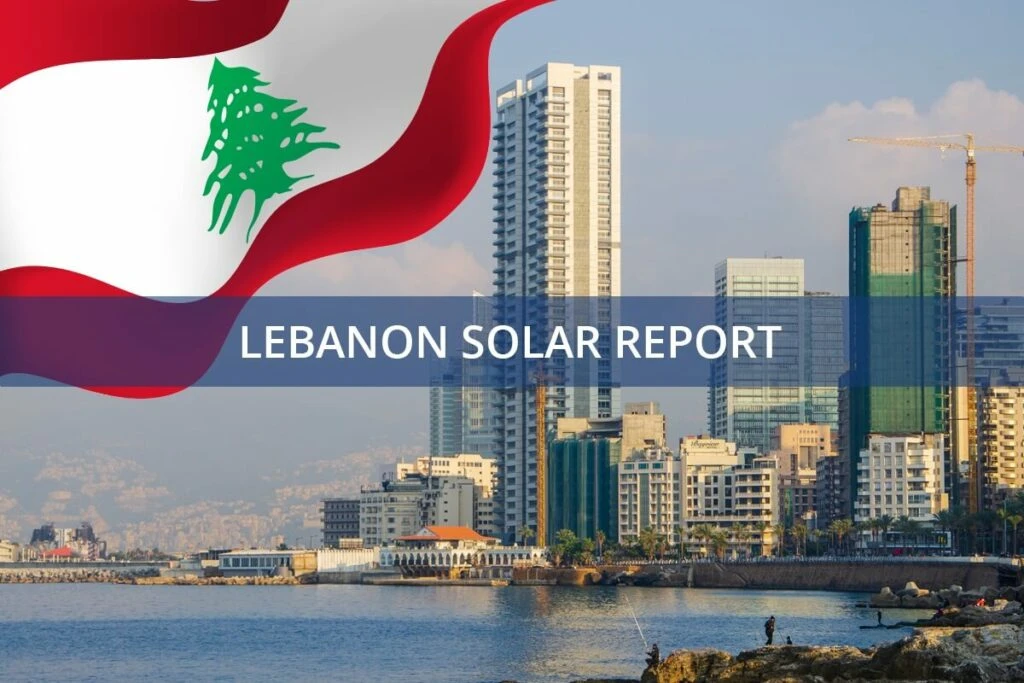
Lebanon’s daily reality is often defined by the silence of the national grid and the roar of private generators. For businesses and households, securing reliable electricity has become a costly and complex challenge, the direct result of a protracted economic crisis and severe fuel shortages.
This energy deficit, however, has inadvertently created one of the most compelling industrial opportunities in the country’s recent history: the local manufacturing of solar photovoltaic (PV) modules. While the market is flooded with imported panels to meet surging demand, a more strategic, long-term solution lies in building domestic production capacity. This article outlines a comprehensive model for establishing a solar factory in Lebanon, one that leverages non-traditional financing from the diaspora and mitigates risk through a proven turnkey operational framework.
Lebanon’s Energy Crisis: An Opportunity for Industrial Renewal
The collapse of Lebanon’s state electricity provider has fueled an unprecedented boom in solar energy adoption. Market data reveals a dramatic shift, with solar capacity growing from a mere 10 MW in 2020 to an estimated 500 MW by the end of 2022. This demand is currently met almost exclusively by imports, primarily from China.
This reliance on imports presents several critical problems:
Capital Outflow: Financial resources that could be used for domestic development are sent abroad.
Quality Control: The market has seen an influx of low-cost, low-quality panels with questionable performance and longevity, undermining consumer trust.
Lack of Economic Multiplier: Importing finished goods creates minimal local employment and fails to build a domestic industrial base.
Together, these problems make a clear and compelling case for local manufacturing. A local facility could address these challenges directly by producing high-quality, certified solar modules tailored to regional conditions and capturing a significant share of this rapidly expanding market.
A New Financial Paradigm: Mobilizing the Lebanese Diaspora
Traditional financing through local banks is largely unviable in Lebanon’s current economic climate. The solution, however, may lie with one of the country’s greatest assets: its global diaspora. The Lebanese diaspora is a powerful economic force, with remittances forming a substantial portion of the nation’s GDP. Many expatriates have expressed a desire to contribute to the country’s reconstruction in a meaningful and transparent way.
A structured investment vehicle, such as a diaspora bond or a private equity syndicate, can channel this capital toward a productive, nation-building project. This model offers several advantages over simple remittances or speculative investments:
Tangible Impact: Investors contribute directly to solving the energy crisis, creating jobs, and building industrial resilience.
Transparent Governance: A well-structured project with a reputable technical partner ensures funds are used efficiently and for their intended purpose.
Potential for Financial Returns: This is not a donation but an investment in a viable business operating in a high-demand sector.
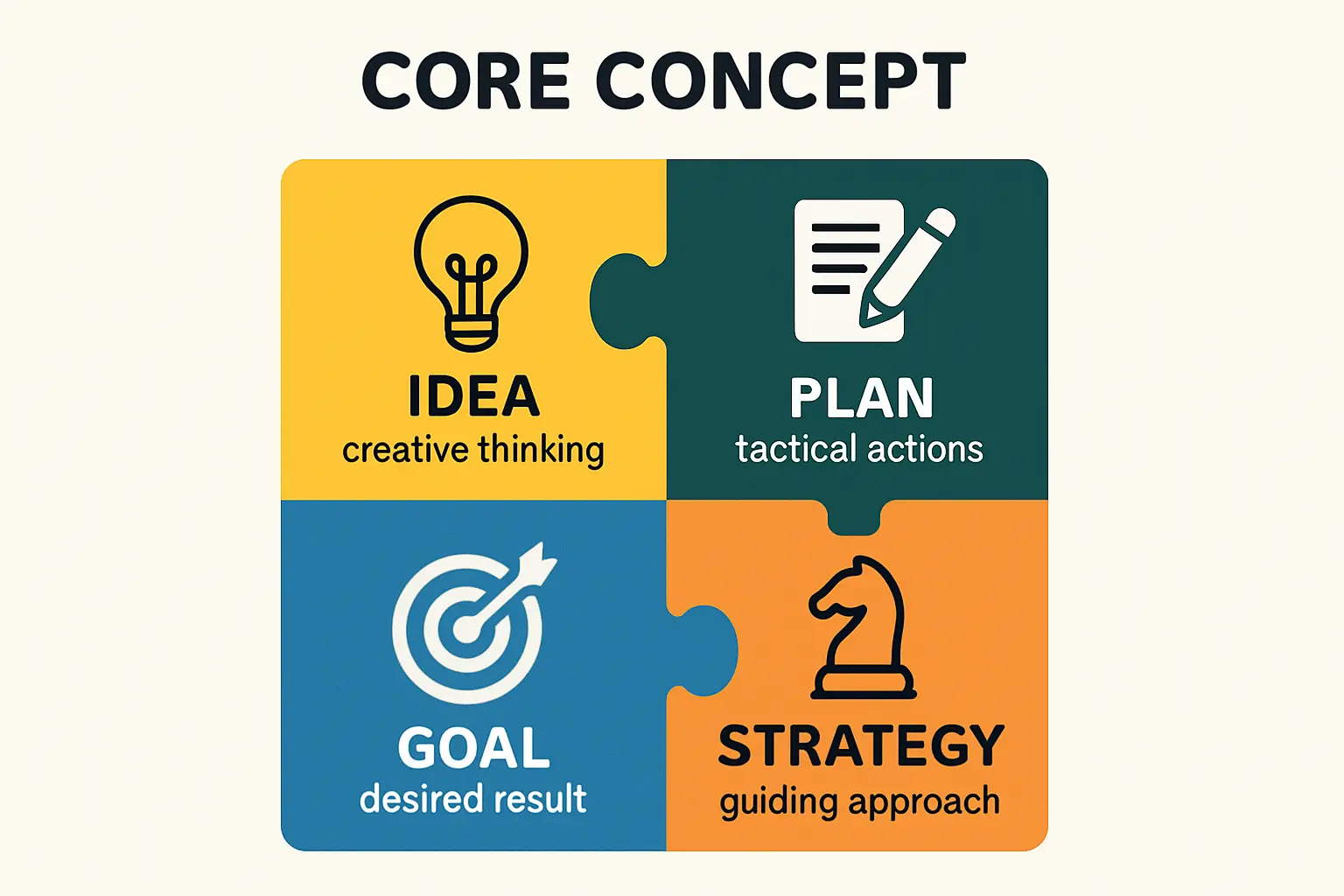
This approach transforms patriotic sentiment into a bankable industrial strategy, aligning the financial interests of the diaspora with the urgent needs of the domestic economy.
Structuring the Investment: The Business and Operational Framework
An ambitious vision requires a grounded and meticulously planned execution strategy. For investors, particularly those without prior experience in photovoltaics, the project hinges on two core components: a bankable financial model and a de-risked operational plan.
Building a Bankable Financial Model
A robust business plan is the foundation of this venture. A detailed solar module manufacturing business plan is essential to secure investor confidence. It must clearly outline cost structures, revenue projections, and market analysis.
Key financial considerations center on the initial capital expenditure for machinery and facility setup. Based on premier EU provider’s experience with turnkey projects globally, the required investment for a solar panel factory with an annual capacity of 20–50 MW typically falls within a manageable range for a syndicated group of investors. The plan should project a clear path to profitability based on import substitution and competitive pricing for a superior, locally produced product.
The Turnkey Operational Model: De-risking the Technical Challenge
The most significant barrier for new entrants in solar manufacturing is often the technical complexity. This is where the turnkey model becomes indispensable. A turnkey partner provides a comprehensive, end-to-end solution that eliminates the technical execution risk for investors.
A turnkey solar production line encompasses every operational stage:
-
Factory Layout & Design: Optimizing the facility for efficient material flow and production.
-
Machine Procurement: Sourcing, purchasing, and shipping all necessary equipment, from cell stringers to laminators and testers.
-
Installation & Commissioning: Managing the complete setup and ramp-up of the production line.
-
Staff Training: Training local engineers and technicians on machine operation, quality control, and maintenance protocols.
-
Certification Support: Guiding the factory through the process of obtaining necessary IEC certifications to ensure modules meet international quality standards.
This approach ensures the factory is built to world-class standards from day one, allowing the management team to focus on business development and market strategy rather than technical problem-solving.

Navigating the Lebanese Context: From Policy to Production
While Lebanon’s regulatory environment can be challenging, recent developments indicate a supportive trend for renewable energy. The official end of electricity subsidies and new laws enabling net-metering and private power purchase agreements (PPAs) are creating a more liberalized energy market. A local manufacturing plant would be well-positioned to become a key supplier for large-scale private and public sector solar projects emerging from this transition.
An experienced partner is crucial for navigating both the technical and administrative aspects of setting up a factory in a complex market. An EU-based photovoltaic manufacturing solutions partner has a long history of implementing such projects in emerging economies across Africa, the Middle East, and Asia, and understands the unique challenges related to logistics, customs, and local labor.

By establishing a local manufacturing presence, Lebanon can begin to reverse its dependence on imports, create skilled jobs, and lay the groundwork for a more sovereign and resilient energy future.
Frequently Asked Questions (FAQ)
What is the typical initial investment for a small-scale factory?
For a semi-automated line with an annual capacity of 20–50 MW, the primary investment in machinery and setup typically ranges from €2 million to €5 million, depending on the level of automation and technology chosen.
How long does it take to get a factory operational?
With a turnkey partner managing the process, a production line can be fully commissioned and operational in under 12 months from the project’s start, including procurement, shipping, installation, and training.
Is it difficult to source raw materials in Lebanon?
Most raw materials, such as solar cells, EVA film, and tempered glass, are sourced from established international suppliers. A turnkey partner assists in establishing these supply chains as part of the initial project setup.
What kind of skills are needed for the workforce?
A typical 20-50 MW factory requires approximately 25-35 employees. While some engineering oversight is needed, the majority of the workforce is made up of skilled technicians who can be trained on-site to operate the machinery and perform quality checks.
How can investors ensure the quality of the modules produced?
Quality is ensured through a multi-layered approach: sourcing high-grade raw materials, using certified production equipment, implementing rigorous quality control protocols (e.g., electroluminescence testing), and ultimately, obtaining international certifications such as IEC 61215 and IEC 61730 for the final products.
Conclusion: From Concept to a Tangible National Asset
The challenge of Lebanon’s energy crisis presents a direct path toward industrial revitalization. The model of a diaspora-funded, turnkey-operated solar manufacturing facility is more than a theoretical concept—it is a practical and achievable business plan. It aligns the financial capacity of the global Lebanese community with a critical domestic need, creating a powerful engine for economic growth and energy independence.
By investing in productive assets rather than consumption, stakeholders can build a tangible legacy—a modern factory that not only generates financial returns but also powers a brighter, more self-sufficient future for Lebanon.
Download: Download the Lebanon Solar Financing Blueprint Case Study (PDF)
Author: This case study was prepared by the
turnkey solar module production specialists at J.V.G. Technology GmbH
It is based on real data and consulting experience from J.v.G. projects
worldwide, including installations ranging from 20 MW to 500 MW capacity.