Purchasing multi-million dollar manufacturing equipment is a major milestone for any new solar enterprise. The real logistical challenge, however, often begins not in the factory of origin but at the port of destination.
Imagine your state-of-the-art stringer machine and laminator—the heart of your new facility—arriving at the Freeport of Monrovia only to be held up for weeks by incorrect paperwork or unforeseen handling limitations. The resulting demurrage costs and project delays can undermine a business plan before the first solar module is even produced.
While common, this situation is an avoidable one for entrepreneurs entering the solar manufacturing sector. This guide provides a strategic overview of the import logistics process at the Freeport of Monrovia, specifically for the heavy and sensitive equipment required for a turnkey solar production line. It outlines the key procedures, potential pitfalls, and planning steps needed for a smooth transition from port to factory floor.
Understanding the Operational Landscape at the Freeport of Monrovia
Successfully navigating any port requires an understanding of the primary entities involved. At the Freeport of Monrovia, a few key organizations manage operations; knowing their roles is the first step in effective planning.
- National Port Authority (NPA): The government body that owns and regulates the port infrastructure, setting the overall policies and framework for port operations.
- APM Terminals Liberia: As the primary concessionaire, APM Terminals manages the day-to-day container and general cargo handling. Their capabilities, including crane capacity and storage yard logistics, are critical factors in your planning.
- Liberia Revenue Authority (LRA): The LRA’s Customs Department assesses and collects all import duties and taxes. To avoid costly delays, all documentation must meet their stringent requirements.
- Local Clearing and Forwarding Agents: A competent, licensed local agent is indispensable. This partner will be your representative on the ground, liaising with the LRA and APM Terminals to handle the physical and administrative process of clearing your goods.
The Customs Clearance Process: A Step-by-Step Overview
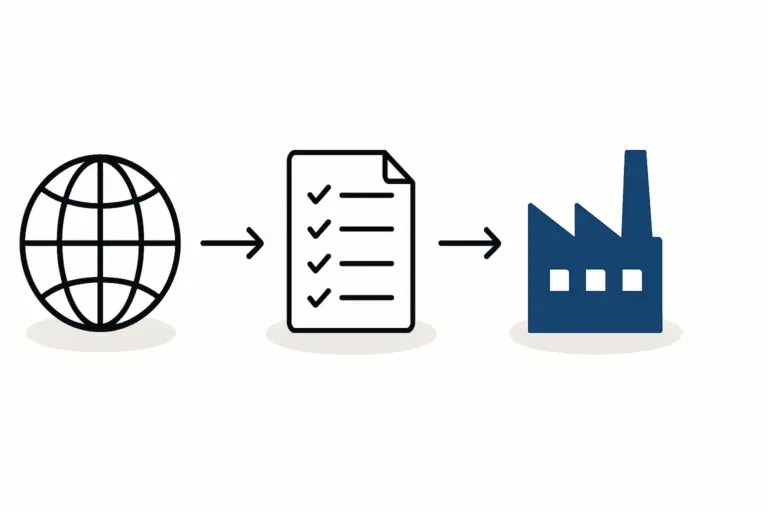
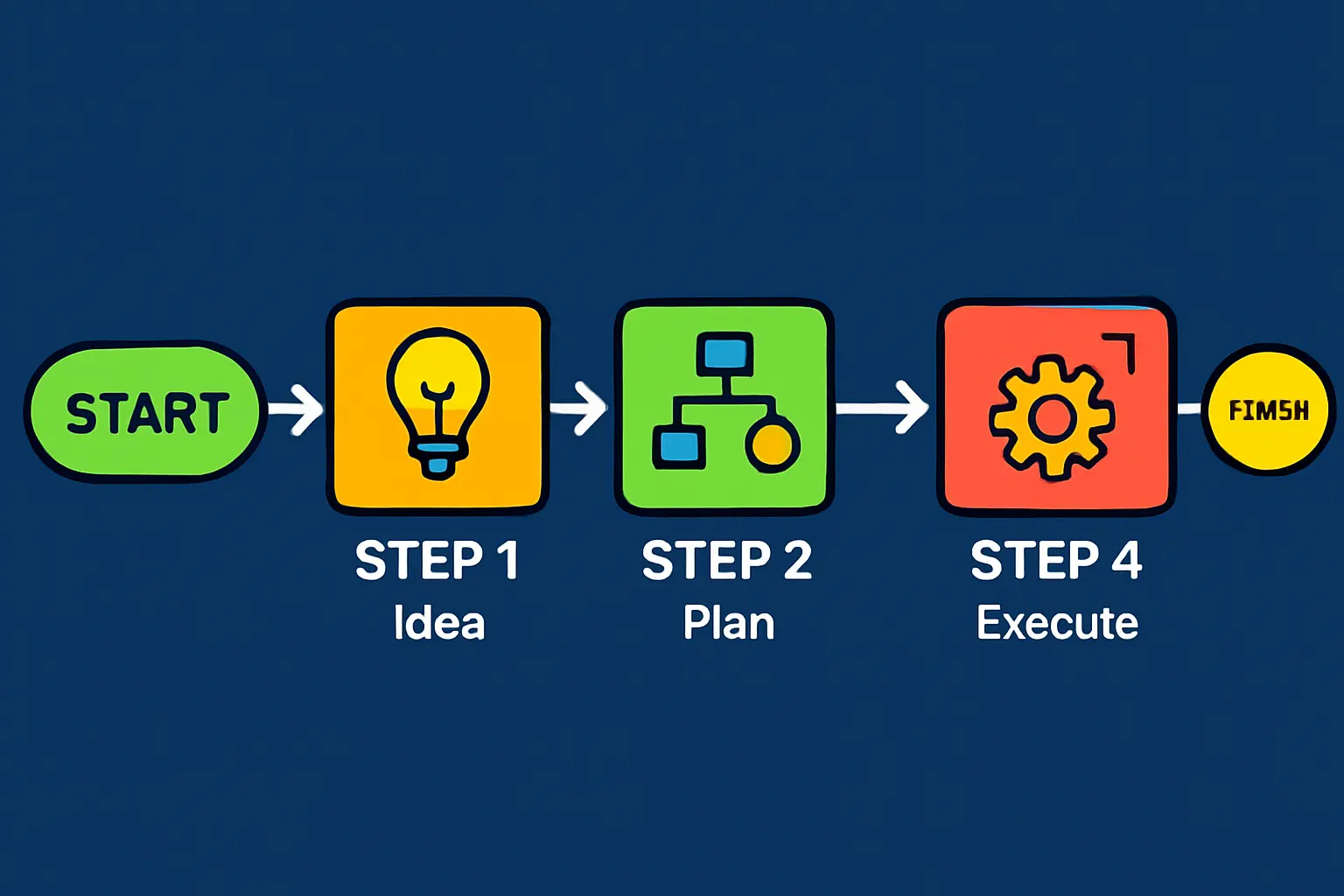
While it may appear complex, the customs process follows a logical sequence. Delays almost always stem from inadequate preparation at one of these stages.
1. Pre-Arrival Documentation
This is the most critical phase. Before your shipment leaves its port of origin, your supplier and local agent must work together to ensure all documents are accurate and consistent. Essential paperwork typically includes:
- Commercial Invoice: Detailing the value of each piece of equipment.
- Packing List: A comprehensive inventory of every crate, including weights and dimensions, which is vital for planning lifts.
- Bill of Lading (B/L): The contract between the shipper and the carrier.
- Import Notification Form (INF): Previously known as the Import Permit Declaration (IPD), this is a mandatory pre-clearance document filed in Liberia’s ASYCUDA customs system.
- Certificate of Origin: May be required for certain goods.
A common oversight is using incorrect Harmonized System (HS) codes for solar manufacturing equipment. An incorrect code can lead to duty miscalculations and trigger time-consuming inspections.
2. Arrival and Port Handling
Once the vessel arrives, APM Terminals is responsible for offloading your cargo. Based on experience from J.v.G. turnkey projects, it is crucial to communicate the specific handling requirements for your equipment well in advance. Standard 20-foot or 40-foot containers are straightforward, but out-of-gauge or heavy-lift items require special attention. The port’s primary cranes have a maximum lift capacity, typically around 65 tons, which must be verified against your heaviest crates, such as a laminator or glass washer.
3. Customs Declaration and Inspection
Your clearing agent will use the pre-arrival documents to submit a formal customs declaration. The LRA’s system may flag the shipment for physical inspection. This is a standard procedure, not necessarily an indication of a problem. However, a well-organized packing list that corresponds exactly to the crate contents can significantly speed up the process.
4. Duty and Fee Payment and Release
After the declaration is accepted and any inspection is complete, the LRA will issue a final assessment of duties and taxes. Once paid, a release order is generated, authorizing APM Terminals to release the cargo from the port. Remember to factor port handling charges, storage fees, and agent fees into your business plan for a solar factory.
Inland Transportation: The Final Mile Challenge
Clearing customs is only half the battle. Moving heavy and oversized machinery from the Freeport of Monrovia to an inland factory site presents its own set of logistical hurdles.
This phase demands meticulous planning, especially around local infrastructure. The route must be surveyed for bridge weight limits, road widths, overhead power lines, and general road conditions. This is particularly true in regions where infrastructure may not be designed for industrial-scale transport.
For example, one project was delayed when a critical bridge on the route to the factory had a lower weight tolerance than the single heaviest machine crate. This required rerouting through secondary roads, adding a full day to the transport schedule.
Furthermore, conditions during Liberia’s rainy season (roughly May to October) can make unpaved roads impassable for heavy trucks, making timing a critical component of project management. Secure transport and comprehensive insurance are non-negotiable to protect your investment during this final, vulnerable stage of its journey.
Frequently Asked Questions (FAQ)
Q1: What is demurrage and how can I avoid it?
Demurrage is a fee charged by the shipping line when a container is not removed from the port within a specified free period (typically 3-7 days). Avoid it with meticulous pre-arrival planning, ensuring your clearing agent can process the declaration and pay duties before the free time expires.
Q2: Can I manage the customs process myself without a local agent?
It is technically possible but highly inadvisable. A licensed Liberian customs broker has the necessary access to the ASYCUDA system, established relationships with port and customs officials, and an intimate understanding of local procedures. Their fee is a small price to pay for avoiding significant delays.
Q3: How should sensitive electronic components, like a solar cell tester, be handled?
These items must be clearly marked as fragile and sensitive to vibration. Ensure they are packed with industrial-grade shock absorbers inside their crates. We advise arranging for dedicated transport for these components rather than shipping them with heavier, more robust machinery.
Q4: How long should I budget for the entire clearance and transport process?
With perfect documentation and a proactive clearing agent, the customs clearance process itself can take between 7 to 14 business days. Inland transportation can add another 1 to 5 days, depending on the distance and road conditions. A prudent estimate is to budget at least three weeks from vessel arrival to factory delivery.
Conclusion: Logistics as a Pillar of Project Success
The logistical journey of your solar manufacturing equipment is as critical as its technical specifications. Success hinges not on reacting to problems at the port but on proactively managing every step—from documentation in the country of origin to the final placement on your factory floor.
By understanding the roles of the NPA, APM Terminals, and the LRA, and by partnering with a competent local logistics expert, you can transform a potential bottleneck into a smooth and efficient process. This foresight is a hallmark of a well-planned industrial project and a foundational step in establishing a successful solar module manufacturing operation in Liberia.